REVIEW · MUMBAI
Vegetarian Indian Cuisine Virtual Cooking Class Experience from Mumbai
Book on Viator →Operated by Mystical Mumbai · Bookable on Viator
Watching your dinner being made on Skype sounds odd—until you realize how personal it feels. This Mumbai vegetarian cooking class turns a recipe into a conversation, led by Kajal in her home kitchen, with live questions as you cook via Skype. I love that you get real-time guidance (not a prerecorded video), and I also like that the class leans into culture—meet the family, hear food stories, and learn in context. One drawback to plan for: you’re cooking from home with your own setup and ingredients, and the video quality won’t be pro-level.
You’ll spend about 1 hour 30 minutes learning vegetarian Indian dishes with the support of online recipes sent beforehand. The experience is capped at 6 travelers, so the instructor can actually keep up with questions instead of rushing everyone along. If your internet is shaky, this style of class can get stressful, so make sure your connection is steady before you start.
In This Review
- Key highlights you’ll feel right away
- Why a Skype class from Mumbai feels personal
- Meeting Kajal (and how the kitchen connection works)
- What you’ll cook: vegetarian Indian dishes built around matar paneer
- How the lesson runs, step by step (and what you should prep)
- Recipes, ingredients, and avoiding store-stress
- Price, time, and group size: is $20 good value?
- Who should book this Mumbai vegetarian class—and who might not
- Should you book it?
- FAQ
- How long is the virtual cooking class?
- What is the class platform and can I ask questions?
- What dishes will we learn to make?
- How much does it cost?
- Do I need to provide my own ingredients?
- Is the video production professional quality?
- What if I have allergies?
Key highlights you’ll feel right away
- Live Skype cooking Q&A as you work, so questions don’t pile up
- Kajal’s family-taught approach, learned from her mom and older sister
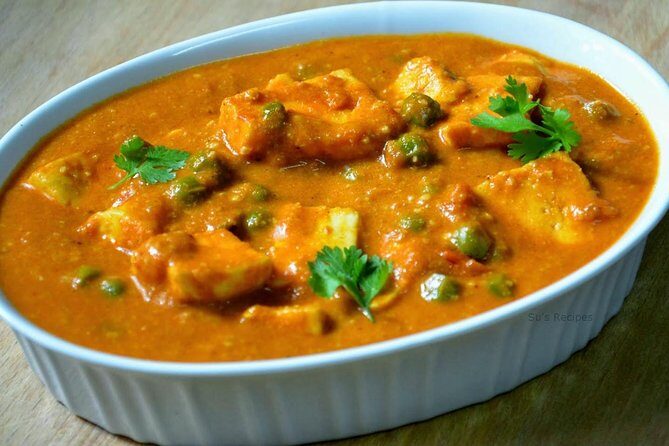
- Matar paneer focus, one of India’s most popular vegetarian dishes
- Online recipes provided, plus an ingredient check before class
- Small group size (max 6) for more direct attention
- Home-cooking stories, not just technique
Why a Skype class from Mumbai feels personal
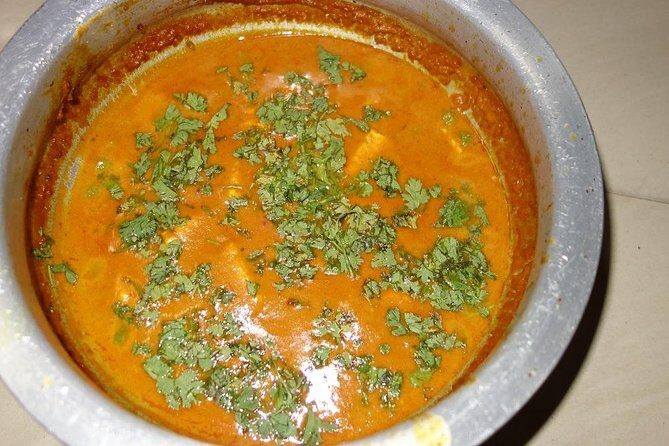
A virtual cooking class can turn into a one-way lecture. This one isn’t like that. You’re connected live, so you can ask questions while you’re holding the spoon, not after you’ve already messed up the step.
It also helps that the lesson is coming from a real home in Mumbai, shared by the chef and her family. You’re not only learning how to make food—you’re seeing the setting and hearing the small details that explain why recipes are built the way they are. That context matters, because Indian cooking is often about balancing taste through timing, texture, and spice rather than following a single rigid measuring rule.
The other practical win: it’s designed for people cooking at home. You’re given the recipe materials and the class is structured for you to follow along step by step, without needing advanced cooking gear or special training.
You can also read our reviews of more cooking classes in Mumbai

Meeting Kajal (and how the kitchen connection works)
The instructor is Kajal, a Mumbai-based chef who learned these traditional recipes from her mother and her older sister. She later started food tours in 2017, which is a big clue about her teaching style: she’s comfortable explaining food, not just making it. Her favorite dish is matar paneer, and it’s also one of the most popular dishes in India.
There’s also a second person involved during the session. In one of the experiences, Kajal cooked while Shailesh handled the camera, which makes a difference because it keeps the cooking visible. Since you’re learning over video, the clarity of what you’re seeing—hands, pot, and ingredients—directly affects how confident you’ll feel following along.
The class also comes with a simple but important promise: you’ll get the chef’s full attention. With a maximum of 6 participants, you’re not one tiny voice in a crowd. You can usually ask what you need, and get an answer tied to what you’re doing at that moment.
What you’ll cook: vegetarian Indian dishes built around matar paneer
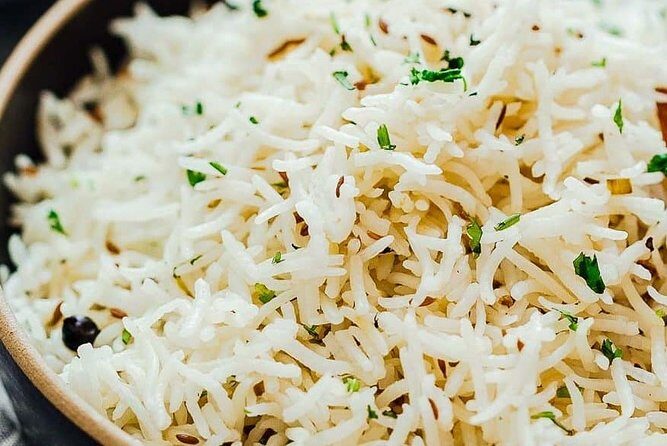
This experience is vegetarian-first, and it aims to show you how to make popular Indian favorites at home. Matar paneer is the headline dish you’ll connect to right away: cottage cheese (paneer) simmered with peas in a gravy that’s seasoned and built for comfort and flavor.
Why that matters for you: matar paneer is a smart dish to learn because it teaches multiple core skills at once. You’ll practice working with a spiced base for the gravy, handling paneer so it stays pleasant in texture, and timing peas so they don’t turn dull. It’s a dish people often order out—so learning it at home feels like instant confidence.
Even though the class is focused on matar paneer as an anchor, the overall theme is vegetarian Indian cooking. Expect the session to guide you through the steps that make vegetarian Indian food satisfying: spice layering, creating sauce thickness, and seasoning toward the end rather than only at the start.
And because you’re cooking live, the chef can adjust for what you’re seeing in your own pot. That’s where many cookbook-only attempts go wrong—you miss cues, so the final dish doesn’t taste like the version you were expecting.
How the lesson runs, step by step (and what you should prep)
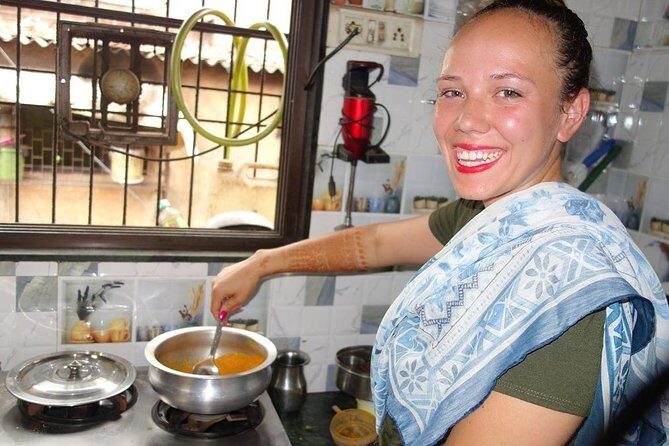
You’re looking at roughly 90 minutes total, and it’s structured as a hands-on cooking lesson. The general flow is pretty straightforward: you connect on Skype, review what you’ll be cooking, then follow along in real time as Kajal guides each step.
Before class begins, you’ll receive online recipes that make it easier to follow. A detail I really like here is that you’re not just handed a list and left to guess what to do. You can check ingredients early, and if you can’t find something in stores, you share that with the chef so adjustments or guidance are possible.
Here’s how to prep so you don’t lose time during the live portion:
- Make sure your internet is working properly before you start. Virtual cooking needs stable audio and video.
- Read the recipe materials early, even if you only skim the order of steps.
- Set up your workstation: cutting board, a clear space for spices, and a pot or pan ready to go.
- Plan for one or two pauses if your ingredients take longer to get to a simmer. In cooking, timing is everything.
During the session, you’ll be able to ask questions while you cook. The best time to ask is right when you’re unsure—before you’ve moved on to the next step. If something looks or smells different from what you expect, ask. That’s often the moment the chef can correct course.
Recipes, ingredients, and avoiding store-stress
One of the most helpful aspects is the way ingredients are handled before you ever join the Skype call. After booking, you get a list of ingredients and instructions, and you can tell the chef if you can’t find something locally. That means you’re not stuck thinking you’re “doing it wrong” when you’re actually just missing one key component.
This matters because Indian cooking relies on a mix of spices that behave differently. If you substitute blindly, you can end up with a dish that looks right but tastes flat—or too harsh. The chef’s guidance helps you make substitutions more responsibly, based on what you actually have.
If you have any allergies, you should share them with the chef ahead of time. That’s not a small request either. In vegetarian Indian cooking, ingredients can vary by region and pantry, and the chef needs that information to keep the recipe safe for you.
Also note: this isn’t presented as a professional cooking class with high-end production. The experience is about cooking and learning with a local home-chef, plus stories around the food. You may see less polished video and lighting, but that trade-off comes with something better—an authentic teaching vibe and a real human kitchen.
A few more Mumbai tours and experiences worth a look





Price, time, and group size: is $20 good value?
At $20 per person, this virtual class is priced like a budget-friendly activity with a very specific payoff: real-time instruction. You’re paying for guidance, not just a recipe document. And because it’s capped at a small group of up to 6 travelers, you’re more likely to get the chef’s attention when you ask questions.
The timing also helps. Ninety minutes is long enough to learn technique, but short enough that it won’t dominate your day. If you’re trying to add “real skills” to your trip memories without spending hours traveling around, this is a practical choice.
Pickup is listed as a feature, but since the class is virtual, I’d treat that as something you’d clarify with the provider if you’re looking for any physical component. For the actual cooking experience, everything is centered on your own kitchen and your Skype connection.
One last value point: you’re learning from someone who has cooked these recipes through family teaching and who has been doing food tours since 2017. That background typically shows in how they explain flavor and process—what to watch for, and how to know when you’re on track.
Who should book this Mumbai vegetarian class—and who might not
This is a great fit if:
- You want a hands-on Indian cooking experience without booking flights or a restaurant meal
- You’re curious about vegetarian Indian food and want one dish that teaches real technique—matar paneer is a strong starting point
- You like asking questions while cooking (rather than guessing from a static recipe)
- You want a connection to Mumbai through a local home kitchen and stories about food
You might want a different option if:
- Your internet connection is unreliable. Live Skype is the core of the class.
- You’re expecting studio-level filming and very polished production. This is a home-based experience.
- You prefer to cook fully on your own without interruption. The value here is in live support.
If you cook regularly, you’ll likely enjoy this even more, because you can apply the cues the chef teaches right away. If you’re new to Indian cooking, the live Q&A is exactly what helps you avoid common mistakes.
Should you book it?
If you want an authentic vegetarian Indian cooking session with real-time coaching, this is an easy yes. The combination of Kajal’s family-taught recipes, live Skype interaction, and the matar paneer focus makes it practical—you’ll leave with both a dish you can repeat and the confidence to troubleshoot next time.
Book it when you can guarantee stable internet and when you’re ready to cook along. If you’re expecting a movie-quality video, lower those expectations and focus on the human part: questions answered while you cook, in a real Mumbai home.
FAQ
How long is the virtual cooking class?
It lasts about 1 hour 30 minutes.
What is the class platform and can I ask questions?
The class runs live on Skype, and you can ask questions as you cook.
What dishes will we learn to make?
The class is centered on vegetarian Indian cuisine, with matar paneer specifically called out as a key dish.
How much does it cost?
The price is $20.00 per person.
Do I need to provide my own ingredients?
Yes. You’ll receive online recipes and an ingredient list, and the class is designed for you to cook from home with your own supplies.
Is the video production professional quality?
No, it’s not described as professional-level videography. It’s a home-based experience, but they aim to deliver a great cooking session.
What if I have allergies?
Share your allergies with the chef in advance, so the instructor can be aware of ingredients and guide you accordingly.