REVIEW · MUMBAI
Private Half-Day Mumbai Cooking Class
Book on Viator →Operated by Mystical Mumbai · Bookable on Viator
Spice lessons in Mumbai, with no guesswork. This private half-day class pairs hands-on cooking with real guidance on layering spices and timing, then ends with the meal you make. I like that you get a clear, structured lesson (five dishes, plus sides) without the distraction of a big group, and you also get transport covered with hotel or port pickup.
The best part is the personal attention—you’re working right alongside the instructor and host, not watching from the edge. The one thing to consider: it’s only about three hours, so you’ll learn a lot, but you won’t walk away with fully mastered every step of Indian cooking.
In This Review
- Key highlights before you go
- Private cooking in Mumbai: what you’re really paying for
- Getting there: pickup, A/C transport, and the cafe setup
- Your 3-hour lesson: five dishes and exactly what gets taught
- Non-vegetarian menu: fish and chicken included
- Vegetarian menu: egg, veg, paneer, rice, dal
- Hands-on, step-by-step timing
- Sides and dessert: raita, parathas, and kheer
- Eating what you made: the real learning moment
- Taking spices home (and using them again)
- Price and value: is $119 worth it?
- Who this Mumbai cooking class fits best
- FAQ
- How long is the private half-day cooking class?
- What’s included with pickup and transport?
- What dishes will I learn to cook?
- What do I eat at the end?
- Is lunch or dinner included?
- Is alcohol included?
- Is this really private?
- Should you book this private Mumbai cooking class?
Key highlights before you go
- Private class with your group only, so questions don’t get lost in the crowd
- Five traditional dishes in one session, designed to teach flavor building, not just recipes
- Hotel, port, or airport pickup and drop-off plus A/C minivan transport
- Finish by eating your own meal, including raita, parathas, and kheer
- Take-home goodies: a recipe booklet and a small box of spices for later
Private cooking in Mumbai: what you’re really paying for
A $119-per-person cooking class sounds straightforward until you compare it to most food tours: a class like this is built around focused teaching and repetition. You’re not just trying one dish. You’re making five items and learning the logic behind how Indian flavors are built—especially the practical parts, like when to add spices and how to manage cook time as ingredients change.
Because it’s private, the instructor and host can adjust the pace. If you’re careful and methodical, you’ll get time for it. If you’re faster and want more flavor tips, you’ll get prompts to push your skills. That’s a big deal in a hands-on lesson: cooking is timing plus taste checks, and private attention helps both.
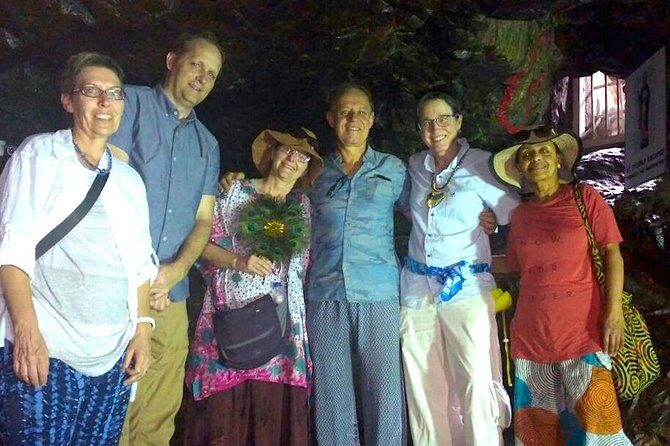
One more value point: the class isn’t only about food. You also get insight into local customs and day-to-day culture. In one class experience, the teaching included Anthony and Theresa—so it wasn’t just a chef lesson, it was also a human one. You’re learning from people who actually live the food habits they’re teaching.
You can also read our reviews of more private tours in Mumbai



Getting there: pickup, A/C transport, and the cafe setup
The logistics are built for people on a schedule. Morning or afternoon pickup is offered (based on your selection), and you’re taken by air-conditioned minivan to the teaching location. You also get drop-off back to your Mumbai hotel, the cruise port, or the airport—so you’re not juggling transport after you’ve cooked and eaten.
This matters because half-day activities can fall apart when you’re tired or lost. Here, you remove that stress. If you’re traveling by cruise, you’ll need to share your ship name and timing details so they can coordinate your return. If you’re flying in, you’ll need your airline arrival details for pickup.
In practice, plan to arrive on time at pickup. Even when things run smoothly, cooking classes move by the clock—ingredients and steps have to start at the right moments.
Your 3-hour lesson: five dishes and exactly what gets taught
You’ll spend roughly three hours learning to cook five items plus the accompaniments that round out the meal. What you cook depends on whether you choose vegetarian or non-vegetarian options.
Non-vegetarian menu: fish and chicken included
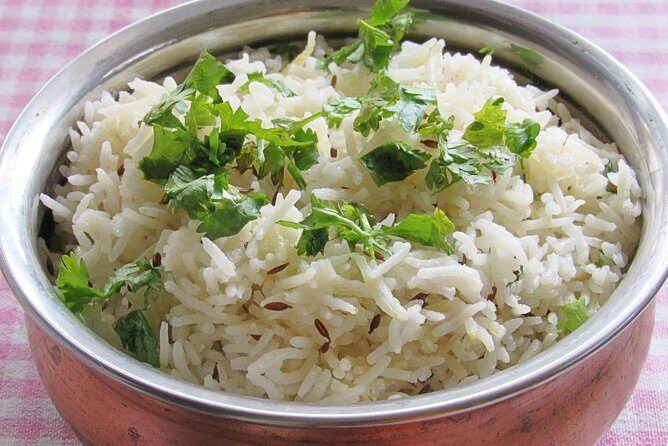
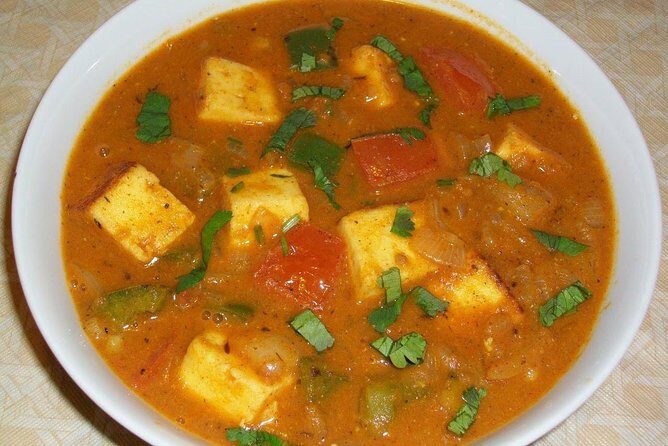
For non-vegetarians, the core set is: fish, chicken, paneer, rice, and dal. That’s a smart mix. You’re not only learning one style of dish. You’re cooking proteins with different handling, plus learning staples—rice and lentils—that anchor the whole meal.
Vegetarian menu: egg, veg, paneer, rice, dal
For vegetarians, the core set is: egg, vegetable, paneer, rice, and dal. Again, it’s a balanced lesson: you’ll practice how vegetables cook down, how paneer is handled for texture, and how dal works as both comfort food and flavor delivery.
You can also read our reviews of more cooking classes in Mumbai




Hands-on, step-by-step timing
The teaching style is participatory. You assist the instructor, so you learn timing for adding ingredients and spices. That’s where most home cooks struggle: it’s not the recipe card—it’s knowing when the pan is ready, when spices bloom, and when simmer time needs adjustment.
You’ll also get guidance on layering spices and flavors like a pro. That phrase can sound fluffy, but in a cooking class it means something practical: you’ll see how each step supports the next, instead of throwing spices in all at once and hoping for the best.
Sides and dessert: raita, parathas, and kheer
The meal isn’t an afterthought. Your accompaniments are part of the teaching and part of the payoff.
Here’s what’s included in the meal components:
- Raita: cooling, yogurt-based support that helps balance heat and spice
- Parathas: layered flatbread, often the practical highlight for first-timers because it teaches technique and timing
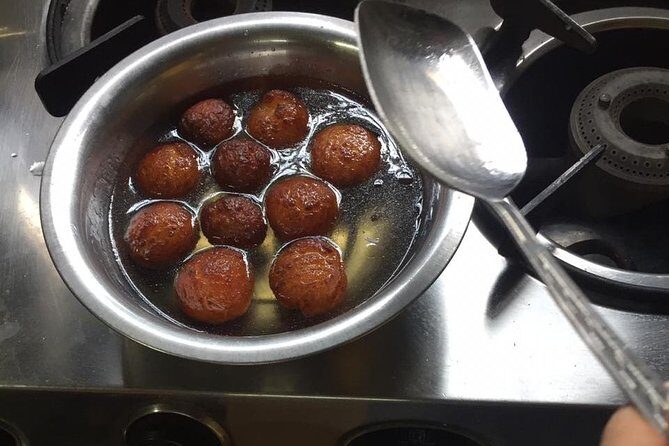
- Kheer: a sweet dish served as the finishing note
This combination is a classic “complete meal” format. Cooking rice and dal gives you the body of the meal. Paneer and chicken or fish give you texture and protein. Then raita and parathas help tie it together—so you’re not just tasting one flavor at a time. You’re building contrast.
Also, parathas and raita aren’t just side dishes. They’re tools you can use at home to make the meal feel finished, even if your main dish is simple.
Eating what you made: the real learning moment
After the cooking lesson, you eat what you prepared. That’s the moment the class clicks.
You get to compare what you cooked against what you learned. If something tastes too strong, you’ll connect that back to the spice timing you worked on. If the texture of rice or dal feels different, you’ll connect it to how the cooking progressed.
You’ll also taste the full spread as a system. Indian meals are often designed as a set: cool, creamy, chewy, spicy, savory, and sweet in the right order. When you sit down and eat, you understand why all those sides matter—more than if you only watched or only cooked one dish.
Taking spices home (and using them again)
Most cooking classes give you a recipe. This one adds two extras.
At the end, you receive:
- a recipe booklet
- a small box with most of the spices as memorabilia
That’s practical value, not just a souvenir. If you want to cook again soon after your trip, having the spices on hand makes it far easier to recreate flavors close to what you experienced. It also makes the recipe booklet more useful, since you’re not stuck trying to guess which spice blend to buy or how fresh it should be.
Tip: take the spice box home carefully and store it well. Spices can lose punch with time, so it’s worth using them in the weeks after your trip if you want the closest match.
Price and value: is $119 worth it?
At $119 per person for about three hours, the value comes down to what’s included and what you’re getting out of the format.
What you’re paying for:
- private instruction (not a crowd-driven demo)
- five dishes taught in one session
- lunch or dinner included, plus bottled water
- hotel/port/airport pickup and drop-off and transport by A/C minivan
- a recipe booklet and spices to take home
Where the value is strongest is for visitors who want something hands-on and want it to feel complete. If you already love Indian food and you want to understand the mechanics—spice layering, timing, and why sides fit the main dishes—this class is a fast way to get real skills without hunting down ingredients and guessing.
Where it may feel less worth it is if you’re looking for only one dish experience or you’re hoping for a longer, deeper masterclass. This is focused and efficient. It’s great for learning the core ideas, not for turning you into a restaurant cook by day’s end.
Who this Mumbai cooking class fits best
This class is a good match if you:
- want a private experience and hate feeling rushed or ignored
- enjoy practical cooking where you can ask questions while you work
- want a meal that feels authentic and “complete,” not just a few bites
- have limited time in Mumbai and still want a memorable skill
It’s also a strong choice if you’re traveling with food interests rather than just sightseeing. You’ll come away with both recipes and a clearer sense of how a full Indian plate is built.
For vegetarian and non-vegetarian eaters, the menu is built into the class structure, so you’re not stuck with a mismatch between what you eat and what you learn.
FAQ
How long is the private half-day cooking class?
It runs for about 3 hours.
What’s included with pickup and transport?
Hotel/port/airport pickup and drop-off are included, along with transport by air-conditioned minivan.
What dishes will I learn to cook?
You’ll learn five dishes in one lesson. The set includes fish, chicken, paneer, rice, and dal for non-vegetarians, and egg, vegetable, paneer, rice, and dal for vegetarians.
What do I eat at the end?
You enjoy a complete meal that includes what you prepared, plus accompaniments such as raita, parathas, and kheer.
Is lunch or dinner included?
Yes. The class includes lunch or dinner depending on your schedule.
Is alcohol included?
Alcoholic drinks are not included.
Is this really private?
Yes. It’s a private tour/activity, and only your group participates.
Should you book this private Mumbai cooking class?
If you want a hands-on, structured way to learn classic Indian cooking in a short window, I’d book it. The mix of five dishes, meal at the end, and take-home spices is the kind of value that sticks long after the flight home.
I’d hesitate only if you want a longer course, or if you’re hoping for a passive food show instead of cooking yourself. Otherwise, this is a clean, practical choice for your Mumbai time: you learn, you eat, and you leave with tools to cook again.