REVIEW · MUMBAI
Mumbai: Indian Cooking Class & Cultural Delights
Book on GetYourGuide →Operated by Amaze Tours · Bookable on GetYourGuide
Spices hit before you even touch a pan. In just 3 hours, this Mumbai class pairs a market walk with hands-on Maharashtrian cooking led by locals for a fun, take-home meal experience. You’ll also get cultural moments that connect food to everyday Mumbai life, not just photo stops.
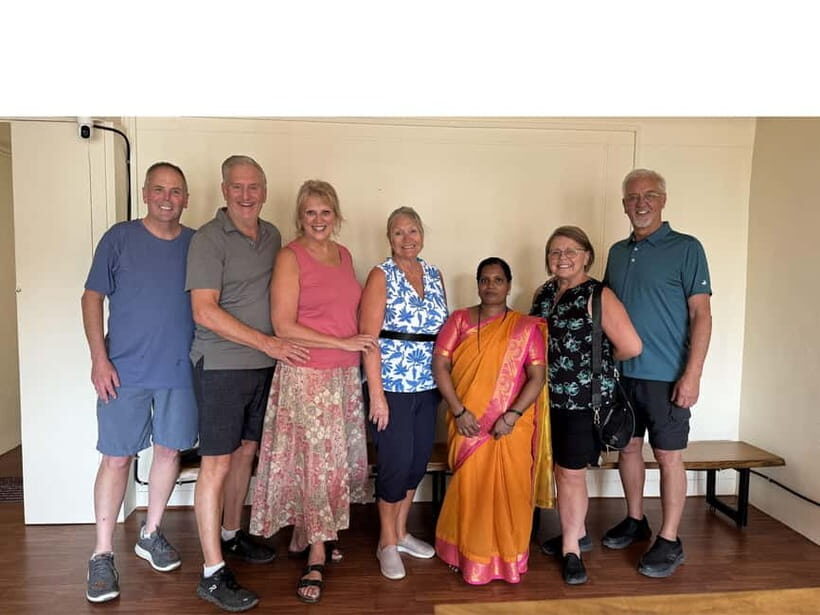
I like that the group stays small (up to 6), so you actually get attention while you cook. The English live guide keeps things easy to follow, even if you’ve never chopped an onion with confidence.
The only catch is it is hands-on. If you want a sit-and-watch experience with zero kitchen time, this will feel like work.
In This Review
- Key things that make this Mumbai class worth it
- Spice-First Mumbai: Market Walk and Small-Group Energy
- Your 3-Hour Flow: Star Anise Patisserie to Lunch Table
- Maharashtrian Ingredients: How the Market Visit Changes Your Cooking
- Hands-On Cooking Without the Learning Curve Panic
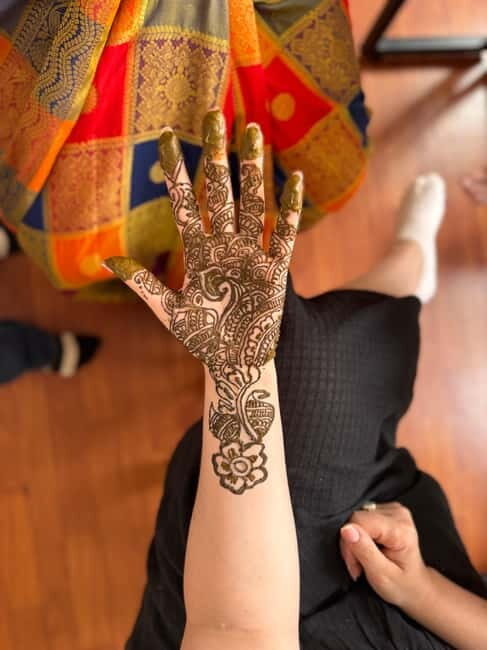
- Cultural Activities Tied to Food: Henna and Local Context
- The Meal You Make: Multi-Course Thali Lunch and Practical Takeaways
- Price and Value: What $27 Buys in Mumbai
- Who Should Book This Cooking Class in Mumbai?
- What to Watch Out For on the Day
- Should You Book This Mumbai Cooking Class?
- FAQ
- Where is the meeting point?
- How long does the cooking class last?
- How much does it cost?
- Is this a hands-on cooking class?
- Does the experience include a market visit?
- What group size is it?
- Is there an English guide?
- Is it wheelchair accessible?
- What is the cancellation policy?
- What is not included in the price?
Key things that make this Mumbai class worth it
- Market visit first so you understand what you’re buying and why it matters
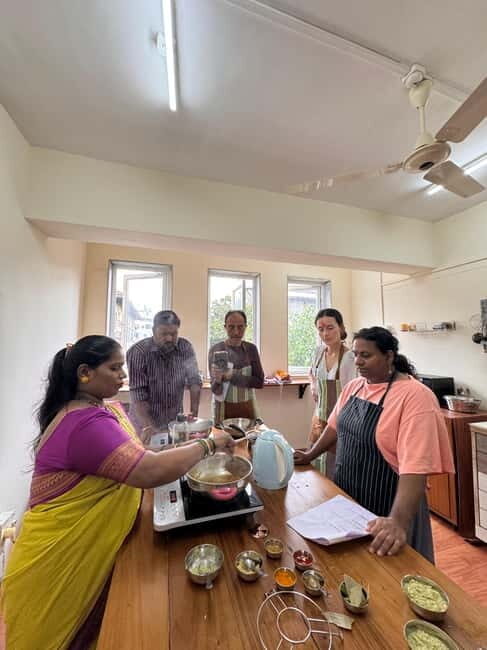
- You cook most dishes yourself after short demos at the stations
- Small group of 6 means more questions and fewer waiting turns
- Maharashtrian home-cook style with practical spice and dough know-how
- Cultural add-ons like henna/mehndi and local context that stay connected to the meal
Spice-First Mumbai: Market Walk and Small-Group Energy
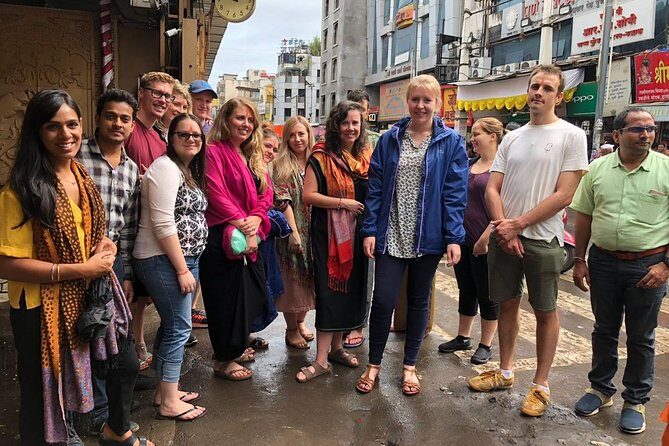
Mumbai has a sound and a smell that hits fast. What I like about starting with the market visit is that it turns the whole day into one clear story: ingredients → cooking methods → lunch you actually made. Instead of learning spices in theory, you’ll see the produce and food items up close, then move straight to the kitchen.
This is also a day built for comfort. The small group size (limited to 6 participants) keeps the vibe friendly and unhurried. That matters in cooking classes, because the fastest way to hate a class is to feel rushed or ignored. Here, you can ask questions and adjust as you go.
One more reason this works: you’re not stuck with only one personality driving the lesson. The experience has been led by guides such as Dinesh, and cooks such as Trupti, and the style tends to be practical and warm. In one session, you might get more spice background; in another, a stronger focus on breads like chapati or paratha. Either way, the goal stays the same: you leave with skills you can repeat at home.
You can also read our reviews of more cooking classes in Mumbai
Your 3-Hour Flow: Star Anise Patisserie to Lunch Table
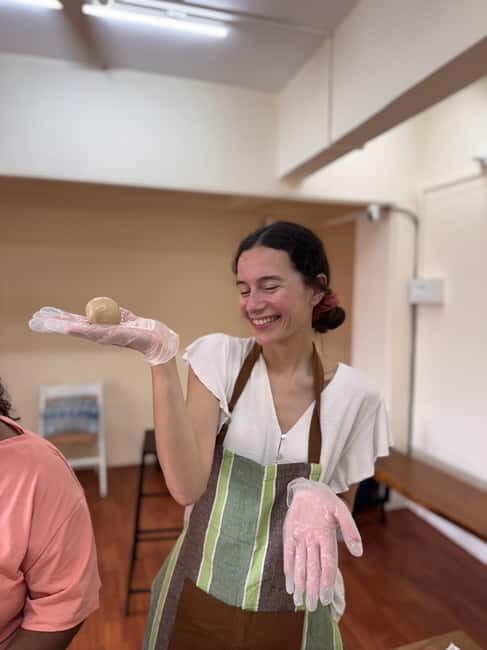
The timing is compact: plan on 3 hours from start to finish. You’ll meet at the entrance of Star Anise patisserie, then the morning-to-afternoon rhythm kicks in.
Here’s the typical pace you should expect:
- Meet up and get oriented with the English live guide
- Head out for a market visit to see ingredients in context
- Return to the kitchen for structured cooking stations
- Cook multiple components of a multi-course meal
- Sit down together to eat what you cooked
Why the order matters: the market visit makes the kitchen make sense. When you see the ingredients first, you start noticing what’s fresh, what’s fragrant, and what needs timing. Then in the kitchen, the demos are easier to understand because you’ve already been introduced to the raw materials.
Also, keep your expectations realistic about the pace. Three hours is not a slow culinary seminar. It’s enough time to learn technique, do the work, and still enjoy lunch as a group. If you’re the type who likes long lectures, you might want to pair this with another activity later. If you love hands-on learning, you’ll be in your element.
Maharashtrian Ingredients: How the Market Visit Changes Your Cooking
The market visit is one of the most practical parts of this experience. It’s not just a photo stop. You’re learning what gets used in Maharashtrian cooking and how people shop day-to-day.
In past sessions, the market walk has included areas tied to vegetables and fish, which can be useful context if your home cooking usually stays on the dry spice-and-grains side. Seeing a wider mix of ingredients helps you stop thinking of Indian cooking as one fixed style. It’s local, seasonal, and method-driven.
What you’ll get from this part:
- A chance to ask questions about ingredients while you’re looking at them
- Visual cues for things like texture, freshness, and how ingredients are grouped
- Better instinct for recipes after you’ve seen how people buy them
One tip from how this class is designed: go in ready to look closely. When the guide points out items, pay attention to how you would store them and how they might change in cooking. That’s the kind of practical knowledge that stays useful once you’re back in your kitchen.
Hands-On Cooking Without the Learning Curve Panic
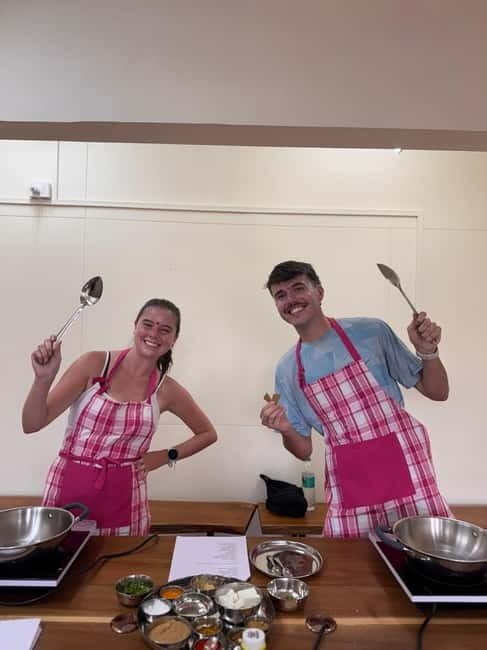
This is hands-on cooking, and that is exactly why it works for beginners. You don’t need to be a confident home cook to join; the format is built so everyone participates.
The class runs on a station setup, and you’ll usually get:
- A short demo (so you see the steps clearly)
- Then you switch into doing the work yourself
- Guidance while you cook, not after you mess up
From the sessions run by the team, the approach tends to be casual and reassuring. The cook and guide focus on making techniques feel doable. That includes bread and dough skills when the group wants it. Some sessions have included help with chapati and paratha, based on participant interest, which is a great add-on if you love carbs or want to level up your weekend cooking.
Here’s what makes the hands-on part worth your money beyond entertainment:
- You learn the sequence: prep → heat control → timing
- You pick up small technique cues (like how to handle dough or when a spice is ready)
- You get instant feedback while you’re still in the learning window
Also, because it’s a small group, you’re less likely to stand around waiting for someone else to finish. That’s a common failure point in bigger classes. Here, you’ll feel involved.
Cultural Activities Tied to Food: Henna and Local Context
Food in Maharashtra isn’t just flavors. It’s people, rituals, and small habits. That’s why the class includes cultural activities alongside cooking.
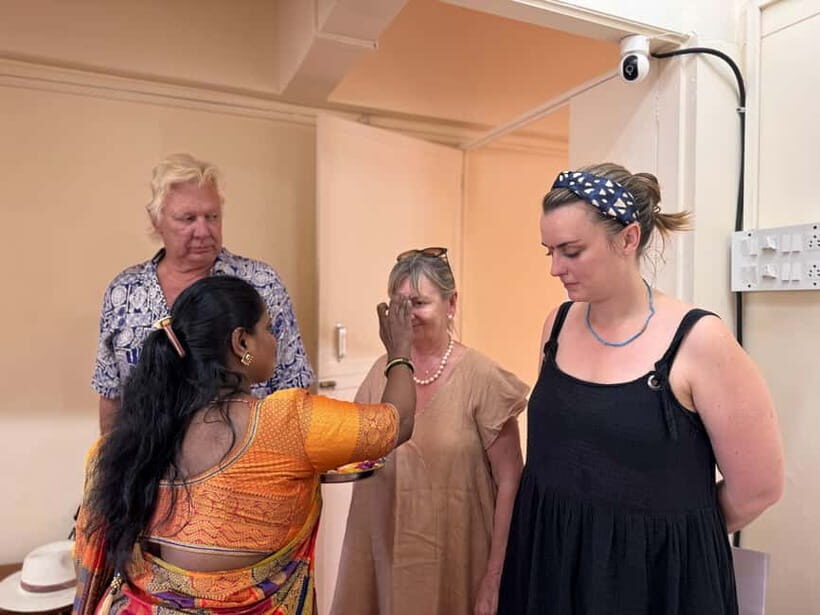
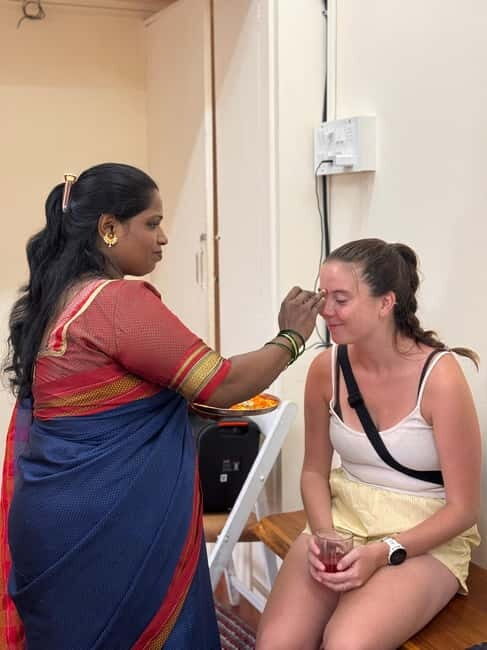
In practice, the cultural part can include things like henna/mehndi on your hand. You might also get context that links the food experience to local Mumbai stories, including references such as colonial Bombay background shared during the day. The best cultural lessons feel connected, not separate. In this format, you’re learning while you’re already thinking about spices, ingredients, and how meals fit into daily life.
What to take from this section:
- It helps you understand why certain spices or methods show up repeatedly
- It gives the day a personal feel, like someone is showing you their routine
- It makes the class more memorable than a standard recipe workshop
If you’re visiting Mumbai mainly for food and want more than a list of dishes to order, this cultural layer is a strong reason to book. You’ll leave with context you can tell your friends, not just recipes.
A few more Mumbai tours and experiences worth a look



The Meal You Make: Multi-Course Thali Lunch and Practical Takeaways
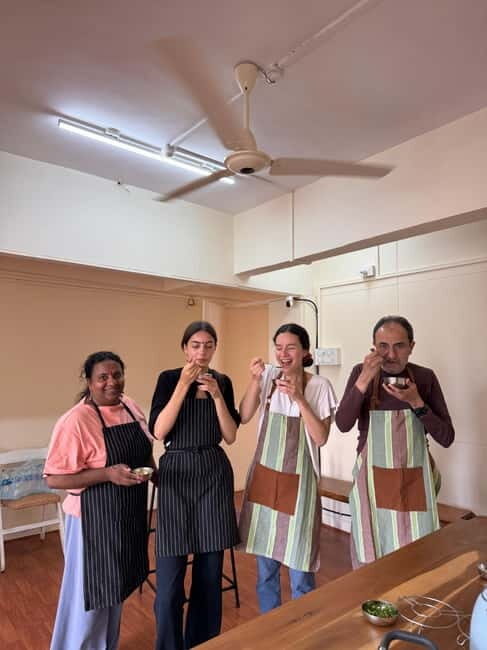
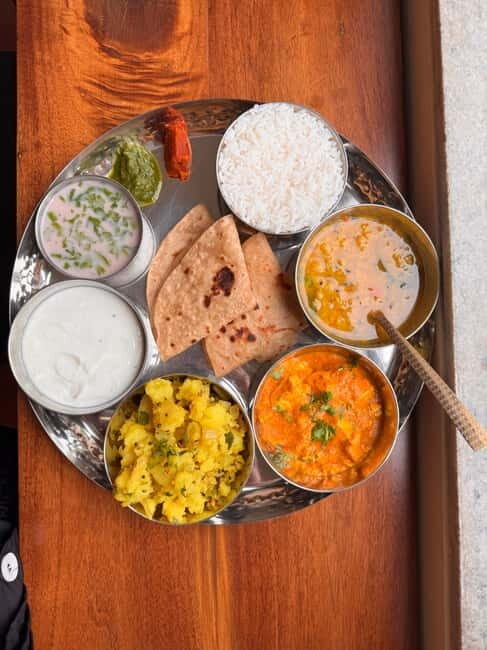
The end goal is simple: you cook, then you eat. The meal is served as a thali, which is a classic way to experience Indian eating as a set of coordinated dishes rather than a single plate.
What I appreciate here is that the lunch isn’t just a reward. It’s part of the learning. When you taste what you made, you can notice:
- How spices change flavor across dishes
- How timing affects texture and taste
- What balance feels right when the food is eaten together
In several sessions, people mention the meal tasting amazing and that they enjoyed lunch together with the team. That shared table is important. It turns the class into an experience, not just a cooking checklist.
You might also receive something to take home, such as a recipe sheet. That’s especially valuable if you want to recreate the flavors later, because memory fades and spice amounts get fuzzy fast.
One more small detail that matters: expect tea to show up during the day in some form. In past sessions, chai has been part of the market walk and the break rhythm. It keeps energy up, and it fits the vibe of a casual local meal day.
Price and Value: What $27 Buys in Mumbai
At $27 per person for a 3-hour experience, the value comes from the combination of what you actually get:
- Market visit (ingredients + context)
- Authentic Maharashtrian cooking instruction
- Hands-on multi-course meal preparation
- Cultural activities
- Small-group format limited to 6
- English live guide
In other words, you’re not just paying for a recipe. You’re paying for guidance, time with a cook, and the ingredients-and-methods context that makes learning stick.
If you compare it to a typical paid cooking class in a big city, the standout value here is the scale. The class stays intimate. That means your questions get answered and your hands actually get on the food. And since transportation isn’t included, you’ll still want to plan your own arrival logistics, but the core experience is packed into the price.
Who gets the best value?
- Foodies who want real methods, not just tasting
- Beginners who want step-by-step structure
- People who like learning with a guide and eating the result
Who Should Book This Cooking Class in Mumbai?
I think this is a great fit if you want a morning or afternoon that feels local and hands-on. It’s also ideal if you’re traveling with someone who wants to do something different than museums or viewpoints.
You’ll enjoy it most if:
- You like active learning and don’t mind getting your hands a bit involved
- You want to understand ingredients, not just follow steps
- You’re open to cultural extras like henna and local context
It may not be ideal if:
- You want a purely passive tour with zero cooking time
- You’re short on energy and need a very low-effort activity
The good news is the format is beginner-friendly. One big promise here is that you can join even without cooking experience, because the class is built to teach in real time.
What to Watch Out For on the Day
A few practical notes will help your day go smoother:
- Wear clothes you don’t mind getting a little messy. You’re cooking.
- Keep an eye on the meeting point location: wait at the entrance of Star Anise patisserie.
- Plan to bring your own way to get there and back. Transportation isn’t included, and it’s easy to lose time if you assume it is.
- Expect a guided, structured day, not a free-form roam.
Also, because it’s a hands-on class, arrive a bit early so you can settle in. Cooking classes run better when everyone starts calm instead of rushing.
Should You Book This Mumbai Cooking Class?
If you want a genuine food-and-culture experience in Mumbai that you can actually repeat at home, I think booking makes sense. The strongest reasons are market-to-kitchen pacing, the small group size, and the fact that you cook and eat what you make. The cultural extras add meaning without taking over the whole day.
Book it if you’re hungry for practical cooking skills, especially if you’d like help with techniques that often trip beginners, like dough and breads. Skip it if you only want sightseeing or you truly don’t want to participate in cooking.
If you choose one food activity in Mumbai, this is the kind that can give you both memories and a pantry of skills.
FAQ
Where is the meeting point?
Meet at the entrance of Star Anise patisserie.
How long does the cooking class last?
The experience runs for 3 hours.
How much does it cost?
It is priced at $27 per person.
Is this a hands-on cooking class?
Yes. It is hands-on, and you’ll participate in cooking and cultural activities.
Does the experience include a market visit?
Yes. A market visit is included.
What group size is it?
It’s a small group limited to 6 participants.
Is there an English guide?
Yes. The live tour guide is English.
Is it wheelchair accessible?
Yes, it is wheelchair accessible.
What is the cancellation policy?
You can cancel up to 24 hours in advance for a full refund.
What is not included in the price?
Transportation to and from the location and personal expenses are not included.