REVIEW · MUMBAI
Dharavi Tour & Pottery Workshop
Book on Viator →Operated by Reality Tours & Travel Pvt Ltd · Bookable on Viator
A short walk shows Mumbai’s real pulse. This 3-hour Dharavi tour is built around work you can actually see up close, from pottery-making to factories like a soap operation, plus time in residential lanes with street art and places of worship. It also runs with a local English-speaking guide, bottled water, and a simple rhythm that keeps you moving.
I also like the way it treats Dharavi as more than a headline. You spend time looking at everyday business and craftsmanship, and then you shift into the neighborhood side, where murals, temples, mosques, churches, and pagodas sit side by side. One consideration: this is a walking tour, so you’ll want solid shoes and you should be ready to stay on your feet for the full stretch.
In This Review
- Key things to know before you go
- Why a Dharavi Tour Feels Different Than a Typical Mumbai Sight
- Price and What $29.09 Buys You (Actually)
- Meeting at Mahim Junction Railway Station and the Walk Reality
- Stop 1 in Dharavi: Industries, Recycling, and Craft You Can Watch
- Pottery-Making and the Workshop Angle (What to Expect)
- Residential Dharavi and Street Art: Temples, Mosques, Churches, Pagodas
- Reality Tours and Travel (Dharavi): Soft Drink and Community Reinvestment
- Safety, Access, and Why a Guide Changes the Day
- Who This Tour Fits Best (and Who Should Think Twice)
- Tips to Get More From Your Dharavi Walk
- Should You Book the Dharavi Tour and Pottery Workshop?
- FAQ
- What is the duration of the Dharavi Tour & Pottery Workshop?
- Where does the tour start and end?
- How much does the tour cost?
- What is included in the tour price?
- Is hotel pickup or drop-off included?
- Do I need to pay admission at the stops?
- Is this a walking tour?
- How large is the group?
- What is the cancellation policy?
Key things to know before you go
- Mahim Junction start point: You meet at Mahim Junction Railway Station, making it easy to connect by public transport.
- Workshops you can watch: You’ll see real production like pottery-making, recycling, embroidery, bakery items, soap, leather tanning, and poppadom-making.
- Street art plus faith sites: Residential areas come with murals and multiple religious landmarks in close proximity.
- Small-ish group size: Up to 25 travelers, which helps keep the walk interactive.
- Quick community stop: You finish with a short visit to Reality Tours and Travel (Dharavi) for a soft drink and a look at community fund reinvestment.
Why a Dharavi Tour Feels Different Than a Typical Mumbai Sight
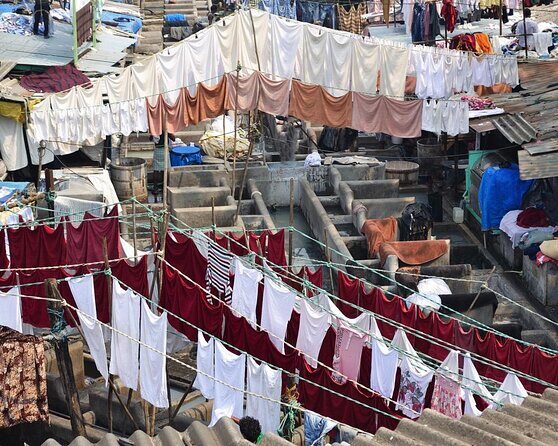
Dharavi has a reputation that gets used like a shortcut. This tour is designed to slow that down and show the city function underneath the label. You’re not just looking at buildings from the outside. You’re walking through the places where people work, make, sort, pack, and sell. That’s the real payoff if you’re the kind of traveler who likes seeing how everyday life operates.
The best part is the balance of industries and neighborhood life. In one stop you’re focused on hands-on work and small business systems that keep materials moving. In the other you’re seeing how public art and faith spaces shape daily routines in residential areas. That mix makes the experience feel grounded, not scripted.
Also, the structure is easy to follow. It’s about 3 hours total, and the pacing keeps it from turning into one long, exhausting blur. You get a walking segment, then a short conclusion with a community-focused explanation.
A few more Mumbai tours and experiences worth a look


Price and What $29.09 Buys You (Actually)
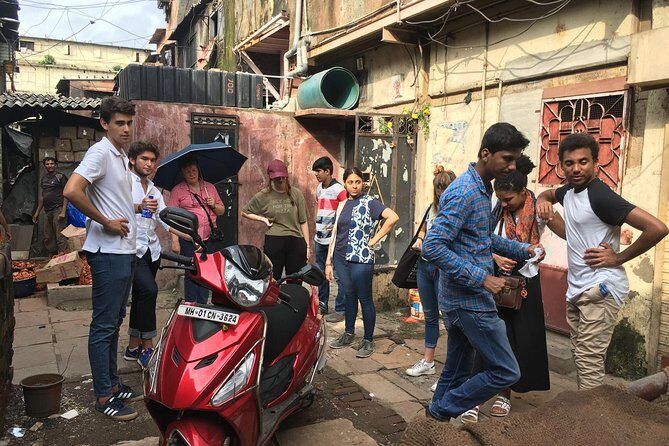
At $29.09 per person for around three hours, the big value isn’t a museum ticket or a big monument view. It’s guided access to a part of Mumbai that many visitors would find hard to navigate on their own.
Here’s what you’re paying for, based on what’s included:
- A local English-speaking guide
- Water / cold drink
- A walking format that covers both work sites and residential areas
- Admission tickets are free for the main Dharavi stop
- A short community stop where you get a soft drink and learn about funds reinvestment
That’s a lot of ground for the price, especially when you factor in that the tour includes hydration and you don’t have to arrange transport to individual businesses. You also get a mobile ticket and group discounts, which can matter if you’re traveling with friends or want more than one slot booked.
One practical thought: because you’re meeting at a railway station and moving on foot, your time planning matters. If you want a tour with minimal walking, this one may feel more active than you expect.
Meeting at Mahim Junction Railway Station and the Walk Reality
The tour starts and ends at Mahim Junction Railway Station. That’s convenient because it’s a recognizable public transport hub, so you can plan without hunting for a private pickup van.
The experience is described as a walking tour, so wear comfortable shoes. Not special shoes. Just the kind you trust for street-level uneven ground and lots of turning corners. You’re also provided bottled water to help you stay hydrated while walking.
Group size is capped at 25 travelers. That matters in Dharavi, where space can feel tight. A smaller group is more likely to keep the walk moving and the guide’s attention focused on questions.
One more thing to consider: the tour does not include hotel pickup or drop-off. You’ll need to get yourself to the meeting point and then arrange your own ride afterward. The good news is that the guide will help you with transport options at the end.
Stop 1 in Dharavi: Industries, Recycling, and Craft You Can Watch
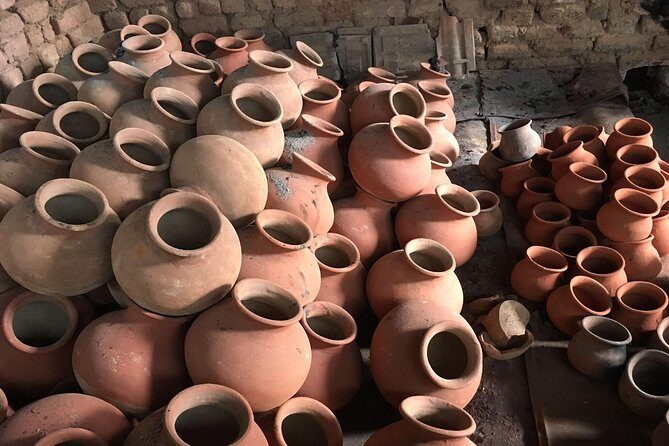
Stop 1 is where the tour earns its name. Dharavi is presented as Mumbai’s beating heart, and you’re guided through a range of innovative businesses that operate under challenging conditions.
You’ll see examples of activity that can include:
- Recycling work
- Pottery-making (the workshop angle)
- Embroidery
- Bakery production
- Soap factory activity
- Leather tanning
- Poppadom-making
- And more small-scale operations tied to everyday demand
What I like about this kind of stop is that it changes your mental picture fast. You stop thinking only about the word slum and start noticing the systems: people converting materials, keeping products moving, and building skills into work that serves a wider city economy. It’s not a staged performance. It’s daily industry.
You should also be ready for sensory intensity. Even without specifying exact sights or smells, it’s an active working area, not a quiet park. Plan to move at a comfortable pace, keep your water handy, and let the guide guide the order of what you’re looking at.
Pottery-Making and the Workshop Angle (What to Expect)
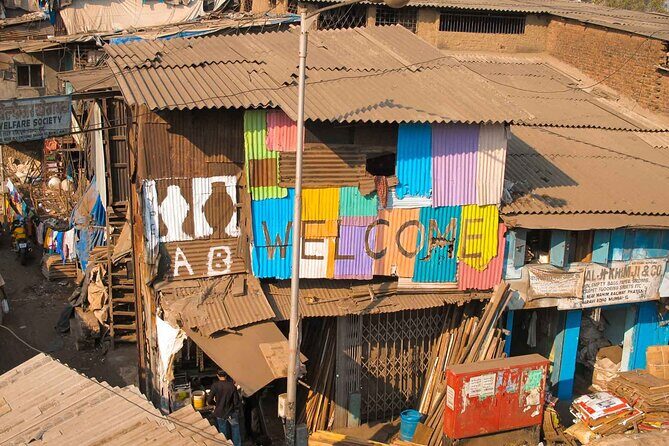
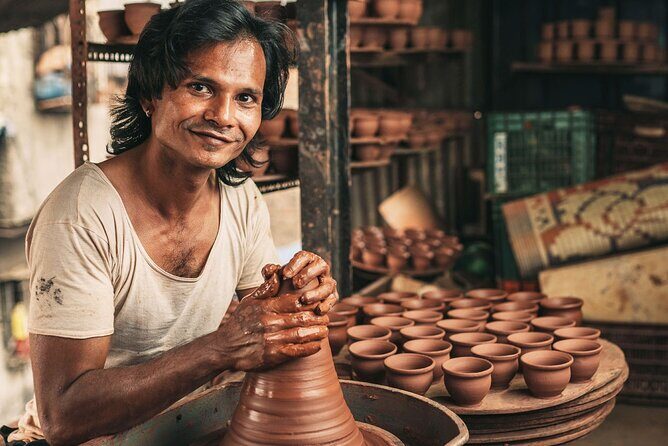
The tour includes pottery-making as one of the crafts you can experience during the Dharavi segment. The most useful way to think about the pottery workshop element is this: you’re not just hearing about clay traditions. You’re seeing how pottery fits into broader local production and how it connects to the realities of a busy neighborhood.
Because the tour is time-limited (about 2.5 hours at Dharavi), you likely won’t get the kind of long, seated class experience you might find in a dedicated ceramics studio. Instead, you’ll get a guided view of the process and the working environment around it. If you’re hoping for a hands-on pottery lesson lasting hours, you may find the format is more observational than workshop-heavy.
Still, as a first exposure, it’s a strong way to learn what pottery looks like when it’s tied to real local business rather than tourism.




Residential Dharavi and Street Art: Temples, Mosques, Churches, Pagodas
After the business stops, you get a shift in viewpoint. You move into residential areas to see street art and get a clearer feel for community life. This is where Dharavi stops being a set of factories and becomes a place people live.
The tour description highlights how diverse the neighborhood is: people from all over India come to live here, and that shows up in the visual language of the area. You’ll see murals and a cluster of religious sites, including temples, mosques, churches, and pagodas that stand side by side.
Why this matters for your understanding: it helps you grasp Dharavi as a neighborhood with routines and identities, not just an economic zone. Street art isn’t an accessory here. It’s part of how residents express themselves in public space, and the guide’s framing helps you read what you’re seeing without turning it into an outside spectacle.
In this segment, your pace tends to slow down a little, and your questions become more important. This is also where a strong guide really shows. In the feedback, people highlighted that the guide answered questions well and kept the information flowing. If you tend to ask lots of questions, this part is likely to reward you.
Reality Tours and Travel (Dharavi): Soft Drink and Community Reinvestment
The second stop is a short one: about 20 minutes at Reality Tours and Travel (Dharavi). You’ll get a soft drink and learn more about how funds are reinvested back into the community.
Even though it’s brief, I think this stop has a clear purpose. It gives you a chance to connect the dots between what you saw in the neighborhood and the way the tour operates as a business. It also signals that the tour isn’t only about what you take photos of. It’s meant to share how money flows after the visit.
One thing to remember: it’s not a long lecture. It’s a quick wrap-up. So if you care about particular details you noticed during the walk, this is a good moment to bring them up before you head back to transport.
Safety, Access, and Why a Guide Changes the Day
The tour is positioned as a way to tour safely in a part of Mumbai you’d have trouble accessing independently. That’s not just marketing language. When you’re moving through neighborhoods with working businesses and dense local streets, a guide helps you navigate the flow without getting stuck.
A guide also changes what you learn. When you know what you’re looking at and why it exists, the experience becomes more than sightseeing. You’ll hear context around recycling, craft production, and community life. And because the group size can be up to 25, you still have a chance to ask questions during the walk instead of getting left behind in a large crowd.
There’s also a practical advantage to the start/end point. Meeting at a railway station can reduce uncertainty at the beginning and help you plan your return. The guide will help with transport suggestions when you finish.
Who This Tour Fits Best (and Who Should Think Twice)
This tour works best if you like real-life city scenes and you’re comfortable with walking. It’s described as suitable for most travelers, and the pace is structured for a short, focused visit.
You’ll likely enjoy it if:
- You want a Mumbai experience beyond the usual landmarks
- You’re curious about how local crafts and small industries function
- You like learning from a guide and asking questions during the day
- You don’t need luxury comfort to have a great trip
You might want to consider another option if you:
- Have mobility limits that make a walking format tough
- Want a long hands-on workshop session where you do the craft for hours
- Prefer tours with hotel pickup and zero navigation on your own
Given that you meet at Mahim Junction and the tour doesn’t include pickup/drop-off, it also helps if you’re comfortable using public transport.
Tips to Get More From Your Dharavi Walk
To make the most of this kind of tour, focus on three simple things.
First, plan for your feet. Comfortable shoes matter because you’re on foot for about 3 hours. Second, drink water. Bottled water is provided, but you still need to use it.
Third, come ready to ask questions. The strongest feedback points to guides who answer questions clearly and keep the information coming. If you’re curious about how business operations work, how crafts connect to materials, or how community spaces function, don’t hold back.
If you’re photographing, it helps to follow your guide’s lead. In active working areas, etiquette matters more than gear. You’ll get the best results by staying attentive to the group and the timing set by the guide.
Should You Book the Dharavi Tour and Pottery Workshop?
I’d book this tour if you want a short, guided view of Dharavi that focuses on real work and real neighborhood life. At $29.09, with a local English-speaking guide, water/cold drink, free admissions for the main stops, and a final community reinvestment explanation, it offers strong value for the time.
I’d skip it (or switch plans) if you need long, seated instruction, limited walking, or hotel pickup. This is a practical walking tour. It rewards people who like moving through a place with context, not just collecting photos.
If you’re deciding based on one question, ask yourself this: Do you want to understand how a city neighborhood operates from the inside? If yes, this is a smart way to do it in a half-day window.
FAQ
What is the duration of the Dharavi Tour & Pottery Workshop?
The tour is approximately 3 hours.
Where does the tour start and end?
It starts and ends at Mahim Junction Railway Station in Mumbai.
How much does the tour cost?
The price is $29.09 per person.
What is included in the tour price?
A local English speaking guide and water/cold drink are included.
Is hotel pickup or drop-off included?
No, hotel/residence pickup and drop-off is not included.
Do I need to pay admission at the stops?
Admission tickets are free for the Dharavi stop, and the included stops are listed as free as well.
Is this a walking tour?
Yes. You should wear comfortable shoes.
How large is the group?
The tour has a maximum of 25 travelers.
What is the cancellation policy?
Free cancellation is available up to 24 hours in advance for a full refund. If you cancel less than 24 hours before the start time, you won’t receive a refund.