REVIEW · MUMBAI
Mumbai Sightseeing Tour by Public Transport with family Lunch
Book on Viator →Operated by Mystical Mumbai · Bookable on Viator
A lunchbox route turns sightseeing into real life. This Mumbai by public transport tour strings together old cinemas, Gothic rail architecture, and the sea-front promenade, so you’re not just looking at Mumbai, you’re moving through it. I love the linked route (each stop connects to daily life) and the way guides like Aarti, Nikesh, and Anthony keep the story clear and fun. One drawback to plan for: it’s a city day in real crowds, so you’ll want comfy shoes and a calm head.
You’ll start near Ballard Pier and finish around Mani Bhavan Gandhi Sangrahalaya, using public transport between landmark areas. Along the way you’ll see open-air laundry work at Dhobi Ghat, learn how dabbawallas organize around 200,000 lunchboxes daily from Churchgate, and pause for a family lunch at Banganga. If your group does not want Dhobi Ghat, your guide may be able to adjust the plan, based on how they handled a flexible request for one family.
In This Review
- Key Things You’ll Notice on This Mumbai Public-Transport Tour
- Why a Public-Transport Mumbai Tour Works So Well
- The $50 Value: Free Entry Stops, Guide Time, and a Real Lunch Break
- Starting at Ballard Pier: Getting Oriented Without Losing the Day
- Regal Cinema to Chhatrapati Shivaji Maharaj Terminus: Film History Meets Rail Power
- Dhobi Ghat and Churchgate: Laundry Work and the Lunchbox Delivery System
- Marine Drive to Banganga: The Sea Promenade and the Quiet Tank of Rituals
- Jain Temple and Hanging Gardens: Malabar Hill Views Without the Rushed Feel
- Guides, Safety, and Flexibility That Actually Helps
- Should You Book This Mumbai Public-Transport Sightseeing Tour?
- FAQ
- How long is the Mumbai Sightseeing Tour by Public Transport?
- What time does the tour start?
- Where do we meet and where does the tour end?
- Does the tour include pickup?
- Is there an English-speaking guide, and do you use public transport?
- Is lunch included, and where do we have it?
- Are admission tickets included for the stops?
- Is the tour private?
- Is free cancellation available?
Key Things You’ll Notice on This Mumbai Public-Transport Tour
- You ride, you watch, you understand: the route is built around how Mumbai actually moves.
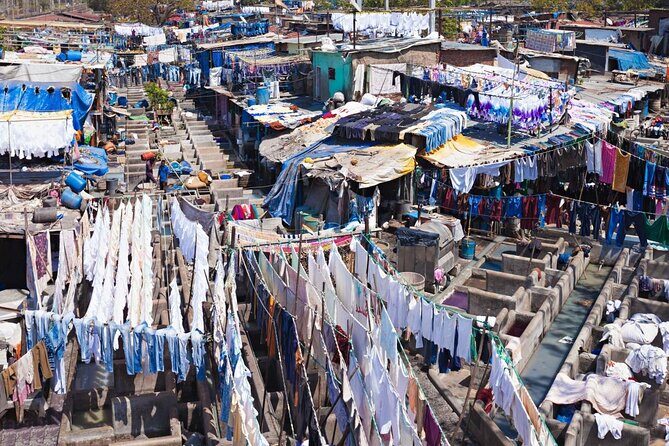
- Dhobi Ghat shows work, not just sightseeing: the open-air laundry system dates to 1890.
- The dabbawallas moment is practical: you’ll see how lunch delivery is organized from Churchgate for about 200,000 boxes a day.
- Banganga is the calm break: underground springs feed a holy tank used for prayers and rituals.
- Guides keep it light and helpful: Aarti is praised for being articulate and caring; Nikesh for jokes and patient answers.
Why a Public-Transport Mumbai Tour Works So Well
Mumbai can feel huge and confusing fast. This tour’s smart move is using public transport as the backbone, so your time goes toward understanding daily life instead of just being herded from one photo spot to another. You get to see how neighborhoods connect, and you learn what to look for beyond the obvious landmarks.
I also like that the day is structured like a story. You start with entertainment history at Regal Cinema, then shift to rail power at Chhatrapati Shivaji Maharaj Terminus, and then to labor and routine at Dhobi Ghat and Churchgate. By the time you reach Marine Drive and Banganga, you’re seeing a full rhythm of city life: work, movement, public services, and religious calm.
One more thing: public transport days reward good energy. If you’re the type who likes crowds and people-watching (the friendly kind), this fits. If you hate noise and standing, go in knowing you’ll spend time in busy areas and plan to pace yourself.
A few more Mumbai tours and experiences worth a look


The $50 Value: Free Entry Stops, Guide Time, and a Real Lunch Break
At $50 per person for about 6 hours, the value comes from three places: (1) you get an English-speaking guide for a long stretch, (2) the major stops include free admission tickets listed for each location, and (3) you’re not just touring—you’re also getting a guided family lunch.
Here’s what that means for you in practical terms. Free admission is a real savings when you’re hopping across multiple sights. Guide time matters in Mumbai because the details you’d otherwise miss—what a station means to the suburbs, why dhobis work in the open, how lunch delivery systems stay organized—are the whole point.
The lunch is not a random add-on either. Eating with the guide during the stop at Banganga gives you a natural pause. You can ask questions while you’re resting instead of saving them for the end of the day.
Your best bet for maximizing value: ask your guide to point out what you should notice at each stop. Guides like Aarti, Nikesh, and Anthony are specifically praised for clarity, humor, and patience with questions, which usually turns the trip from passive watching into active learning.
Starting at Ballard Pier: Getting Oriented Without Losing the Day
The meeting point is near Ballard Pier (Ballard Pier Mumbai / Alexandra Dock / Green Gate, Fort). The tour starts at 9:30 am and ends at Mani Bhavan Gandhi Sangrahalaya (Mani Bhavan, 19 Laburnum Rd, Babulnath, Gamdevi).
A good half-day tour needs an easy start, and this one aims for that by meeting near transit. Once you’re out and moving, the day keeps a steady rhythm, so you’re not spending hours stuck in planning mode.
If you’re traveling with family, morning timing helps. The first stops are relatively short, which means kids (and adults) don’t feel trapped in one long waiting stretch. It also helps you reach the calmer religious and garden areas before energy drops.
Practical tip: treat this as a walking-and-transit day. Even where the stops are 10 to 20 minutes, you’ll still move through station areas and public walkways. Wear footwear you don’t mind taking for a spin.
Regal Cinema to Chhatrapati Shivaji Maharaj Terminus: Film History Meets Rail Power
You begin at Regal Cinemas, one of Mumbai’s oldest movie theaters. The time here is about 10 minutes, and it works best as a quick starter: it sets the tone that Mumbai’s culture isn’t only religious or historical buildings—it includes entertainment and public life.
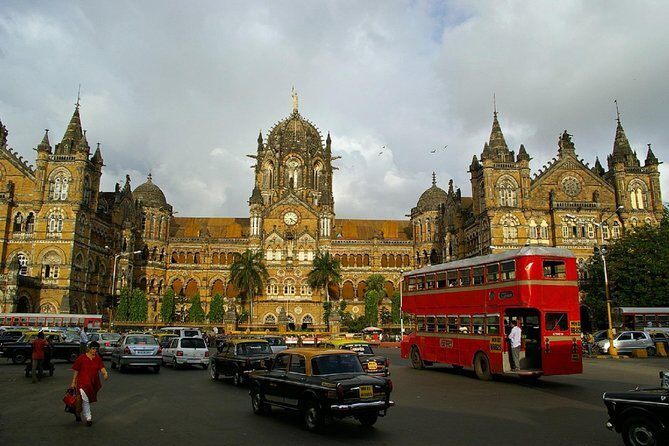
From there, you head to Chhatrapati Shivaji Maharaj Terminus, the centerpiece of the city’s suburban train network. The stop is about 20 minutes, and the point is not only the impressive high Gothic Victorian design. It’s what the station represents: the kind of place where movement and schedules shape daily routines for thousands of people.
What I like about this pair of stops is the contrast. Cinema connects to leisure and storytelling. The terminus connects to work and transit. You end up with a more honest feel for the city instead of a theme-park version of Mumbai.
Possible drawback: stations and transport hubs can be busy and noisy. If your group needs a quieter moment immediately, you might want to use the short time at Regal Cinema to do a calm reset before moving into the busier transit area.
Dhobi Ghat and Churchgate: Laundry Work and the Lunchbox Delivery System
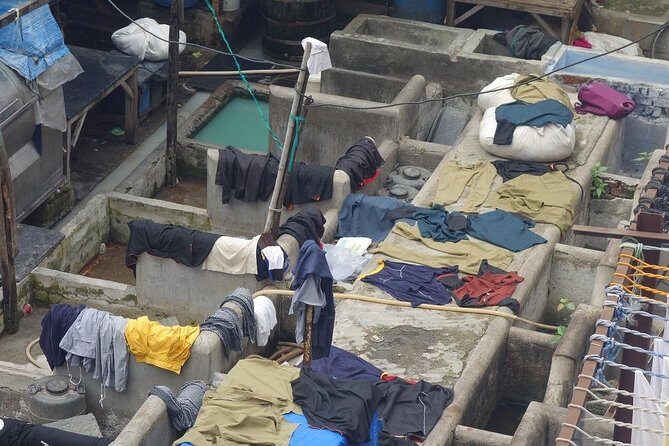
This is one of the most interesting parts of the whole tour because it’s about systems. Dhobi Ghat is an open-air laundromat where dhobis work in the open to clean clothes and linens from Mumbai’s hotels and hospitals. It was constructed in 1890. You get about 20 minutes here, which is enough time to understand the concept and watch how the work happens in public rather than hidden behind walls.
Then you move to Churchgate Railway Station, about 15 minutes. This stop is all about the dabbawallas, the lunchbox network. You’ll see how they organize delivery of 200,000 lunchboxes every single day. That number is huge, and it lands differently when you’re watching the movement of a station area rather than reading about it on a screen.
What makes these two stops click together is that they’re both behind-the-scenes city infrastructure. Dhobi Ghat keeps clothing and linens clean for major institutions. The lunchbox system keeps meals moving for office workers and families. Both are routine, both depend on organization, and both are visible if you know where to look.
One more practical note. The tour includes Dhobi Ghat in the default route, but there’s evidence the guide may adjust if your family has a specific preference. If you’d rather skip, ask early and keep an open mind about alternatives your guide might suggest.




Marine Drive to Banganga: The Sea Promenade and the Quiet Tank of Rituals
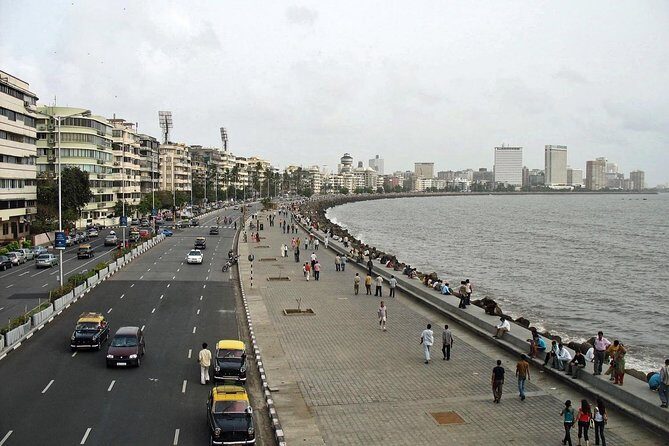
Next is Marine Drive, about 10 minutes. This is Mumbai’s famous boulevard, often called the Queen’s Necklace. The name fits the scene at night, but even in daytime it’s a great way to feel the scale of Mumbai’s coastline and how locals use the waterfront as a public space.
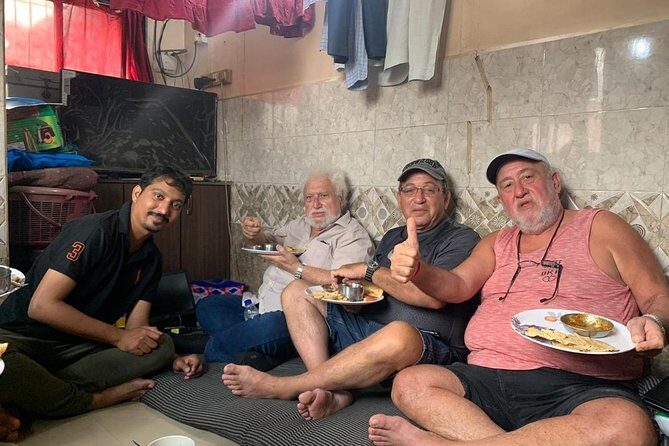
After that comes Banganga, with about 30 minutes on site plus your family lunch with the guide. Banganga is a holy tank filled by underground springs, used for rituals and prayers. People describe its solitude as the Ganges of Mumbai, which gives you an interesting mindset shift: you’re in a major city, yet you’re visiting a place built for quiet worship.
I like the lunch here because it breaks the tour in the right way. After transit and busy areas, you get a calmer moment tied to real religious practice. Your guide can also connect what you’ve seen earlier to this stop—for example, how Mumbai blends public work spaces and sacred spaces side by side.
What to plan for: this is a place of prayer. Even if you’re just there for sightseeing, you’ll want to be respectful with movement, voices, and photos.
Jain Temple and Hanging Gardens: Malabar Hill Views Without the Rushed Feel
The tour finishes with a strong two-stop combo on Malabar Hill.
First is a Jain Temple in the Walkeshwar Teen Batti area. The tour time is about 10 minutes, and the temple is described as built in 1904. It’s considered a tirth place of Mumbai, visited by Jain Deravas. Even in a short stop, you can appreciate why it’s a meaningful pilgrimage site for the Jain community.
Then you head to the Hanging Gardens, also known as Pherozeshah Mehta Gardens. You’ll have about 20 minutes here, with the gardens positioned on terraced levels at the top of Malabar Hill on the western side, opposite Kamala Nehru Park. This stop works as a breather after the temple area—more space to look around and take in the hilltop perspective.
The value of ending on gardens and viewpoints is that it gives your brain an off-ramp. Earlier you’ve been reading the city through stations, work, and worship. Now you get a scenic payoff without it being the only reason you came.
Small consideration: hilltop areas can feel hotter if the day turns sunny. If your group is sensitive to heat, bring water and plan for short rests between stops.
Guides, Safety, and Flexibility That Actually Helps
A great Mumbai tour can fail in two ways: the guide talks over your head, or the route becomes stressful when plans change. This experience stands out for keeping things understandable and for maintaining a sense of safety.
In the feedback, Aarti is described as extremely articulate and very caring. Nikesh is praised for being knowledgeable about the area, using jokes to keep the mood light, and answering questions fully. Anthony is also noted for being patient with questions and making people feel safe even in crowded areas. Put simply, you’re more likely to feel in control of your day, not stuck following someone at full speed.
Flexibility is another real win. One family group didn’t want to go to Dhobi Ghat, and the guide took them elsewhere. So if you have kids who get restless or a group member who needs a different pace, it’s worth telling your guide what matters early.
If you want the best experience, go with the mindset of learning city routine. Ask what you should notice at each stop—how people behave, what the place is used for daily, and why it exists where it does. That turns the whole 6 hours from sightseeing into a practical city lesson.
Should You Book This Mumbai Public-Transport Sightseeing Tour?
I’d recommend booking this tour if you want Mumbai that feels real: transit stations, working systems like open-air laundry, and the lunchbox network that runs on schedule. The combination of public transport, multiple landmark stops with free entry, and a guided family lunch makes it strong value for $50.
Book it if:
- you enjoy learning how the city runs day to day
- you want an English-speaking guide to translate what you’re seeing
- you’re traveling with family and want built-in breaks, including lunch at Banganga
Skip or rethink it if:
- your group hates crowds and standing for short periods
- you’re looking for a purely relaxing tour with minimal movement
If you do book, one smart move: wear comfortable shoes, keep water handy, and tell your guide early what your family’s energy level is. That’s how you’ll get the most out of a day that’s designed around daily Mumbai life.
FAQ
How long is the Mumbai Sightseeing Tour by Public Transport?
It lasts about 6 hours.
What time does the tour start?
The start time is 9:30 am.
Where do we meet and where does the tour end?
The meeting point is near Ballard Pier in Fort, Mumbai (Ballard Pier Mumbai / Alexandra Dock / Green Gate). The tour ends at Mani Bhavan Gandhi Sangrahalaya in Babulnath, Gamdevi.
Does the tour include pickup?
Pickup is offered.
Is there an English-speaking guide, and do you use public transport?
Yes. The tour includes an English speaking guide and uses public transport.
Is lunch included, and where do we have it?
Yes. You have a family lunch with the guide at Banganga.
Are admission tickets included for the stops?
Yes. Admission tickets are listed as free for each stop on the route.
Is the tour private?
Yes. It is a private tour/activity, meaning only your group participates.
Is free cancellation available?
Yes. You can cancel for free up to 24 hours in advance for a full refund.