Mumbai’s Jewish landmarks tell one story. This 7-hour Jewish heritage tour of Mumbai pairs Sassoon Docks with several major synagogues, and it is the stories that make the route feel personal, not like a checklist. I especially liked the blue look inside Kenneseth Eliyahoo Synagogue and the way you get a practical sense of the neighborhood from the David Sassoon Library viewpoint. One thing to keep in mind: if you want very deep detail on every topic, you may wish your guide went even further.
The tour runs with hotel and port pickup and drop-off, capped at 16 travelers, so it stays manageable for photo stops and questions. Dress code is formal, admission is listed as free, and lunch is not included, so plan around that for a smooth day.
In This Review
- Key highlights I’d plan around
- Sassoon Docks sets the tone for Jewish Mumbai
- Kenneseth Eliyahoo Synagogue: blue interior, books, and calm
- David Sassoon Library deck: Fort District views that help you orient
- Shaar Harahamim (Gate of Mercy): built in 1796 and still active
- Magen David Synagogue and the Sassoon Children’s school
- The drive-by landmarks: Victoria Terminus, Crawford Market, Dhobi Ghat
- The guide’s role: clear explanations, and how to get more detail
- Price and value: what $135 buys you in 7 hours
- Practical stuff that actually matters in Mumbai
- Who this tour is best for
- Should you book this Jewish heritage tour of Mumbai?
- FAQ
- What time does the Jewish heritage tour of Mumbai start?
- How long is the tour?
- What sites are included?
- Is lunch included in the price?
- What is the group size?
- Is pickup included?
- Is there an admission fee?
- What is the dress code?
Key highlights I’d plan around
- Sassoon Docks first: see a working fishing dock area tied to India’s seafood supply.
- Kenneseth Eliyahoo Synagogue’s blue interiors and exteriors: a striking change of pace from the street.
- Books and Jewish culture at the synagogue: you can browse Jewish culture publications on-site.
- David Sassoon Library deck views: you’ll look out over the Fort District of Mumbai.
- Shaar Harahamim (Gate of Mercy): built in 1796 and described as Mumbai’s oldest synagogue.
- Magen David Synagogue plus Sassoon Children’s school: the tour connects heritage to community life.
Sassoon Docks sets the tone for Jewish Mumbai
If you only do one thing right, start with Sassoon Docks. The tour places you in a dock and fishing boat village atmosphere right away, where the rhythm of the waterfront feels real and current. You’ll also hear that Sassoon Docks is where 40% of India’s fish are caught, which gives your day an immediate sense of scale.
This matters because it stops the tour from becoming only architectural sightseeing. You’re not just looking at buildings; you’re seeing the kind of city geography that shapes daily life—trade, jobs, and how communities cluster near work.
You can also read our reviews of more historical tours in Mumbai

Kenneseth Eliyahoo Synagogue: blue interior, books, and calm
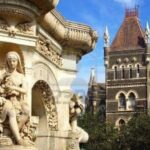
Next comes Kenneseth Eliyahoo Synagogue, and yes, it is visually memorable. The synagogue is known for incredible blue interior and exterior design, and the color gives you a strong visual anchor after the busy dock area. It is a good stop for photos, but also for slowing down—synagogues reward quiet attention.
What I liked most is that the experience includes Jewish culture books for sale at the site. That is practical: you can pick up something that matches what you’re hearing from your guide, then keep learning later back in your hotel.
Possible drawback? If you rush your time or only focus on pictures, you can miss the context that turns a beautiful interior into a meaningful place. I’d treat this as a moment to absorb rather than a quick photo sprint.
David Sassoon Library deck: Fort District views that help you orient
From there, you head to David Sassoon Library, where the highlight is the deck view. You get a great perspective over the Fort District of Mumbai, and that viewpoint does more than look pretty. It helps you understand why the area developed the way it did and how different parts of the city relate to each other.
This stop is great on a practical level. When your earlier sights are close together and your streets start blending, a wider view helps your brain map the day. You’ll likely feel more confident navigating Mumbai afterward.
Shaar Harahamim (Gate of Mercy): built in 1796 and still active
Shaar Harahamim, also called the Gate of Mercy Synagogue, is built in 1796, and the tour frames it as Mumbai’s oldest synagogue. That age changes how you experience the space: you’re not only admiring design, you’re witnessing endurance.
This is also a moment where the guide’s storytelling becomes important. Even if you already know some Jewish history, hearing specific connections tied to Mumbai helps the details land in a real place rather than staying abstract. I recommend keeping a mental checklist for questions here—age, community continuity, and how places like this operate as more than monuments.
One consideration: since the tour is 7 hours total and includes multiple stops, you might not get the longest time inside each building. If you are the type who wants deep reading time, focus on the one stop where you feel most curious and be ready to ask follow-up questions.
Magen David Synagogue and the Sassoon Children’s school
The tour then moves to Magen David Synagogue, and it also includes the Sassoon Children’s school. I like that this section connects heritage with people, not just places. A school setting reminds you that culture is passed forward through daily life—education, community, and routine.
If you care about how communities stay connected, this pairing is a good signpost. It takes you beyond architecture and into the idea of continuity, where faith and identity keep functioning through institutions.
Photo note: if photography is allowed inside, take a quick set and then shift to listening. The tour works best when you treat each stop as a story beat.




The drive-by landmarks: Victoria Terminus, Crawford Market, Dhobi Ghat
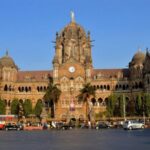
Between synagogue visits, you’ll drive past some iconic Mumbai landmarks. These include Victoria Terminus (noted for its striking Saracenic style), Crawford Market, and Dhobi Ghat.
This part is useful even if you have limited time. A drive-by gives you fast orientation for first-time Mumbai visitors, and it helps you picture what you’ll want to return to later. Just remember: drive-bys are for context. If you want to linger, you’ll need another outing on your own.
If you hate sitting in traffic, this section can feel like filler. The good news is that it comes alongside religious and cultural stops, so the day does not feel only like urban transit.
The guide’s role: clear explanations, and how to get more detail
The tour is led by a professional guide, and you can expect explanations that make the stops easier to understand. One key review point is that the guide knows how to explain, which is exactly what you want on a heritage route with multiple sites.
Still, there is also a request that the guide provide more information. I take that as a hint for you: go in with one or two topics you care about—architecture, community connections, or how these sites fit into modern Mumbai—and ask a direct question early. For example, you can ask which part of the synagogue design matters most and why, or what a particular site’s role has been over time.
That simple strategy usually turns a good tour into a great one, without needing the guide to guess what you want.
Price and value: what $135 buys you in 7 hours
At $135 per person, this is not a budget half-day. The value comes from the full package: professional guiding, all taxes and fees, and hotel/port pickup and drop-off.
The day is also well-sized for one afternoon—about 7 hours—so you can fit it alongside other sightseeing in Mumbai without losing a whole day. Admission is listed as free, which helps keep the out-of-pocket costs predictable.
What’s not included is lunch. That means the real cost of the trip depends on your meal plan. If you budget for lunch near your morning route, the price feels easier to swallow. If you wait until you’re hungry, you might end up paying more for convenience.
Practical stuff that actually matters in Mumbai
Start time is 8:30 am, and the tour is designed to run for about 7 hours. Because pickup is included (both hotel and port), you save time arranging transport and you reduce the chance of starting late.
Dress code is formal. That doesn’t mean you need a full suit, but it does mean plan clothes that look appropriate for synagogue interiors. Also, you’ll be near public transportation, which is reassuring if you want to get back to town on your own before or after.
Group size is capped at a maximum of 16 travelers. That often leads to smoother movement between stops and gives you a better chance to ask questions without feeling rushed.
Who this tour is best for
I’d book this if you want a structured day focused on Jewish heritage in Mumbai, with a strong mix of places: docks, synagogues, and community institutions like a children’s school. It is also a nice fit if you like guided storytelling and want help connecting what you see to what it means.
You might reconsider if you:
- Prefer a slower pace with more time inside each site
- Want a lunch included in the price
- Don’t enjoy formal dress requirements for worship spaces
Should you book this Jewish heritage tour of Mumbai?
Yes, I think it is a solid choice if you want one organized afternoon that covers several meaningful Jewish sites around Mumbai, plus a few big landmarks on the way. The combination of Sassoon Docks, Kenneseth Eliyahoo’s blue synagogue design, Shaar Harahamim’s 1796 age, and the Fort District viewpoint at David Sassoon Library makes the itinerary feel like more than a photo tour.
Book it if you’ll bring a curious mindset and ask for extra detail where you care most. If you want the deepest possible scholarship on every stop, you may need to pair the tour with extra reading afterward—but that is a great way to stretch the experience beyond one day.
FAQ
What time does the Jewish heritage tour of Mumbai start?
The tour starts at 8:30 am.
How long is the tour?
The duration is about 7 hours.
What sites are included?
You’ll visit Sassoon Docks, Kenneseth Eliyahoo Synagogue, David Sassoon Library, Shaar Harahamim (Gate of Mercy) Synagogue, Magen David Synagogue, and the Sassoon Children’s school. You’ll also drive past landmarks like Victoria Terminus, Crawford Market, and Dhobi Ghat.
Is lunch included in the price?
No. Lunch is not included.
What is the group size?
The tour has a maximum of 16 travelers.
Is pickup included?
Yes. Hotel pickup and drop-off are included, along with port pickup and drop-off.
Is there an admission fee?
Admission is listed as free.
What is the dress code?
The dress code is formal.