Punjabi food has a way of making you pay attention. In this private vegetarian Indian cooking class in Mumbai, you’ll cook Punjabi staples in a local home and then sit down to eat what you make. I like that the focus is practical, hands-on technique (especially roti/paratha), not just watching. I also like the comfort of it: Shilpa’s cooking set-up feels like real hospitality, with food, water, and a glass of local beer included.
One thing to consider: the menu is seasonal, so if there’s a specific dish you really want, message Shilpa in advance to line it up.
You’ll start near Five Gardens in Dadar East (at Indu Villa, Lady Jehangir Rd). The class runs about 2 hours, and you can choose lunchtime or dinnertime. It’s private, so it’s your group only, and it’s designed to be flexible if you need an earlier or later start.
In This Review
- Key things that make this Mumbai class special
- A Home-Style Punjabi Cooking Class in Mumbai’s Dadar East Area
- Who You Cook With: Shilpa’s Teaching Style and the Punjabi Focus
- The Hands-On Core: Roti or Paratha the Traditional Way
- Paneer Makhni and Dal: Getting the Flavor Right, Not Just Cooking Food
- Paneer makhni
- Dal
- How these dishes work together
- The Meal Itself: Eating What You Cook (Plus the Beer and the Hospitality)
- Seasonal Menus, Vegan Requests, and How to Get the Dish You Want
- Lunch vs Dinner: Picking the Right Time for Your Mood
- Price and Value: Does $53.34 Make Sense?
- Getting There: Meeting Point and What to Do Before You Arrive
- Who Should Book This Mumbai Cooking Class, and Who Might Skip It
- Tips to Make Your Cooking Class Better (Not Just Longer)
- Should You Book This Private Vegetarian Indian Cooking Class?
- FAQ
- What is the duration of the cooking class?
- Is this a private class or a group class?
- Can I choose between lunch and dinner?
- Is the menu vegetarian, and can it be vegan?
- What dishes will I learn to cook?
- Does the class include food and drinks?
- Is the cooking menu the same every time?
- Where does the class start?
- What is the cancellation policy?
Key things that make this Mumbai class special
- Shilpa teaches Punjabi vegetarian cooking from a real home setup, with plenty of step-by-step explanation
- You’ll learn roti or paratha the traditional way, then practice what you’re taught
- You’ll cook paneer makhni and dal, served with rice and Indian breads
- You can request a vegan menu (Shilpa does vegetarian by default, vegan on request)
- Expect a full sit-down meal, with flavor pairings explained so you understand what you’re eating
- Start time can be flexible if you coordinate via WhatsApp
A Home-Style Punjabi Cooking Class in Mumbai’s Dadar East Area
This isn’t a big show-kitchen. It’s a private lesson in a local home near Five Gardens in Dadar East, with the meeting point listed at Indu Villa (Plot no Five Garden, 602-C, Lady Jehangir Rd, Matunga East, Mumbai). That detail matters because it changes the vibe. You’re not fighting for space, and you’re not trying to follow a class through a wall of noise.
What you get instead is a small, lived-in setting where food is part of everyday life. Shilpa, the host and instructor, is from Punjab and shares her perspective on how people live and eat there. You’re not just learning recipes. You’re learning how Punjabis think about flavor combinations—what tastes work together, and why.
And yes, it’s vegetarian-only by design. If you want vegan, you can request it ahead of time. That keeps the experience straightforward: you’re cooking one focused style of food rather than a mixed menu that can be hard to adjust for dietary needs.
Practical tip: the address is specific, so save it and double-check directions. The class ends back at the meeting point, which makes the logistics easy.
You can also read our reviews of more private tours in Mumbai



Who You Cook With: Shilpa’s Teaching Style and the Punjabi Focus
Shilpa isn’t presenting food as a museum piece. She teaches it as a skill you can repeat at home. In practice, that means you’ll get careful guidance through each step, not just a quick overview.
A big part of the class is learning how Punjabi dishes are built: dough technique for flatbreads, spice control for gravies and lentils, and how to balance richness with acidity and heat. The goal is that when you’re finished, you know what to do next time without needing a cheat sheet.
From the way the class is described, you can also tell Shilpa values explanation. When you sit down to eat, she walks you through how the dishes are paired so each one tastes like itself. That makes the meal more than a victory lap. You’ll understand the logic behind the combinations, like why a tomato-forward sauce works with flatbreads, or why dal is cooked to be comforting rather than just spicy.
There’s also flexibility. If you want an early start or a later one, she’s willing to adjust, as long as you tell her in advance via WhatsApp. If you have allergies or specific preferences, you should share them ahead of time so the cooking plan can match your needs.
The Hands-On Core: Roti or Paratha the Traditional Way
If there’s one skill that feels like it travels well—meaning you can recreate it later—it’s roti or paratha. This class includes learning those flatbreads “the traditional way,” which is exactly what you want if you’ve ever struggled with dough that’s too sticky, too dry, or inconsistent.
Here’s what makes this part useful for your kitchen back home:
- Flatbread technique is repetition-based. Even in a short class, you’ll get the feel of how dough behaves and how rolling or shaping changes the final texture.
- You’ll learn the process in context, not alone. That matters because flatbreads are usually cooked to match what’s on the plate. You’re not making dough for dough’s sake.
In addition to learning one flatbread option, the class setup includes roti/paratha work with the meal that follows. Some classes have included making two kinds of flatbread, which is helpful if you want a comparison: different textures, different cooking cues, and different ways they pair with gravies and lentils.
What to watch for: timing. Flatbreads cook fast, so the kitchen rhythm matters. When you get the steps clearly explained, you can speed up confidence quickly. This is one of the reasons people tend to leave feeling they learned more than just recipes.
Paneer Makhni and Dal: Getting the Flavor Right, Not Just Cooking Food
Once the flatbread foundation is in place, the class moves into the heart of Punjabi comfort food: paneer makhni and dal.
Paneer makhni
You’ll learn how to cook paneer makhni, described as fresh cheese in tomato gravy. This combination is popular for a reason. Paneer brings a soft, mild richness, while the tomato gravy creates depth and a gentle tang that keeps the dish from feeling heavy.
In a practical class like this, the key learning is how to build and adjust the gravy while cooking. You’re not just following a list. You’re getting cues about flavor combinations, and Shilpa explains what combinations work best for each dish. If you love food that tastes layered but not complicated, this is a great dish to master.
You can also read our reviews of more cooking classes in Mumbai

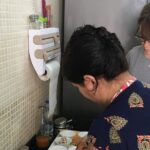

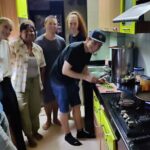
Dal
You’ll also learn dal (lentils). Dal is where Punjabi cooking balances comfort with flavor. It should taste satisfying, not thin and watery, and it should complement the rest of your plate.
Some past sessions have included a yellow dal along with other items, which reinforces a point: dal is a family of dishes. Once you learn the technique and the flavor logic, you can adapt it to other lentils later.
How these dishes work together
The class doesn’t stop at cooking. When you eat, Shilpa explains how each dish is paired. That’s important because Punjabi meals are built like systems. Flatbreads help scoop and soak. Gravy provides richness. Dal adds warmth. Rice ties the whole meal together.
If you’ve ever wondered why Indian thali-style plates feel so complete, this is where you’ll see the answer.
The Meal Itself: Eating What You Cook (Plus the Beer and the Hospitality)
The best classes end with a good meal, and this one is built that way. After cooking, you sit down to share what you made. Food and water are provided, and there’s also a glass of local beer included.
A quick note for your planning: alcohol is included, so if you don’t drink, you might want to confirm how the class handles that for your group. The good news is that even with the beer included, the core value is the food and the cooking instruction.
What makes the meal more memorable is the explanation. Shilpa doesn’t just let you eat and run. She talks through the pairing logic—how flavors are designed to complement each other. That kind of context turns dinner into a mini lesson you can feel.
Also, you’re eating in a local home environment, so it feels like hospitality rather than a staged performance. The class is described as Indian hospitality in a local home, and the tone from the cooking experience is exactly that: warm, conversational, and focused on teaching.
Bonus practical touch: the class is vegetarian-only, and vegan is available on request. That makes it easier for you to feel comfortable about what you’re eating and what you’re cooking.
Seasonal Menus, Vegan Requests, and How to Get the Dish You Want
Menu is seasonal, which is normal in a cooking class that uses fresh ingredients. The upside is that you’re cooking with what’s available and in season. The downside is simple: if you want a very specific dish, don’t assume it will automatically be on the menu.
The solution is right in the details: reach out to Shilpa in advance if you wish to learn something specific. The class also says Shilpa is flexible with start time if you coordinate early, so proactive planning tends to pay off.
Here’s what you can request based on the class information:
- Vegan menu on request
- Dietary restrictions and allergies: inform Shilpa in advance
- Preferences: share them ahead of time so the class can match your needs
Because the menu is seasonal, the exact lineup can shift. But the anchors of the class are consistent: roti/paratha technique, paneer makhni, and dal are core parts of what you learn and eat.
Lunch vs Dinner: Picking the Right Time for Your Mood
You can choose either a lunchtime or dinnertime workshop. That choice sounds small, but it changes how you’ll experience the meal.
- Lunch class: great if you want the rest of your afternoon free afterward. You’ll likely finish still feeling energized and not too late for planning other activities.
- Dinner class: ideal if you want the meal to be the highlight of your evening. You’ll probably leave the class ready for a calmer night after cooking and eating a full plate.
Since Shilpa offers flexibility with start times (if you message her via WhatsApp), you can align the session with your day and avoid awkward scheduling.
Practical move: if you’re also planning any other food stops in Mumbai, decide whether this class is going to be your main meal or part of a bigger eating plan. With a full sit-down meal included, it’s usually the main event.
Price and Value: Does $53.34 Make Sense?
The price is listed as $53.34 per person for a class lasting about 2 hours, in a private setting, with food, water, and a glass of local beer included.
Here’s how that value plays out in real life:
- You’re paying for instruction and technique, not just ingredients. Learning roti/paratha methods and understanding flavor pairing takes real guidance.
- You’re paying for the convenience of everything being handled: the meal is included, and you’re not paying separately for food during or after the class.
- You’re paying for the home setting and the fact it’s private (only your group participates). Private time matters when you want questions answered and cooking cues explained.
Is it cheaper than buying groceries and trying at home? Sure. But it’s rarely better as a learning shortcut. Cooking classes like this compress practice and explanation into a short time, which is what you want if you’re visiting Mumbai and don’t have weeks to trial different doughs and gravies.
If your priority is hands-on cooking plus a satisfying meal, the price looks fair. If your priority is pure sightseeing only, then it may feel more like a foodie detour than a must-do.
Getting There: Meeting Point and What to Do Before You Arrive
You’ll meet at Indu Villa, Plot no Five Garden, 602-C, Lady Jehangir Rd, Matunga East, Mumbai, Maharashtra 400019. The class ends back at the meeting point.
Because the location is near public transportation, it’s easier to fit into a day than a class that requires a special driver. Still, Mumbai can be traffic-heavy, so give yourself a small buffer and confirm directions the day before.
Before you go, do two simple things:
- Message Shilpa with any dish requests or dietary needs (vegan option is available on request)
- Tell her about allergies or restrictions so the cooking plan can adjust
This class is small and personal. That means the more you communicate upfront, the better the experience tends to match what you want.
Who Should Book This Mumbai Cooking Class, and Who Might Skip It
This experience is a strong match if you:
- Want a Punjabi vegetarian cooking lesson with hands-on teaching
- Like learning techniques you can recreate at home, especially flatbread
- Are excited to cook paneer makhni and dal and then understand how they’re meant to pair
- Prefer eating in a local home environment instead of a restaurant class vibe
You might not choose it if:
- You want a broad tour of multiple cuisines instead of one focused Punjabi menu
- You hate vegetarian meals or strongly avoid any alcohol included with the class (a glass of local beer is part of what’s provided)
The class also suits food lovers who enjoy conversation. The teaching style includes detailed explanations through the process, and the experience is described as generous and warm.
Tips to Make Your Cooking Class Better (Not Just Longer)
To get the most from your time, treat this like a skill workshop, not a casual snack stop.
- Ask for clarification as you cook. If you’re not sure why something is added at a certain moment, ask. The class is designed around step-by-step explanation.
- Pay attention to dough texture cues. Flatbread success often comes down to small signals you learn by watching and feeling.
- Tell Shilpa your goals ahead of time. If you want a specific dish, request it in advance since the menu is seasonal.
- If vegan matters, request it early. The class can do a complete vegan meal on request, but it needs planning.
Also, bring a curious mindset. Shilpa isn’t only teaching recipes. She shares how Punjabi food connects to culture and lifestyle across Punjab.
Should You Book This Private Vegetarian Indian Cooking Class?
Book it if you want a real cooking lesson with clear technique, a full sit-down meal, and a warm home-style experience in Mumbai. The value is strongest when you care about learning how Punjabi vegetarian food is actually made—especially roti/paratha plus paneer makhni and dal.
Don’t book it if you’re looking for a broad sightseeing itinerary or you’re not interested in cooking and eating a vegetarian meal as the main event.
If you do book, send your dish requests and dietary notes ahead of time. That one move helps ensure the seasonal menu lines up with what you want to learn.
FAQ
What is the duration of the cooking class?
The class lasts about 2 hours.
Is this a private class or a group class?
It’s private. Only your group will participate.
Can I choose between lunch and dinner?
Yes. You can choose between lunchtime and dinnertime workshops.
Is the menu vegetarian, and can it be vegan?
Shilpa offers only vegetarian food. A complete vegan meal is available on request.
What dishes will I learn to cook?
You’ll learn to make roti or paratha (flatbread), paneer makhni (fresh cheese in tomato gravy), and dal (lentils), which you eat with rice and Indian breads.
Does the class include food and drinks?
Yes. Food and water are provided, and there is also a glass of local beer included.
Is the cooking menu the same every time?
The menu is seasonal. If you want to learn something specific, contact Shilpa in advance.
Where does the class start?
You’ll meet at Indu Villa, Plot no Five Garden, 602-C, Lady Jehangir Rd, Matunga East, Mumbai, Maharashtra 400019.
What is the cancellation policy?
Free cancellation is available. You can cancel up to 24 hours in advance for a full refund.