REVIEW · MUMBAI
Mumbai (Malabar District) Self-Guided Tour
Book on Viator →Operated by Explorial · Bookable on Viator
Riddles turn Mumbai into a game. This self-guided walking tour turns sightseeing into a phone-based scavenger hunt, and I like the way the app prompts you to solve clues on-site in English. You also get photo tasks that can earn points, which makes even a short walk feel like an active adventure. One thing to consider: the route can feel a bit longer than expected, so bring comfortable shoes and plan for some wandering.
You’ll start on Malabar Hill at Khadija Tayyabji Road 1 (Simla Nagar area) and loop back to the same meeting point when you finish. Along the way, you’ll work through stops like Babulnath Temple, Hanging Gardens, and the Girgaon area, using hints and a map inside the app to keep you moving.
The big win is flexibility. The activity isn’t locked to a strict schedule, so you can take breaks and move at your own pace. If you’re the type who enjoys learning by noticing details on signs and pictures, this style of tour fits nicely.
In This Review
- Key Highlights at a Glance
- How the Explorial App Turns a Walk into a Puzzle Trail
- Starting on Malabar Hill: Where You Begin and How Long It Takes
- Stop 1: Babulnath Temple Clues That Get You Noticing Details
- Stop 2: Hanging Gardens for Views, Questions, and Photo Challenges
- Stop 3: Girgaon and the Learning Mix of Religion, Food, and Festivals
- The Walk Itself: Pace, Breaks, and Not Getting Lost
- Value for $7.90: Why This Small Price Can Still Feel Like a Full Experience
- Who Should Book the Malabar District Hunt (and Who Might Prefer Something Else)
- Should You Book the Mumbai Malabar District Self-Guided Tour?
- FAQ
- What kind of experience is this?
- What is the tour duration?
- Is the tour timed?
- Where do you start and where does it end?
- How do I start after booking?
- Is it available in English?
- Is this a private activity?
- Do I get a refund if I cancel?
- Is it suitable for most people?
Key Highlights at a Glance

- Self-guided with an app: you use hints, a map function, and an access code to follow your route
- Clues tied to real places: questions often point you to information on-site (signs and images)
- Photo tasks with points: you’ll be asked to get creative, not just read trivia
- Babulnath Temple to Hanging Gardens to Girgaon: a compact route through well-known spots
- Flexible timing: not limited in time, with an average tour length of about 1–2 hours
How the Explorial App Turns a Walk into a Puzzle Trail
This tour is designed as a hybrid: walking tour plus scavenger hunt, controlled by your smartphone. After you book, you get an access code, then you download the Explorial app and start from the meeting point. The whole thing runs in English, which makes it a lot less stressful if you’re working through local sights for the first time.
What makes it work is the task mix. You’re not just asked to find a place by name. You solve different types of prompts: follow hints to reach key sights, answer questions once you arrive, and do occasional photo challenges that reward creativity with points. That means you’re repeatedly using your eyes and attention, which is honestly how you learn a city faster.
The questions are built around what you can see around you, like signs and pictures. That’s a better method than random facts you might forget later. You’ll likely find yourself pausing more often than you would on a typical walk, which is a good thing in a big city like Mumbai where the details matter.
You can also read our reviews of more guided tours in Mumbai


Starting on Malabar Hill: Where You Begin and How Long It Takes

Your starting point is Khadija Tayyabji Road 1 in the Malabar Hill / Simla Nagar area, and the tour ends back at the meeting point. That loop style is helpful. You don’t have to worry about figuring out how to get “back to where you left off” after you’re done.
Timing is listed as about 2 hours approximate, but the average duration is closer to 1–2 hours. The experience isn’t time-limited, so if you want to pause for chai, take photos, or slow down at a viewpoint, you can. The hours are shown as 12:00 AM to 11:30 PM, which suggests you can slot this into a day in a lot of ways.
One practical tip: this kind of trail can feel longer than you expect because you’re stopping often to read, think, and complete tasks. Comfortable shoes matter here, and so does a charged phone. If your battery is shaky, bring a small power bank.
Stop 1: Babulnath Temple Clues That Get You Noticing Details
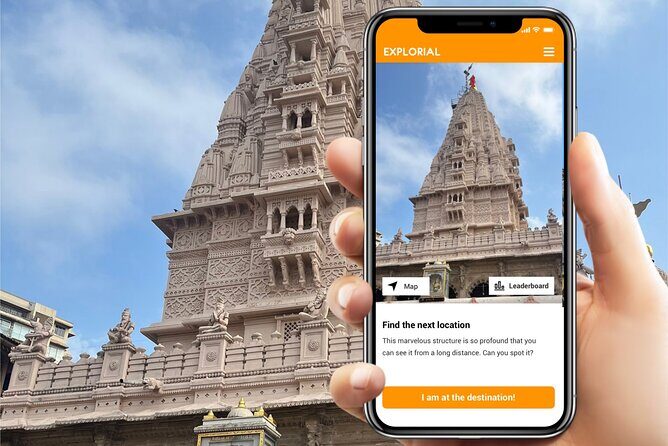
You begin at Babulnath Temple, and the tour uses this first stop to get you into the rhythm of the game. You’ll use hints to confirm you’re at the right place, then answer questions that are usually hidden in what’s around you, like signs or images.
I like this approach because it turns a landmark visit into an observation exercise. You’re training your attention on the temple environment instead of only trying to capture a photo from the first angle you see. It also helps if you don’t know much about local religious architecture yet. The tour doesn’t ask you to come in with knowledge; it nudges you to find clues in front of you.
Potential drawback: if you’re rushing, the questions can slow you down. But that’s kind of the point. This stop works best when you give yourself a little time to look around before you move on.
Stop 2: Hanging Gardens for Views, Questions, and Photo Challenges
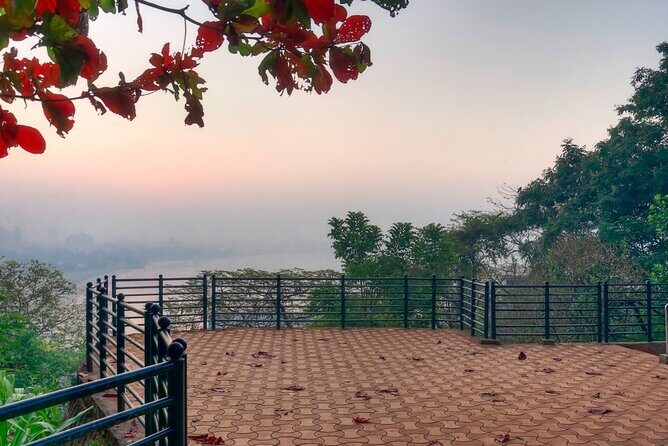
Next is Hanging Gardens, a named stop that naturally supports the tour’s “look up and look around” style. Expect more app-guided tasks: you’ll reach the area using hints and map support, answer questions based on what you find on-site, and complete at least one task that involves photos.
The photo tasks are where the experience often becomes memorable. One of the best review themes is that the clues are challenging but not impossible, and the route feels like you’re discovering places you didn’t know existed. Even if you’re traveling solo, those camera prompts can make you slow down, reframe a scene, and notice small moments you’d otherwise ignore.
For this stop, pace matters. If you’re chasing the next clue too fast, you may miss the visual opportunities that Hanging Gardens typically offers. If you take your time for one good shot and one calm pause, you’ll get more out of it than just completing the assignment and moving on.
Stop 3: Girgaon and the Learning Mix of Religion, Food, and Festivals
Your route continues toward Girgaon, which the tour experience frames as more than just another point on a list. One of the standout benefits is the mix of topics the questions can cover. In addition to monuments and religion, the experience can connect to things like food and festivals.
That matters because Mumbai isn’t only a collection of buildings. It’s also daily life, and your understanding gets better when a tour nudges you to notice how people live around religious and public spaces. The Girgaon segment can feel like a shift from “landmark mode” to “neighborhood mode,” especially if you slow down long enough to read the questions carefully before you answer.
The tour style also works well for first-timers. If it’s your first trip to India, this format can give you structure without making you feel like you need a lecture. You’re learning by solving, not by memorizing.
A few more Mumbai tours and experiences worth a look

The Walk Itself: Pace, Breaks, and Not Getting Lost
This is a self-guided walking tour, so your experience depends on how you use the app. The app includes a map function to help you get from stop to stop, and hints help you confirm the right location. Because it’s self-guided, you’re not tied to a group schedule, and you can take breaks when you want them.
Here’s the balance to aim for: don’t speed-run the clues, and don’t drift so long that you lose the thread. If you’re the kind of traveler who likes to browse, treat the tour like a framework. Follow the route, then spend extra time only where the questions lead you to pay attention.
Also, plan for the fact that you’re walking in Mumbai. Even when a route is short on paper, clue stops can add up. I’d rather you show up with a couple hours of flexible energy than plan to be somewhere else immediately after you finish.
Value for $7.90: Why This Small Price Can Still Feel Like a Full Experience
At $7.90 per person for a roughly 1–2 hour activity, this is the kind of option that works when you want more than a passive sightseeing loop. The value is not just the route. It’s the way the tour actively engages you: you answer questions, earn points through photo tasks, and learn details from what’s physically around you.
One reason it feels like a bargain is that it’s built to be replayable for your attention. You’re not just looking at landmarks; you’re participating. That helps with retention. Even on a short outing, you tend to remember things you had to find or figure out yourself.
There’s also a practical value in the “you’re in control” design. The tour isn’t limited in time, and it’s private for your group. That means you aren’t stuck waiting around if your day is flexible—or if your group moves at a different pace than a standard guided tour.
Who Should Book the Malabar District Hunt (and Who Might Prefer Something Else)
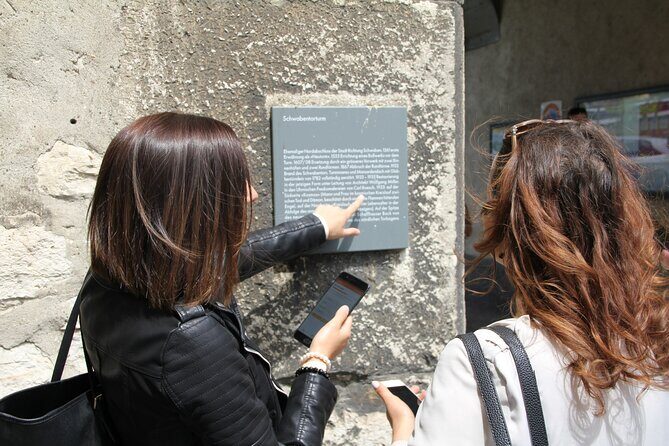
This works especially well if you want a fun, low-cost city experience with structure. It’s great for couples, friends, and families who want to spend time together while learning. One of the strongest themes from the experience feedback is that it’s a good family-friendly way to do something together, with questions that teach you about historical events and culture along the route.
If you’re traveling with kids, the photo tasks and puzzles can help keep momentum. If you’re solo, the clue challenges can help you feel oriented in a big city without having to constantly ask questions.
You might prefer a traditional guided tour instead if you want deep explanations at each stop. This format is designed for clues and discovery, not lengthy narration. Also, if you hate interactive tasks on your phone, you may find the experience more work than you’re looking for.
Should You Book the Mumbai Malabar District Self-Guided Tour?
Book it if you want a creative way to see Babulnath Temple, Hanging Gardens, and Girgaon without spending big money. I’d also book it if you like puzzle-style learning, enjoy taking photos as part of the activity, and want a flexible outing you can stretch with breaks.
Skip it if you’re craving a tightly guided, talk-every-minute tour with lots of historical context delivered by a person. This experience gives learning through the environment and the app’s prompts, so it’s more for self-directed curiosity than for lecture-style travel.
If you do book, go in with two expectations: your route will include thinking time, and your shoes should be comfortable. If you’re good with that, you’re likely to have a genuinely fun way to see this part of Mumbai.
FAQ
What kind of experience is this?
It’s a self-guided walking tour and scavenger hunt. You solve riddles and clues that lead you to the next location using a smartphone app.
What is the tour duration?
The tour lasts on average about 1–2 hours, and it’s listed as 2 hours approximately.
Is the tour timed?
No. The experience is not limited in time, so you can explore at your own pace and take breaks.
Where do you start and where does it end?
You start at Khadija Tayyabji Road 1 in the Simla Nagar / Malabar Hill area, and the tour ends back at the same meeting point.
How do I start after booking?
After purchase, you receive an access code that you use in the Explorial app. Then you go to the starting point and begin the game.
Is it available in English?
Yes, the experience is offered in English.
Is this a private activity?
Yes. It’s listed as private, meaning only your group participates.
Do I get a refund if I cancel?
Yes. Cancellation is free, and you can cancel up to 24 hours in advance for a full refund. If you cancel less than 24 hours before the start time, the amount paid is not refunded.
Is it suitable for most people?
It’s listed as suitable for most travelers. Service animals are allowed, and it’s near public transportation.