REVIEW · MUMBAI
Mumbai: Elephanta Caves Half-Day Guided Tour with Expert
Book on GetYourGuide →Operated by Amaze Tours · Bookable on GetYourGuide
Elephanta Caves feel like walking into stone myth. You’ll get skip-the-line access plus an expert guide who explains what the sculptures mean, especially the three-headed Shiva that anchors the visit. One thing to plan for: you’re climbing 120 steps, so it’s not a good fit if you have back issues or mobility limits.
I like how the day runs on rails (almost literally): a ferry ride over from Mumbai, a guided walk through the caves, then an easy return by ferry. It’s long enough to feel like a real outing (about 1.5 hours at the caves) but short enough that you’re back in the city the same day—though monsoon weather can slow or even cancel ferries, so build in a little flexibility.
In This Review
- Key points to know before you go
- Elephanta Caves: UNESCO carvings, big myths, and real photo moments
- How the ferry ride shapes the whole experience
- The 120-step climb: what to expect on the plateau approach
- Visiting the seven excavation sites through three caves
- Inside the main cave hall: pillars and 6th-century architecture
- Toy train on Elephanta Island: included, but use it for pacing
- Return to Mumbai: ferry timing and drop-off convenience
- What you’re really paying for: value of the $30 price
- Who should book this tour, and who should reconsider
- Tips for a smoother Elephanta day: shoes, sun, and monsoon reality
- Should you book Elephanta Caves with this guided half-day tour?
- FAQ
- How long is the Elephanta Caves half-day guided tour?
- What’s included in the price?
- Are the Elephanta Caves open every day?
- Do I need to buy entrance tickets or ferry tickets separately?
- What should I bring to the tour?
- Is the tour suitable for people with mobility issues?
- Is luggage allowed?
Key points to know before you go
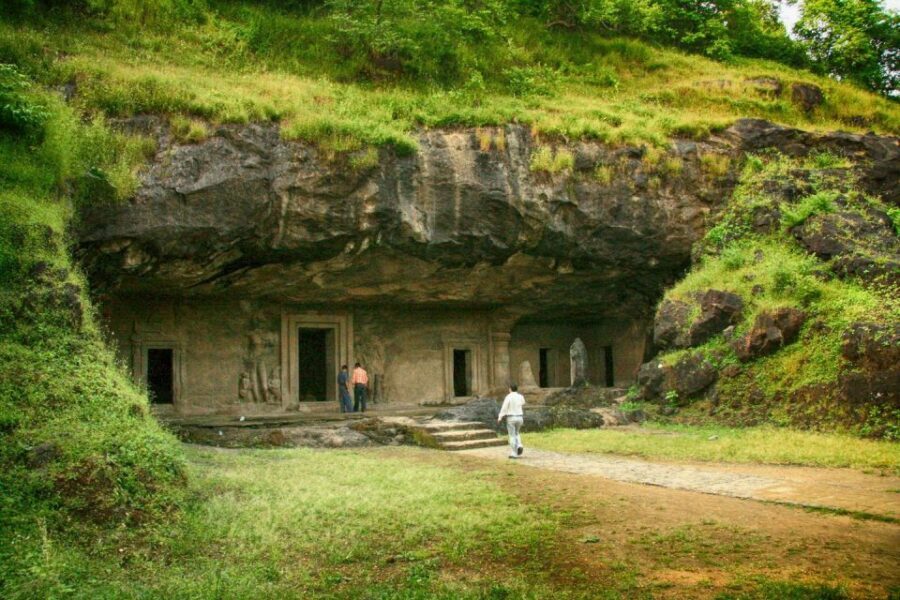
- Skip-the-line entry saves time at the caves.
- Guides connect art to meaning, from Hindu gods to Buddhist themes.
- You see 3 caves out of the site’s major excavation areas.
- Expect a 120-step climb to reach the plateau.
- Toy train time on Elephanta Island is included.
- Ferries run from Mumbai and the return is by ferry to your drop-off area.
Elephanta Caves: UNESCO carvings, big myths, and real photo moments
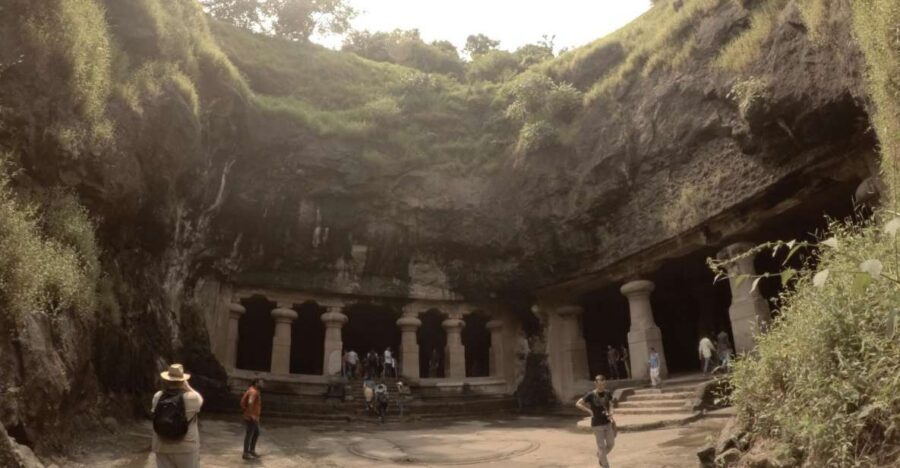
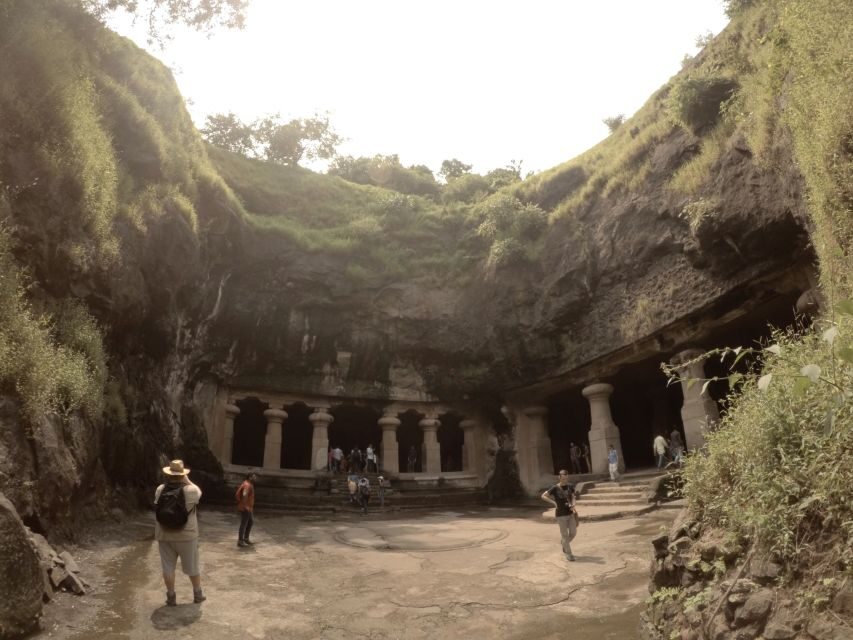
If you’re hoping for a “wow, that’s old” stop near Mumbai, Elephanta delivers. These caves are carved straight out of solid basalt, and the result is dramatic: vast interiors, huge pillars, and wall sculptures that still look sharp and intentional after centuries.
The best part for me is the way the guide turns the carvings into stories you can actually hold onto. When someone explains how the Hindu and Buddhist elements sit side by side in this place, it stops being just pretty stone. Guides I’ve seen highlighted here—like Harish, Dave, Krupesh, and Nitin—often pace the tour so you’re not just staring; you’re understanding.
One practical note up front: you’ll spend real time walking, including that climb to the caves. Comfortable shoes matter more than fancy shoes.
You can also read our reviews of more guided tours in Mumbai


How the ferry ride shapes the whole experience
This is a half-day trip, but it starts like a mini getaway. You’ll take a ferry from Mumbai to Elephanta, with about an hour on the water each way. That ride isn’t just transportation—it’s a mental reset. You’re leaving the city’s noise and moving toward a quieter, older world.
The docks can be busy, so having your group and guide help you get through the flow faster is a plus. You also avoid the moment where you’re trying to figure out which line is the right line when everyone around you seems to know the system already.
If you’re traveling during June–September monsoon, treat the ferry as “likely, unless weather says no.” Heavy rain, strong winds, and high tides can delay or cancel boats. If that happens, full refunds are available if the tour is canceled—but if you’re trying to squeeze it into a tight schedule, give yourself buffer time.
The 120-step climb: what to expect on the plateau approach

Once you arrive on Elephanta Island, the route to the cave complex includes a climb of about 120 steps to the plateau where the caves can be entered. This is the part that most affects comfort and pacing.
Here’s how I’d think about it:
- If you’re in decent walking shape, it’s manageable, and you’ll likely feel energized when you reach the plateau.
- If you’re carrying too much (or your shoes aren’t grippy), it can feel longer than you expect, because you’re mixing stairs with anticipation.
Bring comfortable shoes, and do yourself a favor with sun protection too—sunglasses and a hat are listed for a reason. You’ll also want a light, hands-free setup because luggage or large bags aren’t allowed.
If you’re with kids or anyone who needs extra time, plan to go slower. One guide style mentioned here—like Harish—was praised for being patient, even when someone had a pram and needed extra time.
Visiting the seven excavation sites through three caves
Elephanta is sometimes described as if you’ll see everything at once, but the site is bigger than a single visit. The tour focuses on major excavation areas, and you’ll explore 3 caves with a guide while learning about the seven major excavation sites.
Why this matters: you don’t just get a hit-and-run glance. You get a guided route that chooses the most understandable highlights—places where the symbolism is easiest to follow and the structures are most striking.
The caves you’ll focus on include:
- A large Hindu cave
- A Buddhist cave
- A Shiva-dedicated cave with the famous three-headed Shiva sculpture
Each cave has its own “story engine.” The Hindu cave tends to help you read the iconography and myth-language, the Buddhist cave helps you understand the religious ideas expressed through form, and the Shiva cave gives you the centerpiece that most people come for.
Inside the main cave hall: pillars and 6th-century architecture
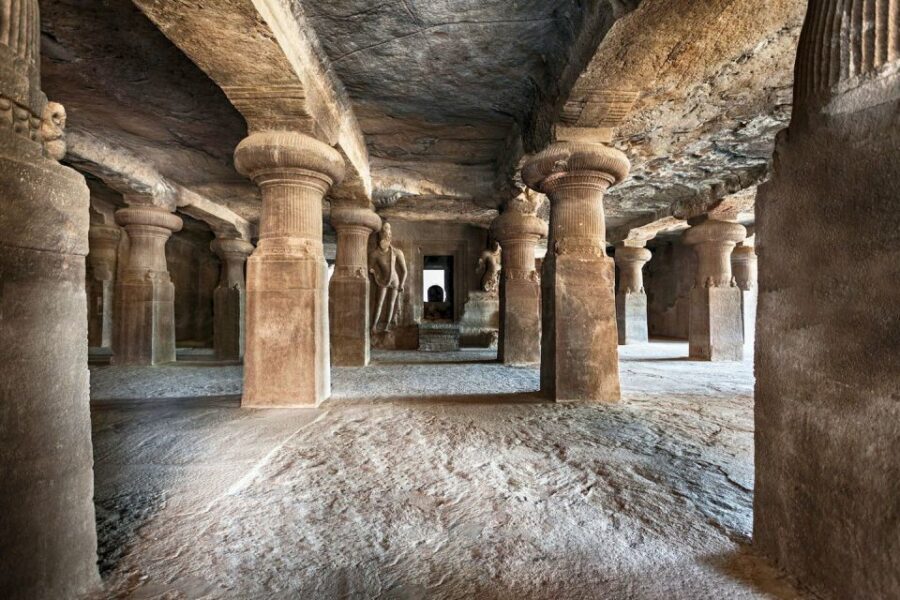
At some point, you’ll reach the hall that people remember. The tour includes time in a space described as a masterpiece of 6th-century architecture, supported by huge pillars.
This is one of those moments where scale does the talking. In a normal building you’d compare ceilings and columns, but here the whole structure is carved from stone. The effect is different: instead of a room you enter, it feels like a carved world you step into.
What I like about having a guide here is simple. Without context, you can still admire the pillars and carvings—but you might not know what you’re looking at. With a guide, you start connecting the arrangement of pillars and figures to religious themes, instead of treating everything like random decoration.
Also, if you care about photos, guides highlighted here often mention photo stops and framing help. Dave and Krupesh were frequently praised for taking great pictures and knowing the best angles inside.
A few more Mumbai tours and experiences worth a look




Toy train on Elephanta Island: included, but use it for pacing

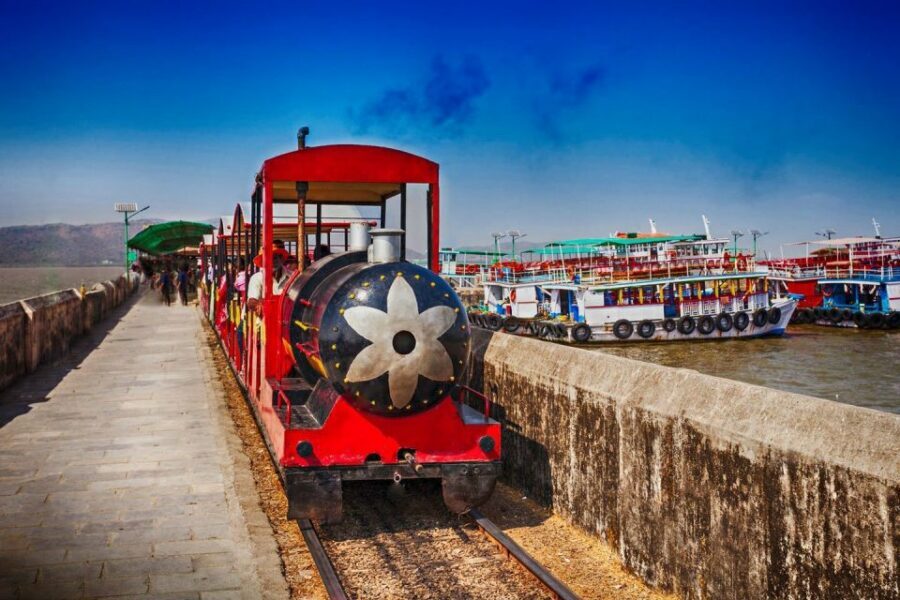
Yes, there’s a toy train included on Elephanta Island. Even if you’re not a “ride the funicular” person, this can be useful for pacing—especially on a day that already has steps and a ferry schedule.
I see it as a small comfort that helps you keep energy for the caves themselves. The tour is designed so you’re not dragging yourself across the island after the walk; that matters when you’re done with the main climb and entry.
If you’re sensitive to walking distance, it’s one more reason to do the guided option rather than wing it.
Return to Mumbai: ferry timing and drop-off convenience
After the caves, you’ll head back by ferry to Mumbai. The return is about another hour by ferry, and the tour structure keeps you from having to figure out transport on the island when you’re tired.
What makes this convenient is where you end up. Depending on your option, drop-offs may include central Mumbai points such as Gateway of India, Grant Road, Worli, Ballard Pier/Alexandra Dock/Green Gate, and Churchgate.
A small practical point from guide styles mentioned here: one common advantage of having someone manage the process at busy docks is fewer stress moments. When crowds peak, it’s easy to lose time—or end up in the wrong lane.
What you’re really paying for: value of the $30 price
At about $30 per person, this tour is priced like a budget-friendly way into one of the most important historical sites near Mumbai. But value isn’t just the price tag. It’s what you get packaged together:
Included:
- Guide
- Ferry tickets
- Entrance fee
- Skip-the-line at Elephanta
- Toy train
- Bottled water on arrival at Elephanta Island
- Hotel pickup and drop-off if you select that option
Not included:
- Food and drinks
For many visitors, the big “value” is the guide + skip-the-line combination. Elephanta isn’t hard to reach, but it can be hard to make sense of quickly, especially if you’re trying to understand Hindu and Buddhist religious symbolism while you’re also navigating crowds and queues. Paying for a guide often turns the day from sightseeing into understanding.
If you’re the kind of traveler who likes to read signage and figure things out yourself, you might think you don’t need a guide. Still, the cave carving details are the whole point—and most people end up feeling the guide was worth it once they’re standing in the hall.
Food-wise, plan to bring a simple snack or budget for meals separately. The tour doesn’t claim to cover it.
Who should book this tour, and who should reconsider
This tour is best for people who want structure. If you like walking with explanations, like learning the meaning behind the carvings, and want someone to keep you moving at a good pace, you’ll likely enjoy it.
It’s not suitable for:
- People with back problems
- People with mobility impairments
That’s because of the stairs involved in reaching the caves. Even if you take it slowly, you can’t fully avoid the vertical part.
If you’re traveling solo, you might still find it a strong deal because the tour helps with the parts that can be confusing: meeting points, ferry movement, queue management, and getting back to the city.
Families can sometimes make it work too, but the stair factor is the deciding point. One guide here, Harish, was praised for being patient with a toddler and pram, which hints at good group handling when someone needs a slower rhythm.
Tips for a smoother Elephanta day: shoes, sun, and monsoon reality
Here’s how to get the best experience with the least hassle:
- Wear comfortable shoes with good grip. The steps and stone surfaces are not the place for slippery soles.
- Bring a hat and sunglasses. Even with a half-day schedule, sun can be strong.
- Pack light. Large bags and luggage aren’t allowed.
- Check for Monday closures. Elephanta Caves are closed on Mondays.
- During monsoon months, assume ferry delays are possible. Your day may run late or shift, so don’t schedule a tight dinner reservation immediately after.
If you’re photo-minded, this is also one of those tours where having a guide who helps with angles is a genuine bonus. Many of the guides named in feedback here—like Dave—were repeatedly praised for taking photos and finding good spots.
Should you book Elephanta Caves with this guided half-day tour?
For most first-timers, I’d say yes. The site is famous for a reason, but the real value here is the combo of guided meaning and practical logistics: ferry included, entrance included, skip-the-line, and a structured route through the highlights.
Book it if:
- You want to understand the differences between the Hindu and Buddhist spaces, not just look at them.
- You’d rather spend time learning than negotiating queues.
- You appreciate a guide who helps with photo moments inside the caves.
Consider going without this tour only if:
- You’re comfortable handling the ferry + entry on your own and you’re okay doing more “interpretation work” with less guidance.
- You’re traveling with mobility limitations that make the stairs a dealbreaker.
If you want an efficient, high-impact Elephanta day that feels more meaningful than a random visit, this is a solid choice.
FAQ
How long is the Elephanta Caves half-day guided tour?
The duration runs about 1.5 to 6 hours, with the cave portion listed at around 1.5 hours and ferry time around 1 hour each way.
What’s included in the price?
You get a live English guide, ferry tickets, entrance fee to Elephanta Caves, skip-the-line entry, toy train on Elephanta Island, and bottled water on arrival at Elephanta Island. Optional hotel pickup and drop-off are also included if you choose that option.
Are the Elephanta Caves open every day?
No. Elephanta Caves are closed on Mondays.
Do I need to buy entrance tickets or ferry tickets separately?
No. Ferry tickets and the entrance fee are included as part of this tour.
What should I bring to the tour?
Bring comfortable shoes and also consider sunglasses and a hat.
Is the tour suitable for people with mobility issues?
No. The tour is not suitable for people with back problems or mobility impairments due to the steps and walking involved.
Is luggage allowed?
No. Luggage or large bags are not allowed.