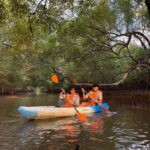
Goa by kayak is a lot quieter than you expect. The Sal Backwaters route puts you into narrow mangrove waterways where birds and plants feel close-up, not like distant scenery. I like that this tour is built for real spotting time, with calm, guided paddling through places you’d miss on a beach-only itinerary.
Two things I really like: you get hands-on kayaking (not just a boat ride), and the bird-spotting focus is specific and practical. You’re also in a small group (up to 14), which helps the guides keep an eye on everyone’s pace and comfort. One consideration: you’ll want good weather, and the tour isn’t recommended for pregnant women or anyone with heart complaints or serious medical conditions.
In This Review
- Key Points You Should Care About
- Why Sal Backwaters Kayaking Feels Like a Real Side-Trip
- Price and Duration: Is $65 Good Value Here?
- Getting There: Majorda Beach Road and the Real Starting Point
- What the Guide Covers Before You Paddle
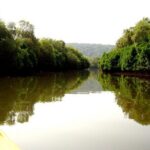
- Paddling the Flat Dammed Waters Into Narrow Mangrove Channels
- Birdwatching at Handshaking Distance (Yes, Really)
- Lotus Ponds of Goa’s Ancestor Stories and Why They’re More Than Pretty
- Otters, Fish, and the Wildlife You Might Actually See
- Mango Groves and Plant Names You’ll Remember
- The Tall Grasses/Scrub Section Near the Bridge
- Who This Kayaking Tour Is Best For
- Practical Tips: Sunscreen and How to Feel Good on the Water
- Should You Book Goa Kayaking Sal Backwaters?
- FAQ
- How long is the Goa Sal Backwaters kayaking experience?
- Where do I meet for the tour?
- Is hotel pickup and drop-off included?
- What wildlife can I expect to see?
- What’s the minimum age to join?
- What’s included in the price?
- Is the tour suitable for pregnant women or people with heart conditions?
- What if the weather is bad?
Key Points You Should Care About
- Sal Backwaters mangroves: narrow, winding waterways in flat dammed water, with lots of shoreline wildlife time
- Birdwatching that’s actually doable: you’re told what to look for and you may see more than 70 types of birds
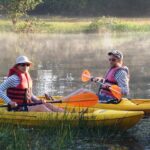
- Hands-on kayaking: life vests, leashes, paddles, and a guide who briefs you before you slide in
- Otters and lotus ponds: possible otter sightings plus lotus ponds and scrubby, grass-lined sections
- Simple inclusions: bottled water, fruit juice, and all kayak equipment are part of the deal
Why Sal Backwaters Kayaking Feels Like a Real Side-Trip
If your Goa plan is mostly beaches and restaurants, this is the fast way to change the pace. You’re not hopping from viewpoint to viewpoint. You’re slowly paddling through Goa’s wetland edges, where the day seems to run on birdsong and mangrove shade instead of traffic.
What makes the experience feel special is the mix of geography and wildlife. You slide through mangroves, past lotus ponds, and along waterways with mango, cashew, bamboo, and other local plants that you can recognize as you pass. The result is a trip that reads like nature notes, but you’re actually doing it with your hands on the paddle.
A few more Goa tours and experiences worth a look

Price and Duration: Is $65 Good Value Here?
At $65 per person for about 1 hour 30 minutes, the value mostly comes from what’s included and how guided it is. You’re getting a local guide, bottled water, fruit juice, and the full set of kayaking gear (kayak, paddles, life vests, and leashes). For a short outing, that’s a lot of the “friction” removed.
The group size also matters. With a maximum of 14 travelers, you’re less likely to feel like a number in a big line. It’s not a private charter, but the setup is designed for safer paddling and more time actually watching what’s around you instead of waiting your turn.
Getting There: Majorda Beach Road and the Real Starting Point
You meet at Water’s Edge, Majorda Beach Road, Nuvem (Dongorim area), Goa 403713. The activity ends back at the same meeting point, so you’re not stuck coordinating a second ride after you finish.
There’s no hotel pickup or drop-off included, so plan on getting yourself to the meeting area. The good news: it’s described as near public transportation, which helps if you’re already using buses or local transport during your Goa stay.
What the Guide Covers Before You Paddle
Before you get moving, the guides run a briefing that’s more than just safety talk. You’ll be shown how to use the kayak and paddle, what to look for on the water, and what to expect in the local habitats you’ll pass.
This matters because you’re kayaking through narrow channels in mangroves, not open sea. Even though the waters are described as flat and dammed, you’ll still want to understand how to steer smoothly and keep a relaxed pace. The tour is also set up to help you spot wildlife close by, so your guide’s instructions affect what you actually see.
I also like the “before and after” focus you can feel in how the trip is run. One of the best comments from past visitors is that the guides explain things in detail, then support you during the paddle and afterward so you’re not left guessing.
Paddling the Flat Dammed Waters Into Narrow Mangrove Channels
Once you’re on the water, the journey starts with motion that feels steady and controlled. The route is in flat dammed up waters, which makes the kayaking feel manageable for most people age 7 and up. Then the scenery tightens as you enter winding narrow waterways deep in the mangroves.
This is where the “insider” feel comes from. You’re not just passing mangroves from the edge of a trail. You’re inside the corridor—close enough to notice how the shoreline plants grow and how birds use the water surface and branches.
For many people, the best part is the silence you notice once you’re moving at the water’s speed. It’s action, but it doesn’t feel like a workout class. It’s paddling, then watching, then paddling again.





Birdwatching at Handshaking Distance (Yes, Really)
Birdwatching is the headline here, and it’s not vague. The guides focus on birds you can actually spot while you’re gliding slowly through the channels.
The tour explicitly calls out the chance to see the kingfisher, along with a long list of other possible sightings, including:
- cormorants
- lapwings
- pin-tailed ducks
- pheasants
- purple moorhens
- white, purple, and grey herons
- egrets
- ibis
And the tour notes more than 70 types of birds live in the area.
In plain terms: if you’ve ever gone birdwatching and felt like you only saw birds as silhouettes, this format helps you do better. Slow movement + local guidance + predictable habitat edges means your chances of a clear sighting improve.
One more thing: birds often react to stillness. Because the kayaking is quiet, you’re not blowing past habitat at high speed. You’re giving wildlife time to keep doing what it does.
Lotus Ponds of Goa’s Ancestor Stories and Why They’re More Than Pretty
At some point, you’ll glide into lotus ponds. The description is poetic—lotus ponds of Goa’s gods and ancestors—but what matters for you on the trip is how these places change the feeling of the paddle.
Lotus ponds usually mean slower water surfaces and a different mix of birds and plant life than the narrow mangrove channels. You’ll also get that “close observation” sensation where it feels like the water and plants are right at your eye level.
This section is also a good moment to reset your attention. If you’ve been focused on paddling straight, lotus ponds give you a new target: watch the edges, scan for movement, and let the guide’s spotting cues guide your eyes.
Otters, Fish, and the Wildlife You Might Actually See
The tour isn’t only about birds. You may also spot fish and, if you’re lucky, otters that are described as frolicking and feeding.
This is the part of nature tours you can’t guarantee, which is exactly why it’s worth doing. When otters do appear, they tend to be active in ways that snap your attention away from everything else. And even when they don’t show up, the water life plus the bird variety still keeps the trip engaging.
The “small, specific” wildlife goals also help. Instead of hoping to see everything, you’re looking for signs: movement near the shore, birds diving or landing, and activity that hints at other animals nearby.
Mango Groves and Plant Names You’ll Remember
One of the quietly useful parts of this kayaking experience is that the guides connect what you see to local plant life. The route includes notable flora like cashew, bamboo, and mango.
I like this because plant knowledge makes the scenery feel less random. When you know what the plants are (and you pass them at a slow enough speed to notice), you stop treating the mangroves like one big green wall. You start seeing a system—how plants and water work together.
So yes, it’s beautiful scenery. But it’s also a chance to learn what’s around you in a way that sticks after you get back to Goa’s busier streets.
The Tall Grasses/Scrub Section Near the Bridge
For part of the trip, you’ll be kayaking in tall grasses/scrub. This shifts the experience from open-ish water line watching to a more “edge habitat” feeling, where you’re moving beside plant cover and the guide likely helps you spot what’s living in that zone.
Then you continue paddling until you reach a bridge, which is the point where the trip naturally turns into its ending stretch. After that, the excursion ends back at the departure point.
A short tour like this works in your favor. You don’t have to spend half the day traveling between nature zones. You get a focused route that moves you through different habitat types without dragging you around.
Who This Kayaking Tour Is Best For
This is designed for a wide range of ages, starting at minimum age 7. Children under 10 are noted as needing to be towed by parents/guardians, so think about your comfort with sharing control and supervision.
It’s also described as suitable for most travelers, which usually means the pace is approachable and the guide support is built-in. With kayaking, “most travelers” can still vary based on health and comfort, so read the safety notes carefully.
It’s not recommended for pregnant women or anyone with heart complaints or other serious medical conditions. If that applies to you, don’t treat it as a maybe—choose something else that’s less physically and medically risky.
Practical Tips: Sunscreen and How to Feel Good on the Water
Here’s the simplest advice I can give: wear plenty of sunscreen. One visitor got sunburnt, which tells me the sun exposure isn’t the kind you can ignore, even during a calm paddle.
Since bottled water and fruit juice are included, you can focus on staying comfortable rather than worrying about bringing drinks. Still, protect yourself from sun and keep your comfort at the front of your mind. A relaxing kayaking trip turns sour fast if you’re dealing with heat or burning skin.
Also, because you’ll be in mangrove waterways and scrub sections, you’ll want to listen carefully during the guide’s instructions. The goal is smooth paddling and easy spotting—not random splashing or last-minute steering.
Should You Book Goa Kayaking Sal Backwaters?
Book it if you want a Goa experience that’s not just a beach stop and not just a passive wildlife tour. This is kayaking with a bird-spotting focus, set in mangroves, lotus ponds, and plant-rich waterways you’d struggle to find on your own.
Skip it or choose a different format if you’re sensitive to sun, you need hotel pickup (it’s not included), or you fall into the health categories listed as not recommended (pregnancy, heart complaints, or serious medical conditions). Also, it requires good weather, so plan around that.
If you like guided nature time, want a calm action activity, and care about seeing birds like the kingfisher rather than chasing random photos, this is the kind of tour that can make your Goa trip feel complete.
FAQ
How long is the Goa Sal Backwaters kayaking experience?
It lasts about 1 hour 30 minutes (approx.).
Where do I meet for the tour?
The start point is Water’s Edge, Majorda Beach Road, Dongorim, Nuvem, Goa 403713, India. The tour ends back at the same meeting point.
Is hotel pickup and drop-off included?
No. Hotel pickup and drop-off isn’t included.
What wildlife can I expect to see?
You may see birds (including kingfishers), fish, and, if you’re lucky, otters. The area supports more than 70 types of birds, and the tour highlights several species.
What’s the minimum age to join?
The minimum age is 7 years. Children below 10 are to be towed by parents/guardians.
What’s included in the price?
Included are bottled water, fruit juice, a local guide, and use of kayaks, paddles, life vests, leashes, and other necessary equipment.
Is the tour suitable for pregnant women or people with heart conditions?
No. It’s not recommended for pregnant women or participants with heart complaints or other serious medical conditions.
What if the weather is bad?
The experience requires good weather. If it’s canceled due to poor weather, you’ll be offered a different date or a full refund.