Mumbai wakes up fast in pre-dawn hours. This tour takes you to Sassoon Dock, where wholesale fish trading hums before most of the city is awake, then moves on to nearby stops that explain how everyday food culture actually works. I love the real-market rhythm and the way a personal guide keeps the chaos understandable.
I also like the quick change of pace at the Dadar flower market lanes under the flyover, before finishing at Banganga tank with its ghats and spiritual significance. The main drawback is the early start, and you’ll want to plan around the fact that food and drinks aren’t included.
In This Review
- Key Points You’ll Care About
- Pre-Dawn in Mumbai: What This 3–4 Hour Walk Actually Feels Like
- Sassoon Dock Fish Auctions: The City’s Early Trade
- Dadar Flower Market Under the Flyover: Color, Crowds, and Quick Views
- Banganga: The Ghats and the Meaning Behind the Water
- Price and Logistics: Where Your $40 Actually Goes
- What to Bring: Your Morning Market Survival Kit
- Guide Power: How Stories Make Markets Make Sense
- The Itinerary in Plain English (and What Might Feel Hard)
- Who This Tour Suits Best
- Should You Book Mumbai by Dawn?
- FAQ
- How long is the Mumbai by Dawn tour?
- What stops are included?
- Is admission included for all stops?
- Is food included in the price?
- Do you offer pickup and drop-off?
- Is this tour private?
- Where do cruise terminal private tour customers meet?
- Can I get a full refund if I cancel?
Key Points You’ll Care About
- Sassoon Dock is open to the public and sits right at the center of Mumbai’s wholesale fish trade
- Dadar flyover flower stalls are quick to reach and easy to see up close in narrow lanes
- Banganga offers a calmer pause with ghats and ashes-immersion context tied to local belief
- Bottled water is included, but meals are on you
- A praised guide name is Kamkesh, known for connecting spots with stories and chai
Pre-Dawn in Mumbai: What This 3–4 Hour Walk Actually Feels Like
This is the kind of tour where the timing matters more than the map. You’re out in the early hours, when markets are functioning and the streets feel like they belong to workers, vendors, and shoppers moving on routine. Expect short stops, a steady walking pace, and plenty of chances to look closely at what gets bought, how it’s handled, and what people do with it next.
I like that the tour is built for a morning mindset: you see the work while it’s happening, not after it’s turned into a photo op. You also get a personal guide, which is key in Mumbai, because the details are the story. Without a guide, you’d still see plenty—but with one, you start to understand why things are where they are and what people prioritize.
One practical note: it’s described as 3 to 4 hours, so plan to be flexible. You won’t be lingering for long at each stop, which is good for energy, but it means you should come ready to move and pay attention.
You can also read our reviews of more tours and experiences in Mumbai.

Sassoon Dock Fish Auctions: The City’s Early Trade
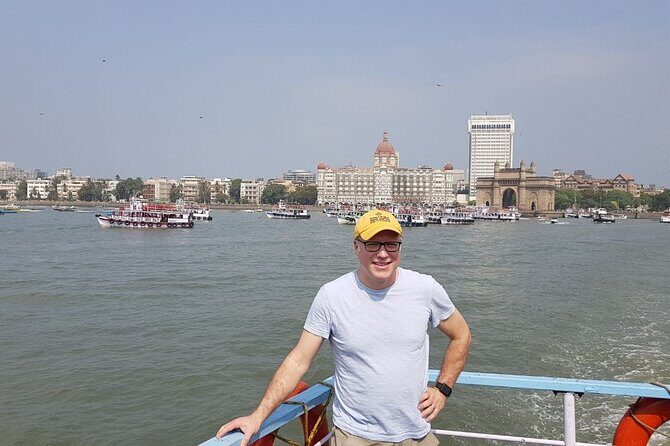
Your first stop is Sassoon Dock, one of Mumbai’s oldest harbours and also the largest wholesale fish market in the city. It’s also one of the very few docks in Mumbai that’s open to the public, so you’re not just looking at the idea of fishing—you’re seeing the actual wholesale operation.
What you’ll notice fast is the contrast between scale and scrutiny. Fish markets can look chaotic from the outside, but in a working wholesale dock, you’ll see people sorting, inspecting, and handling catches quickly. The tour includes an admission ticket here, so you’re not worrying about whether entry is permitted or not.
A detail worth keeping in mind: Sassoon Dock is described as being tied to the Koli fishing community, which helps explain why these docks matter far beyond the seafood counter. If you’re the type who likes context, this is your moment. If you’re sensitive to smells or crowded walking, you should mentally prepare—markets at this hour are not a gentle stroll.
Wear smart footwear. One of the strongest pieces of advice I took from the experience feedback is simple: choose washable shoes. Early morning means you’re more likely to deal with wet surfaces, water drips, and mess that would be a pain in regular fancy footwear.
Dadar Flower Market Under the Flyover: Color, Crowds, and Quick Views
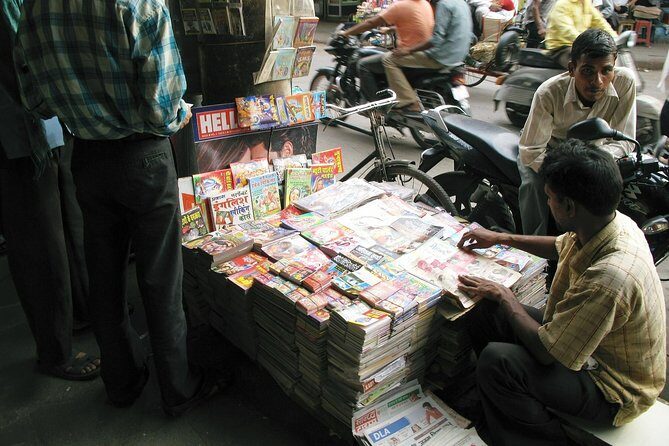
Next you head to Dadar, where a wholesale flower market runs right outside the station under the flyover. The setup is described as narrow lane lanes lined with kiosks and stalls, plus wooden planks that locals use as working surfaces. It’s short—about 20 minutes—but it’s designed for impact.
This stop works because it changes your senses. Fish is about weight and handling; flowers are about volume, arrangement, and freshness. You’ll see how flowers get prepared for sale, and how quickly vendors switch between selling, bundling, and restocking. Even with limited time, it helps you understand that Mumbai’s everyday visual culture doesn’t magically appear—it gets built, bunch by bunch, from places like this.
You also get a bit of local specificity: this flower market is described as possibly the only wholesale one of its kind in Mumbai. That makes the stop feel more purposeful than a generic street market.
The drawback here is the same one that affects most real markets: it’s narrow and active. If you’re uncomfortable in tight spaces, you may want to slow your pace and let the guide handle where you stand and when you step forward for a better look.
Banganga: The Ghats and the Meaning Behind the Water
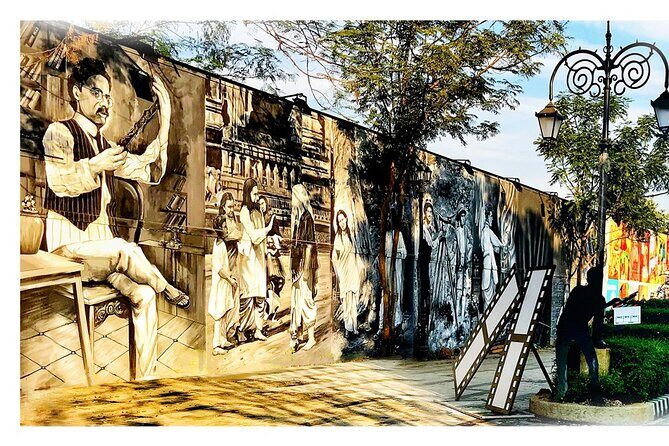
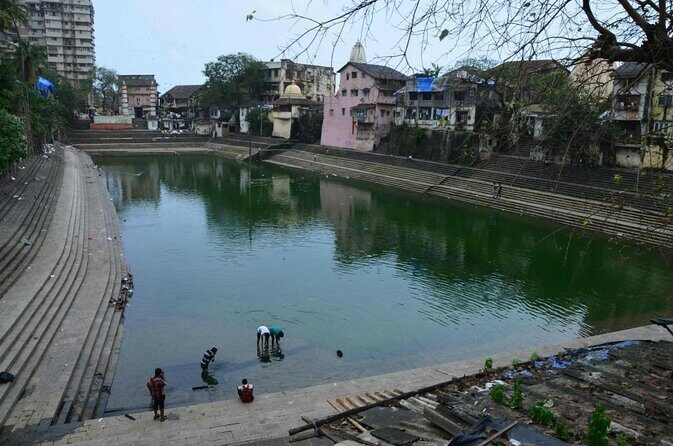
After the bustle, you move to Banganga, a large freshwater tank surrounded by ghats. This is where the tour slows down and gives you a different lens on Mumbai.
Banganga is used for immersing ashes in Mumbai, and the tour shares a mythological connection too—Lord Rama and Lakshman are described as taking rest here during their quest in the Ramayana story. Whether you’re religious, curious, or just interested in how cities explain themselves, this is a powerful contrast to the trading streets.
In practical terms, this stop gives you a breather. You still need to listen to the guide, but you’re not scanning for products or negotiating your way through dense activity. Instead, you’re looking at steps, water edges, and the way people move through sacred space.
It’s also a reminder that Mumbai’s public life isn’t only commerce. The same city that wakes up for auctions also shapes rituals in public view. For many people, that’s one of the most memorable parts of a dawn walk: you get to see the everyday and the spiritual in the same morning block.
Price and Logistics: Where Your $40 Actually Goes
The price is $40.00 per person, and the average booking window is about 26 days in advance. That tells you something important: this is a popular slot. If you’re planning around specific dates, book early rather than gambling on last-minute availability.
Here’s the value breakdown based on what’s included:
- All taxes, fees, and handling charges
- Bottled water
- Pickup and drop-off only if you choose that option (otherwise you’re on your own for getting there and back)
Food and drinks are not included, so you’ll need to budget for snacks or a post-walk chai/meal if you want something beyond water. The guide-led parts are short, so you’re paying for access, explanation, and timing—not a long, sit-down format.
Also, the tour is described as private: only your group participates. That matters if you’re traveling with family or friends and want fewer obstacles and less waiting around. It can also be better for asking questions in marketplaces, where every second counts.
One more practical detail: the tour is near public transportation, and service animals are allowed. If you’re planning to meet up with the group by transit, it’s designed to be doable without a car—though pickup is available for private tours if you select it.


What to Bring: Your Morning Market Survival Kit
Because you’re walking through active market areas, you’ll want to show up prepared. The tour gives you bottled water, but that’s not a full hydration plan for everyone, especially in Mumbai’s early hours when humidity can still surprise you.
My no-drama packing list:
- Washable shoes (seriously—this is the practical difference-maker)
- Light layers in case morning air is cooler than you expect
- A small amount of cash for snacks if you want them, since food isn’t included
- Comfortable clothing that can handle close quarters and moving crowds
- Your mobile ticket on your phone for smoother entry
And since you’re learning about food culture, don’t expect the tour to be a “sample everything” event. It’s more about seeing how sourcing and buying work at the start of the day.
Guide Power: How Stories Make Markets Make Sense
A dawn market can look like pure chaos from the outside. What turns it into an experience is how the guide frames what you’re seeing—what’s happening now, what the market supplies, and how the city’s food habits connect back to places like Sassoon Dock and the flower lanes.
One guide name that comes up is Kamkesh. The feedback highlights him for taking people from one interesting place to another and ending with a lovely chai. That kind of guide skill matters because it turns stop-to-stop movement into a clear story arc: trade, preparation, meaning, and then a human moment to slow down.
Even if you don’t care about every fact, you’ll appreciate the guide’s role when you’re standing close to the action and you’re trying to understand what you’re looking at. Markets move fast; a good guide helps you keep up without feeling lost.
The Itinerary in Plain English (and What Might Feel Hard)
The tour is built around three main stops, each described at about 20 minutes:
- Sassoon Dock (admission ticket included)
You’re watching wholesale fish market activity at one of Mumbai’s oldest harbours. It’s the most intense sensory stop—plan for that.
- Dadar (free admission)
You walk through narrow lanes under the flyover in a wholesale flower market environment. Quick, close-up, and active.
- Banganga (free admission)
You shift to a ghats-and-tank setting tied to ritual use and mythological context. It’s the calmer pause of the tour.
The biggest “might feel hard” factor is also the most honest one: early morning plus active streets. If you’re not a morning person, it can feel like effort just to get going. But the upside is that you’re seeing Mumbai functioning, not staging for visitors.
Who This Tour Suits Best
This works especially well if you:
- Like street-level travel where you see how locals buy and use food
- Enjoy markets but want guidance so it’s more than just photos
- Want a short, focused morning experience rather than a long day tour
- Travel with a group and prefer a private setup so you can ask questions
It may be less ideal if you:
- Hate crowding or tight lanes
- Have trouble with walking early mornings
- Expect food tastings to be part of the price (because food and drinks aren’t included)
For couples, this can be a memorable morning because it mixes intensity (fish), beauty (flowers), and meaning (Banganga). For families, it can be fine if everyone is comfortable with early starts and simple walking.
Should You Book Mumbai by Dawn?
I’d book this if you want Mumbai before the city turns into its later-day routine. The combination of Sassoon Dock fish trading, the Dadar flower lane experience, and the reflective pause at Banganga is a smart mix. You get variety in the same morning, and you’re not stuck in just one type of scene.
I’d skip it if your idea of a market tour is leisurely shopping, or if you strongly dislike early wake-ups. Also, remember: you should plan your own snacks and drinks beyond bottled water.
If you do book, do it with intention: wear washable shoes, show up ready to walk, and treat the guide as part of the value. With a good guide like Kamkesh highlighted in the experience feedback, the morning becomes more than observation—it becomes understanding.
FAQ
How long is the Mumbai by Dawn tour?
It runs about 3 to 4 hours.
What stops are included?
You’ll visit Sassoon Dock, Dadar (flower market area under the flyover), and Banganga.
Is admission included for all stops?
Admission is included for Sassoon Dock. Dadar and Banganga are listed as free admission.
Is food included in the price?
No. Food and drinks are not included. Bottled water is included.
Do you offer pickup and drop-off?
Pickup and drop-off are included only if you select that option. For private tours, pickup and drop-off are offered from locations in Mumbai.
Is this tour private?
Yes. It’s described as private, and only your group participates.
Where do cruise terminal private tour customers meet?
Customers who book the cruise terminal private tour option must meet at the green gate.
Can I get a full refund if I cancel?
Yes. You can cancel for a full refund up to 24 hours before the experience starts. After that, the refund isn’t available.