REVIEW · MUMBAI
Mumbai Heritage Walking Tour of Colaba and Fort
Book on Viator →Operated by Mystical Mumbai · Bookable on Viator
Three hours later, you’ll see Mumbai differently. This Colaba and Fort heritage walk strings together landmark sights you’ll recognize instantly, plus street-level stories you won’t pick up from guidebooks alone. I especially liked the small-group feel of up to 10 people, which keeps questions and photo stops from turning into a chore.
I also liked how the guide links each location to what’s happening around it, from the Gateway of India’s 1911 landing connection to the everyday rhythm of Oval Maidan and the old institutions along High Court Road. The only real drawback is that it’s a true walking tour with moderate fitness needs, and there’s no hotel pickup, so you’ll want to be ready for public-transit-style logistics.
In This Review
- Key reasons this walk works
- Your Mumbai “starter pack”: Colaba to Fort on foot
- Price and time: what you’re paying for (and what you’re not)
- Stop 1: Gateway of India, and the 1911 landing story
- Stop 2: University of Mumbai Library and the colonial clock-style detail
- Stop 3: Oval Maidan pedestrian crossing and cricket at street level
- Stop 4: St. Thomas Cathedral and the memorials behind the walls
- Stop 5: Bombay High Court principal bench and the weight of old institutions
- Stop 6: Fashion Street and bargaining street culture
- Stop 7: Chhatrapati Shivaji Maharaj Terminus (CSMT), UNESCO station, big architecture
- The guide makes or breaks the walk
- Logistics that actually matter on the ground
- Who should book this Mumbai heritage walk?
- Should you book the Colaba and Fort heritage walk?
- FAQ
- How long is the Mumbai Heritage Walking Tour of Colaba and Fort?
- What’s the group size for this tour?
- Where does the tour start?
- Where does the tour end?
- Is the tour ticket mobile-based?
- What is included in the price?
- What is not included?
- Are there admission fees at the stops listed?
- What physical level do I need?
- What is the cancellation policy?
- FAQ
- How many tour times are available during the day?
- Is the meeting point near public transportation?
Key reasons this walk works

- Up to 10 people means your guide can actually slow down when you ask questions
- Big landmarks in tight time: quick, meaningful stops at sites that are easy to miss solo
- Cricket, law courts, and shopping in one loop makes Old Mumbai feel lived-in
- Free admission at every stop listed helps you keep the trip budget steady
- Guide support shows up in real moments, including photo help and practical end-of-walk guidance
Your Mumbai “starter pack”: Colaba to Fort on foot
If this is your first day in Mumbai, this tour is a smart way to get your bearings fast. You’ll start in the Colaba area and walk toward Fort, passing through the parts of South Mumbai where architecture, empire-era landmarks, and daily street life sit side by side.
What makes this route worth your time is the balance. You get the postcard moments, but you also get the why behind them: what the buildings were for, why certain places matter, and how the streets around them are used today. It’s the kind of tour that helps you stop thinking in lists and start thinking in connections.
The group size stays small (max 10), which changes the whole experience. On busy streets, bigger groups mean you’re always waiting and never fully present. Here, you’re close enough to hear details without having to shout over traffic, and you can ask follow-up questions without feeling rushed.
You can also read our reviews of more walking tours in Mumbai



Price and time: what you’re paying for (and what you’re not)
At $66.87 per person for about 3 hours, you’re paying primarily for a professional local guide and a guided route through major sites in Old Mumbai. The tour also includes bottled water, which sounds minor until you’re walking under the city heat.
One of the best value notes is that the stops listed are ticket-free admissions. That means your cost is mostly for expertise and direction, not for squeezing in extra paid entries.
A practical timing note: the tour is offered at numerous times throughout the day, and it’s often booked about a week in advance. If you have a tight schedule, I’d book early so you can choose the start time that matches your energy level.
Stop 1: Gateway of India, and the 1911 landing story
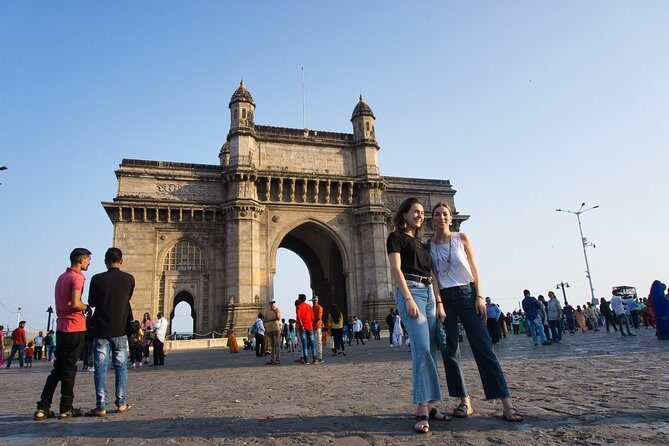
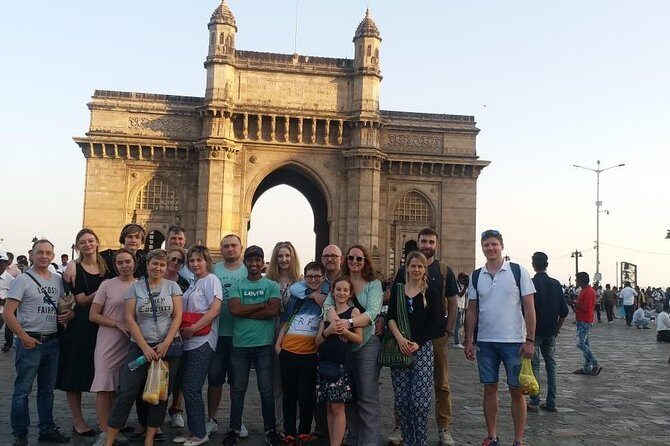
You’ll begin at the Gateway of India, one of the most recognizable silhouettes in Mumbai. The monument is an arch built in the early twentieth century, and it was erected to commemorate the landing of King-Emperor in December 1911 at Apollo Bunder.
Even if you’ve seen the Gateway in photos, it’s the setting that hits you. This is one of those places where you can feel history just by standing there—boats, crowds, and the constant flow of people around a single, historic focal point.
The guide’s job here is to help you look past the iconic photo angle. You’ll learn what the Gateway was built to mark, and you’ll get a sense of why this exact spot became symbolic. It’s a good opening stop because it gives you a frame for everything else you’ll see later in the walk.
Time on site is short (about 15 minutes), so treat it as a focused orientation moment rather than a long linger.
Stop 2: University of Mumbai Library and the colonial clock-style detail
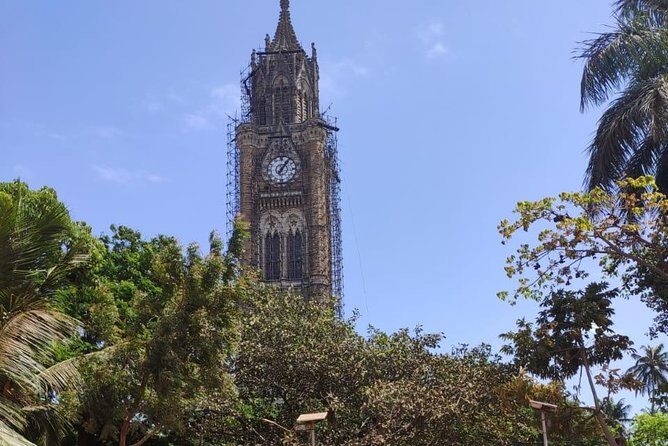
Next you’ll visit the University of Mumbai Library, known for beautiful colonial architecture, including the area people describe with the nickname Big Ben. It’s the kind of detail that can be easy to overlook if you walk past without knowing what to look for.
This stop works because it shifts your focus from the huge, dramatic memorials to the city’s institutional power. Universities and libraries were not just places for learning; in colonial-era cities they also signaled status and control.
A quick caution: since the stop is only about 10 minutes, don’t plan to read every plaque. Use it like a short visual lesson—look for the architecture cues, notice how the building sits within the street, then move on while the route is still fresh.
Stop 3: Oval Maidan pedestrian crossing and cricket at street level

Oval Maidan is one of the most “Mumbai-in-motion” stops on the route. You’ll cross near the Oval Maidan area and watch people at play, including cricket activity—often described as India’s other religion.
This is where the tour stops feeling purely historical and starts feeling like a real neighborhood. Even for non-cricket fans, the scene tells you something important: public spaces here are social engines. People gather, families stroll, and the sport turns open space into a daily event.
The time is again about 10 minutes, so it’s a grab-and-go moment. Still, it’s long enough to watch a few plays and get a sense of how this park works as a public stage.
If you want photos, keep an eye on your footing at the pedestrian crossing. Street-level chaos is part of the experience, but it’s not the moment to trip.
You can also read our reviews of more historical tours in Mumbai




Stop 4: St. Thomas Cathedral and the memorials behind the walls
St. Thomas Cathedral is one of the oldest cathedrals in Mumbai, and the visit is meaningful for a reason beyond architecture. You’ll also see memorials of fallen British soldiers and their families.
This stop adds emotional weight to the tour. It’s easy to treat religious buildings as only buildings, but here you’re seeing how memory and faith were physically intertwined—how a city records grief in stone.
It’s also a useful contrast to the Gateway stop. Both are historic markers, but they point to different kinds of history: one celebratory and commemorative on a grand scale, the other more personal and reflective.
You’ll have about 15 minutes, so it’s enough time to look around carefully and take in the memorial presence without rushing.
Stop 5: Bombay High Court principal bench and the weight of old institutions
Then you’ll reach the Bombay High Court principal bench. The High Court is one of the oldest High Courts of India, and that “old” matters because courts are slow-moving institutions. They shape daily life through decisions that ripple outward.
From a visitor’s viewpoint, the value here is context. You’ll understand that the legal system in this area isn’t just a background detail—it’s part of the city’s long-standing power structure.
Time is about 10 minutes, so treat it as a focused architectural and civic stop. You’re not going inside for a long visit here; instead, you’re building an understanding of what the courthouse represents and how it fits into the street network around it.
Stop 6: Fashion Street and bargaining street culture
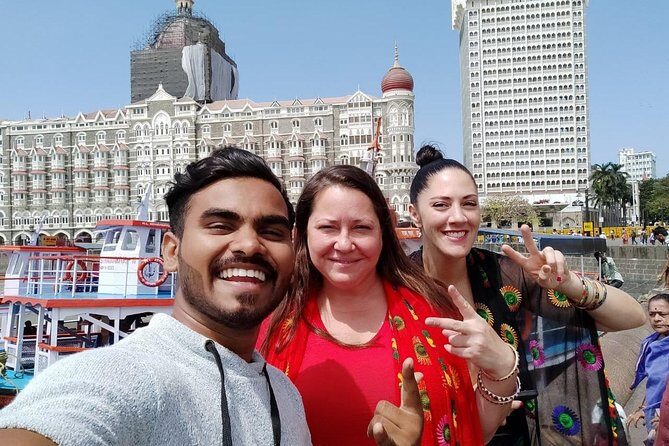
Fashion Street is a cluster with over 385 street-side clothing shops, and it’s known for bargaining. This is a different kind of stop: instead of monuments and institutions, you’re stepping into a commercial maze.
What I like about ending up here on a heritage walk is that it keeps Mumbai practical. History doesn’t freeze in place. You walk from old-world buildings into a neighborhood where people still haggle, buy, and trade day-to-day.
Time is about 10 minutes, so it’s not for browsing for hours. It’s enough to see the energy, understand what Fashion Street is known for, and decide if you want to come back later on your own.
Practical tip: if you plan to shop, expect bargaining to be normal. Keep your questions simple and your budget clear before you start negotiating.
Stop 7: Chhatrapati Shivaji Maharaj Terminus (CSMT), UNESCO station, big architecture
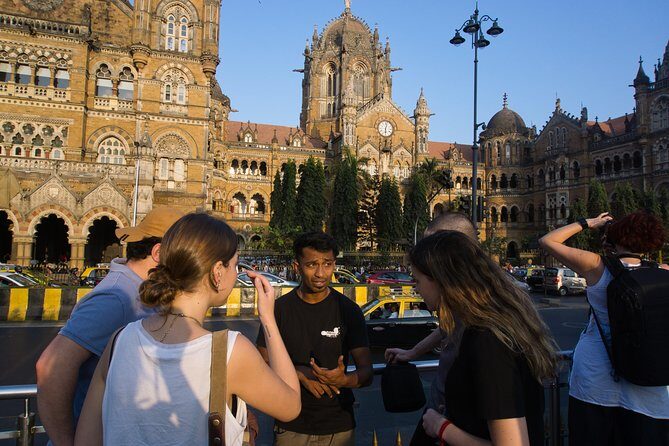
Your final stop is Chhatrapati Shivaji Terminus (CSMT), an area famous for the station building that’s often called one of the most beautiful train stations in India. It’s also a UNESCO Heritage Site.
This part of the walk gives you a satisfying finish. Earlier stops are spread across different themes—monuments, education, a sports park, religion, law, and shopping. CSMT ties the story together by showing infrastructure as identity. Train stations in major cities aren’t just transportation. They’re public statements about engineering, ambition, and civic pride.
You’ll have about 15 minutes, which usually works well for this kind of site. You’ll get enough time to take in the facade, orient yourself in the station area, and appreciate why UNESCO has such a strong reason to include it.
The guide makes or breaks the walk
The experience lives and dies on the guide’s ability to connect details without turning it into a lecture. Based on the guide style I’ve seen associated with this tour, you’ll likely get enthusiastic, clear storytelling that also feels personal.
I’ve seen names like Anthony praised for walking South Mumbai in a way that hit unique places people might not find on their own, with extra practical stop ideas that go beyond the obvious. Another guide named Dev has been described as enthusiastic and knowledgeable, plus helpful with things like taking photos and arranging a shared taxi at the end.
You should still expect this to be an active, street-based tour. The guide can help you interpret what you’re seeing, but you’re the one doing the walking. If you like architecture plus street scenes, you’ll probably have a great time.
Also, don’t underestimate the value of having someone help you sequence your day. When you’re new to Mumbai, knowing where to stand for the best angles and which streets matter most can save you a lot of wandering.
Logistics that actually matter on the ground
This tour uses a clear start and end point, which helps: you meet at the Regal Cinema Building at Apollo Bandar, Colaba, and the walk ends in the Chhatrapati Shivaji Maharaj Terminus Area (Fort).
There’s no hotel pickup or drop-off, so you’ll want to plan to reach the start using public transport. The good news is that the meeting point is listed as near public transportation.
The tour also uses a mobile ticket, which is convenient if you don’t want to hunt for printed confirmations. Bring your phone battery and keep the ticket accessible.
And yes, it’s a walking tour with moderate physical fitness expectations. That doesn’t mean it’s extreme, but it does mean you should wear comfortable shoes and stay ready for uneven sidewalks, street crossings, and changing crowd density.
Who should book this Mumbai heritage walk?
This is a great fit if you:
- Want a first-day orientation to Colaba and Fort with key landmarks in a logical route
- Like tours where history is explained in place, not from far away
- Prefer a small group over feeling lost in a crowd
- Want a mix of iconic sites and everyday Mumbai scenes like Oval Maidan and Fashion Street
It’s less ideal if you:
- Want a slow, stop-and-stay-at-one-place kind of sightseeing day
- Are hoping for a car or taxi to do most of the moving
- Don’t feel comfortable with walking on busy sidewalks and crossings
Should you book the Colaba and Fort heritage walk?
Yes, if you want a smart, efficient way to connect the big Mumbai landmarks with the everyday streets around them. For $66.87 and about 3 hours, you get a professional local guide, bottled water, and a route that hits the Gateway of India, St. Thomas Cathedral, Bombay High Court, Fashion Street, and CSMT with short, focused time at each.
I’d book especially if it’s your first visit and you don’t want to waste half a day figuring out where everything is. The small group size and ticket-free stops make it a practical value play.
If your schedule is tight, pick a tour time that matches your pace. Then wear good shoes, bring a phone with enough battery, and treat this as your guided map into South Mumbai.
FAQ
How long is the Mumbai Heritage Walking Tour of Colaba and Fort?
It’s approximately 3 hours.
What’s the group size for this tour?
The tour has a maximum of 10 travelers.
Where does the tour start?
The meeting point is Regal Cinema Building, Chhatrapati Shivaji Maharaj Marg, Apollo Bandar, Colaba, Mumbai, Maharashtra 400001, India.
Where does the tour end?
The tour ends at Chhatrapati Shivaji Maharaj Terminus Area, Fort, Mumbai, Maharashtra 400001, India.
Is the tour ticket mobile-based?
Yes, it includes a mobile ticket.
What is included in the price?
Included are a professional and local guide and bottled water.
What is not included?
Hotel pickup and drop-off are not included.
Are there admission fees at the stops listed?
The listed stops show admission ticket free, meaning you should not expect paid entry for the stops mentioned.
What physical level do I need?
You should have a moderate physical fitness level.
What is the cancellation policy?
There is free cancellation. You can cancel up to 24 hours in advance for a full refund; within 24 hours, the amount paid is not refunded.
FAQ
How many tour times are available during the day?
You can choose from numerous tour times throughout the day.
Is the meeting point near public transportation?
Yes, the start point is listed as near public transportation.