REVIEW · MUMBAI
Mumbai Dharavi Slum Community Tour
Book on GetYourGuide →Operated by Explore Mumbai Tours · Bookable on GetYourGuide
Mumbai has a second city under your feet. This Dharavi slum community tour pairs local-market sights with real workplaces so you see recycling, garment and leather making, and daily neighborhood life in about 2 hours. One possible drawback: parts of Dharavi are crowded and the streets are narrow, so it can feel emotionally intense and physically tight if you prefer wide, open spaces.
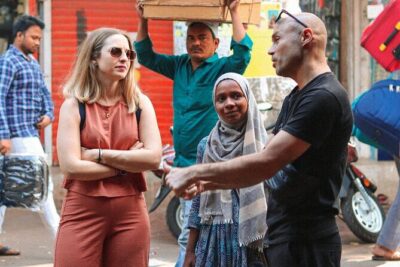
What makes it work is the human layer. The English-speaking guide, Rukaiya, pushes you to ask questions and also keeps a close eye on safety while you cross busy roads. Small group sizes help the walk feel personal instead of rushed.
In This Review
- Key things you’ll notice on a Dharavi slum community tour
- What You Actually Experience in Dharavi (Not Just a Drive-By)
- Street-to-Workshop Route: How the Tour Keeps You Oriented
- Rukaiya’s English Guidance and Why It Changes the Whole Walk
- Third Wave Coffee: The Meet-Up and the Easy Return
- Markets and Handmade Work: Where Daily Life Feels Tangible
- Recycling and Small Industry: The Work That Powers the Neighborhood
- Homes Up Close: Rooftops, Apartments, and Real Space Trade-Offs
- Schools Stop: Education Seen as a Daily Priority
- Price and Value: Why $9 Feels Like a Deal for This Route
- Who Should Book This Dharavi Slum Community Tour
- Should You Book It?
- FAQ
- How long is the Mumbai Dharavi slum community tour?
- Is there a live guide, and is the tour in English?
- Where do I meet the group, and will I be dropped off again?
- Does the tour include pickup and drop-off?
- What parts of Dharavi will the tour cover?
- Are entrance fees included in the price?
- Is there a private group option?
- FAQ
- What’s the cancellation policy for this tour?
- Is reserve & pay later available?
Key things you’ll notice on a Dharavi slum community tour
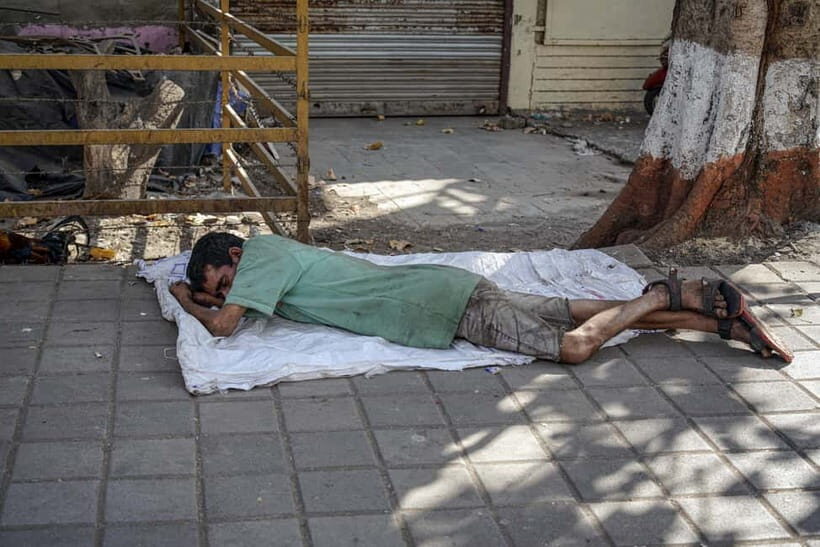
- Markets and workshops connected to everyday work
- Rukaiya’s guiding style: questions welcome, safety minded
- Homes with rooftop space and small apartments side-by-side
- Recycling to craftsmanship, all within walking distance
- Entrance fees included, with a $9 price that’s hard to beat
What You Actually Experience in Dharavi (Not Just a Drive-By)
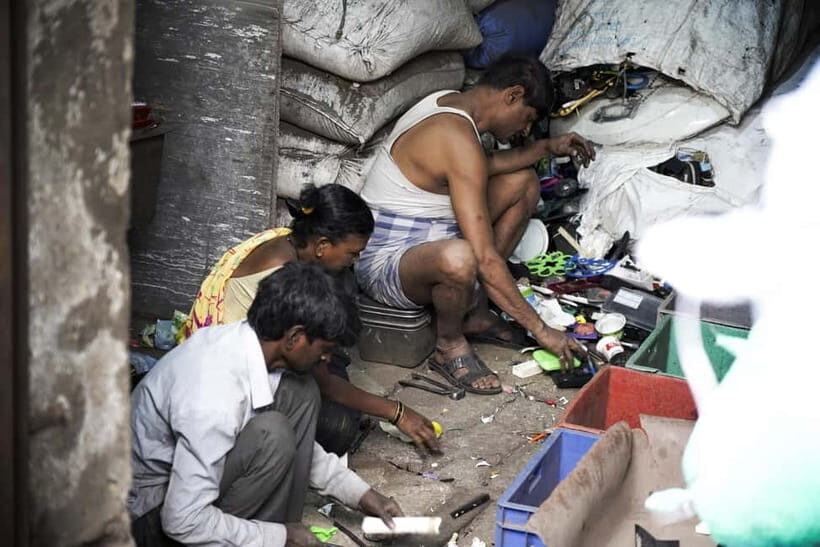
This is a walking tour through one of Mumbai’s most talked-about neighborhoods, but the point isn’t shock value. You’re set up to see how life runs when space is limited and needs are constant—people working, trading, building, and raising families within the same tight lanes.
Expect to spend your time in layers. First you move through the street network where daily routines unfold in front of you. Then you shift to the working side of Dharavi—recycling and small manufacturing—so you can connect what you’re seeing to how people earn, save, and plan.
You can also read our reviews of more tours and experiences in Mumbai.


Street-to-Workshop Route: How the Tour Keeps You Oriented
The route is designed so you don’t feel lost. You start by walking the alleys and then gradually shift toward places where you can spot specific activities: recycling materials, running small workshops, and selling goods in street-style markets.
That shift matters because it changes what you notice. In the streets you clock how people move and communicate. In workshops you see the practical side—tools, materials, and the steps that turn waste or raw input into usable products. It’s the same neighborhood, just a different angle.
And because you’re not stuck for hours on one single stop, you get a broader snapshot in a short time. The full tour runs about 2 to 2.5 hours, which is long enough to make connections, but short enough to keep it manageable for first-timers.
Rukaiya’s English Guidance and Why It Changes the Whole Walk
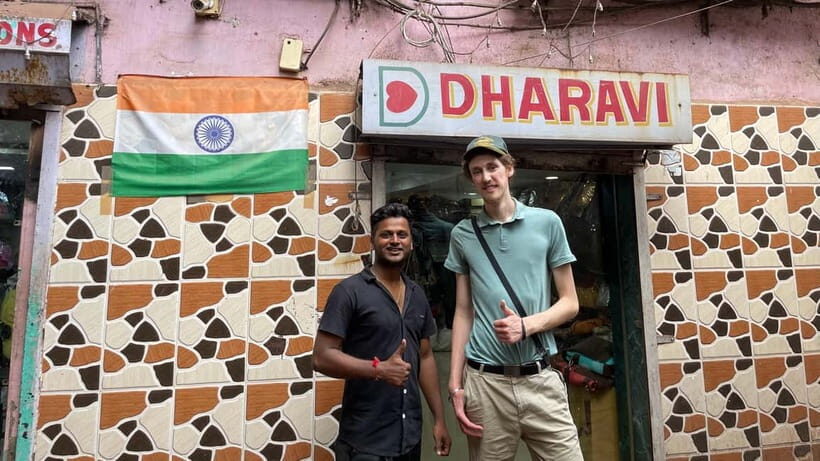
One of the most praised parts of this tour is the guide. Rukaiya is repeatedly described as kind, patient, and careful, especially when crossing roads. That’s not small stuff in Mumbai—walking with attention is the difference between feeling confident and feeling stressed.
The other big value is context. A lot of what you’ll see can’t be neatly found online. Rukaiya explains what’s going on in the neighborhood and encourages questions, which helps you avoid guessing or relying on stereotypes. You get the kind of answers that turn observations into understanding.
If you’re the type of traveler who likes to ask why and how, this tour rewards that style. If you hate questions and prefer quiet sightseeing only, you might still enjoy it—but the experience is clearly built around conversation.
Third Wave Coffee: The Meet-Up and the Easy Return
You’ll meet at a starting point that can vary depending on which option you choose, but the common meeting location listed is Third Wave Coffee. The tour is also set up with drop-off back at Third Wave Coffee, which keeps the logistics simple.
If you choose the pickup and drop-off option, the tour includes a comfortable car ride and complimentary water bottles. That’s a practical bonus because Dharavi walking can take more energy than you expect, especially if it’s hot or you’re not used to dense street traffic.
Markets and Handmade Work: Where Daily Life Feels Tangible
As you walk, you’ll see street markets and small shops where goods move fast and everyday needs take center stage. You may notice fresh produce sold along with handmade items—exactly the kind of mix that shows how commerce and daily life overlap.
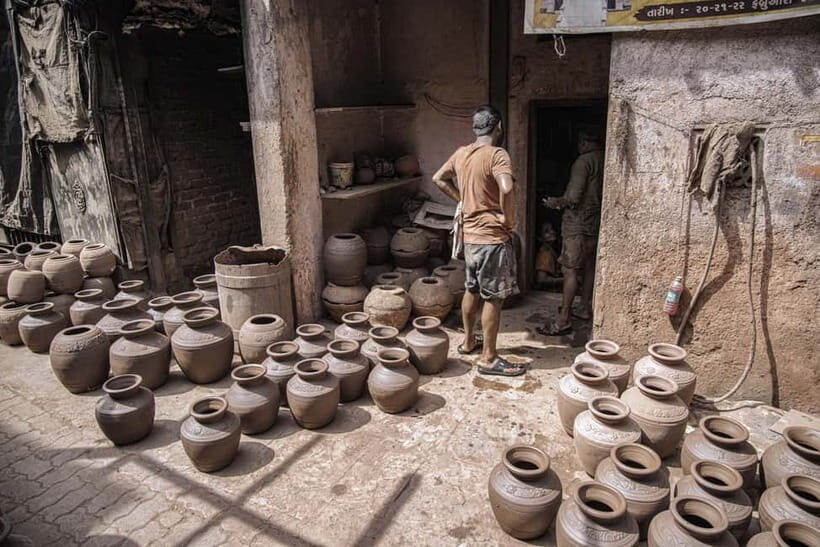
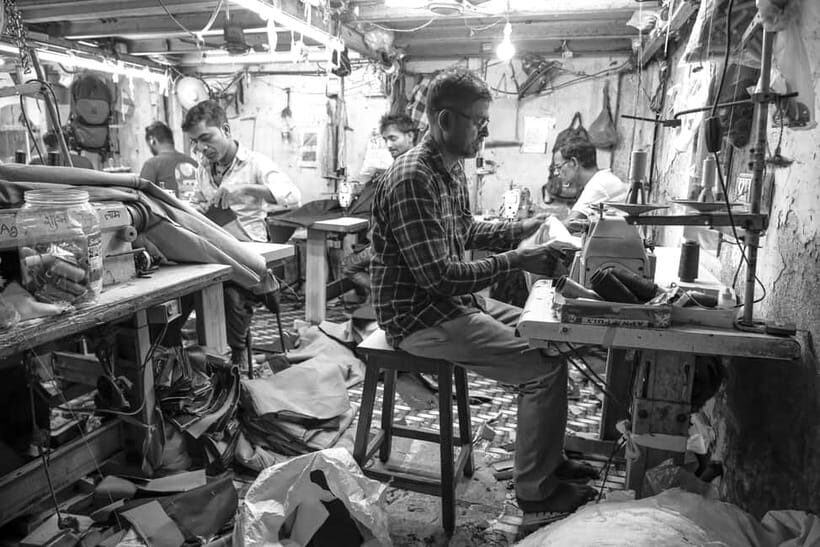
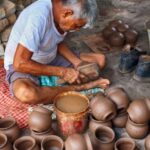
Then you’ll pass through workshop-style areas where crafting is the main activity. One standout mentioned in the tour description is pottery workshops, where artisans shape and design ceramics with visible skill. Seeing that sort of detail up close changes how you think about creativity here: it isn’t a marketing slogan; it’s work with technique.
The markets and workshops also help you understand local entrepreneurship. People don’t just live in the same area—they build livelihoods there, adapting product choices and processes to what customers want and what materials are available.




Recycling and Small Industry: The Work That Powers the Neighborhood
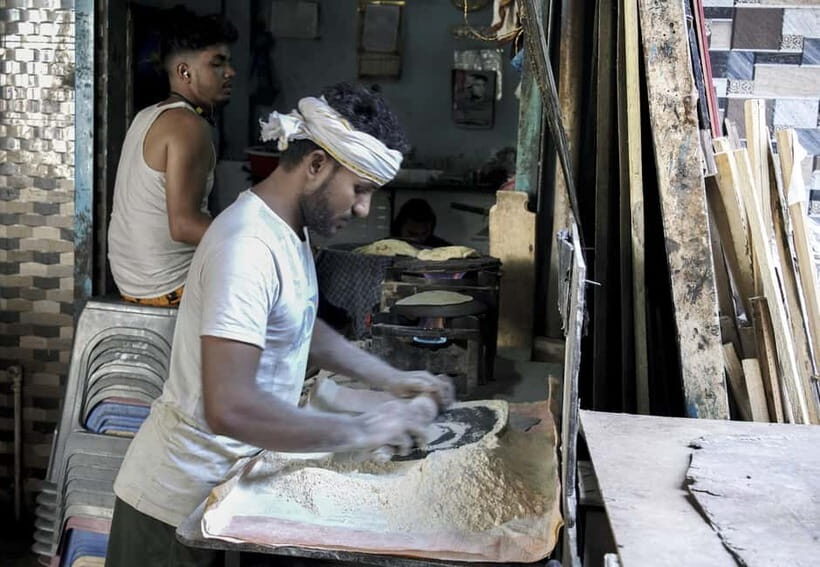
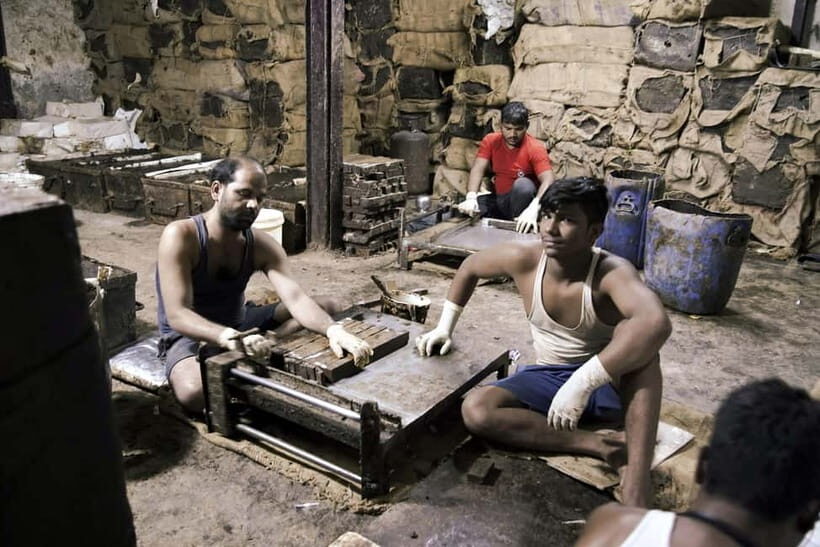
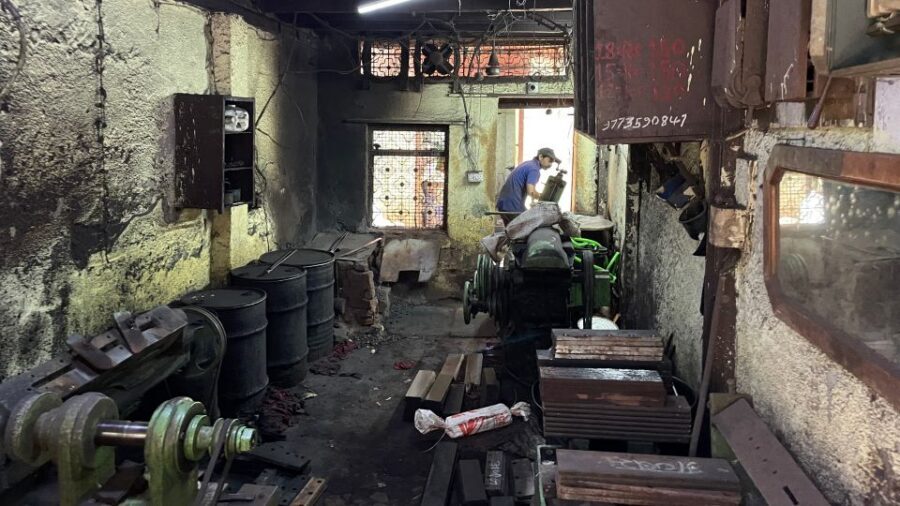
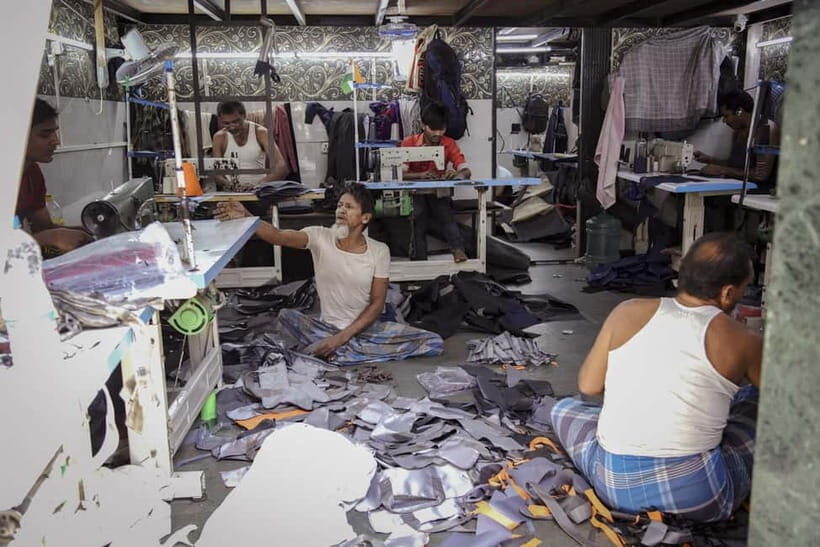
Dharavi is known for industry, and this tour is built to show you that side without losing the human scale. You’ll visit places focused on recycling—plastic, aluminum, and cardboard—and you’ll also see small-scale garment and leather manufacturing units.
This is where the tour becomes more than a sightseeing walk. When you see the steps involved in processing materials, it helps you connect three ideas at once:
- waste becomes raw input
- craftsmanship supports production
- work becomes a community system
It’s also one of the reasons the tour’s timing works. In a short 2 to 2.5 hours, you’re still able to understand the basic chain: material → processing → finished output → sale or use. That chain is what makes Dharavi feel like a working place, not just a backdrop.
Homes Up Close: Rooftops, Apartments, and Real Space Trade-Offs
You’ll also spend time in residential areas, where you can observe how families make the best use of limited space. The tour description highlights both small rooftop houses and private apartment buildings, so you can compare how living arrangements look in different pockets of the neighborhood.
This part is important for two reasons. First, it balances the industrial stops. Recycling workshops and factories show labor; homes show the rest of life—sleep, meals, family routines, and the daily management of limited room.
Second, the housing variety keeps the story from becoming one-note. Dharavi isn’t presented as a single uniform box. You get a sense of how neighborhoods evolve internally, with different building styles and private spaces sharing the same city geography.
Schools Stop: Education Seen as a Daily Priority
The tour includes a visit to local schools. The plan includes interaction with students, along with an emphasis on why education matters for shaping the future of Dharavi.
This isn’t treated like an optional side quest. It’s the final layer that turns your understanding from present-tense survival into future planning. When you connect schools to the rest of the tour—workshops, markets, and homes—you start to see education as part of how families think long-term in a place with constant pressure.
In practice, the school stop gives you a moment of quieter reflection after the noise of streets and work zones. It also helps you remember that this is a community of kids and families, not only of labor and commerce.
Price and Value: Why $9 Feels Like a Deal for This Route
At $9 per person for a 2 to 2.5 hour guided walk, this tour is priced for value. You’re paying for a live English guide, a structured route through different parts of Dharavi (streets, workplaces, homes, and a school), and entrance fees that are included.
That’s the key point: you’re not just paying for walking. You’re paying for interpretation—someone helping you understand what you’re seeing, where you’re standing, and how the pieces connect.
If you choose pickup and drop-off, you also get a comfortable car ride and water bottles. For many visitors, that small convenience is part of the overall value, because it reduces fatigue and makes the tour feel easier to start and finish.
Who Should Book This Dharavi Slum Community Tour
This is a great fit if you want an honest, street-level look at Mumbai that goes beyond postcards. You’ll likely enjoy it most if you’re curious about how work and community connect—especially recycling, small manufacturing, markets, and day-to-day family life.
It’s also a smart choice if you prefer guided context over self-guided wandering. With Rukaiya’s patient answering and encouragement of questions, you won’t feel like you’re guessing at meanings.
One consideration: this is a neighborhood walk, not a staged museum. Expect narrow lanes, crowds, and moments that may feel emotionally heavy. If you’re sensitive to that—or if you need wide open spaces to feel comfortable—you might want to think carefully before booking.
Should You Book It?
I’d book this tour if you want a short, guided way to understand Dharavi through real places: workplaces, homes, and a school. The guide support matters a lot here, and the repeated praise for Rukaiya’s kindness, patience, and safety awareness is exactly what makes the difference for first-time visitors.
Skip it only if your ideal tour is low-stimulation and strictly “pleasant sightseeing.” Dharavi is a working neighborhood with real conditions. If you’re okay with that reality and you come with respectful curiosity, you’ll likely leave with a sharper, more human view of how this community functions.
FAQ
How long is the Mumbai Dharavi slum community tour?
The tour lasts about 2 to 2.5 hours.
Is there a live guide, and is the tour in English?
Yes, it’s a live guided tour, and the guide speaks English.
Where do I meet the group, and will I be dropped off again?
Meeting point can vary depending on the option you book, but Third Wave Coffee is listed as a starting option. Drop-off locations also include Third Wave Coffee.
Does the tour include pickup and drop-off?
Pickup and drop-off are available as an option. That includes a comfortable car ride and complimentary water bottles.
What parts of Dharavi will the tour cover?
You’ll walk through Dharavi’s streets and alleys, see markets and workshops, visit residential areas, and visit local schools.
Are entrance fees included in the price?
Yes. Entrance fees are included in the tour price.
Is there a private group option?
Yes, private group availability is offered.
FAQ
What’s the cancellation policy for this tour?
You can cancel up to 24 hours in advance for a full refund.
Is reserve & pay later available?
Yes. You can reserve now and pay later, with no payment needed today.