REVIEW · NEW DELHI
Delhi: Private Tour of Old & New Delhi with Optional Tickets
Book on GetYourGuide →Operated by Tajmahal Tours Agra · Bookable on GetYourGuide
Delhi gets loud fast—and that’s the point. This private day strings together Old Delhi’s landmarks and markets with New Delhi’s grand monuments, so you feel the city in one go. I especially like the way the route balances walking, photos, and guided stops, and the practical pacing that gives you time to regroup. One thing to watch: depending on your option choices and guide style, you may spend more time in markets or inside stops than you expected.
I also like the behind-the-scenes setup: pickup in New Delhi, Noida, or Gurugram, an air-conditioned car, bottled water, and skip-the-line access when you choose the entry-ticket option. The guides also come with multiple language choices (Hindi, English, French, German, Spanish, Bengali, Bihari), which helps you get more out of each site. The main drawback is simple—Old Delhi includes tight lanes and a rickshaw add-on that is paid by you, so you’ll want to budget for it and keep your day flexible.
In This Review
- Key things to know before you go
- The value in a private Old + New Delhi route
- Jama Masjid first: a powerful start in Old Delhi
- Chandni Chowk + Kinari Bazaar: where your senses steer the walk
- Khari Baoli spice market: use your nose, not just your eyes
- Agrasen Ki Baoli: a quieter pause that makes the day make sense
- Photo stops that still matter: Red Fort, Rashtrapati Bhavan, and Parliament
- India Gate with guided time: the moment Delhi feels formal
- Lunch break + the Lotus Temple reset
- Humayun’s Tomb and Qutb Minar: two guided finishes you’ll remember
- Tickets, timing, and how the options affect your real experience
- Where this tour can go off-script: rickshaws, shopping pressure, and expectations
- Who this private Delhi tour is best for
- Should you book this private Old & New Delhi tour?
- FAQ
- How long is the tour?
- Is this a private tour or shared?
- Where can the guide pick me up?
- Are monument entrance tickets included?
- Is lunch included?
- Is the rickshaw ride included?
- What languages are available for the live guide?
- Is the tour wheelchair accessible and can I cancel if plans change?
Key things to know before you go
- Private guide + private driver: you control the pace and you’re not stuck in a big group rhythm.
- Guided entry at Jama Masjid and Qutb Minar: these are the stops where having someone explain what you’re looking at really helps.
- Market senses on full display: Chandni Chowk plus Khari Baoli means sights, smells, and shopping energy.
- Rickshaw is optional but not free: it’s listed as paid by you, so plan for it.
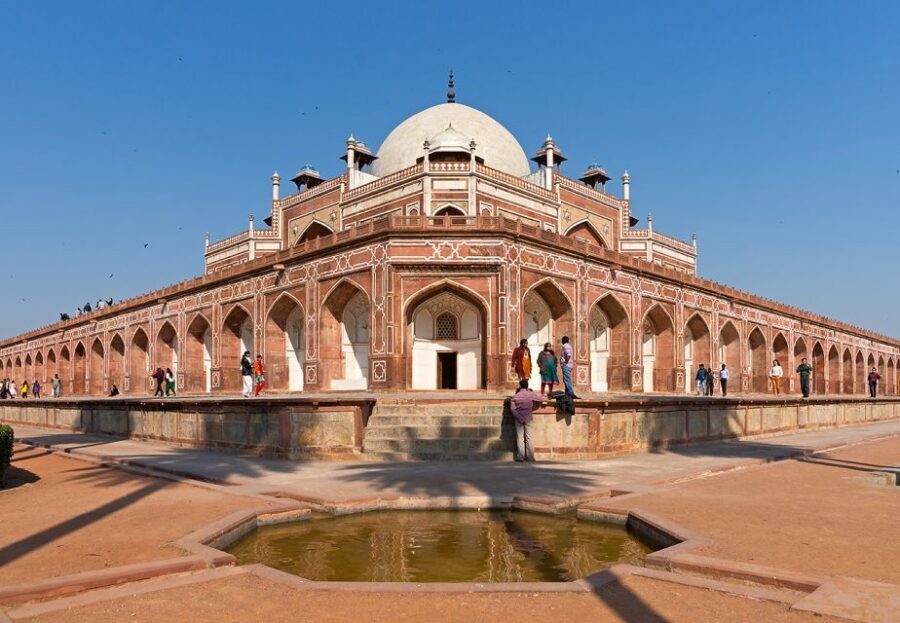
- Monuments mix guided and photo stops: Red Fort, Rashtrapati Bhavan, and Parliament are photo stops, while India Gate and the tombs are guided.
- You pick your extras: entrance tickets and lunch are optional upgrades, not automatic.
The value in a private Old + New Delhi route
This is the kind of tour that makes sense when you have limited time and you want both sides of Delhi. Old Delhi is about moving through crowds and classic lanes—Jama Masjid, Chandni Chowk, stepwells, spice smells. New Delhi shifts into wide avenues and major landmarks—India Gate, Lotus Temple, Humayun’s Tomb, and Qutb Minar.
What stands out for me is the structure. You get a comfortable ride between zones, and then you get guided time where it counts. One big win: the tour lists skip the line through a separate entrance, which matters at busy sites. And because it’s private, your guide can spend time answering questions instead of rushing to keep everyone together.
The price point is also worth thinking about. At $39 per person for an 8-hour private tour (with a car, guide, and driver), you’re paying for logistics and interpretation more than ticket value. Your final spend can rise if you choose entrance tickets and buffet lunch, but even then, it can still come out to solid value compared to piecing everything together with multiple drivers and separate tickets.
A few more New Delhi tours and experiences worth a look



Jama Masjid first: a powerful start in Old Delhi
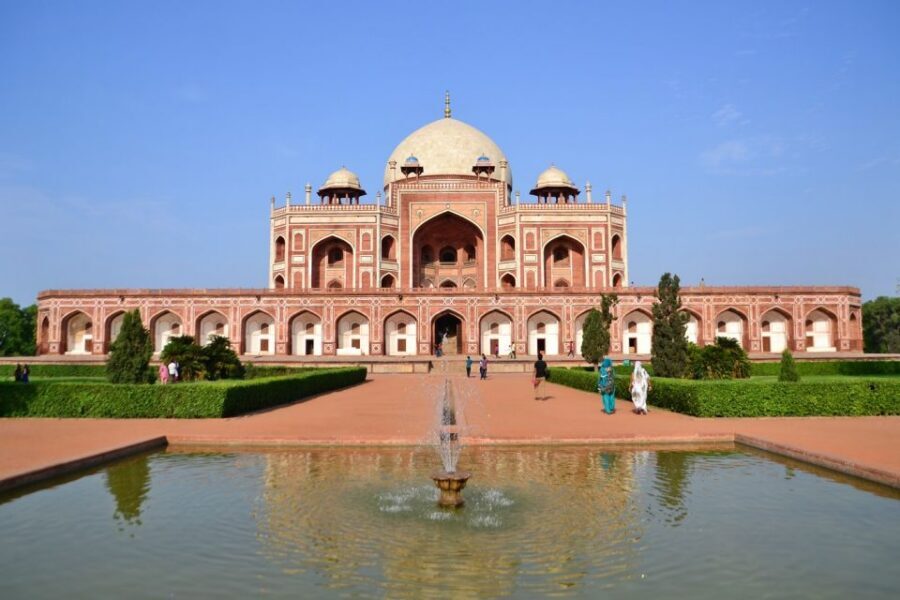
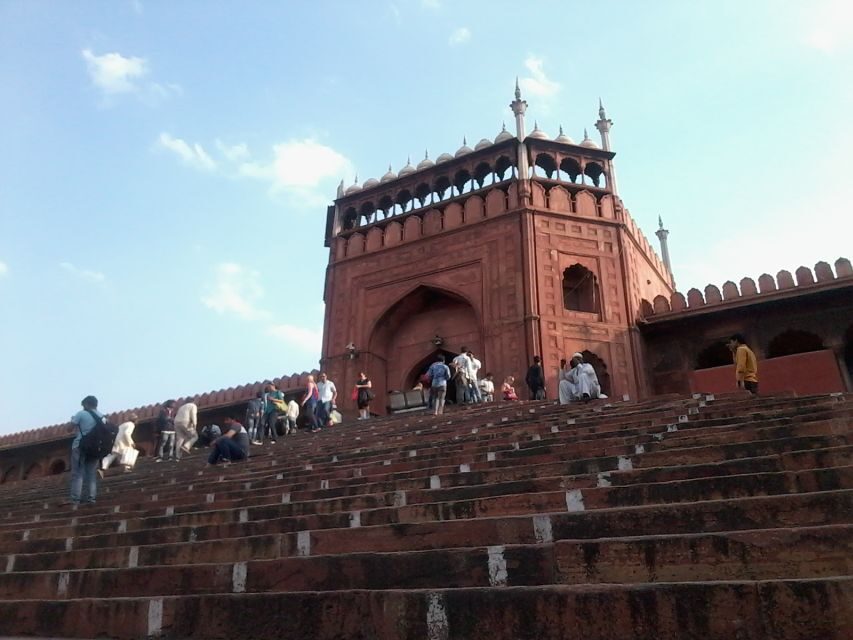
The day starts with Jama Masjid, one of India’s largest mosques, with guided time on site. Starting here works. You walk into a landmark that instantly sets the tone for Old Delhi—scale, movement, and the sense that this place isn’t just a photo stop.
I like guided time for Jama Masjid because you’re not just looking at architecture; you’re also learning how to read the space. You’ll also understand the flow of people better, which helps you stay comfortable even if the crowd energy is high.
One practical note: mosque visits usually come with dress and behavior expectations, and Delhi can be hot and busy. So I’d plan simple, comfortable clothing you can adjust if you need to cover up quickly. The tour includes bottled water, but the best strategy is to keep your schedule light and your head clear early in the day.
Chandni Chowk + Kinari Bazaar: where your senses steer the walk
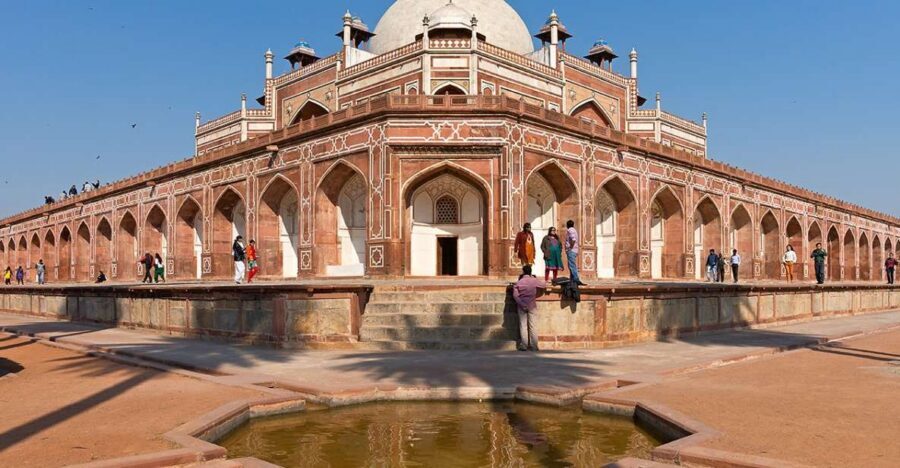
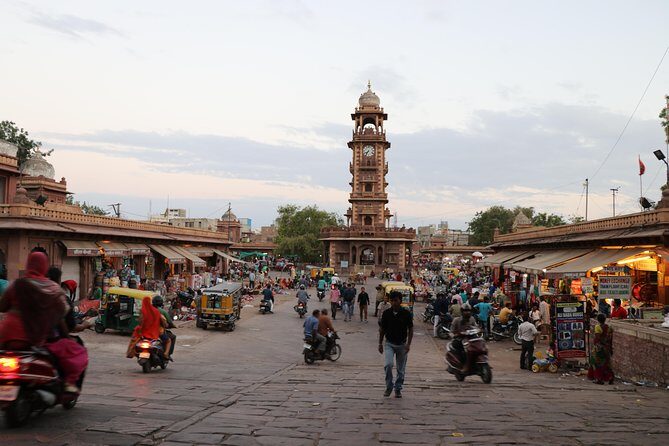
After Jama Masjid, the route moves into Chandni Chowk Market with guided time. This is where the tour turns from landmark viewing into real everyday Delhi. You’ll pass vendors selling shiny jewelry, vibrant textiles, heaps of sweets, and fragrant spices—so you can actually see how people shop, snack, and bargain.
Then the tour adds a ride through narrower lanes of Kinari Bazaar Market by rickshaw (paid by you). That detail matters. Walking is doable, but Old Delhi’s lane layout can make it tiring fast. The rickshaw bit is a smart option for keeping the day enjoyable, as long as you budget for the add-on and confirm the cost with your guide before you hop in.
For me, the best part of these market zones is that you’re not only watching—you’re learning what to look for. Your guide can point out what’s worth stopping for versus what’s mostly there to pull you into a sales pitch. And that leads to an important planning tip…
Khari Baoli spice market: use your nose, not just your eyes
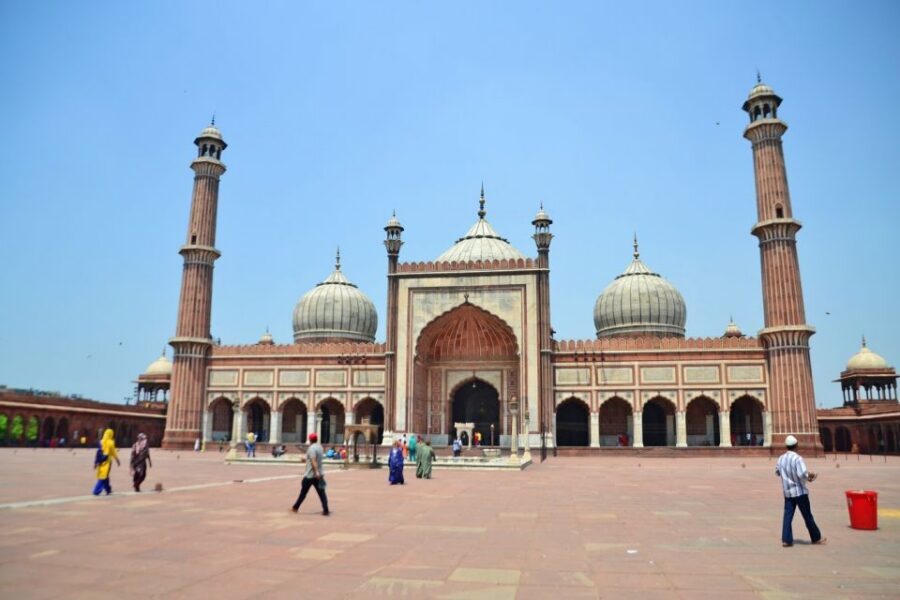
Khari Baoli Spice Market is listed as the largest of its kind in Asia, and the tour leans hard into the aromas. This is a stop where the guide’s job is to help you slow down. Spices move in layers—smell first, then color, then texture.
If you like food and home-kitchen cooking, this is a highlight. You’ll see what spices look like in bulk, and you’ll get a feel for Delhi’s spice culture. Even if you don’t buy anything, it’s one of those stops that makes the city feel real, not staged.
If you do shop, keep two rules. First, don’t buy out of surprise—think about what you can realistically use when you get home. Second, if you feel a sales push getting too intense, it’s okay to change direction and just keep walking with your guide. The tour format is private, so you don’t have to “endure” someone else’s shopping agenda.
Agrasen Ki Baoli: a quieter pause that makes the day make sense
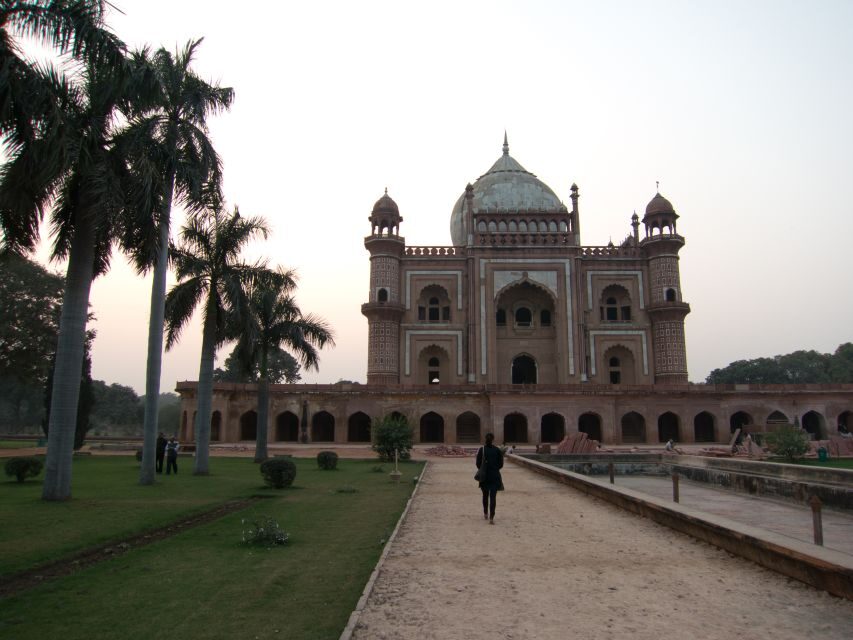
Next you stop at Agrasen Ki Baoli, an ancient stepwell built by Hindu king Ugrasen in the 5th century. This is a nice change of pace after market noise. A stepwell isn’t just a photo landmark; it’s part of how people historically managed water and built community spaces.
I like putting this stop mid-day because it cools your brain. You’ve been absorbing visual information from multiple directions. Then you shift into a site where you naturally slow down and look.
This is also where you’ll appreciate a good guide—because stepwells can look mysterious if you only see them for a few seconds. With guided time, you can connect the dots between the architecture and why it mattered.
You can also read our reviews of more private tours in New Delhi





Photo stops that still matter: Red Fort, Rashtrapati Bhavan, and Parliament
Your itinerary then moves into a cluster of major-government and heritage points. Red Fort is listed as a photo stop, and so are Rashtrapati Bhavan and Parliament Building. Even as photo stops, these are useful in a “big picture” tour.
Why? Because they help you understand Delhi’s layout: Old Delhi’s intimacy gives way to New Delhi’s ceremonial geometry. You can quickly see how the city planned and preserved its symbolism.
Still, photo stops can feel short if you expected full guided time at each site. The best way to avoid that disappointment is to go into the day knowing you’re buying time-efficient access, not equal attention at every monument.
India Gate with guided time: the moment Delhi feels formal
India Gate is listed with guided time, and it’s also connected to a WWI memorial. This is where the tour becomes calmer and more reflective, at least for a bit. You’re no longer in a lane with vendors pressing in from all sides. You’re in a more open, formal space.
I find India Gate a good “breathing” stop, especially after markets. Your guide can explain what you’re looking at so you don’t just treat it like a monument backdrop.
If you’re sensitive to crowd motion, this is one of the stops where the tour structure works in your favor. You’ll get a guided walk, then you can decide how long you want to stay for pictures.
Lunch break + the Lotus Temple reset
Lunch is built into the day as free time, and there’s an optional buffet lunch choice. The tour route places this before Lotus Temple, which is smart. You’ll refuel, then step into a quieter kind of beauty.
Lotus Temple is described as flower-shaped, and it’s listed with guided time. This helps because the temple’s design can look simple from a distance, but it feels more meaningful once you understand how to approach it and what to focus on.
Practical tip: if you choose buffet lunch, you’ll likely feel more settled after. If you skip it, plan to eat something nearby so you don’t get the post-lunch energy crash halfway through Humayun’s Tomb and Qutb Minar.
Humayun’s Tomb and Qutb Minar: two guided finishes you’ll remember
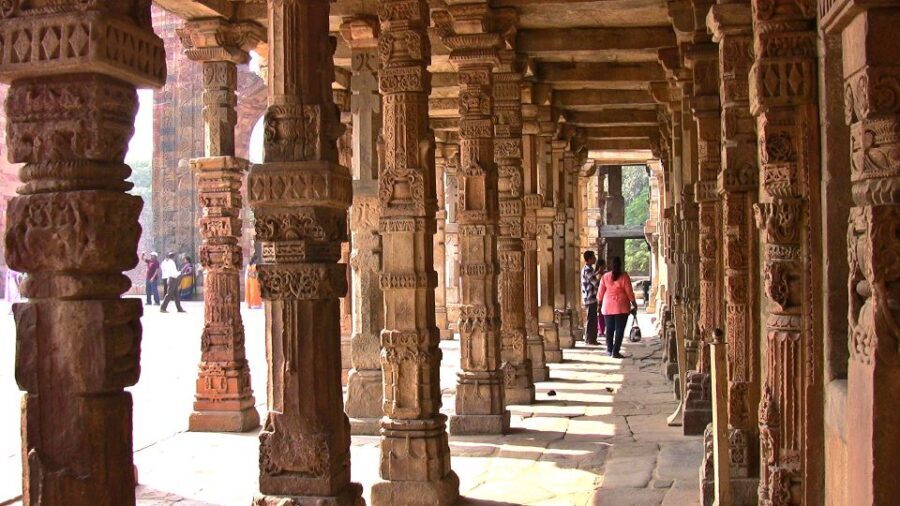
The later part of the tour is where Delhi’s monument storytelling really clicks for me.
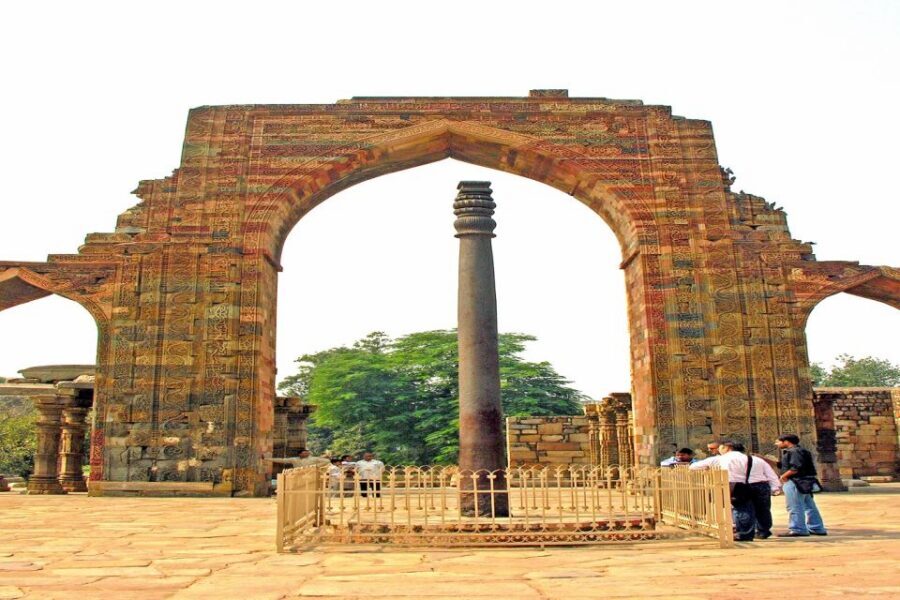
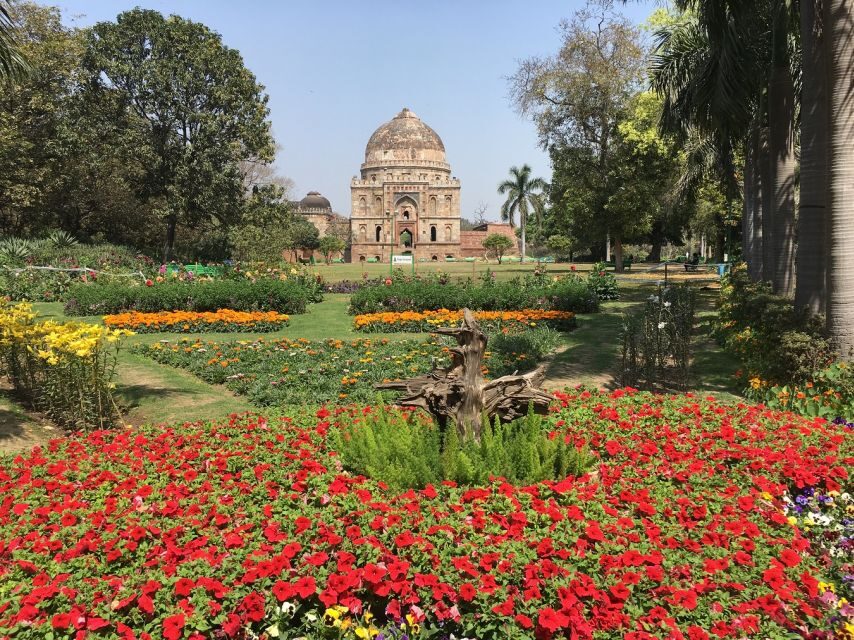
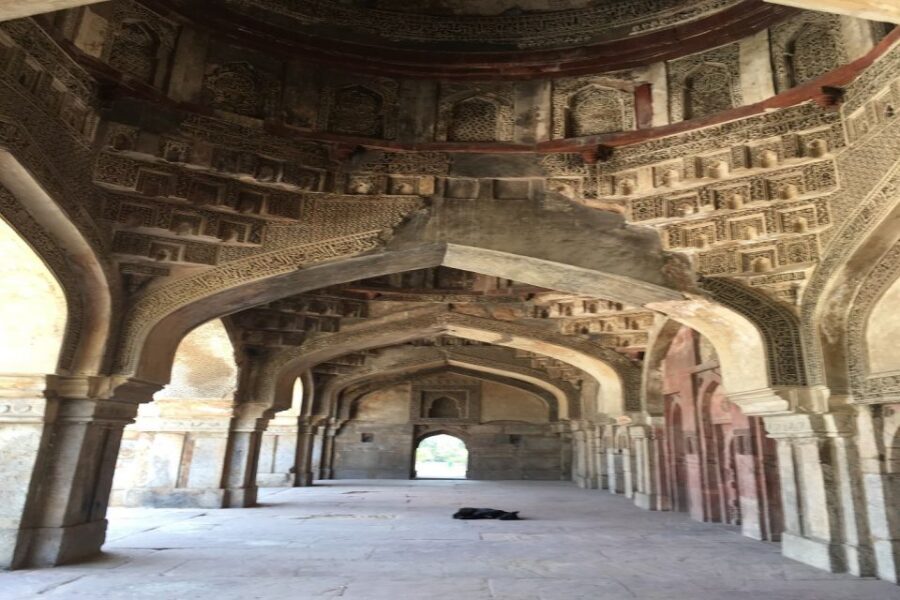
Humayun’s Tomb is described as the first Mughal mausoleum in India, with guided time. After that, the route continues to Qutb Minar, described as the first Muslim structure in India and listed at 72 meters high, again with guided time.
These two stops are a strong end to the day because they’re not just “look up at it” moments. Guided time gives you something to hold onto: context for what you’re seeing, what makes each site different, and what details are worth slowing down for.
Also, if you’re the type who likes taking good photos, Qutb Minar’s height matters. You’ll naturally want angle and framing, and guidance can help you find viewpoints without wasting time.
Tickets, timing, and how the options affect your real experience
The tour includes entrance to monuments if you select the ticket option, otherwise you may do more viewing from the outside. Since your itinerary includes several big-name sites, this is one of the key decisions that affects your day.
If you want the most value, choose the option that matches your priorities:
- If your goal is full on-site access at the major monuments, pick the monument entry option.
- If you just want the highlights and don’t care about inside access, the no-ticket option can still work.
- If you want fewer decisions mid-day, selecting buffet lunch can simplify things.
The tour also lists bottled water, a driver, and fuel/tolls/parking fees. That’s not flashy, but it’s the stuff that keeps your day from turning into a scavenger hunt.
Where this tour can go off-script: rickshaws, shopping pressure, and expectations
This tour’s strongest reviews point to guides who arrive on time and keep things respectful, and that matters. In one best-case scenario, the guide comes when expected, stays polite, and keeps you moving through each stop with calm attention.
But there’s a clear consideration to plan for: market and shopping time. In the mix of Chandni Chowk, Khari Baoli, and street bazaars, some guide styles can include extra stops in shops or workshops. That can turn your day from sightseeing into sales conversations. If you don’t want that, ask your guide up front how they handle market time—how much is for looking, how much is for shopping, and whether you’ll be pushed into a purchase pitch.
Also watch the rickshaw component. The tour lists that rickshaw is paid by you for the Old Delhi lanes. Confirm the cost before you agree, and don’t assume it’s a fixed flat fee.
Finally, keep your expectations about monument time realistic. Some monuments are listed as photo stops, and if you expected guided time everywhere, it won’t feel even. You’ll enjoy it most if you treat the day as a highlights sampler with guided depth at key sites like Jama Masjid, India Gate, Lotus Temple, Humayun’s Tomb, and Qutb Minar.
Who this private Delhi tour is best for
I’d put this tour on your shortlist if you:
- Want Old + New Delhi in one day without hiring separate drivers for each side.
- Like guided explanation at major sites and don’t mind markets as part of the package.
- Prefer a private experience with flexible pickup and drop-off options.
- Are okay paying extra for optional entrance tickets and buffet lunch if those match your plans.
It’s not ideal if you:
- Hate shopping pressure and want zero detours in markets.
- Want long guided time at every single monument.
- Get frustrated easily when the day includes photo-only stops.
Should you book this private Old & New Delhi tour?
If you want a high-density day that covers major landmarks and the sensory core of Old Delhi, this tour can be a smart buy. The combination of private logistics, guided time at several top sites, and skip-the-line access (when you choose ticket options) makes it practical.
Before you book, do one thing that saves headaches: tell your guide your priorities. Ask whether you’ll be taking your time at marketplaces for browsing only, confirm the rickshaw cost if you plan to ride, and choose ticket/lunch options based on whether you want inside access and a proper sit-down meal.
If you like structure, history without getting lost, and a day that shows you Delhi as it really operates, you’ll likely enjoy this one.
FAQ
How long is the tour?
The duration is listed as 8 hours.
Is this a private tour or shared?
It’s a private group tour.
Where can the guide pick me up?
Pickup is included from hotels in New Delhi, Noida, or Gurugram, and also from New Delhi Airport. The activity lists multiple pickup options across Delhi/NCR.
Are monument entrance tickets included?
Entrance is included only if you choose the option that includes monument entry. The tour also notes skip-the-line access through a separate entrance.
Is lunch included?
Lunch is available as an option. If you select the buffet lunch option, it’s included; otherwise you’ll have lunch time/free time.
Is the rickshaw ride included?
No. The rickshaw ride in Old Delhi is listed as paid by you.
What languages are available for the live guide?
The guide can speak Hindi, English, French, German, Spanish, Bengali, and Bihari.
Is the tour wheelchair accessible and can I cancel if plans change?
The tour is listed as wheelchair accessible. Cancellation is free up to 24 hours in advance for a full refund.