REVIEW · MUMBAI
Mumbai Private Cultural Tour with Lunch and Transport
Book on Viator →Operated by World of Bollywood Tours · Bookable on Viator
Mumbai reveals itself when you ride with locals. This private cultural tour in Mumbai is built around everyday routines—work, food, prayer, and travel—so the city feels less like a checklist and more like a living place. You get hotel pickup and drop-off plus a guide who can explain what you’re seeing, not just where to stand for a photo.
I especially like two parts. First, Dhobi Ghat and the open-air laundry scene make daily life tangible in a way most stops never do. Second, the day includes included lunch and street-food-style moments where you can learn what locals actually order and when they eat. Past guests have highlighted guides like Sho, Tiger, and Devu for being relaxed, clear, and good at keeping things from feeling rushed.
The main thing to consider is pacing. It’s a 5 to 6 hour private loop with many short stops, and you’ll be out in busy areas and market streets—so wear shoes you can move in and expect some crowd-and-traffic friction.
In This Review
- Key Things That Make This Tour Worth Your Time
- Everyday Mumbai: Why This Private Route Works
- Price and Logistics: What You’re Really Paying For
- The Smart Pacing: Stop-by-Stop Through Mumbai’s Daily Life
- Crawford Market: Where Everyday Buying Happens
- Bandra Fort: Photos With Local Energy
- Bandstand Promenade and Jogger’s Park: See How People Move
- Mount Mary Basilica: A Quiet Contrast
- Juhu Beach: Street Food Culture by the Water
- Gateway of India: Big Monument, Quick Context
- Dabbawala Tribute Statue: Lunch Delivery as a System
- Khar Danda: Fish Market Life Up Close
- Dhobi Ghat: The Open-Air Laundry That Runs Daily
- CSMT Heritage Museum: When Transit Becomes Architecture
- Lunch and Food: What to Order and How to Eat Like a Local
- What the Guides Do Well (And Why That Matters)
- Comfort, Weather, and Dress Code: A Practical Checklist
- Who Should Book This Tour?
- Should You Book It?
- FAQ
- FAQ
- How long is the Mumbai Private Cultural Tour?
- What’s included in the price?
- Is the tour private?
- Do I get help with tickets?
- What food options are available?
- Is alcohol included?
- What kind of clothing should I bring?
- Does the tour run in bad weather?
- Is there a fitness requirement?
Key Things That Make This Tour Worth Your Time
- Private guide context: explanations of customs tied to work, eating, prayer, and travel
- Dhobi Ghat open-air laundry: a working system you can watch up close
- Dabbawala history and efficiency: learn how lunchbox deliveries run without modern tech
- Coastal Mumbai stops: Bandstand Promenade, Juhu Beach, and views around Bandra
- Crawford Market + fish markets: real commerce, not staged shopping
- Hotel pickup and drop-off with private vehicle: reduces the stress of doing this on your own
Everyday Mumbai: Why This Private Route Works

Mumbai has a way of overwhelming first-timers. Noise, traffic, and constant movement can make it hard to tell what matters. This tour solves that by focusing on how people live, not just big monuments. You’ll see fishermen working, people hanging around promenades, and daily systems that keep the city fed and moving.
Because it’s private, you’re not stuck in a one-size-fits-all group schedule. Your guide can steer you through the same city streets with a different lens—explaining customs, pointing out what’s practical to notice, and helping you understand why certain places are meaningful beyond tourism.
A big bonus: the experience is designed to be readable in one go. You’re not traveling far across town all day with long transfers. Instead, you bounce between neighborhoods and landmarks that tie together into a single story about Mumbai’s rhythm: markets → sea air → temples and churches → transit → laundry and delivery work.
You can also read our reviews of more private tours in Mumbai


Price and Logistics: What You’re Really Paying For
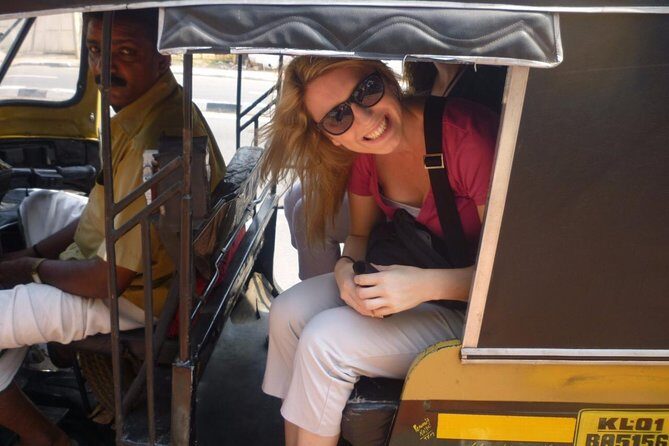
At $130 per person, this isn’t an ultra-budget option. But it also isn’t just paying for someone to drive you around. You’re paying for several things that add up in Mumbai:
- Private transport plus hotel pickup and drop-off, which can be the hardest part to DIY
- A local guide who can explain the cultural logic behind what you see
- Lunch and bottled water / light refreshments, so you’re not forced into constant snack-hunting
- A mobile ticket (small thing, but it helps when you’re coordinating in a fast-moving city)
The value is strongest if you’re short on time or you’d rather spend your energy noticing details instead of navigating traffic and transit yourself. If you already love building your own routes, you might find parts of it easy to replicate. But doing it privately, with context, is where this tour earns its cost.
Also, alcohol is not included (it’s available to purchase), which keeps the day focused and flexible for different traveler styles.
The Smart Pacing: Stop-by-Stop Through Mumbai’s Daily Life
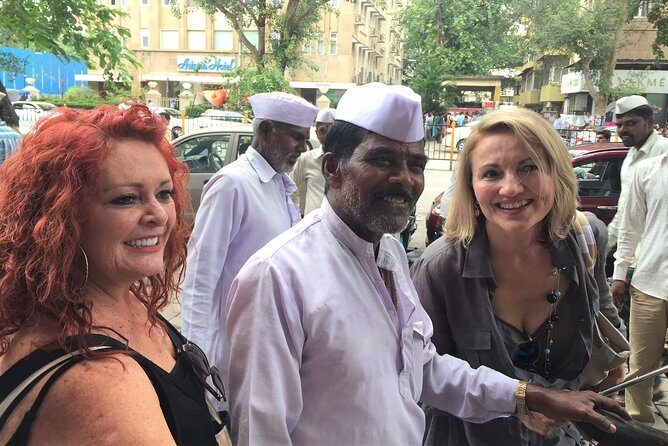
This is the kind of tour where each stop is short enough to keep momentum, but meaningful enough to feel like more than passing through. Expect quick transitions, short walks, and frequent “look at this” moments.
Crawford Market: Where Everyday Buying Happens
Crawford Market is a large wholesale-style market where you can see the machinery of the city in motion—fruits, vegetables, and utilitarian household items. It’s the sort of place where visuals hit fast: stacks of produce, busy stalls, and that real-market rhythm.
Why it’s worth it: you get a window into how food supply and daily consumption connect. Instead of thinking about Mumbai as a set of attractions, you start thinking about it as logistics and labor.
Watch-outs: markets can get crowded, and it can be intense on the senses. Go slow with your photos and give yourself a minute to breathe before you move on.
Bandra Fort: Photos With Local Energy
Bandra Fort is a picturesque viewpoint popular with locals. You’ll get a chance to look out, take photos, and feel the neighborhood atmosphere without it turning into a huge show for tourists.
Why it’s worth it: it’s a break from market heat and city noise, with scenery that doesn’t require a ticket or a long line.
You can also read our reviews of more historical tours in Mumbai



Bandstand Promenade and Jogger’s Park: See How People Move
Bandstand Promenade is where locals come to walk, jog, and hang out. Nearby, Carter Road’s jogger-style park keeps the same vibe: movement, casual routines, and ocean-adjacent air.
Why it’s worth it: Mumbai isn’t only work and commerce. These pauses help you understand how people pace their day.
Practical tip: if you want photos, come ready for people in the frame. This is a real social space, not a cleaned-up backdrop.
Mount Mary Basilica: A Quiet Contrast
Mount Mary Basilica adds a spiritual stop to balance the day’s street energy. Even if you’re not religious, it helps to see how faith spaces fit alongside commerce and daily errands.
Why it’s worth it: it shows how prayer and public life coexist in the same neighborhoods.
Juhu Beach: Street Food Culture by the Water
Juhu Beach is paired with food stalls where people try local snacks and meals. This is a good moment to understand Mumbai’s habit of eating out and grabbing bites while you’re out and about.
What you might enjoy: simple beach-side bites and casual ordering. If you have a vegetarian preference, you can ask in advance so your lunch route and snack options stay comfortable.
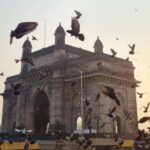
Gateway of India: Big Monument, Quick Context
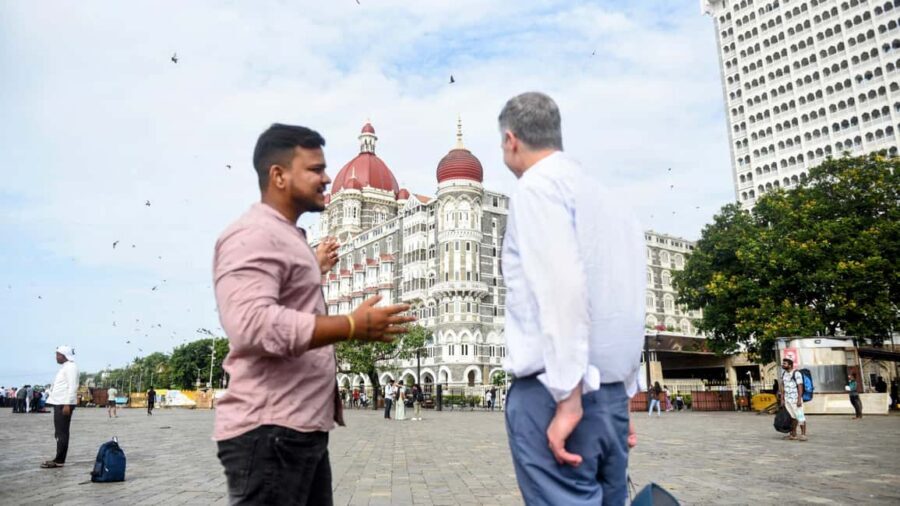
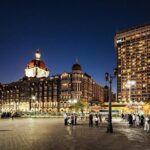
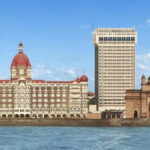
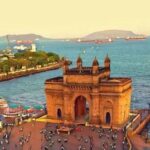
Gateway of India is iconic, and this stop keeps it short. You get the landmark experience without turning the entire day into monument sightseeing.
Why it’s worth it: it gives you a familiar anchor point in the middle of the more local, work-focused stops.
Dabbawala Tribute Statue: Lunch Delivery as a System
The dabbawala concept is one of Mumbai’s most practical cultural stories. At the dabbawala tribute statue, you’re shown how lunchbox work runs efficiently without modern technology, and how the system supports workers across the city.
Why it’s worth it: this is Mumbai’s “invisible” infrastructure—an everyday service that helps people work with food organized.
How to get the most: listen for how coordination and routine do the heavy lifting. The story lands best when you treat it like operations, not trivia.
Khar Danda: Fish Market Life Up Close
Khar Danda is a local fish market, and the stop is designed to show you how fisher women sell fresh fish. It’s one of those moments where you quickly see labor, supply, and customer demand in real time.
Why it’s worth it: it connects the sea to the market, and the market to the plate. You’ll start noticing which parts of the city support each other.
Consideration: it’s a work environment. Keep your movements respectful and avoid blocking stalls while you shoot.
Dhobi Ghat: The Open-Air Laundry That Runs Daily
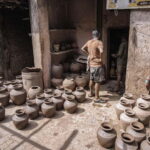
Dhobi Ghat is the big wow factor. It’s described as the biggest open-air laundry in the world, and the point of the stop is to show washermen’s work in an active setting.
Why it’s worth it: this is one of the most human-scale cultural encounters in Mumbai. You see garments, processes, and the daily maintenance of a service people depend on.
Note on expectations: you’re there to watch a working place. It’s not a museum, and it’s not staged. Treat it like a snapshot of labor.
CSMT Heritage Museum: When Transit Becomes Architecture
CSMT is the major train station in India, and it’s also visually impressive. The heritage side of the experience helps you see transit as more than transportation—Mumbai’s motion is part of its identity.
Why it’s worth it: after markets, beaches, and work sites, a major station brings the day’s theme full circle: how people and goods move.
Lunch and Food: What to Order and How to Eat Like a Local
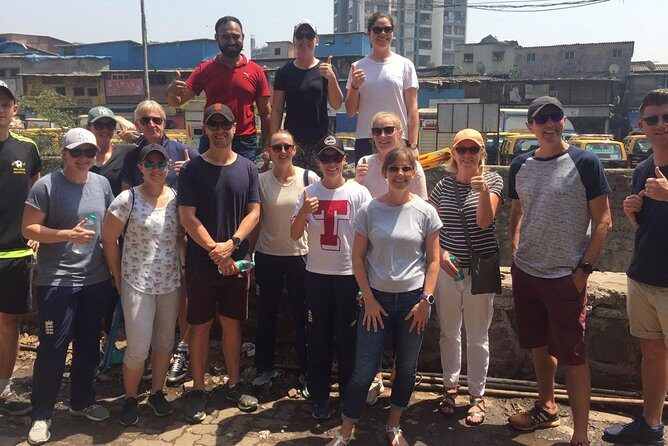
Lunch is included, and it’s not just filler. The day’s food setup tends to make sense: quick local snacks while you’re outdoors, then a proper lunch sit-down so you don’t crash in the afternoon.
A strong recommendation you may want to follow during your lunch stop is Cafe Metro, where chicken Nargisi and garlic naan are often mentioned as standouts. If you’re vegetarian, you can request a vegetarian option at booking time so lunch matches your needs.
How to plan your appetite: after market and fish-market visuals, you’ll probably feel hungry at different moments. Keep water handy and don’t assume you’ll want a huge meal immediately after leaving one stop. The guide can help you pace snacks and lunch.
If you’re thinking about trying street food, your safest approach is to pick what looks busy and served fresh. You’re touring with a guide, so ask what’s good right now and what’s best to skip if you have a sensitive stomach.
What the Guides Do Well (And Why That Matters)
This tour’s success depends on the guide more than people expect. The best part is not just English explanations—it’s how the guide translates the city’s habits into something you can actually understand.
You may encounter guides such as Sho, Tiger, or Devu, who’ve been described as accommodating, laid back, and strong on keeping the pace comfortable. That matters because Mumbai can feel chaotic. When someone helps you decode what’s happening—why people are there, what the routines mean—you start experiencing the city instead of just seeing it.
Comfort, Weather, and Dress Code: A Practical Checklist
The tour operates in all weather conditions, so dress for real Mumbai conditions. Smart casual is requested, but think in terms of movement:
- Wear comfortable walking shoes, because some areas involve short stretches through busy zones.
- Bring light layers, especially if you’ll be out near the sea or in sun.
- Use a hat/sunglasses if you get sun fast.
You should have moderate physical fitness. Nothing is described as extreme, but the day includes active walking in crowded places and quick transitions.
Who Should Book This Tour?
This private cultural tour is a strong fit if you want:
- A guided understanding of local life, not just monuments
- A day that mixes markets, religious sites, work stories, and transit
- Hotel pickup and drop-off so you can focus on what you’re seeing
It’s also a good choice for first-timers who already know the classic highlights but want the “how Mumbai works” version. If you prefer long museum time or you dislike crowds and fast transitions, you might find this style too stop-heavy.
Should You Book It?
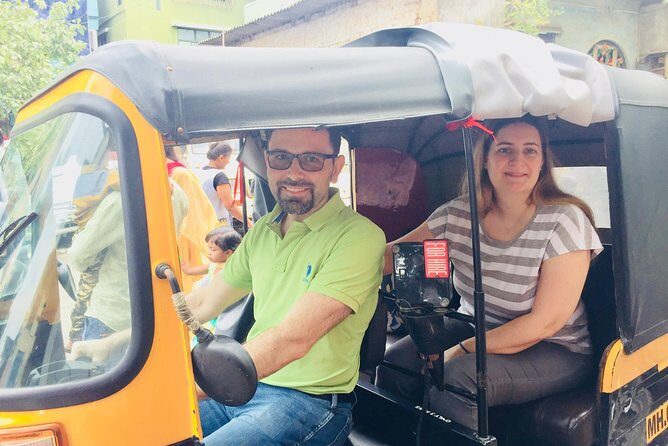
Book this tour if you like your travel grounded in daily life and you want a private guide to translate Mumbai’s routines into something you can understand fast. The included lunch, bottled water, and private vehicle transport make it a low-stress way to hit both iconic locations and working city scenes.
I’d pass only if you’re looking for a slow, relaxed art-and-sightseeing day or if short stops through markets and work areas would overwhelm you. Otherwise, this is a smart way to get a full picture of Mumbai in half a day.
FAQ
FAQ
How long is the Mumbai Private Cultural Tour?
It runs about 5 to 6 hours.
What’s included in the price?
You get hotel pickup and drop-off, transport by private vehicle, a driver/guide and local guide, bottled water, light refreshments, and lunch.
Is the tour private?
Yes. It’s a private tour/activity, so only your group participates.
Do I get help with tickets?
Yes, you’ll receive a mobile ticket.
What food options are available?
Lunch is included, and a vegetarian option is available if you advise at booking.
Is alcohol included?
No. Alcoholic drinks aren’t included, but they are available to purchase.
What kind of clothing should I bring?
The dress code is smart casual.
Does the tour run in bad weather?
It operates in all weather conditions, so dress appropriately.
Is there a fitness requirement?
You should have a moderate physical fitness level, since the day includes walking through active areas.