REVIEW · VARANASI
Varanasi Sunrise Boat Tour
Book on Viator →Operated by Hidden secrets of Varanasi: Vibrant tradition · Bookable on Viator
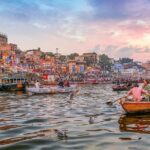
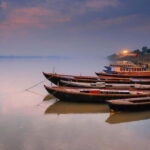
Dawn on the Ganges changes everything. This Varanasi sunrise boat tour is built around the soft golden light as the city wakes up, plus the chance to spot morning rituals right along the banks. What I like most is the sunrise views from the water and the guide-led cultural context, which helps you read what you’re seeing instead of just watching it pass by.
One thing to weigh before you go: the route includes cremation-related ghats, so the sights and symbolism can feel intense. If you’re sensitive to death rituals, treat this as a respectful, educational watch from the boat, not casual sightseeing.
In This Review
- Key highlights worth your attention
- Why a Varanasi sunrise boat feels different than daytime
- Meeting point and when you should plan to arrive
- Your route along the Ganges: four ghats, one focused morning
- Stop 1: Dashashwamedh Ghat and the old Vishwanath Temple area
- Stop 2: Raja Ghat and the Peshwa Amritrao timeline
- Stop 3: Harishchandra Ghat, Adi Manikarnika, and cremation context
- Stop 4: Manikarnika Ghat and the Manikarnika Kund story
- What you’ll notice in the background at dawn
- Price and value: what $22.68 gets you (and what it doesn’t)
- How small groups shape the experience (max 15)
- Respect and expectations: seeing real rituals, not a performance
- Quick practical notes before you book
- Should you book the Varanasi Sunrise Boat Tour?
- FAQ
- How long is the Varanasi Sunrise Boat Tour?
- Where does the tour start?
- How much does the tour cost?
- What is included in the price?
- Is lunch included?
- What are the main stops on the boat route?
- Do I need to buy admission tickets for the ghats?
- Is a mobile ticket used?
- What if the weather is bad?
- What is the cancellation window?
Key highlights worth your attention
- Golden-hour Ganges views with the city in its quietest mode
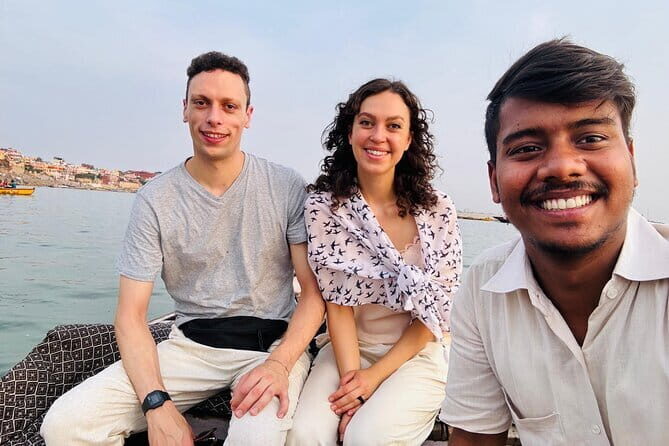
- Small group size (max 15), so your guide can actually explain things
- Guided passes of four major ghats in a focused 1 hour 20 minutes
- Coffee or tea included, so you’re not freezing your hands off for the whole ride
- Real daily practice on the riverbank: yoga, chanting, and holy bathing moments
Why a Varanasi sunrise boat feels different than daytime
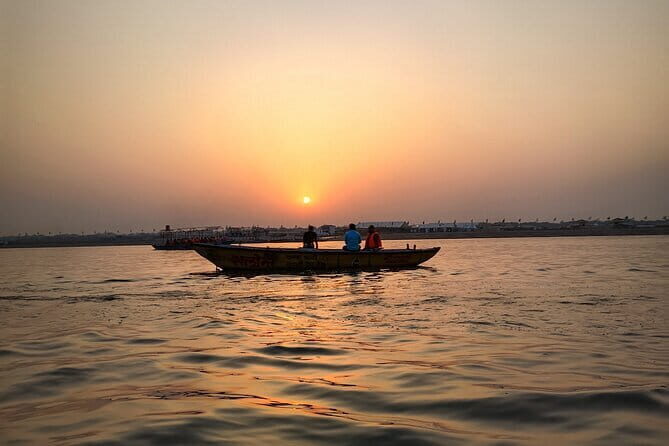
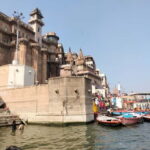
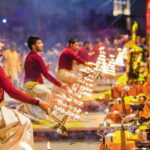
In Varanasi, the Ganges isn’t just scenery. It’s where people start the day, do their prayers, practice yoga, chant mantras, and take holy dips when dawn is still new. On this tour, you’re on the water during that calm window, when the river looks less like a route and more like a moving stage for everyday faith.
I also like that the experience isn’t padded with stops that feel like checkboxes. In about 1 hour 20 minutes, you get a concentrated look at the ghats that define Kashi, without spending the whole morning stuck in crowds on land.
You can also read our reviews of more boat tours in Varanasi

Meeting point and when you should plan to arrive
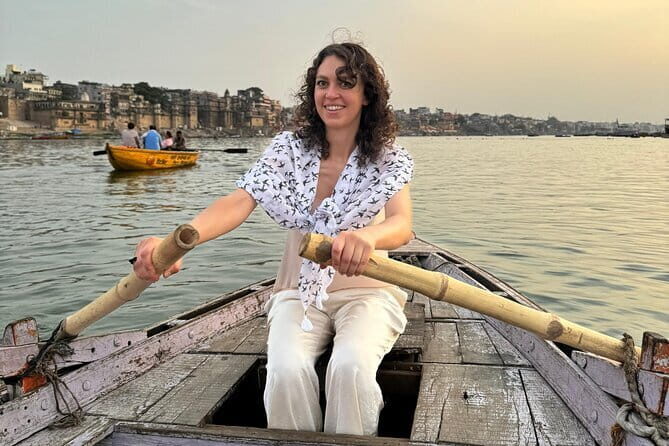
The tour starts at Virtual Experiential Museum Varanasi (8256+39P), at Manmandir Ghat, Bangali Tola. It ends back at the same meeting point, which makes it easier to connect to breakfast or your next activity after you’re done.
Because this is a sunrise departure, plan to arrive a little early so you’re not trying to scramble in the dark. Also note that the experience is weather-dependent—if conditions aren’t right, you’ll be offered a different date or a full refund.
Your route along the Ganges: four ghats, one focused morning
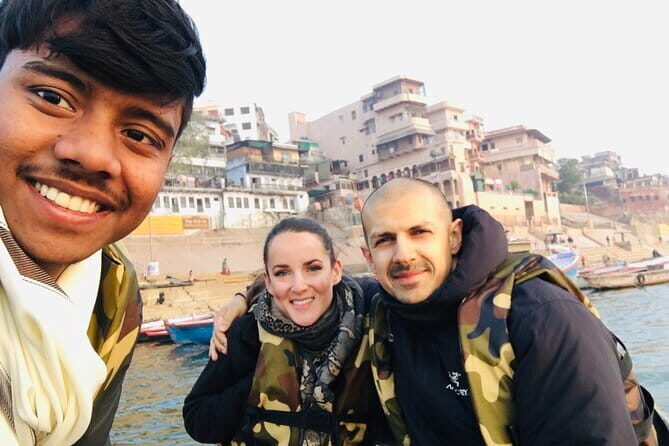
The tour moves along the river with four timed highlights, each about 20 minutes. That structure matters: you don’t have to guess how long you’ll get at each place, and you can settle into watching and listening rather than constantly shifting your schedule.
You’ll also see why the ghats are more than “pretty river steps.” They’re tied to training (mantra recitation and yoga for young Brahmins), worship rhythms, and the life cycle rituals that Varanasi is known for.
Here’s how the morning unfolds, stop by stop.
Stop 1: Dashashwamedh Ghat and the old Vishwanath Temple area
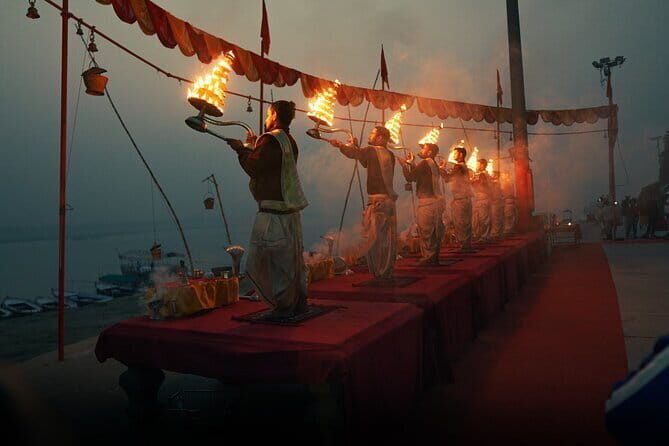
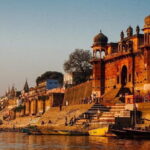
Your first stop is Dashashwamedh Ghat, described as one of the oldest, most spectacular, and important ghats in Kashi. It sits near the old Vishwanath Temple, so even from the river you’re in the neighborhood of major spiritual gravity.
Why this stop works on a sunrise tour: Dashashwamedh is the kind of place where you can feel the city’s intensity even when it looks calm. In the early morning light, the scale is easier to understand, and your guide’s explanations can help you connect the dots between the temple setting and the riverfront rituals.
Practical note: because this is a major ghat, the area can feel busy in general. The boat angle helps you take it all in without getting stuck in the densest areas on foot.
Stop 2: Raja Ghat and the Peshwa Amritrao timeline
Next up is Raja Ghat, built under the directions of Peshwa Amritrao of Pune in 1807. The description even notes that it was later referred to as Amritrao Ghat by James Prinsep in 1831 and Grimes in 1909.
This is a smart contrast stop. While Dashashwamedh pulls you into the oldest spiritual pulse, Raja Ghat adds a historical layer: you’re not only watching ritual life, you’re also seeing how different rulers shaped the riverfront over time.
How it feels from the water: Raja Ghat gives you a clearer moment to absorb what you’ve already learned. You can look, listen, and then think about how long these places have been operating as part of Varanasi’s daily system.
A few more Varanasi tours and experiences worth a look


Stop 3: Harishchandra Ghat, Adi Manikarnika, and cremation context
The tour then reaches Harishchandra Ghat, also known as Adi Manikarnika, meaning the original creation ground. It’s one of the two cremation ghats referenced for this area, and it’s also described as smaller than Manikarnika, which is treated as more significant.
Here’s why this stop matters—even if you’d rather skip it. Varanasi’s relationship with death rituals is part of why the city is historically and spiritually significant. If you came to understand Varanasi beyond photos, this is one of the places where the “why” becomes unavoidable.
One detail I found useful from how guides explain this stretch: some guides will step off the boat to go into more detail so you can follow what you’re looking at. If that happens during your departure, lean in. Ask questions if you have them, but keep your tone calm and respectful.
If you have a strong aversion to cremation-related sights, take a breath and set expectations before this portion.
Stop 4: Manikarnika Ghat and the Manikarnika Kund story
Your final stop is Manikarnika Ghat, identified as one of the five major and oldest pilgrimages and ghats of Kashi. This ghat gets its name from the Manikarnika Kund and the story associated with it.
This is the capstone because it connects the emotional weight of the cremation-related area with the wider idea of pilgrimage. In other words, you’re not only seeing an endpoint of life rituals—you’re seeing a place that fits into Varanasi’s larger spiritual map.
Also, the way the stop is timed—about 20 minutes—keeps it manageable. You get a real chance to look and absorb, but you’re not trapped there long enough to lose focus.
What you’ll notice in the background at dawn
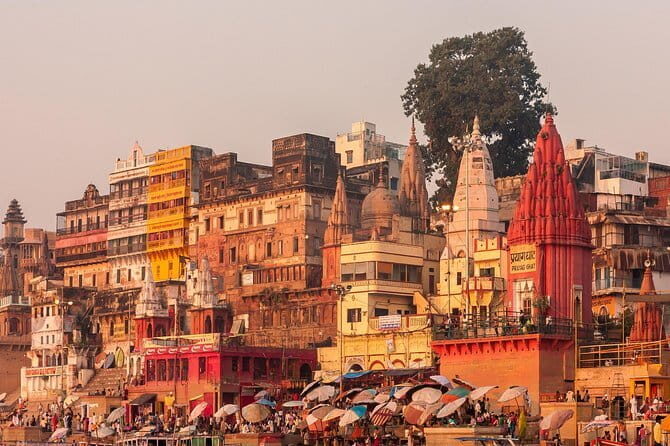
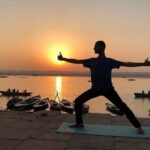
Even with the timed ghat stops, the real magic is what happens between them. As dawn breaks, you may notice locals practicing yoga on the riverbanks, people chanting mantras, and morning rituals like holy dips in the sacred waters.
The tour also points out that you can see young Brahmins training in mantra recitation and yoga. Watching training and worship side by side makes the city feel less like a stage set and more like a living classroom.
And since sunrise is when people are active but not yet fully rushed, the overall mood tends to be calmer. That’s the window where your guide’s explanations really land.
Price and value: what $22.68 gets you (and what it doesn’t)
The price is $22.68 per person, and for Varanasi, that’s a budget-friendly way to get a high-impact viewpoint. The tour runs about 1 hour 20 minutes, and that time is used efficiently: four major ghats, timed viewing, and ongoing explanation.
Value wins for two reasons:
- Coffee or tea is included, so you’re not paying extra just to stay comfortable through the early hours.
- You’re paying for structured interpretation. Instead of staring at river steps and guessing what matters, your guide (Badal Pandey accompanies the experience) explains daily rituals and the significance of what you’re seeing.
What’s not included is lunch. That’s normal for a morning tour, but plan your day so you can eat after you finish. Also, the itinerary lists admission ticket free at the ghat stops, so you’re not hit with extra “entry fees” for the main viewpoints described.
How small groups shape the experience (max 15)
This tour caps at 15 travelers. That matters more than it sounds. With smaller groups, it’s easier for your guide to keep everyone oriented, and you’re more likely to get questions answered when something doesn’t make sense.
It also helps with comfort. On a boat, space is space. A small group reduces the feeling of being packed in and makes it easier to watch the shoreline while still hearing the guide’s explanations.
Respect and expectations: seeing real rituals, not a performance
This is one of those experiences where you get real Varanasi life, not a staged show. People are practicing yoga, chanting, and doing ritual bathing. You’re also near cremation-related areas on the route.
So go in with the right mental setting:
- Treat the morning as a window into daily faith, not a background for selfies.
- Keep your voice down and your attention on what the guide is explaining.
- If the cremation context feels heavy, focus on understanding rather than forcing yourself to react.
That approach won’t just make it more respectful. It also makes the tour more rewarding, because the explanations have a point.
Quick practical notes before you book
- You get a mobile ticket.
- You’ll see four ghats with roughly 20 minutes at each.
- You’ll meet at Manmandir Ghat (near the Virtual Experiential Museum Varanasi) and return there.
- The experience requires good weather.
- The tour is guided by Badal Pandey as part of the experience, and the narration style can include on-the-spot explanation (including stepping off the boat for cremation-related detail, when appropriate).
Should you book the Varanasi Sunrise Boat Tour?
If you want a morning in Varanasi that’s focused, meaningful, and not tied to long land walks, I’d say yes. This is a strong choice for first-timers who need context quickly—sunrise gives you the visual calm, and the guide gives you the interpretive glue.
I’d skip it (or at least think twice) if you know you can’t handle cremation-area symbolism. Even with a respectful approach, this route includes that reality.
If you’re flexible about time and weather and you want to see how the Ganges functions as a daily spiritual system, this tour is good value for the money.
FAQ
How long is the Varanasi Sunrise Boat Tour?
The tour lasts about 1 hour 20 minutes.
Where does the tour start?
The meeting point is Virtual Experiential Museum Varanasi, at Manmandir Ghat, Bangali Tola, Varanasi, Uttar Pradesh 221001, India.
How much does the tour cost?
The price is $22.68 per person.
What is included in the price?
The tour includes coffee and/or tea.
Is lunch included?
No, lunch is not included.
What are the main stops on the boat route?
The tour stops at Dashashwamedh Ghat, Raja Ghat, Harishchandra Ghat, and Manikarnika Ghat.
Do I need to buy admission tickets for the ghats?
The itinerary lists admission ticket free for the stops.
Is a mobile ticket used?
Yes, it uses a mobile ticket.
What if the weather is bad?
The experience requires good weather. If it’s canceled due to poor weather, you’ll be offered a different date or a full refund.
What is the cancellation window?
You can cancel free of charge up to 24 hours in advance for a full refund.