REVIEW · MUMBAI
Mumbai: South Mumbai Heritage Walking Guided Tour
Book on GetYourGuide →Operated by Mumbai Dream Tours · Bookable on GetYourGuide
Old Mumbai gets easier when you have a guide. A South Mumbai heritage walk turns major landmarks like Marine Drive, St. Thomas’ Cathedral, and Chhatrapati Shivaji Terminus into a clear story of how the city grew, guided in English by people like Abhi, Krishna, Sanika, and Ketan.
I especially like two things: the architecture-led route that helps you notice details you’d normally walk past, and the way guides invite questions and answer them with real enthusiasm (from Alan’s easy conversation to Ketan’s literature-and-archaeology angle). The result feels like you’re learning Mumbai while still moving through it.
One possible drawback: you cover a lot in about three hours, so there’s less time to linger slowly at any single stop. If you want to sit, sketch, and photograph for a long time at each building, plan to come back on your own afterward.
In This Review
- Key highlights worth your time
- South Mumbai Heritage Walk: what you’re paying $28 for
- The guides are the whole point: Abhi, Krishna, Sanika, and Ketan
- Chhatrapati Shivaji Terminus (CSMT) and the UNESCO wow-factor
- Town Hall / Asiatic Society Library: colonial-era learning in stone
- St. Thomas’ Cathedral: a 300-year landmark with real meaning
- Marine Drive and Flora Fountain: city charm, explained
- University of Mumbai and Bombay High Court: institutions you can’t ignore
- Kala Ghoda, Watson’s Hotel, and the art-and-design contrast
- Hotel Taj Mahal Palace and Gateway of India: monuments with atmosphere
- Who should take this tour (and who might skip it)
- Price, value, and planning tricks
- Should you book the Mumbai South Mumbai Heritage Walking Guided Tour?
- FAQ
- How much does the Mumbai South Mumbai Heritage Walking Guided Tour cost?
- How long is the tour?
- Is the tour offered in English?
- What major landmarks are included on the walk?
- Does the tour include Chhatrapati Shivaji Terminus?
- Is Marine Drive part of the experience?
- Who runs or sponsors the walking tours?
- Can I reserve now and pay later?
- What is the cancellation policy?
Key highlights worth your time
- UNESCO CSMT, explained like a city map: learn what makes the station so important
- Architects-of-the-street perspective: colonial planning, ornamental details, and styles tied together
- 300-year St. Thomas’ Cathedral: a major landmark with context beyond the façade
- Old-school landmarks in one walk: Town Hall (Asiatic Society Library), Flora Fountain, Bombay High Court, Kala Ghoda
- Cast-iron history at Watson’s Hotel: a standout stop for design nerds and curious walkers
- Friendly, question-friendly guiding: personalized attention is a real possibility
South Mumbai Heritage Walk: what you’re paying $28 for
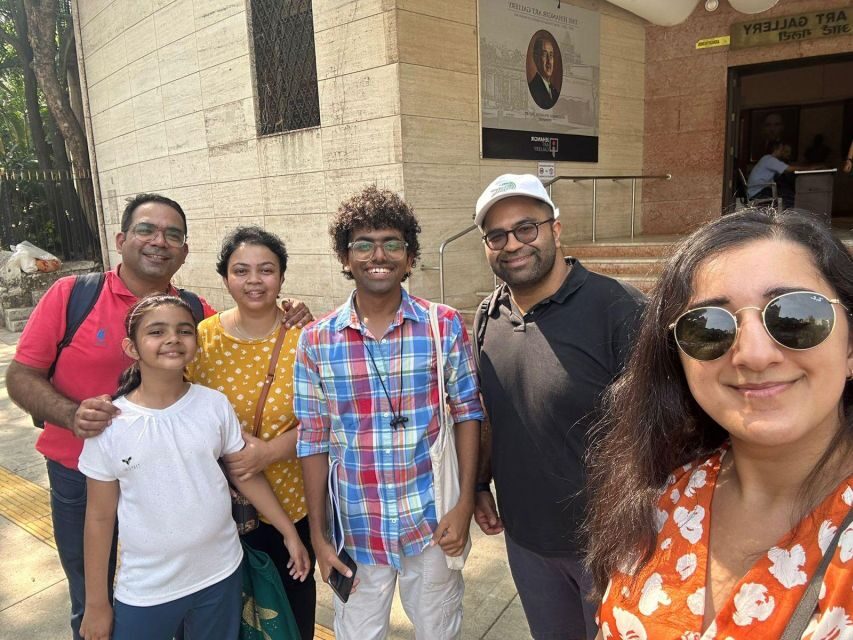
At $28 per person, this tour is a good value if you want context without hiring a private guide. You’re not just checking boxes—you’re getting someone to explain why these places exist and what design choices mean in Mumbai’s colonial and post-colonial story.
South Mumbai can feel like a blur of monuments and major streets. This walk helps you slow down mentally, even while you’re physically moving. I like that it focuses on the built environment—buildings, layouts, and details—so you leave with a framework you can use on the rest of your trip.
Also, it’s in English, which matters here. Lots of the signage and local explanations can be limited unless you have a guide who can translate architecture into everyday meaning.
You can also read our reviews of more walking tours in Mumbai



The guides are the whole point: Abhi, Krishna, Sanika, and Ketan
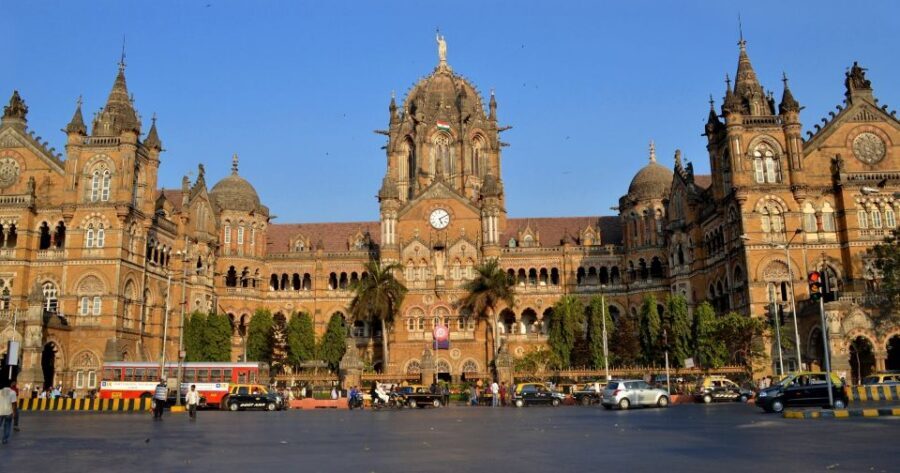
The biggest praise isn’t for the buildings alone. It’s for the people leading the walk. You can tell the guides put effort into making the history understandable and the questions feel welcome.
A few names keep popping up in the experience feedback: Abhi, Krishna, Sanika, Ketan, Alan, and Alkama. One guide, Ketan, is studying Indian literature and archaeology (as part of his background), which shows up in the way he connects details across time periods. Another guide, Sanika, is described as warm and very good at explaining the city so you feel oriented fast. Alan comes across as both knowledgeable and easy to talk with, which makes the whole thing less like a lecture and more like a walk with a smart friend.
That style matters. When you’re walking past something impressive—like a cathedral, a court building, or an old hotel—your brain can either blur the details or start noticing patterns. The best guides make you do the second.
Chhatrapati Shivaji Terminus (CSMT) and the UNESCO wow-factor
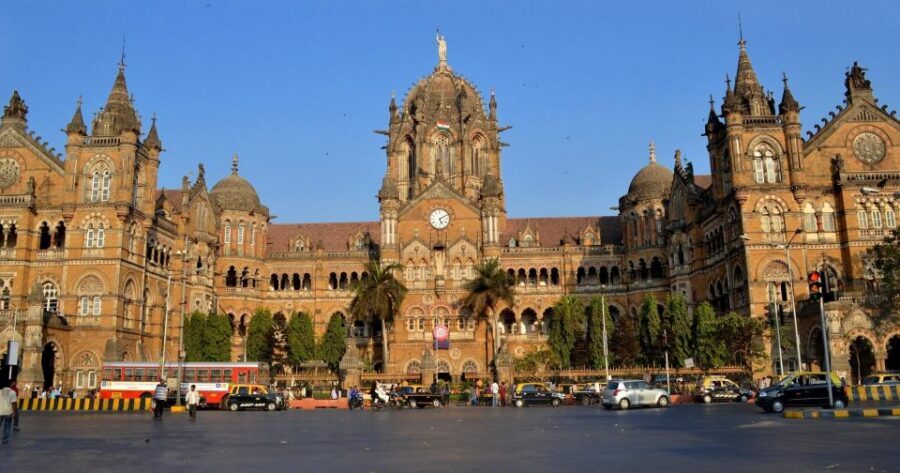
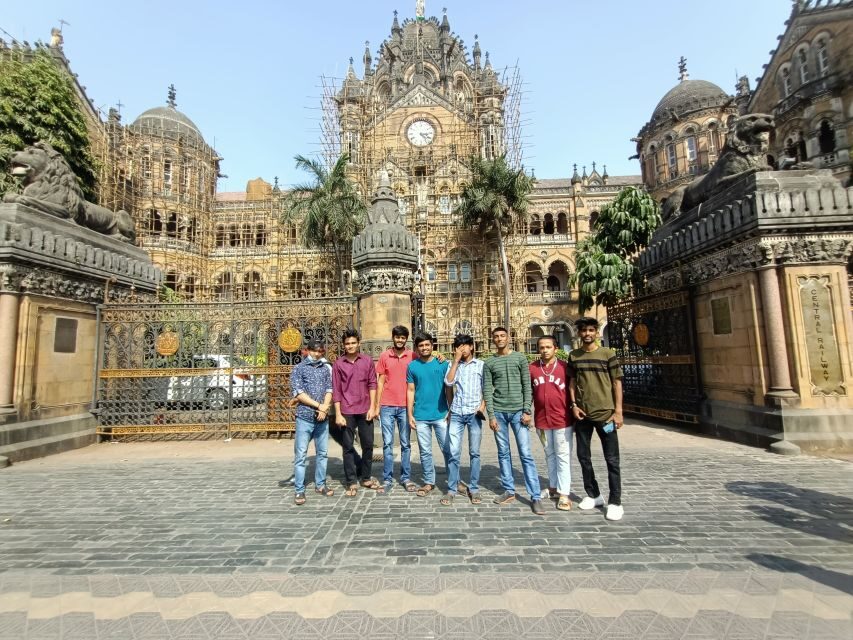
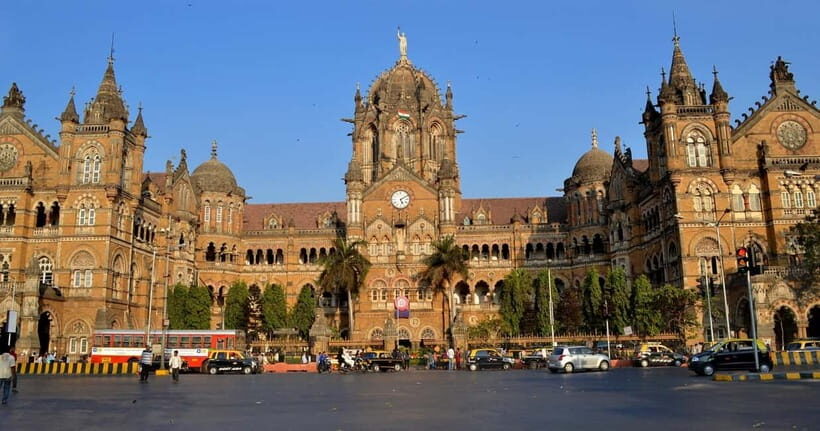
Chhatrapati Shivaji Terminus is one of the anchor stops for this tour, and it’s listed as a UNESCO World Heritage Site. Even if you’ve seen photos, CSMT hits differently in person. It’s the kind of building where you instinctively slow down, because the station isn’t just functional—it’s designed to impress.
What makes this stop valuable on a walking tour: you don’t just look. You learn what to look for. The guide helps you connect the station’s importance to how Mumbai built major institutions, then uses that to frame the rest of Old Mumbai.
Possible drawback here is simple timing. Because the tour is around three hours, CSMT can feel like a “see it, understand it, move on” moment. If it’s your favorite stop, you might want a second visit later for longer photos and closer reading from outside.
Town Hall / Asiatic Society Library: colonial-era learning in stone
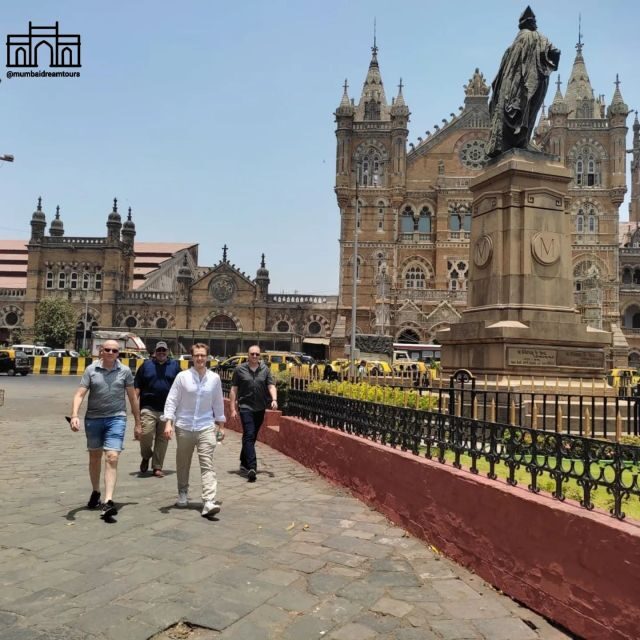
Town Hall (Asiatic Society Library) is another included highlight, and it’s described as a colonial structure and one of the older libraries in town. Libraries aren’t only about books—they’re about who had access to learning and how cities set up knowledge and power.
On this stop, the guide’s architecture focus helps you interpret what you see. Instead of treating it like a pretty old building, you start to notice how the design supports its role in public life.
If you’re the type who loves inscriptions, façades, and formal symmetry, this is a great pause. If you prefer modern-only sights, this one might feel less exciting. But that’s exactly why it’s worth doing as part of a heritage walk: it rounds out your understanding of Mumbai beyond the skyline Instagram shots.
St. Thomas’ Cathedral: a 300-year landmark with real meaning
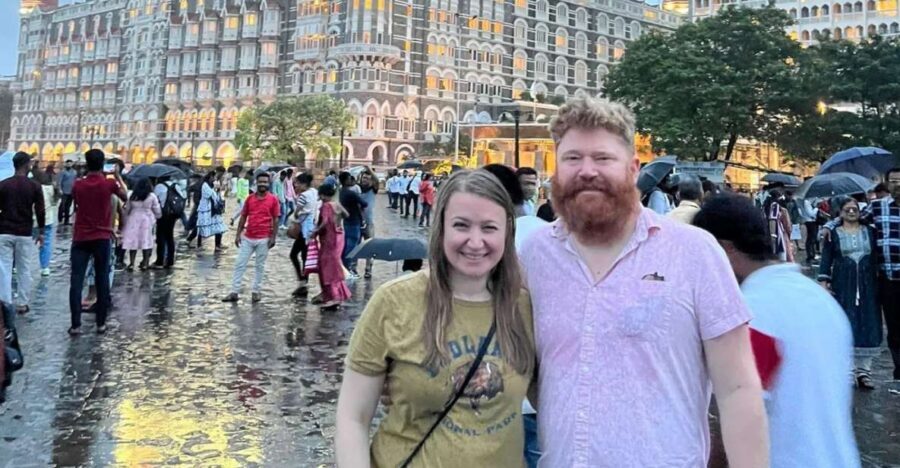
St. Thomas’ Cathedral is included and is described as a 300-year-old cathedral church of the Diocese of Mumbai of the Church of North India. Walking up to a building like this, it’s easy to see the age and form—but harder to understand the story behind it.
The guide helps bridge that gap. You learn why the cathedral matters, and you see it as part of the city’s layered religious and colonial-era development, not just a standalone landmark.
This stop also tends to create an interesting contrast with the rest of the walk. Around it, you’re moving between civic buildings, education, and major public monuments. St. Thomas’ gives the religious and community dimension of the same historical era.
You can also read our reviews of more guided tours in Mumbai



Marine Drive and Flora Fountain: city charm, explained
Marine Drive is mentioned as one of the must-see sights, and it’s an iconic Mumbai perspective point. Even without detailed facts, the seafront setting helps you understand why Mumbai grew where it did—trade routes, maritime importance, and the way certain districts became social and ceremonial spaces.
Flora Fountain is also included, built in 1864 and depicting the Roman goddess Flora. This is one of those “small-looking but meaningful” stops: a fountain isn’t only decorative. It’s a signal of cultural influence, design taste, and the city’s desire to shape public spaces with symbolic art.
If you want a fun way to use your eyes on this leg, do this: look at the fountain, then look around it at the street plan and neighboring buildings. The guide’s architecture focus helps you connect the sculpture to the broader colonial planning approach.
University of Mumbai and Bombay High Court: institutions you can’t ignore

The University of Mumbai is included and is described as one of the oldest and premier universities in India. Bombay High Court is also included, described as one of the oldest high courts in India. Together, these stops help you see how Mumbai built serious institutions—education and law—as part of its modernizing structure.
Why these matter on a walking tour: they show you the “civic backbone” of the city. You’re not just looking at monuments; you’re learning how buildings express the roles of a society.
A practical note: court and university areas can feel formal and strict. The tour keeps you moving, so if you’re hoping for long interior views, you might be disappointed. The value is mostly outside and around the building context—how it fits into its street life and historical setting.
Kala Ghoda, Watson’s Hotel, and the art-and-design contrast
Kala Ghoda is included as a crescent-shaped art district with several heritage buildings. It’s the kind of stop that makes the whole walk feel less like a museum route and more like a living neighborhood. You get the sense of Old Mumbai’s artistic identity and how heritage districts still function as cultural spaces.
Then comes Watson’s Hotel, described as the earliest surviving example of cast-iron architecture in India. If you like design details, this stop can be a highlight. Cast iron isn’t just a material fact—it’s a clue to industrial influence and engineering ambition during the period when Mumbai was expanding fast.
This part of the walk gives you a satisfying contrast:
- Kala Ghoda adds creative energy through the district feel
- Watson’s Hotel adds technical and architectural “how it was built” curiosity
If you’re only into the biggest landmarks, you might breeze through it. Don’t. This is where the guide’s focus on ornamental details can really pay off.
Hotel Taj Mahal Palace and Gateway of India: monuments with atmosphere
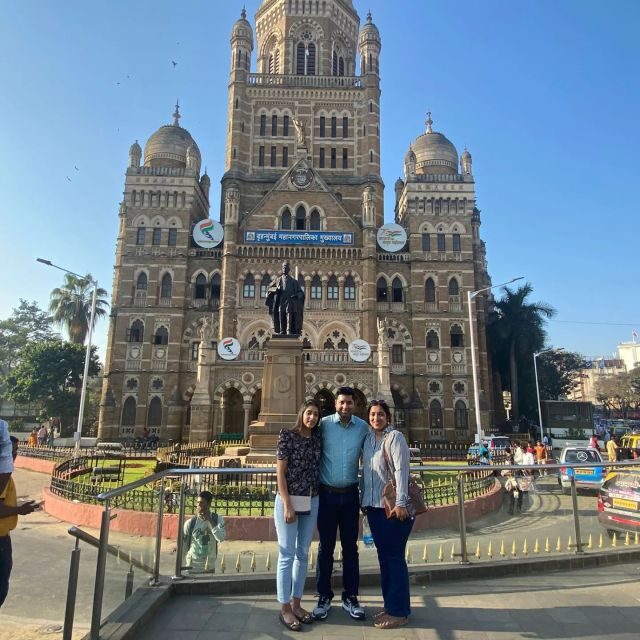
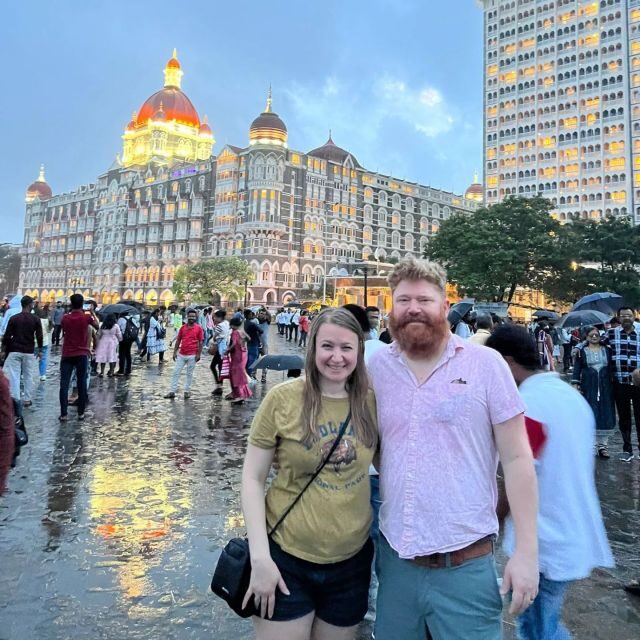
Hotel Taj Mahal Palace is included as a heritage, five-star luxury hotel in Colaba. Even if you don’t plan to stay there, the building works as part of the city’s historical image. It’s one of those places that instantly communicates status and era, and the guide’s framing helps you see it as part of Mumbai’s evolving identity.
Gateway of India is also included, described as an arch-monument built in the early 20th century. It’s the classic photo stop for a reason. But on a guided walk, you don’t just photograph—you understand what it represented and why that kind of monument became so important in Mumbai’s public space.
One caution: because this tour covers multiple major sights in a tight time window, Gateway of India might feel like a quick capstone. If it’s your top priority, plan time later for another pass when the light is better and you’re not balancing the rest of the route.
Who should take this tour (and who might skip it)
This is a smart choice if:
- you’re in Mumbai for a short time and want a strong start in South Mumbai
- you like architecture, monuments, and learning what buildings mean
- you enjoy asking questions and want an English-speaking guide who can answer clearly
It might not be your best match if:
- you dislike walking and want a sit-down tour only
- you’re mainly interested in modern neighborhoods rather than Old Mumbai’s colonial-era structures
- you want long time at a single site instead of covering many highlights in about three hours
For best results, wear comfortable shoes. This tour is walking-first, and the whole point is noticing details as you move.
Price, value, and planning tricks
Let’s talk value honestly. $28 per person is reasonable for a guided experience that connects many heritage locations—UNESCO-listed CSMT included—with design and historical interpretation from a professional guide.
What you’re really buying is interpretation. If you do this route alone, you can still see the landmarks. But you’ll miss the “why this detail matters” layer that makes the walk feel rewarding instead of like a checklist.
A practical planning tip: pick one or two stops you care about most—CSMT, St. Thomas’ Cathedral, Watson’s Hotel, or Gateway of India—and plan to return later for longer time. Do the walk first for orientation, then do follow-up visits on your own.
If you like flexibility, you’ll appreciate the reserve & pay later option described for this experience.
Should you book the Mumbai South Mumbai Heritage Walking Guided Tour?
Yes, if you want a strong orientation to Old Mumbai with an architecture-focused guide and you’re comfortable with a walking route. The guide quality is the real driver here. People like Sanika and Ketan stand out for being friendly, warm, and able to explain history in a way that makes you feel oriented fast.
If your goal is to understand the city’s built environment—how colonial-era institutions shaped today’s streets—this tour is a solid way to get it in just a few hours.
Just be realistic about pacing. You’ll see a long list of major sites, so treat the tour as your first look, not your final deep dive on every building.
FAQ
How much does the Mumbai South Mumbai Heritage Walking Guided Tour cost?
The price is $28 per person.
How long is the tour?
It’s described as a three-hour walking tour in the experience feedback.
Is the tour offered in English?
Yes, the language is English.
What major landmarks are included on the walk?
Key included stops are Chhatrapati Shivaji Terminus, Town Hall (Asiatic Society Library), St. Thomas’ Cathedral, Flora Fountain, the University of Mumbai, Bombay High Court, Kala Ghoda, Watson’s Hotel, Hotel Taj Mahal Palace, and Gateway of India.
Does the tour include Chhatrapati Shivaji Terminus?
Yes. It’s included and described as a UNESCO World Heritage Site.
Is Marine Drive part of the experience?
Marine Drive is mentioned as one of the sights you’ll admire during the heritage walk.
Who runs or sponsors the walking tours?
The experience provider is Mumbai Dream Tours, and the walking tours are sponsored by the Mumbai Heritage Walks group, established in April 1999 by Abha Bahl and Brinda Gaitonde.
Can I reserve now and pay later?
Yes. The experience offers reserve & pay later, so you can book your spot and pay nothing today.
What is the cancellation policy?
You can cancel up to 24 hours in advance for a full refund.