REVIEW · MUMBAI
Private Mumbai Sightseeing & Dharavi Slum Tour
Book on GetYourGuide →Operated by Cityscape Mumbai Tours · Bookable on GetYourGuide
Two Mumbai moods in one day. This private tour strings together major sights like Gateway of India and Taj Mahal Palace, then switches gears for a hands-on Dharavi walking tour with a local guide.
What I like is the setup: you get hotel pickup and drop-off in a private air-conditioned car with a dedicated driver, plus an English-speaking local who explains what you’re actually looking at. I also like that the day doesn’t end at the last landmark; you finish at Mumbai View Point to see the city lit up at night.
The main consideration is simple: food and drinks aren’t included, so you’ll want to budget time for a meal or snack stop.
In This Review
- Key Points You’ll Notice Fast
- From the Bay to Victorian Bricks: Mumbai’s Icons on One Route
- Dhobi Ghat, Banganga Tank, and the Stories Behind Daily Rituals
- Marine Drive to Cricket-City Mood: The City You Can Feel at Night
- Dharavi’s 2-Hour Walk: Work, Community, and Practical Reality
- A respectful way to get the most from Dharavi
- The Private Driver and English Guide Advantage in Mumbai
- Price and Value: What $27 Buys You Here
- Who This Tour Fits Best (And Who Might Want Another Option)
- Practical Tips Before You Go
- Should You Book This Private Mumbai and Dharavi Tour?
- FAQ
- How long is the Dharavi part of the tour?
- What landmarks and cultural sites are included?
- Is hotel pickup and drop-off included?
- Does the tour include food?
- What language is the guide?
- Where does the tour end?
Key Points You’ll Notice Fast
- Private hotel pickup and drop-off in an air-conditioned car, which matters a lot in Mumbai traffic
- Big-name classics plus local stops, from Gateway of India and CST to Marine Drive and Mani Bhavan
- A structured 2-hour Dharavi walk that includes places tied to work and daily life, like recycling areas, schools, and health facilities
- English-guided commentary that answers real questions, not just recited facts
- A night finish at Mumbai View Point, so you see Mumbai with the lights on
From the Bay to Victorian Bricks: Mumbai’s Icons on One Route

Mumbai can feel split into chapters. This tour is built for that. You start with headline landmarks and sea-facing views, then you move through the neighborhoods where Mumbai’s history and everyday life overlap.
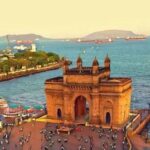
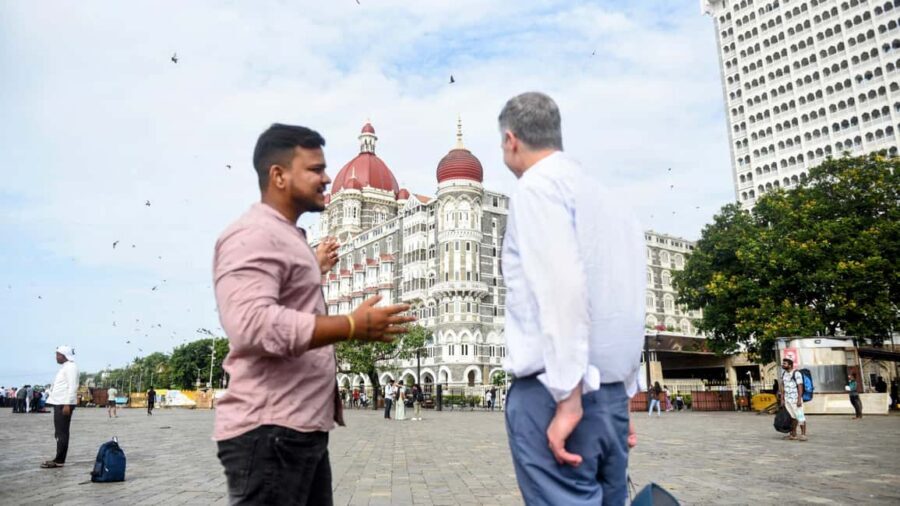
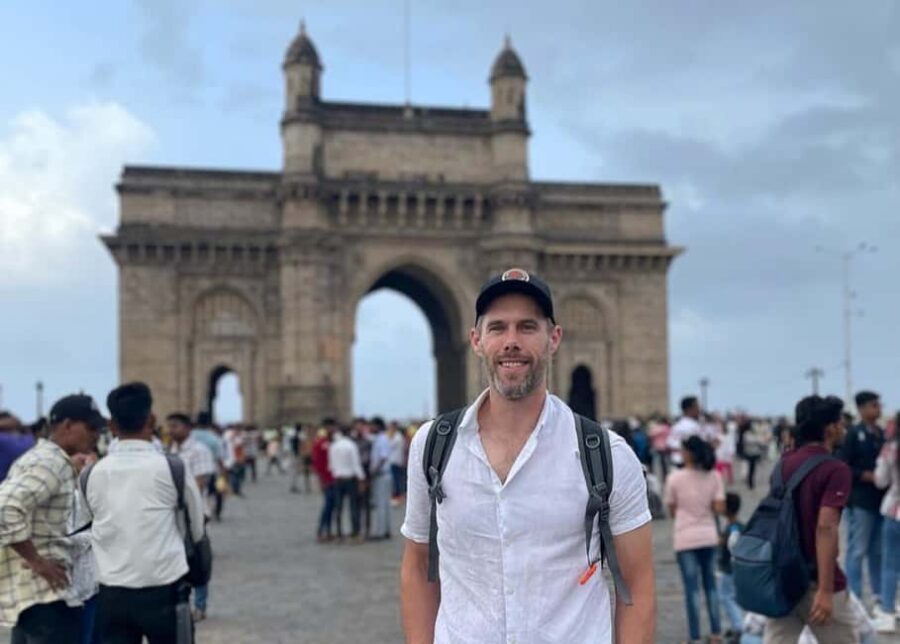
The day begins around the Gateway of India area, one of those places that instantly gives you scale. From here, your guide can put the landmark into context—how Mumbai became a gateway city, and why this waterfront matters. You’ll also visit the Taj Mahal Palace area, which helps you understand how colonial-era grandeur and modern Mumbai co-exist in the same skyline.
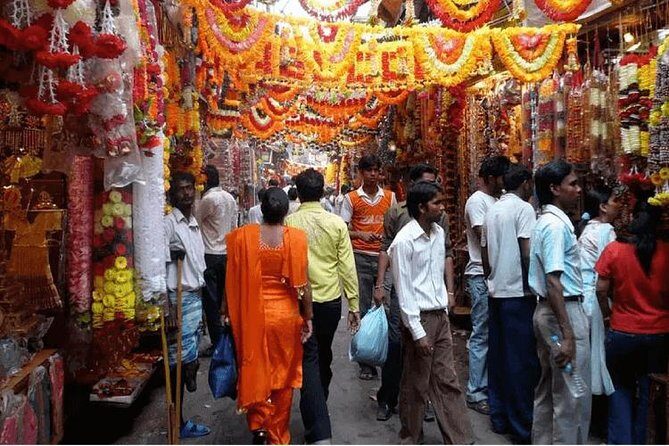
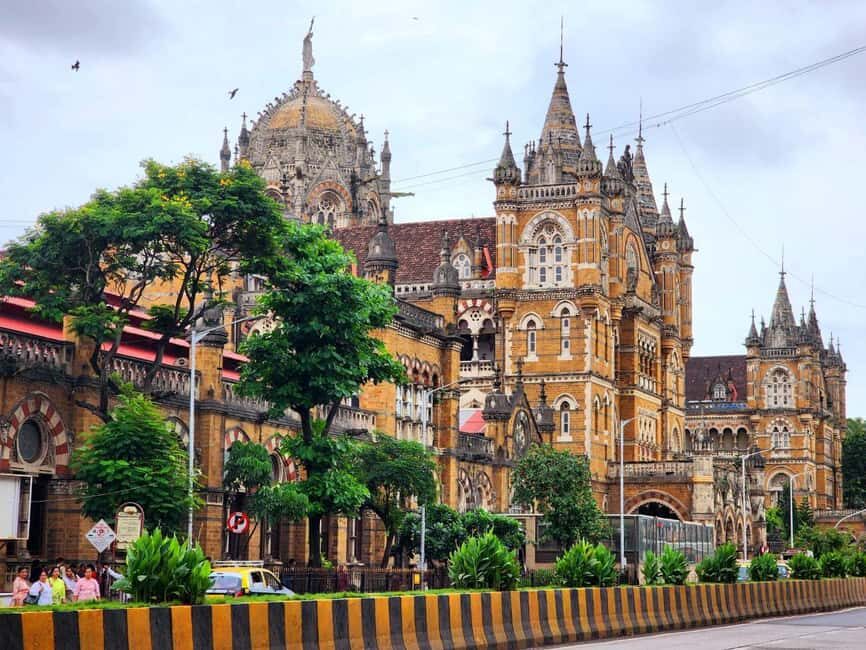
Next, you swing toward the older, character-rich parts of the city. Stops can include Victoria Terminus (CST), often described as a “must” for architecture lovers because of its Victorian-era station design and dramatic presence. Then you may go to Crawford Market, a classic stop for sensing Mumbai’s shopping energy and the rhythms of public life.
One reason I like this route is that it’s not just photo stops. Your guide is there to explain what you’re seeing—so the architecture doesn’t become background noise. If you ask questions, you’ll usually get direct answers, and the tone stays practical rather than lecture-mode.
You can also read our reviews of more private tours in Mumbai



Dhobi Ghat, Banganga Tank, and the Stories Behind Daily Rituals
After the waterfront and major monuments, the tour turns toward cultural and historical sites that explain how Mumbai breathes beyond the postcard angles.
You may visit Dhobi Ghat, a place famous for its open-air laundry work. Even if you’re not there to study the mechanics, it’s a powerful way to understand how labor, community, and routine are woven into the city’s fabric. Your guide can help you make sense of what you’re seeing without turning it into a spectacle.
You may also stop at Banganga Tank, another anchor for understanding local religious and cultural patterns. Tanks like this are small in scale compared to the big monuments, but they carry a lot of meaning in the way people remember stories and use space.
Then there’s Mani Bhavan, which is closely tied to Gandhi’s legacy in Mumbai. This stop is useful because it adds a human scale to what can otherwise feel like an endless parade of buildings. You get history without needing museum stamina, and the guide’s commentary helps connect the dots.
Marine Drive to Cricket-City Mood: The City You Can Feel at Night

One of the smarter choices in this tour is including Marine Drive on the itinerary. Even when you’re not staring at it for long, Marine Drive gives you a quick read on Mumbai’s style: long views, a sense of movement along the coast, and a boulevard feel that still feels local rather than touristy.
Later, the tour shifts toward the end-of-day payoff: Mumbai View Point. This is where the city lighting turns everything less gray and more cinematic. From the point of view of a visitor, it’s the perfect way to close the day because it changes the tempo. After hours of streets and stops, you get a calmer moment with a wider view.
In practical terms, this night finish also helps with pacing. You’re not rushing toward darkness from your last stop—you end there, so you can actually enjoy the view.
Dharavi’s 2-Hour Walk: Work, Community, and Practical Reality

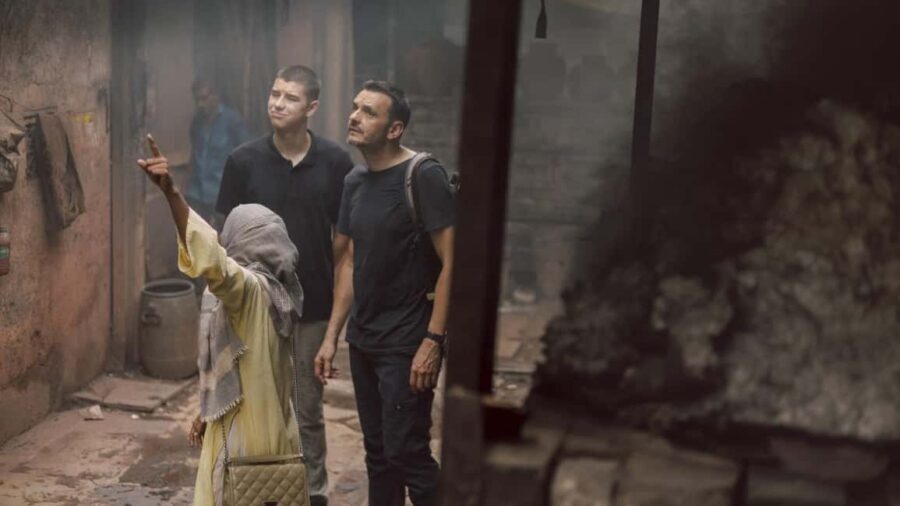
This is the part of the tour that most people remember, and for good reason. The Dharavi portion is a 2-hour walking tour led by a local guide in the heart of the area. It’s designed to show you Dharavi not as a headline, but as a functioning place with schools, health facilities, residences, and small-scale industries.
The tour can include:
- recycling-related areas and work connected to waste processing
- residential sections where daily life is active
- schools and community facilities
- small industries that support Mumbai’s economy
What makes this section valuable is the way the guide’s perspective changes your frame. You start noticing patterns—how people organize space, how small businesses operate, how community services keep running. Even if you’re careful and respectful (and you should be), you’ll still get a real look at how work and community coexist.
A note on expectations: slum tours can feel emotionally heavy. This one is structured to be educational and focused on how the area works. In the accounts I saw from past participants, guides emphasized safety and respectful behavior, including careful crossing of busy streets and staying together while walking.
If you’re doing this for photos only, you may feel disappointed. If you’re doing it to understand how Mumbai functions beyond the famous landmarks, it tends to hit the mark.
A respectful way to get the most from Dharavi
You’ll get more out of it if you treat the walk like a conversation:
- ask questions about what you’re seeing
- stay with your guide’s rhythm
- keep moving when the group needs to
- remember this is a working area, not an open-air museum




The Private Driver and English Guide Advantage in Mumbai

Mumbai traffic is not a minor detail. It controls your whole day. This tour’s private format is a major value lever because you’re not stuck negotiating schedules with a group van, and you don’t have to worry about unclear meeting points.
You’ll ride in an expert driver’s air-conditioned car with hotel pickup and drop-off. In past experiences tied to this tour, drivers were repeatedly praised for careful driving, patience with stops, and the ability to manage the day’s many short transitions.
Just as important is the guide. The tour is led in English, and the guide’s job is to connect stops into a story you can understand. Names that have come up include Sharon, Javed, Subhan, Abishek, Balaji, and Chirag. Not every departure will have the same person, but the quality pattern is consistent: clear communication, direct answers, and a focus on what matters at each stop.
Another practical perk: the guides and drivers tend to coordinate so you can actually enjoy the time you’re out of the car. Several people mentioned feeling safe leaving belongings in the car and knowing who was responsible for keeping the day on track.
Price and Value: What $27 Buys You Here

At $27 per person, this tour packs in more than a standard city loop. You’re paying for a private day with:
- hotel pickup and drop-off
- an English-speaking local guide
- a dedicated driver in an air-conditioned car
- entry/admission where needed
- bottled water
The fact that it’s private changes the math. Most budget sightseeing options either leave you with a weak guide, a confusing route, or a group format that limits time at the places that matter. Here, you get enough structure to cover a lot of ground, but not so much structure that you feel chained to a schedule.
Is it the cheapest way to see Mumbai? Probably not. But for the mix you get—icons plus cultural stops plus a guided Dharavi walk—this is the kind of price that makes sense for a short stay.
The one “cost” you should plan for is food, since drinks and meals aren’t included.
Who This Tour Fits Best (And Who Might Want Another Option)
This tour fits you if:
- you want a full day with clear coverage across old and newer Mumbai
- you care about explanation, not just sightseeing snaps
- you want a respectful, guided look at Dharavi rather than a rushed stop
It may feel less right if:
- you’re looking for a mostly relaxed, slow-paced day with lots of free time
- you get uncomfortable with heavier social topics, even when handled with a respectful guide
That said, the Dharavi portion is not presented as sensational. It’s framed as learning how a real community runs—work, services, and daily life.
Practical Tips Before You Go
A few things will help you enjoy the day more.
- Wear comfortable walking shoes. You’ll do a 2-hour walk in Dharavi plus plenty of city walking between stops.
- Keep your camera ready, but don’t make it the only focus. If your guide encourages conversation and questions, follow that lead.
- Plan your meals. Since food and drinks aren’t included, choose a time for lunch or a snack before the day gets too full.
- Bring water only if you prefer extra beyond what’s provided. Bottled water is included, so you’re covered, but it’s still good to be prepared.
If you’re short on time in Mumbai, this is also the kind of tour that helps you get your bearings fast: major landmarks in the morning, cultural context mid-day, Dharavi in the middle of the day’s momentum, and an evening view finish.
Should You Book This Private Mumbai and Dharavi Tour?
Book it if you want one guided day that covers the best-known Mumbai landmarks and also explains how Mumbai works below the headline level. The combination of a private driver, hotel pickup/drop-off, English guidance, and a 2-hour Dharavi walking tour makes it a strong value at $27—especially if you don’t want to stitch together multiple tours on your own.
Skip or compare if you’d rather spend your day only on waterfront landmarks, or if the Dharavi section feels like too much for your comfort level.
If you do book, pick a mindset that treats Dharavi as education, not entertainment. With the right attitude, this tour gives you a fuller picture of Mumbai than a classic “see the sights” day ever can.
FAQ
How long is the Dharavi part of the tour?
The Dharavi slum walking tour is 2 hours and is led by a local guide.
What landmarks and cultural sites are included?
The tour includes major sights such as Gateway of India, Taj Mahal Palace, Victoria Terminus (CST), Crawford Market, Dhobi Ghat, Banganga Tank, Marine Drive, Mani Bhavan, and it also includes other top attractions during the day.
Is hotel pickup and drop-off included?
Yes. You get hotel pickup and drop-off with transport in a private air-conditioned car and an expert driver.
Does the tour include food?
No. Food and drinks are not included.
What language is the guide?
The tour includes a local English speaking guide.
Where does the tour end?
The tour ends at Mumbai View Point, where you can see the city beautifully lit at night.