REVIEW · MUMBAI
Heritage Walk: Recommended by Gigi Hadid as a must-do in Mumbai
Book on Viator →Operated by No Footprints · Bookable on Viator
Mumbai’s past is best met on foot. This South Mumbai heritage walk links big-name landmarks with the smaller, weirder stories between them, from the Fort-era heart near the Asiatic Society to the Kala Ghoda art stretch and down toward the docks. You get a professional guide who keeps the route moving at a human pace, with hotel pickup and drop-off and a quick stop for a Parsi snack at Yazdani.
I especially liked how the guide turns buildings you might otherwise rush past into clear chapters, with details like the first gas lights shown at the Asiatic Society and the city-growth story anchored at Flora Fountain. The other big win is the private setup, so the conversation can match your interests; guides like Meherbeen and Dereck have handled real flexibility. One thing to keep in mind: some stops are more about exteriors and street-level storytelling than inside visits, so if you’re expecting to go in everywhere, you may be a bit disappointed.
In This Review
- Key highlights worth aiming for
- South Mumbai’s heritage walk: why the route actually works
- From Town Hall to Asiatic Society: Fort-era stories and early gas light
- Horniman Circle Garden and St. Thomas Cathedral precinct: a pleasant walking breather
- Yazdani Restaurant & Bakery: a snack stop that makes sense
- Flora Fountain and Hutatma Smarak: city expansion in one glance
- Bombay Stock Exchange: commerce origin under a banyan tree
- Keneseth Eliyahoo Synagogue and Kala Ghoda: Sassoon stories and Mark Twain
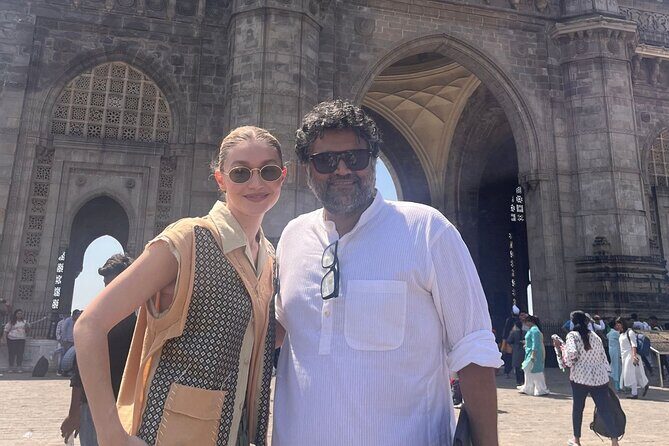
- Lion Gate at the docks: Ice King mystery and wartime connections
- How the private guide changes the day (and what to expect)
- Price and value: why $44.39 can be a good deal here
- Timing, weather, and walking comfort tips
- Who this heritage walk suits best
- Should you book this South Mumbai heritage walk?
- FAQ
- How long is the heritage walk in South Mumbai?
- Is hotel pickup and drop-off included?
- What food is included?
- Is this a private tour?
- Where does the tour start and end?
- Are admission tickets included?
- Is it okay for kids?
- What if the weather is bad?
- Is cancellation free?
Key highlights worth aiming for
- Town Hall and Asiatic Society area: Fort-era origins and early gas-lamp exhibits, plus quirky local anecdotes
- Horniman Circle to St. Thomas Cathedral precinct: classic South Mumbai streets with an easy walking tempo
- Yazdani Restaurant & Bakery snack: a practical food stop that fits the tour flow
- Flora Fountain and Hutatma Smarak area: a city-expansion marker and memorial area in the same stretch
- Bombay Stock Exchange and banyan-tree origin: how commerce grew from humble beginnings
- Kala Ghoda stories: Sassoon-linked Jewish heritage and the Watson Hotel connection to Mark Twain
South Mumbai’s heritage walk: why the route actually works
South Mumbai can feel like a blur when you’re hopping by cab or train. This kind of guided walking route fixes that. You’re moving at a scale where you can see the street patterns, spot architectural clues, and connect why these places matter—without needing to become an expert before you arrive.
The pacing helps too. You’re out for about 3 to 4 hours, covering important landmarks but not doing it at marathon speed. Also, the tour is built as a private experience, so it’s usually easier to ask questions or steer the day toward what you care about (architecture, community history, city oddities, and so on).
One more practical point: the tour uses a mobile ticket, and the start is easy to find near public transport. Even if traffic shifts things a bit, the guide can adjust the timing within reason, because the route order can change depending on on-ground conditions.
You can also read our reviews of more walking tours in Mumbai


From Town Hall to Asiatic Society: Fort-era stories and early gas light
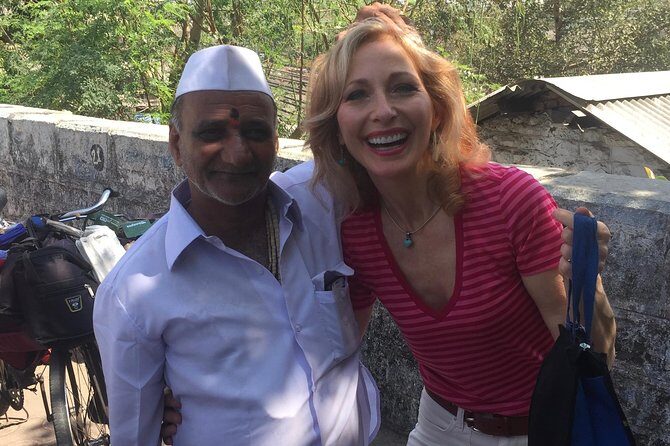
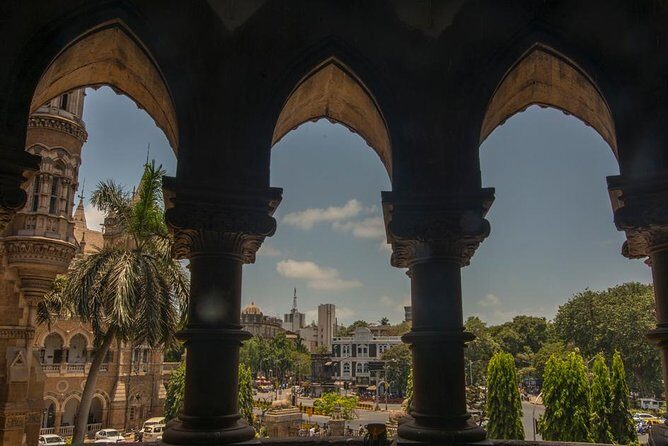
The tour begins at Town Hall (Asiatic Society Library area), just behind the Bombay Castle area, in the Fort-zone pocket where Mumbai’s earlier story took shape. Even if you don’t know Fort history yet, the guide frames it quickly: you’re in the part of the city where the old power centers set the tone.
Next comes the Asiatic Society, Mumbai, which is a great stop if you like history that feels specific, not vague. You’ll hear how gas lights were first exhibited there, and you’ll also get entertaining anecdotes tied to the region and its later political echoes. One review-based detail that sticks: there’s a humorous tale about Jinnah, connected through the guide’s storytelling style. It’s the kind of fact pattern that makes you look at a place and think, Oh, this wasn’t just a building—it was part of a changing world.
What I like about this section is that it sets the “how Mumbai grew” theme early. You’ll get a sense for how ideas, technology, and institutions took root in the same area that later became all about major civic and commercial life.
Horniman Circle Garden and St. Thomas Cathedral precinct: a pleasant walking breather
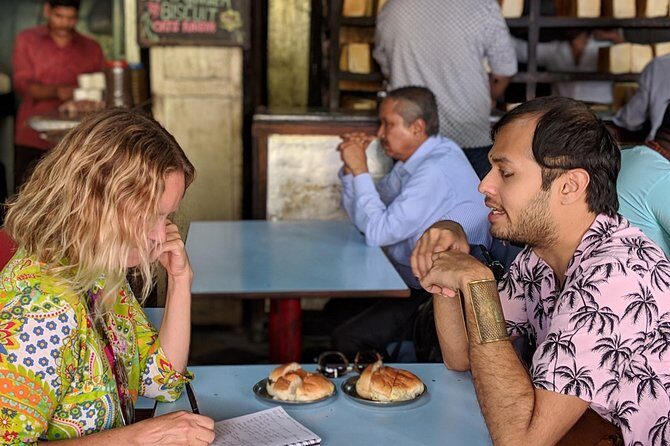
After the heavier “institutional history” feel of the first stops, you get a calmer stretch through Horniman Circle Garden. This is one of those areas where the sidewalks and open pocket of garden space make the walk feel lighter, which matters because you’ll still have a few major sights ahead.
Then the route moves toward the St. Thomas Cathedral precinct. Even without going into details about interiors, the value here is how the guide links the cathedral area to the surrounding city logic—what kind of neighborhood it was, what kind of community life it supported, and why it fits the overall South Mumbai story.
If you prefer tours that don’t feel like a nonstop lecture, this middle section helps a lot. It breaks up the day and gives your feet a chance to catch up with your brain.
Yazdani Restaurant & Bakery: a snack stop that makes sense
Food stops on tours can feel random. Here, the Yazdani Restaurant & Bakery stop feels built into the day, not pasted on. You’ll get a quick bite in the middle of the route, timed so you don’t burn your energy before the more “big landmarks” portion starts.
Yazdani’s is also a smart cultural bridge. This isn’t just a snack; it’s a chance to experience the Parsi bakery world that’s part of Mumbai’s everyday heritage. The tour keeps it quick—about 30 minutes—so you don’t lose half your momentum.
Practical advice: since it’s a walking tour, plan to eat like you’re on the move. Go for something you can handle without slowing the group too much. And if you’re picky about timing, give your guide a heads-up early. A good guide (and the better-reviewed guides are flexible) will keep the day running smoothly.
Flora Fountain and Hutatma Smarak: city expansion in one glance
Next you’re at Flora Fountain, a landmark that marks the expansion of Bombay beyond the Fort limits. It’s the kind of place where you can actually connect geography to history: the city literally moved outward, and this point helps you picture that shift.
From here, the route also ties in the Hutatma Smarak area, bringing in a layer of memorial and civic meaning. Even if you’re not a “memorial person,” it helps the tour avoid becoming just architecture sightseeing. You see that public spaces in Mumbai carry stories about how the city changed, politically and socially.
One consideration: fountains and monument areas can be busy, and that affects how much time you’ll feel you get for photos. The guide’s skill matters here—good pacing keeps this from feeling like a rushed stop.
You can also read our reviews of more historical tours in Mumbai



Bombay Stock Exchange: commerce origin under a banyan tree
Then comes one of the most intriguing stops for anyone who likes the human story behind institutions: the Bombay Stock Exchange. You’re looking at the beating heart of Mumbai’s economy, but the guide focuses on the origin—how it began under a humble banyan tree and grew into the structure you see today.
That’s a powerful technique for a heritage walk. Instead of asking you to admire a giant building, you’re guided to understand how Mumbai’s growth is a chain of small beginnings. It makes a financial institution feel less intimidating and more like part of the city’s everyday evolution.
This stop is also short (around 10 minutes), but it’s dense. If you want more time for detailed photos, you can ask your guide at the start of the day whether you’ll have any flexibility for extra minutes here. In the better guide experiences, adjustments have been possible based on group interests.
Keneseth Eliyahoo Synagogue and Kala Ghoda: Sassoon stories and Mark Twain
If the first half of the tour is about civic institutions and city growth, this section leans into community heritage and cultural crossover.
At Keneseth Eliyahoo Synagogue, you’ll learn about Mumbai’s Jewish heritage and the Sassoon family’s impact on the city. This is a stop where the guide’s narration matters. The buildings are real anchors, but the story connects you to who built community influence and how it lasted.
Then you move into the Kala Ghoda Art Precinct, one of the best “soft power” zones in South Mumbai. Here, the guide ties together art space with historical storytelling—again connected to Sassoon-linked history and other neighborhood lore. One especially memorable detail from the guide-style reporting: the Watson Hotel, described as the first iron-cast building in the city, is linked to hosting Mark Twain.
That combo works well on a walking tour: art precinct energy plus a clear historical hook. It also gives you a reason to look up at façades and street details instead of treating the area like just another “nice place to take photos.”
Lion Gate at the docks: Ice King mystery and wartime connections
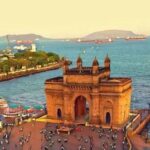
The tour’s finale takes you to Lion Gate, at the old docks end of the story. This is where the walk starts feeling more like narrative history than tidy sightseeing.
The guide frames a few intriguing connections: the mystery of the Ice King and the city’s link to the American Civil War. These kinds of threads are what make a guided tour more than a checklist. You leave with the sense that Mumbai has always been connected to global currents—trade, travel, politics, and strange characters.
Time-wise, this stop is about 15 minutes, so it’s not trying to overwhelm you. It lands the day with enough detail to spark curiosity later, not so much that you’re mentally fried before you reach the end point at the Kala Ghoda area.
How the private guide changes the day (and what to expect)
Because this is private, the guide can tailor the flow to your group. The guide names that show up in experience reports include Meherbeen and Dereck, and both are described as flexible—adjusting the tour based on interests and keeping things comfortable, even when plans run late.
In real terms, that flexibility can look like:
- spending an extra moment on a landmark if you’re curious
- shifting the order slightly if traffic or foot traffic is heavy
- explaining more if you ask follow-up questions
Now for the fair warning: one experience account noted that the tour felt less exciting partly because it didn’t include going inside some buildings. So keep expectations grounded. This heritage walk is about street-level context and landmark meaning. If inside access is your top priority, you might find the outside-first format less satisfying.
Price and value: why $44.39 can be a good deal here
The price is listed at $44.39 per person, and it’s typically booked around 25 days in advance. At first glance, that could sound like a “tour company markup” cost. But the included pieces matter.
Here’s what you’re paying for that’s actually tangible:
- a professional guide for the full 3–4 hours
- hotel pickup and drop-off included for many stays (though extra transport cost may apply for pick-up from certain Mumbai Suburban hotels)
- a quick bite at Yazdani
- all fees and taxes included
Also, the itinerary stops listed are mostly free admissions, so you’re not paying separate entry charges for each stop. That helps your overall value, especially if you’re trying to manage costs while still getting a guided experience.
If you’re comparing this to self-guided touring, the main value is the guide’s ability to turn the route into a connected story. Without that, a South Mumbai walk can look like a set of pretty buildings. With the guide, you get the “why” behind the buildings.
Timing, weather, and walking comfort tips
This experience works best with good weather. The tour can be canceled due to weather, with an option to reschedule or get a full refund, so keep an eye on the forecast before you lock in your day.
Timing can also shift a little. Start and end timing may change based on traffic, and the guide controls the sequence of the tour on-ground. That flexibility is practical in Mumbai, where street conditions can change quickly.
You also want moderate physical fitness. It’s a walking tour, not a sightseeing bus. Wear comfortable shoes you’re ready to stand and walk in for a few hours. If you’re traveling with anyone who tires easily, tell the guide early so they can pace the walk.
Who this heritage walk suits best
This tour is a strong fit if you want:
- an organized way to get bearings in South Mumbai
- landmark storytelling tied to institutions, communities, and local myths
- a real food stop at Yazdani without turning the day into a long restaurant mission
- a private guide who can adjust the tone based on your questions
It’s also ideal if you like the “in-between details,” like how early technology shows up in civic spaces, or how global connections can show up in dockside stories.
You might want to think twice if:
- you’re expecting lots of interior visits
- you want a very long time at each landmark for photography
- your group needs a very slow, low-steps pace
Should you book this South Mumbai heritage walk?
Yes—if you want a guided, story-driven route through some of South Mumbai’s most important landmarks, this is an easy recommendation. The combination of private attention, hotel pickup/drop-off, and a built-in snack stop at Yazdani makes it feel practical, not just “touristy.”
Book it with confidence if your goal is to understand the city faster—Fort-era origins up front, commerce and memorials in the middle, and docks-and-dramas at the end. If you care most about entering buildings, you may feel like the tour is better described as street and history narration rather than an inside-access museum day.
FAQ
How long is the heritage walk in South Mumbai?
The tour runs for about 3 to 4 hours.
Is hotel pickup and drop-off included?
Yes, hotel pickup and drop-off is included. For pick-up from Mumbai Suburban hotels, additional transport cost may apply.
What food is included?
A quick bite at Yazdani Restaurant & Bakery is included.
Is this a private tour?
Yes. It’s a private tour/activity, meaning only your group participates.
Where does the tour start and end?
It starts at The Asiatic Society, Mumbai (Town Hall/Asiatic Society area) and ends at Archana & Harish Mittal Art Initiative, Ador House, Kala Ghoda.
Are admission tickets included?
The itinerary includes stops with free admission, and the tour includes all fees and taxes.
Is it okay for kids?
Children below 9 years can do the tour for free of cost.
What if the weather is bad?
This experience requires good weather. If it’s canceled due to poor weather, you’ll be offered a different date or a full refund.
Is cancellation free?
Yes. Free cancellation is available if you cancel up to 24 hours in advance for a full refund.