REVIEW · MUMBAI
Mumbai: Dharavi Slum 2-Hour Walking Tour
Book on GetYourGuide →Operated by Mystical Mumbai · Bookable on GetYourGuide
Dharavi feels like a city inside Mumbai. This 2-hour walking tour takes you through tight lanes and working neighborhoods, where you see real trades and how people organize daily life. The insider-style guide approach is what makes it work: you’re not just looking at a neighborhood, you’re getting context for how it runs.
I really like the focus on hands-on industry—things like recycling and small-scale production—because it quickly shuts down the usual stereotypes. I also like that the tour is small, capped at 10 people, so questions don’t get swallowed by the group.
One possible drawback: it’s not set up for everyone. Cameras are strictly prohibited, and it’s not suitable for wheelchair users, so you’ll need to be comfortable walking narrow paths and following the photo rules.
In This Review
- Key Things That Make This Dharavi Tour Worth Your Time
- Entering Dharavi the Right Way: A 2-Hour Urban Walk With Real Context
- Getting There From Mahim: Where the Tour Starts and How Long It Really Feels
- The Route Through Dharavi: Narrow Corridors, Mixed Communities, and a Sense of Order
- Trade Highlights: Recycling, Dye Work, Leather, Pottery, and Papadums
- The Slumdog Millionaire Filming Stop: A Film Link Without the Theme-Park Vibe
- Schools and Churches, Plus Soap-Making: The Daily-Life Stuff You’ll Remember
- Meeting the Guide: Why Local Perspective Changes Everything
- Photo Rules and Clothing: How to Respect the Neighborhood Without Feeling Awkward
- Price and Value: What $65 Buys in a 2-Hour Dharavi Walk
- Safety, Comfort, and Who This Tour Fits Best
- Should You Book This Dharavi 2-Hour Walking Tour?
- FAQ
- Where do I meet for the Dharavi 2-hour walking tour?
- How long is the tour?
- Is the tour in English?
- Is the group size small?
- Can I bring and use a camera?
- What should I wear or bring?
- Is this tour suitable for wheelchair users?
Key Things That Make This Dharavi Tour Worth Your Time
- A working-neighborhood route, not a photo parade: you walk through industrial and residential areas where day-to-day work is the point
- Hands-on trades you can picture: recycling materials, dye production, leather work, pottery workshops, and papadum baking
- The Slumdog Millionaire filming house link: you visit the spot connected to the 2008 movie, without treating Dharavi like a set
- Small-group feel (up to 10): more time for questions and a calmer pace through narrow lanes
- Respectful boundaries: no cameras allowed, plus modest dress expectations like avoiding short skirts
Entering Dharavi the Right Way: A 2-Hour Urban Walk With Real Context
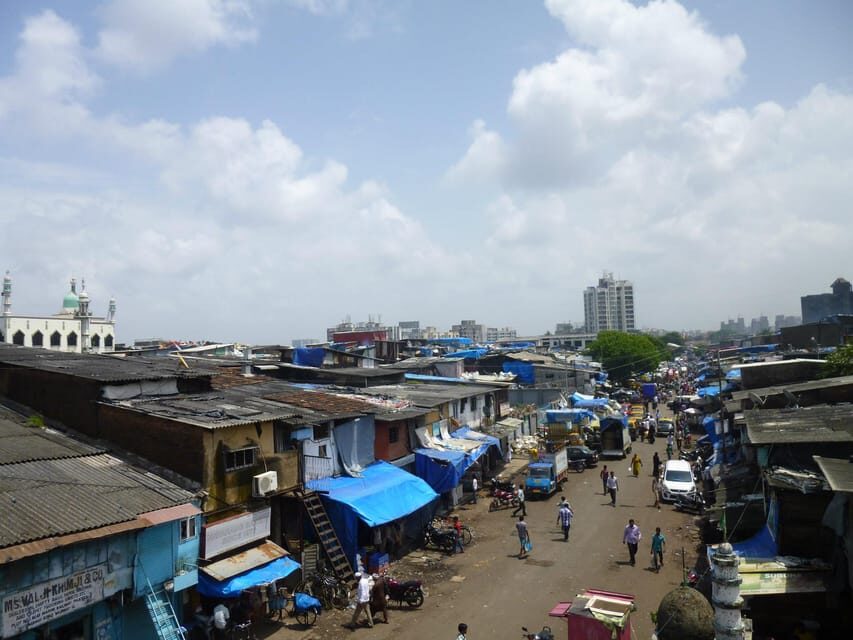
A slum tour can go two ways. Either it turns into a voyeuristic checklist, or it becomes a lesson in how communities solve problems with the tools they have. This Dharavi walking tour is built for the second option.
You’ll meet at Café Coffee Day opposite Mahim Railway Station on Tulsi Pipe Road, then spend two hours walking through Dharavi’s lanes and working areas. The experience is guided in English, and the group stays small (limited to 10 participants), which matters when you’re moving through crowded streets where attention and awareness make the difference.
What I like most is how the tour nudges you to look past labels like “poor” or “destitute.” You’re encouraged to see systems: how materials get reused, how goods get made, and how people share space in ways that still function.
You can also read our reviews of more walking tours in Mumbai


Getting There From Mahim: Where the Tour Starts and How Long It Really Feels
The meeting point is practical if you’re already staying near Mahim. You’ll start at Café Coffee Day opposite Mahim Railway Station, then the route ends at Mahim Junction. That’s helpful because it keeps the logistics simple: you’re not forced into a complicated “backtrack later” situation.
The time commitment is 2 hours, which is the sweet spot for Dharavi-style walking. Long tours can get exhausting fast in tight spaces and with constant movement. Two hours gives you enough time to see different parts of the neighborhood—industrial areas, residential pockets, and community spaces—without turning it into a marathon.
If you want an easy flow day, plan this when you’re not rushing to catch a train right after. You’ll be doing a walk plus Q&A, and you’ll need moments to reset your brain as you shift from one type of activity to another.
The Route Through Dharavi: Narrow Corridors, Mixed Communities, and a Sense of Order

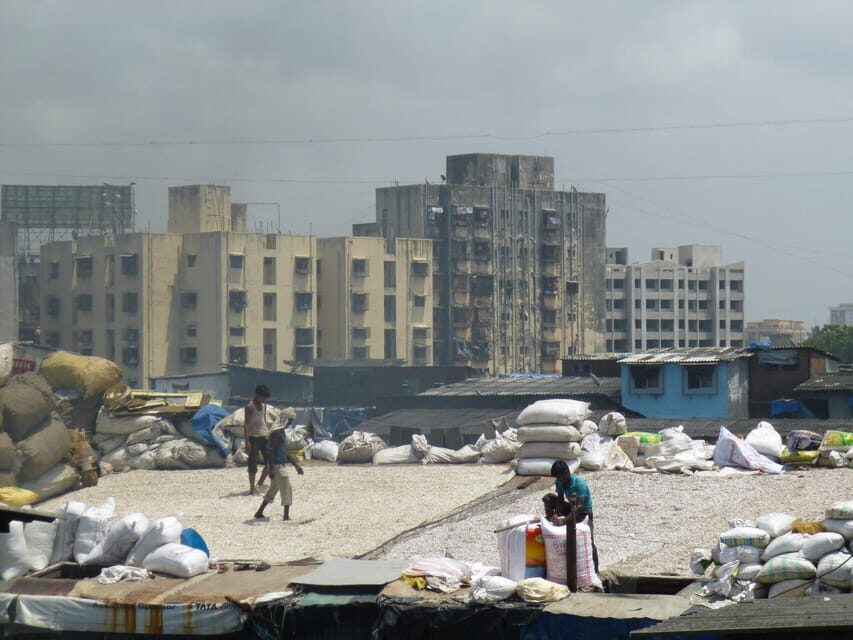
This tour is designed to move you through different layers of Dharavi. You’re not just shown one “type” of scene. You’re guided through multiple areas, including sections linked to different communities, and you’ll learn how those communities coexist and keep routines going.
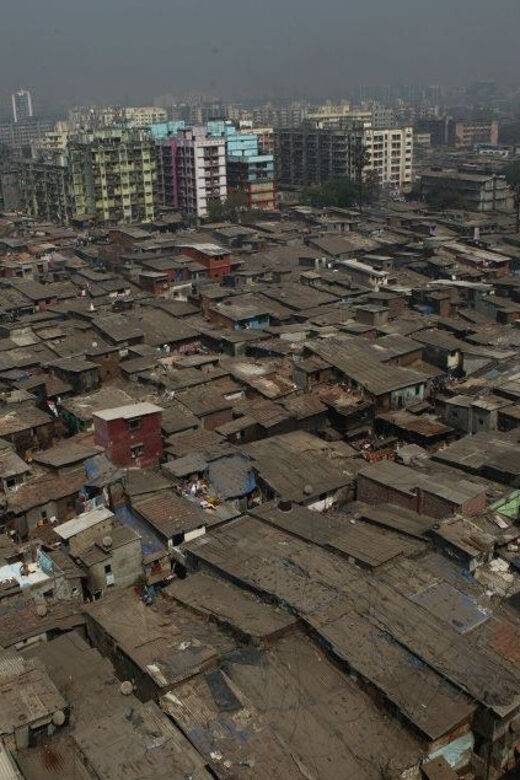
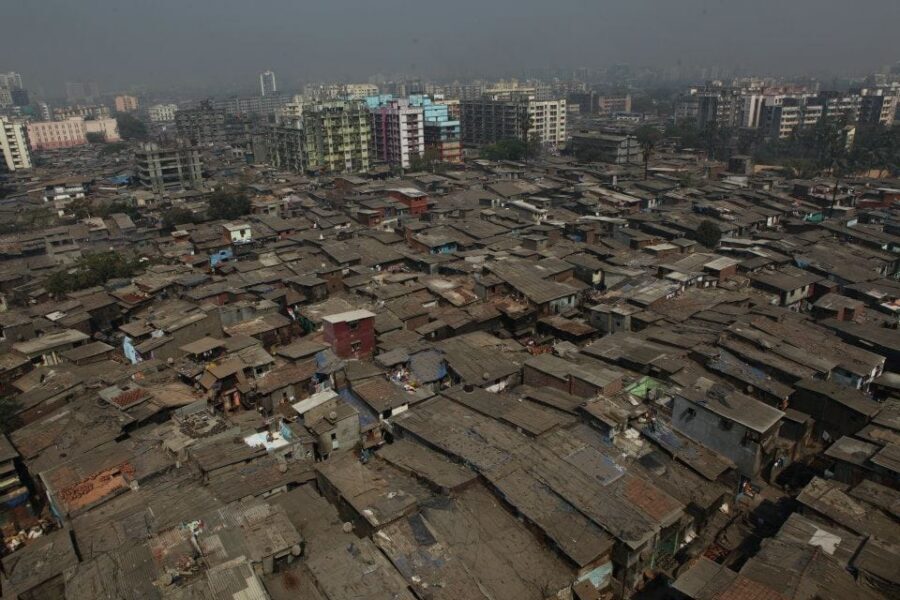
As you walk, you’ll notice how the neighborhood feels like a network rather than a single area. Tiny corridors and close-packed buildings don’t automatically mean chaos. In many places, you can feel a kind of order: people know where to go, where work happens, and which routes make sense at a given time.
A highlight here is the emphasis on community spirit. The tour talks about Dharavi’s scale—often described as home to about 700,000 to a million people—and that context changes how you interpret everything you see. Instead of thinking in terms of a “single site,” you start thinking in terms of a functioning mini-city.
One detail that stands out from guide style: the most effective tours aren’t just reciting facts. They’re answering the questions you’re already forming in your head, like How does this process work? Who buys this? How do schools and churches fit into daily life? This tour is set up to handle those questions as you go.
Trade Highlights: Recycling, Dye Work, Leather, Pottery, and Papadums
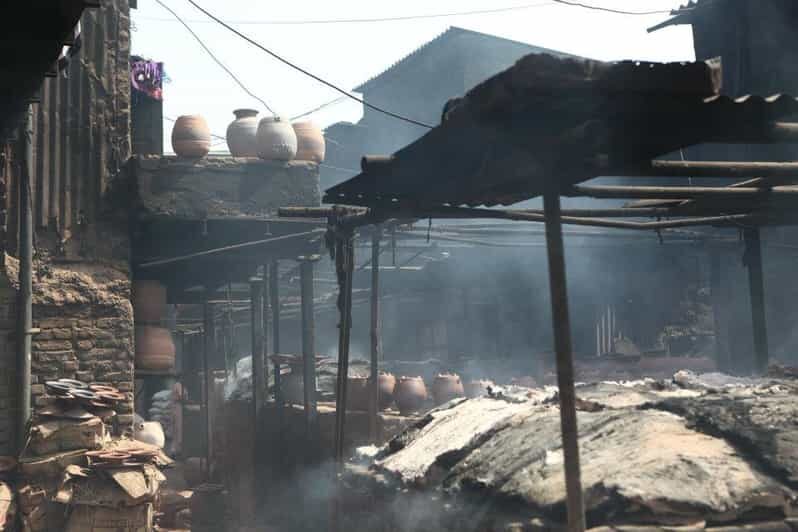
Dharavi’s economy is a big part of why the tour feels so different from a typical sightseeing stop. You’ll encounter multiple kinds of work, including:
- Recycling activities, including material reuse
- Vegetable oil can recycling
- Dye production
- Leather works
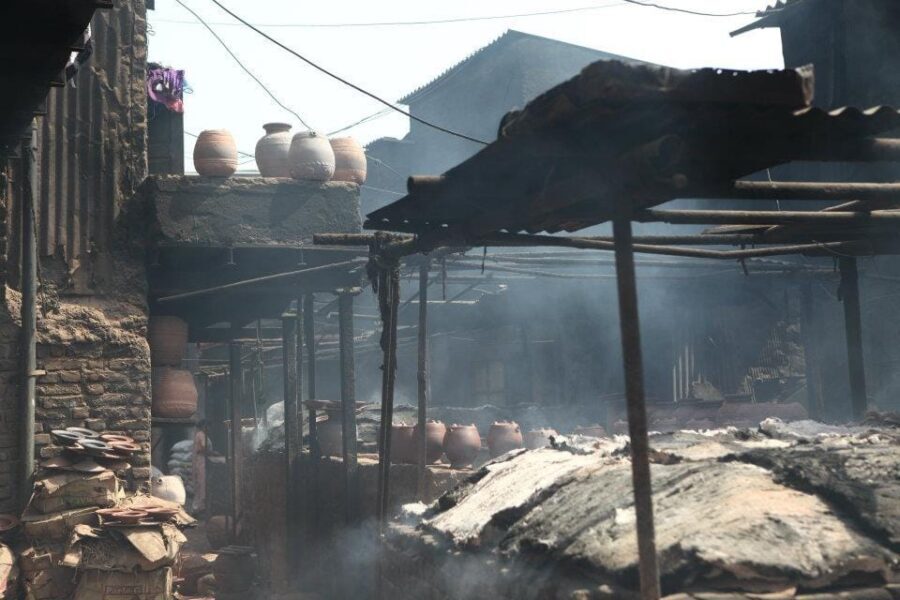
- Pottery workshops
- Papadum baking areas
This matters because it gives you a clearer mental model. You’re not just witnessing hardship; you’re seeing production. Even if you don’t understand every step of a process at first glance, you can usually tell what stage you’re watching—input, processing, packaging, sales.
And here’s the practical takeaway: these trades show resilience, but they also show specialization. When people repeat the same tasks day after day, skills compound. That’s true anywhere in the world, and Dharavi is no exception.
If you’re the type who likes to connect travel scenes to how economies actually run—where raw materials come from, how products get made, and how waste gets turned into input—this section is where the tour earns its keep.
The Slumdog Millionaire Filming Stop: A Film Link Without the Theme-Park Vibe
Dharavi became globally famous after the 2008 movie Slumdog Millionaire. This tour includes a stop connected to the film—specifically a slum dwelling where the movie was made.
This part can be tricky on tours everywhere. Movie-linked stops sometimes feel like cosplay: visitors snap photos, then move on fast. Here, the experience is framed as context rather than spectacle. You’re walking through living neighborhoods, and the film connection becomes one thread in a bigger explanation of how Dharavi has been seen and misunderstood.
Also, because cameras are strictly prohibited, you’re less likely to turn this moment into a souvenir hunt. Instead, you’re more likely to pay attention to the setting, the scale, and the lived reality around the filming connection.
If you care about how media affects places, this stop is a good reality check. You’ll come away with a more human understanding of what got filmed, and what people actually live with every day.
A few more Mumbai tours and experiences worth a look





Schools and Churches, Plus Soap-Making: The Daily-Life Stuff You’ll Remember
One of the most valuable parts of the walk is when it shifts from production to services. You’ll see or learn about places such as:
- Schools used by residents
- Churches used by residents
- Areas where soap is made
This is where stereotypes start falling apart. It’s easy to assume that a place like this lacks basic infrastructure or community life. But the tour’s message is different: you’ll see everyday institutions that support routines, not just “survival.”
Even if you don’t know much about Mumbai beyond big attractions, this portion gives you a grounded sense of how a neighborhood functions. People go to school. Places gather communities. Products get made beyond the most visible trades.
The tour also makes a point that you shouldn’t expect a “worst-possible-day” tour. It nudges you away from the idea that the only story is extreme poverty. Instead, you get a look at working systems and community life that continues despite constant pressure.
Meeting the Guide: Why Local Perspective Changes Everything
The tour is led by an English-speaking guide, and the group stays small. In the most memorable cases, the guide isn’t just presenting facts—they’re also translating the neighborhood for you.
One guide name you might hear on these tours is Dinesh. The useful part isn’t celebrity or credibility theater. It’s that he knows how to explain what you’re seeing in plain language, and he can answer practical questions as you walk—questions like how trades connect, how people navigate their days, and why certain areas feel more crowded or more industrial.
You’ll often notice that tours like this succeed when the guide keeps you safe and oriented. You’ll get instructions on how to move through areas respectfully, and you’ll follow firm boundaries about what you can photograph.
Photo Rules and Clothing: How to Respect the Neighborhood Without Feeling Awkward
This is one of the tours where rules aren’t just legal footnotes. They change the tone.
- No cameras are allowed.
- Short skirts are not allowed.
- You should dress modestly.
- Bring a water bottle and a hat/cap.
- Wear comfortable shoes.
If you’ve done tours in other countries, you might expect “no flash” or “no tripod.” Here, it’s stricter: photography is strictly prohibited. That means you’ll have to rely on memory and observation instead of screen captures.
In a place where people live and work, that’s a big deal. The tour keeps the focus on conversation and context. It also reduces the risk of turning someone else’s home into your personal content.
For clothing, aim for simple and practical. You’ll walk in a neighborhood with narrow passages and constant movement. Skirts that ride up or clothing that restricts stepping can make things harder than you’d expect.
Price and Value: What $65 Buys in a 2-Hour Dharavi Walk
At $65 per person for 2 hours, this isn’t a bargain-basement tour. So the question is: what are you buying?
You’re buying guided interpretation with a local lens, plus time that covers multiple parts of Dharavi: community areas, trade-focused stops, and a film-connected dwelling tied to Slumdog Millionaire. You’re also buying group management in tight spaces. Small-group limits matter here because you’re walking through neighborhoods where too many people can disrupt the flow.
The tour includes a guide and transportation on request. It’s not clear that transportation is always provided for everyone, but the option is there if you need it. Personal expenses aren’t included, so budget for snacks or water if you choose to buy them.
If your goal is simply to “see Dharavi,” you can find cheaper options. If your goal is to understand how trades, institutions, and community organization shape daily life, then $65 starts to look more reasonable—because you’re paying for time with a guide who helps you read what you’re seeing.
Safety, Comfort, and Who This Tour Fits Best
Safety on tours like this is less about dramatic danger and more about doing things the right way: follow the guide’s instructions, walk where you’re directed, and don’t wander off trying to explore on your own.
The experience is built around a guided route, and because the group is small, you’ll have less trouble staying together. That said, this is still a walking tour through a dense neighborhood. Expect uneven footpaths, tight spaces, and the need to stay alert.
Who it suits best:
- You want a guided understanding, not just a bus ride
- You’re curious about work and local economies
- You’re respectful about community boundaries (including no-photo rules)
Who should think twice:
- You need wheelchair accessibility (this tour isn’t suitable for wheelchair users)
- You can’t walk for 2 hours in a busy neighborhood
- You’re uncomfortable following strict rules like no cameras and modest dress
Should You Book This Dharavi 2-Hour Walking Tour?
Book it if you want a short, guided format that explains Dharavi as a working neighborhood and not just a scary headline. The strongest reasons to go are the trade-focused route, the Slumdog Millionaire filming connection, and the small-group, question-friendly approach.
Skip it if you’re expecting easy photo opportunities or you rely on camera access to remember your trips. Also skip if mobility is an issue—this is a walking tour in a place that isn’t set up for wheelchairs.
If you book, do it with the right mindset: show up ready to observe, ask questions, and accept that this isn’t a souvenir hunt. That’s when Dharavi stops being a stereotype and starts feeling like a real, living city.
FAQ
Where do I meet for the Dharavi 2-hour walking tour?
You meet at Café Coffee Day, opposite Mahim Railway Station on Tulsi Pipe Road, Mumbai.
How long is the tour?
The tour lasts 2 hours.
Is the tour in English?
Yes. The live tour guide speaks English.
Is the group size small?
Yes. The tour is a small group, limited to 10 participants.
Can I bring and use a camera?
No. Cameras are strictly prohibited.
What should I wear or bring?
Wear comfortable shoes and dress modestly (short skirts are not allowed). Also bring a water bottle and a hat/cap.
Is this tour suitable for wheelchair users?
No. It is not suitable for wheelchair users.