REVIEW · MUMBAI
Vibrant Markets of Mumbai (2 Hours Guided Walking Tour)
Book on GetYourGuide →Operated by Yo Tours · Bookable on GetYourGuide
Mumbai’s markets hit fast. This guided walk strings together the city’s best-known bazaars and temple streets in just two hours, with real local food stops along the way. I like the practical format: you get guided context so the chaos has meaning, and you also get time to browse without being dragged on a nonstop sprint.
Two things I especially enjoy: the mix of shopping worlds (jewelry, silk, spices, antiques) and the payoff at the food stops—chai in a clay pot, plus bites at Crawford Market like cheese and homemade chocolates. One possible drawback: you’ll be walking through crowded, narrow lanes, so it’s not ideal if you hate close quarters, heavy foot traffic, or lots of street noise.
In This Review
- Key Highlights You’ll Care About
- How This 2-Hour Market Walk Feels on Foot
- Starting at BAPS Shri Swaminarayan Mandir: A Calm Launch Point
- BMC Market and Mumba Devi Temple: What the City Does Daily
- From Bhuleshwar to Chor Bazaar: Fruits, Pooja Items, Antiques, and More
- Zaveri Bazaar: The Jewelry Market That Lives Up to the Reputation
- Mangaldas Market (Opened 1893): Silk, Cloth, and Tailors at Work
- Crawford Market: Cheese, Homemade Chocolates, and Clay-Pot Chai
- Shopping Strategy: How to Browse Without Getting Overwhelmed
- Guide Impact: Why Names Like Nisar, Maze, Giriraj Matter
- Price and Value: What $14 Buys You
- Who Should Book This (and Who Might Not Love It)
- Should You Book This Mumbai Markets Walking Tour?
- FAQ
- Where is the meeting point?
- How long is the tour?
- What languages does the guide speak?
- Is hotel pickup and drop-off included?
- What food is included during the tour?
- Will there be time to shop or browse?
- Does the tour run in all weather?
- What should I wear or bring?
- What if I have allergies?
- Is cancellation free if my plans change?
Key Highlights You’ll Care About
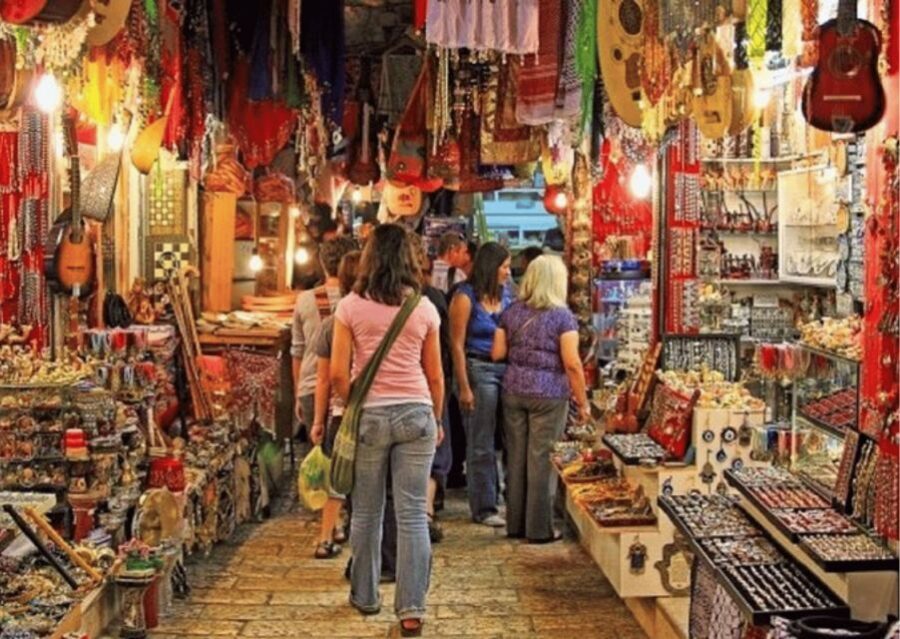
- Zaveri Bazaar: Mumbai’s biggest jewelry lane, built for gold shine and glittering stones
- Mangaldas Market (since 1893): silk and cloth focus, with tailors and designer-style shopping
- Crawford Market food: imported cheese and homemade chocolates, plus chai and dessert-style stops
- Mumba Devi Temple: a stop tied to the city’s origin name
- Street-market variety: Bhuleshwar Market and Chor Bazaar add fruits, pooja items, rose petals, antiques, and more
- A guide who manages the crowd: people like Nisar and Maze have been praised for staying calm, organized, and safe in busy areas
How This 2-Hour Market Walk Feels on Foot
This is a walking tour built for short attention spans and big curiosity. In about two hours, you’ll hit multiple market zones and several major streets, with guided stops plus short stretches of free time to look around. It starts at BAPS Shri Swaminarayan Mandir, which is a smart way to begin: you get your bearings before stepping into the harder-edged market lanes.
The pace is focused. You’ll be moving on foot between places like BMC Market, Mumba Devi Temple, and the jewelry and fabric shopping streets, with guidance helping you understand what you’re seeing. The tradeoff is simple: you’re not in a vehicle, so wear comfortable shoes and accept that crowds and narrow paths are part of the deal.
You can also read our reviews of more walking tours in Mumbai



Starting at BAPS Shri Swaminarayan Mandir: A Calm Launch Point
You meet at BAPS Shri Swaminarayan Mandir, and that matters more than you might think. Starting at a well-known, orderly place gives you an anchor right away, especially in Mumbai where streets can feel like a puzzle. Then your guide leads you into the market corridors where daily commerce runs right alongside religious and cultural life.
From here, the route quickly becomes practical street travel. You’ll pass by BMC Market for a guided look and a short visit, then head toward the temple area where the pace and vibe shift from shopping lanes to cultural focus.
BMC Market and Mumba Devi Temple: What the City Does Daily
The BMC Market stop is a quick hit, but it sets the tone for how Mumbai runs on everyday supply chains. You’ll get to see the market rhythm in a concentrated way—walk in, see what people are buying, learn what the place is known for, and move on.
Then comes Mumba Devi Temple, tied directly to the name of the city. This is your chance to understand that these markets are not just places to buy stuff; they sit next to long-standing cultural meaning. The guide’s storytelling turns the street scene into something you can actually place on a mental map.
One important reality check: temples and market entrances can be crowded. If you’re sensitive to tight spaces, plan to go slow when you reach bottlenecks, and let your guide handle the flow.
From Bhuleshwar to Chor Bazaar: Fruits, Pooja Items, Antiques, and More
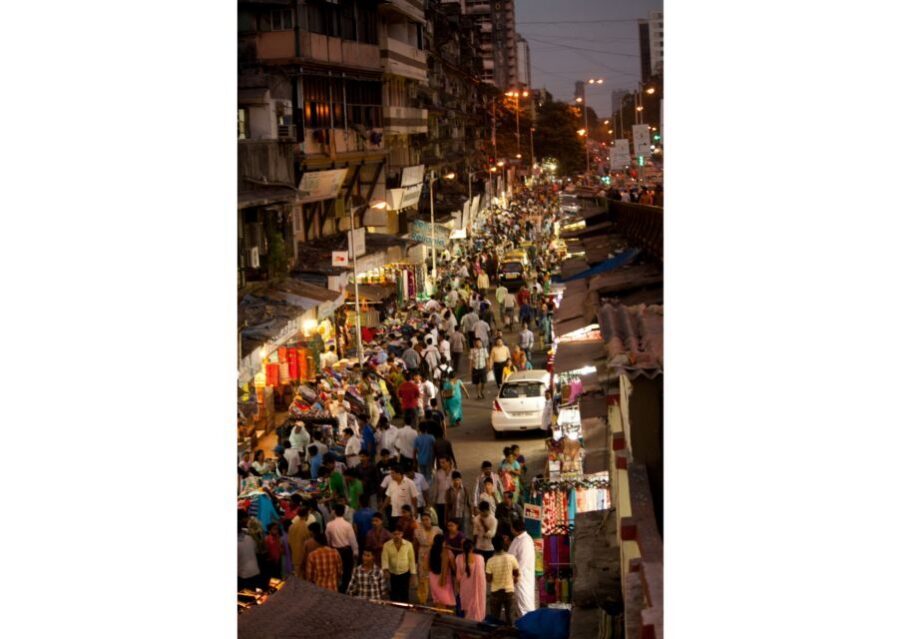
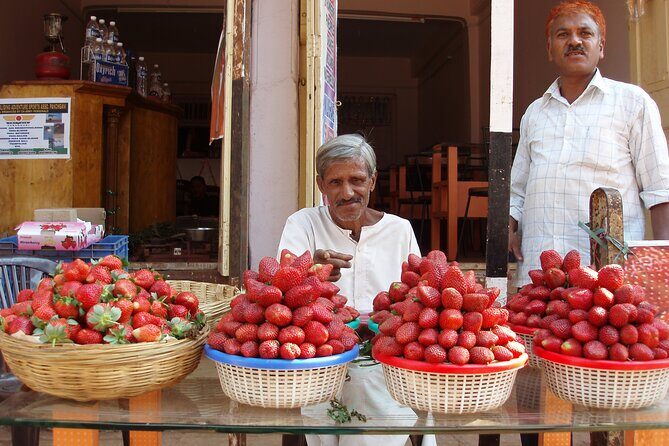
This walk leans hard into variety, and you’ll feel it right away as you move through areas like Bhuleshwar Market. Expect stalls and lanes focused on practical daily needs—fruits and vegetables, plus religious items and pooja materials. Rose petals, household goods, cloth accessories, and imitation jewelry also show up here, so the street doesn’t feel like one-note shopping.
Next, the route passes through Kalbadevi, which connects you to the next wave of commerce. Then you reach Chor Bazaar, a famous spot for antiques and furniture, where old objects and street commerce collide. Even if you don’t plan to buy anything, Chor Bazaar is great for understanding how Mumbai treats items as both utility and story.
And then there’s the flower street experience. You’ll get a strong sensory sense of what people bring to daily life and ceremonies—another reminder that this is not only about consumption, it’s about tradition working in parallel.
Zaveri Bazaar: The Jewelry Market That Lives Up to the Reputation
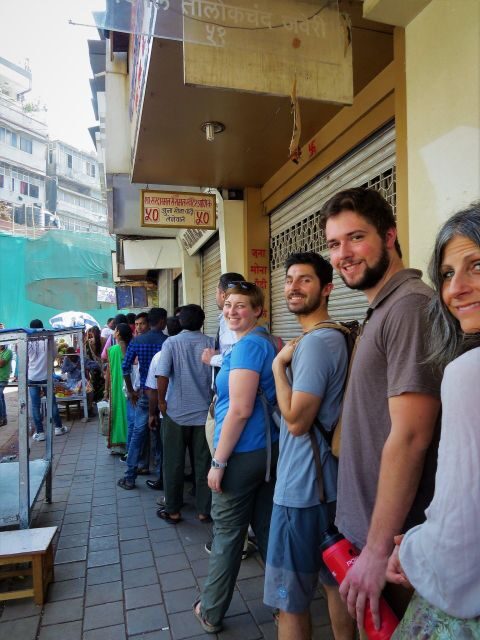
If you want a single “wow” lane, it’s Zaveri Bazaar. It’s known as the largest jewelry market in Mumbai, and the energy matches the title. You’ll see what that means in practice: rows of display work, precious metal emphasis, and the kind of glittering stone focus that turns browsing into a slow stare.
Your guide helps you look past the obvious sparkle. Instead of only pointing at items, they explain what makes the bazaar tick and how the surrounding streets connect to the jewelry supply and customer culture. One reason this stop lands well is the short guided structure—so you don’t feel lost, and you don’t feel pressured to buy.
Tip: if you’re shopping, bring a clear budget and use your free time wisely. If you’re not shopping, this is still worth it because the market layout and visual density teach you how Mumbai organizes value in public spaces.
You can also read our reviews of more guided tours in Mumbai




Mangaldas Market (Opened 1893): Silk, Cloth, and Tailors at Work
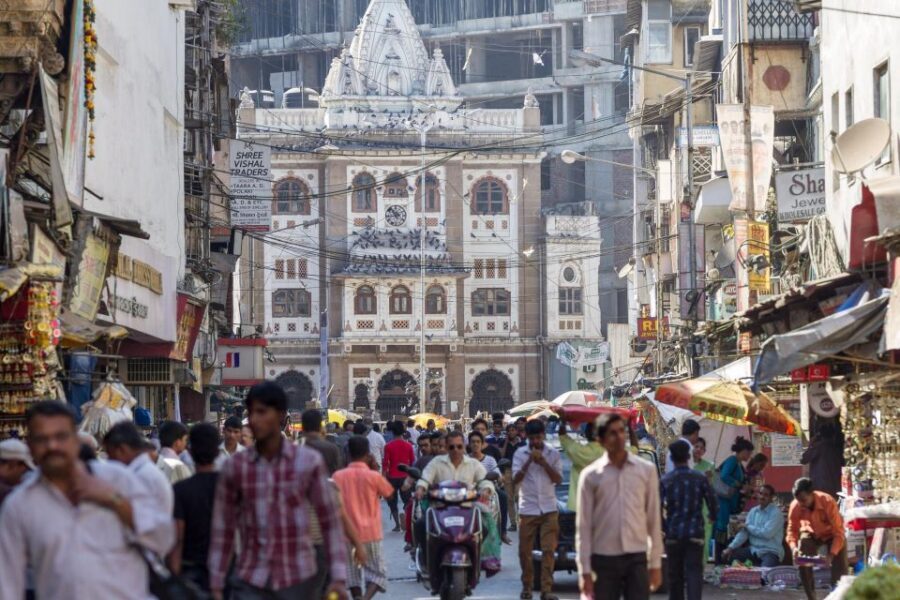
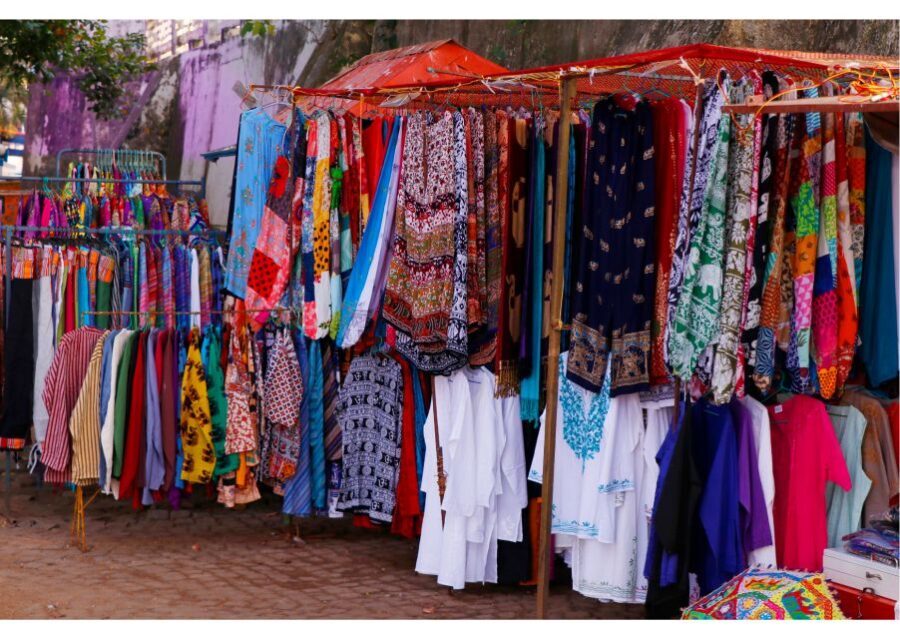
Next you’ll move into Mangaldas Market, opened in 1893, with a clear identity: silk and cloth. This stop works even better if you like fabrics, fashion details, or the idea of seeing how clothing is made and selected rather than just worn.
You can expect a mix of tailoring activity and shopping options, including areas that feel more like designer-style boutiques. The walk here helps you connect the dots between street fabric commerce and the bigger wardrobe culture in Mumbai. If you’ve ever wondered why sarees and traditional outfits are such a big visual part of the city, this is where you get the practical answers.
The main consideration is time and attention. Fabric shopping can eat up minutes fast. Your guide gives context, then you get some free time to explore, so just decide upfront whether you want deep browsing or a lighter look.
Crawford Market: Cheese, Homemade Chocolates, and Clay-Pot Chai
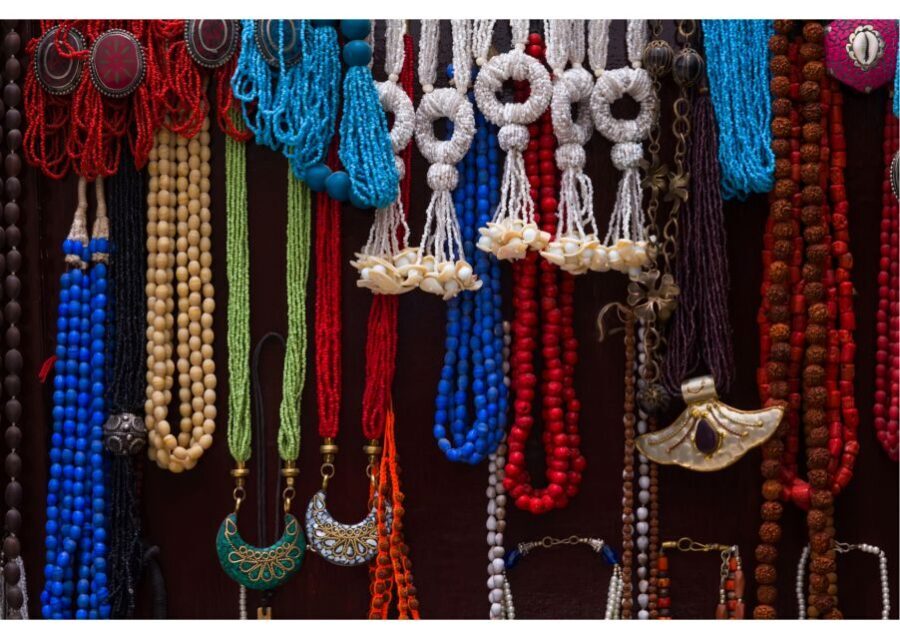
The food part is a major reason to do this walk instead of self-guided wandering. At Crawford Market, you’re in a spot famous for fruits and vegetables, but the real draw is what you taste: imported cheese and homemade chocolates. Even if you usually skip street sweets, this stop is timed so you’re ready to try something new without turning the whole tour into a snack festival.
You also get masala chai in a clay pot, and that’s the kind of detail that makes the tour feel specific, not generic. One highlight mentions great views of Mumbai during the tea stop, which is exactly what you want in a city where the streets are intense—one pause to look out and reset your brain.
After the main tasting moments, the tour continues with desserts and mouth fresheners. It’s a nice touch because it turns the end of the walk into a complete food experience, not just a couple of bites.
Shopping Strategy: How to Browse Without Getting Overwhelmed
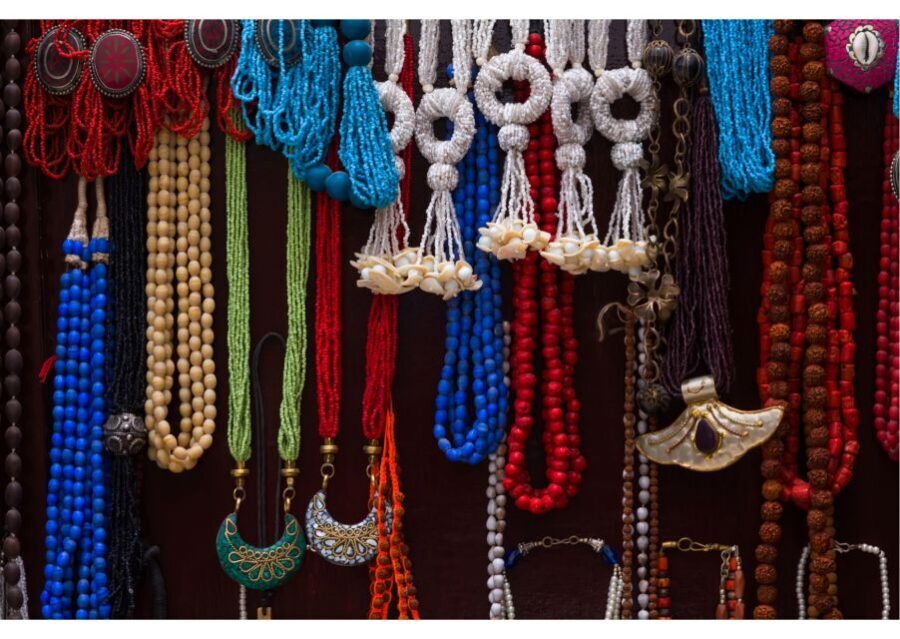
Market walking in Mumbai can feel like sensory overload, so I like using a simple plan. Pick one category to focus on—jewelry shine, silk/cloth texture, or small antiques-like objects—and let everything else be background. That way, you get the best of the bazaar without the stress of trying to see everything.
If you want to buy something, do it during the free time blocks and compare options in the immediate area. The lanes can be crowded, so don’t get stuck hovering in the most blocked section—move with the crowd, and ask questions first about materials or ingredients if that matters to you.
And if you’re allergic or sensitive to certain foods, tell your guide up front. Since the tour includes food tasting, it’s important that you don’t discover issues in the middle of a busy market line.
Guide Impact: Why Names Like Nisar, Maze, Giriraj Matter
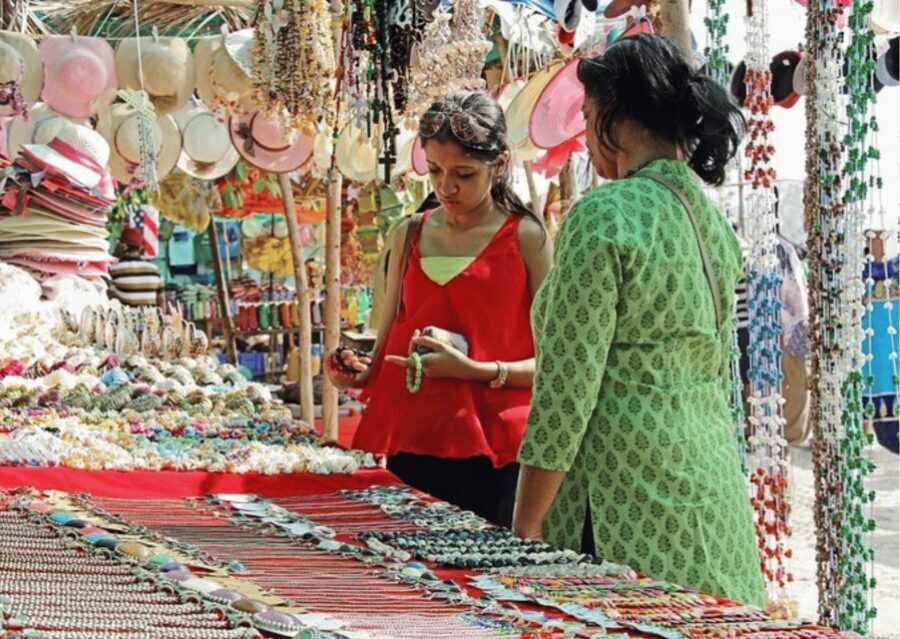
This tour is guided, and the difference is real. Guides such as Nisar, Maze, and Giriraj have been praised for staying calm, organizing the route well, and answering questions without rushing. I also like that the best guides adapt: one guide was described as customizing the experience and even stretching beyond the core walk to add extra city context when possible.
Another recurring theme is safety and pacing in busy traffic and foot-choked streets. Even though it’s mainly walking, you still have road crossings and crowd squeezes, and a confident guide helps you stay focused instead of worrying about where to step next.
Language support is also a plus. The guides speak English and Hindi, which makes communication easier if you’re pairing a tourist brain with real local questions.
Price and Value: What $14 Buys You
At $14 per person, you’re not really paying for a private car or long museum time. You’re paying for three things that add up quickly:
- a route that connects major market zones in two hours
- guided explanations that help you read what you’re seeing
- food tasting included in the walking experience
If you love street food and markets, the value becomes obvious because Crawford Market’s cheese and homemade chocolates, plus the clay-pot chai and end-of-walk sweets, would take time and effort to line up on your own. The guide also saves you from common self-walk problems: getting turned around, missing the point of key stops, or getting trapped in the wrong lane at the wrong time.
Who Should Book This (and Who Might Not Love It)
Book this tour if you want a quick Mumbai sampler that still feels specific—markets with different identities, plus food that’s part of the route. It’s a good fit for first-time visitors who want orientation fast, and for anyone who enjoys street-life details like pooja items, fabric shopping, and the way jewelry lanes work.
Skip it if you struggle with crowds, narrow streets, or sustained walking. It’s about a 2-hour walk, so you should be comfortable moving for that time. Also, market conditions can be intense during busier periods, so if you’re not into pressure and people-flow, consider a different pacing.
Should You Book This Mumbai Markets Walking Tour?
I think you should book if you want structure. This walk takes you through famous places—BAPS as a starting anchor, Mumba Devi Temple, Zaveri Bazaar, Mangaldas Market, and Crawford Market—and ties them together with food plus street-level storytelling. For the price, the biggest win is that you get a guide threading you through the noise so you can enjoy it instead of just surviving it.
If your main goal is shopping, you’ll appreciate the free time at key stops. If your main goal is food, you’ll like how the tastings are built into the route. And if you want a calmer experience, choose comfortable clothing, carry an umbrella for monsoon conditions, and let your guide manage the flow.
FAQ
Where is the meeting point?
You meet at BAPS Shri Swaminarayan Mandir, Mumbai.
How long is the tour?
The walk lasts about 2 hours.
What languages does the guide speak?
The guide speaks English and Hindi.
Is hotel pickup and drop-off included?
No. Hotel pickup and drop-off are not included.
What food is included during the tour?
The tour includes food tasting of multiple authentic Mumbai street dishes. The highlights also call out masala chai in a clay pot, plus cheese and homemade chocolates at Crawford Market, and finishing with desserts and mouth fresheners.
Will there be time to shop or browse?
Yes. You’ll have free time in several market areas, so you can browse and shop if you want.
Does the tour run in all weather?
Yes. It operates in all weather conditions, so you should carry an umbrella during monsoon.
What should I wear or bring?
Wear comfortable clothes, and plan for about 2 hours of walking. An umbrella is recommended for monsoon weather.
What if I have allergies?
Let your guide know about any allergies before food tastings happen.
Is cancellation free if my plans change?
Yes. You can cancel up to 24 hours in advance for a full refund.