REVIEW · MUMBAI
Mumbai: 2 hours Dharavi Slum Tour with Local Guide
Book on GetYourGuide →Operated by Mumbai Experiences · Bookable on GetYourGuide
Dharavi changes how you see Mumbai. This 2-hour walking tour takes you through Asia’s largest slum in a way that focuses on people and work, from tight homes to active lanes full of small businesses. I especially like that you’re led by local guides who still live in Dharavi, and that you get a ground-level view of day-to-day industry, not just housing.
The main watch-out is that it is a dense, crowded area. You’ll be on your feet for the full walk, you may face limited restrooms, and the rules about clothing and photography are real, not optional.
In This Review
- Key things to know before you go
- Dharavi in two hours: what you see and why it matters
- Your local guide in Dharavi: how the tour keeps it human
- Walking route highlights: homes, markets, school, and small neighborhoods
- The industries you’ll notice: recycling, leather, garments, pottery
- Meeting point, walking rules, and what to bring in Mumbai heat
- Price and value: why $6 can still be meaningful
- Who this Dharavi tour suits (and who should skip)
- Should you book this Dharavi slum tour? My take
- FAQ
- How long is the Dharavi slum tour?
- How much does it cost?
- Where do I meet the guide?
- What does the tour include?
- Are snacks included?
- What language will the guide use?
- Are there any photography or clothing rules?
- Is the tour suitable for wheelchair users or visually impaired people?
- What should I bring and consider?
Key things to know before you go
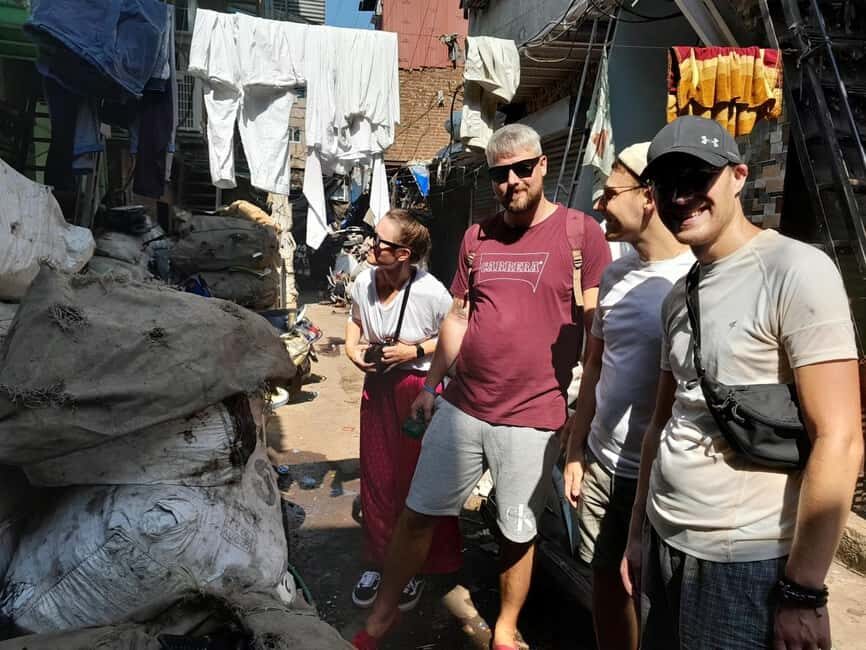
- Local guides from Dharavi: Guides like Shivam, Hitesh, Balaji, Rehana, Raya, and Rihanna are repeatedly praised for explaining in clear English and showing places you can’t find alone.
- You’ll see both home life and work: Expect narrow lanes, smallest houses, local markets, schools, and workshops tied to recycling and making.
- It’s more than poverty talk: The tour puts a spotlight on effort, trade, and community pride, not pity.
- Bring heat-and-crowd basics: Comfortable shoes, sunscreen, and a sun hat matter more than you think in Mumbai.
- Rules keep it respectful: Wear clothing that covers shoulders and legs, and skip professional cameras and flash photography.
- Not ideal for everyone: It’s not suitable for wheelchair users or visually impaired people, based on the walk and route conditions.
Dharavi in two hours: what you see and why it matters
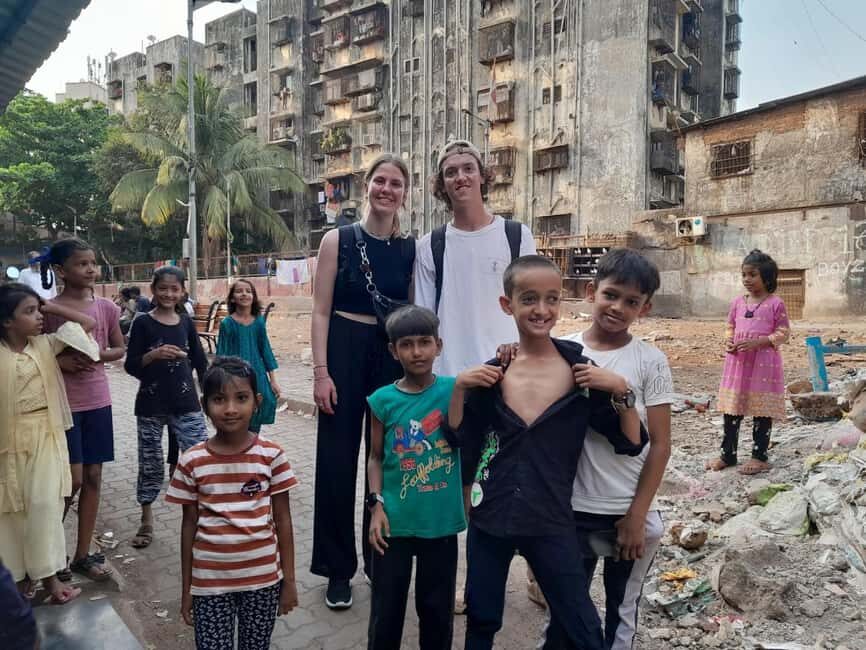
Dharavi is often described in one word: slum. But a good tour here helps you notice something else fast—work is constant, and family life is woven through it. In just two hours, you get a sense of the scale and the rhythm of a place where thousands of micro-businesses operate from tight spaces, and where different parts of the community share the same narrow streets.
I like that this tour doesn’t try to turn Dharavi into a one-note story. You’re shown how residents generate income through small industries—things like recycling and leather work—while also keeping schools, everyday markets, and shared community spaces running. That balance is what makes it more meaningful than a quick photo stop.
One more thing: the tour is designed around local access. When you’re walking with someone who’s lived there for generations, you don’t just observe—you understand context. That shows in the guide answers too. People keep praising guides for being patient, calm, and able to handle questions without getting defensive.
You can also read our reviews of more guided tours in Mumbai


Your local guide in Dharavi: how the tour keeps it human
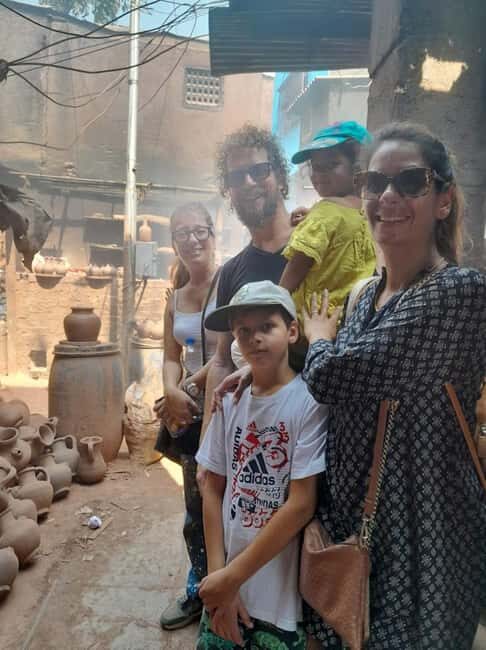
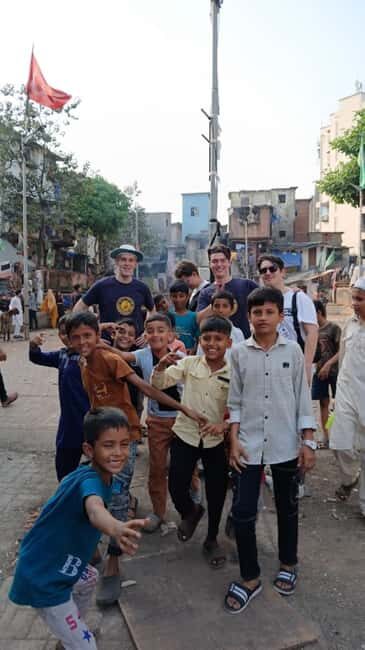
The biggest value is your guide. This is not a script read from a van. You’re walking with someone who knows the lanes, the businesses, and the everyday realities—because they grew up there and still live there.
Names you may meet matter because they match the kinds of experiences people describe. Shivam, for example, comes up again and again as insightful and polite, with many guests appreciating how he guided them through “all the crevices of corners” of Dharavi. Hitesh is praised for clear English and answering questions in a straightforward way. Balaji is singled out for making people feel safe and well guided, plus for being able to explain the area and its history in an approachable manner. Rehana and Raya are also mentioned as friendly, organized, and detail-focused.
That local connection also helps you avoid the worst style of slum tourism. The tour’s whole pitch is basically this: no one knows Dharavi better than locals who live it. And in practice, that means you’re more likely to get human-sized explanations—why a business is where it is, what people do day to day, and how the community fits together.
Ethics note, because it’s important: you can support dignity or you can turn people into scenery. If you go, go respectfully. Ask questions, keep your distance where needed, and remember this isn’t a performance. It’s someone’s neighborhood.
Walking route highlights: homes, markets, school, and small neighborhoods

You’ll start at a very specific spot: outside Third Wave Coffee Shop, next to the City Bank ATM, Mahim station west, opposite the ticket counter. The tour ends back at the same meeting point, so you’re not stuck wondering how to get out once you’ve seen what you came for.
As you walk, the tour is built around a mix of places that show Dharavi as a living system:
- The narrow lanes and smallest houses: This is where you feel the density. It’s not just a statistic; you see it in the space families occupy and the way daily life happens close together.
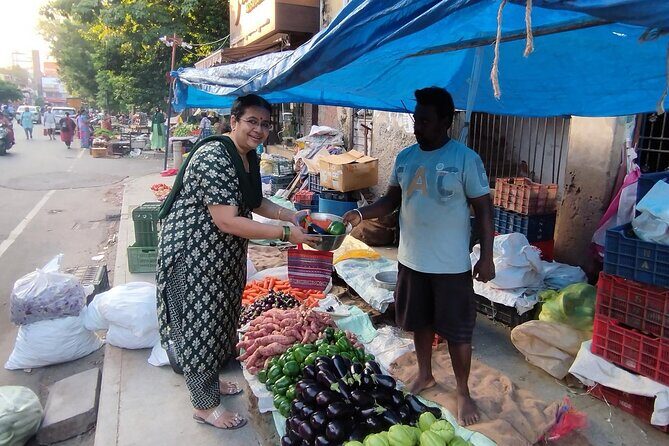
- Local market areas: You’ll notice commerce happening at street level, with small-scale businesses operating in very tight spaces.
- A school stop: This matters more than you might expect. It shifts the story from only production to education and future planning.
- Recycling industry zones and workshops: You’ll be guided through parts of the community tied to materials recovery and processing.
The tour doesn’t try to rush you through everything like a checklist. Guides are praised for being patient and answering questions, and that’s a big deal here, because Dharavi is complex. If something doesn’t make sense, your guide should be able to explain it—why an industry exists here, how work connects to household life, and how different neighborhoods within Dharavi operate.
The industries you’ll notice: recycling, leather, garments, pottery
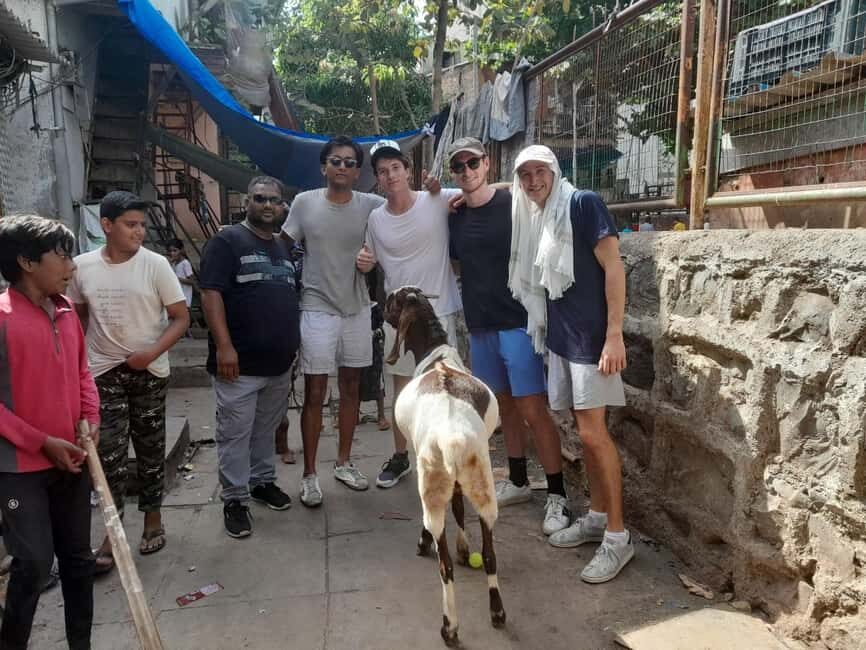
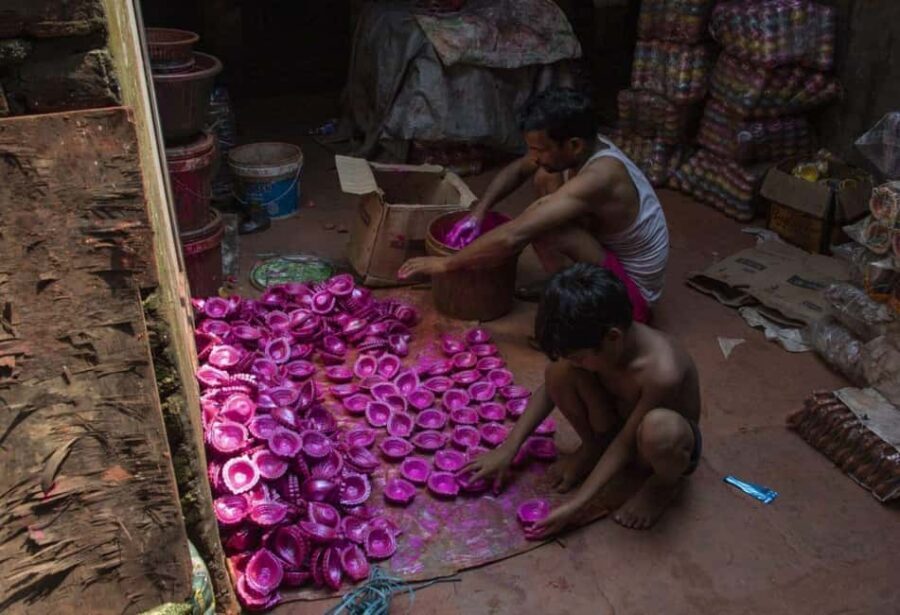
If you care about how cities really run, Dharavi is a master class in micro-industry. The tour highlights the fact that Dharavi is not only residential—it’s an industrial hub built from small workshops and repeated trades.
You may see stops tied to:
- Recycling industries and plastic-related work
- Leather factory activity
- Garments and garment-related work
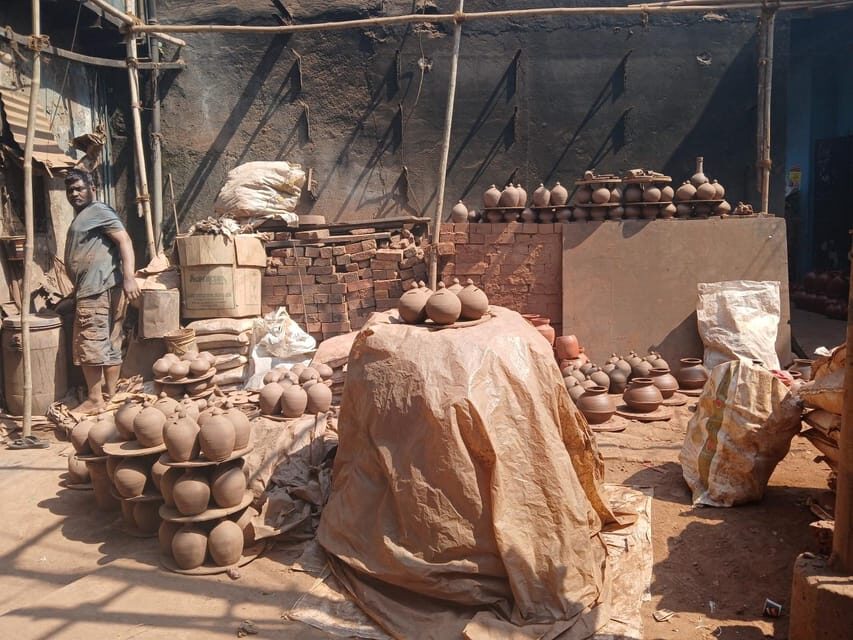
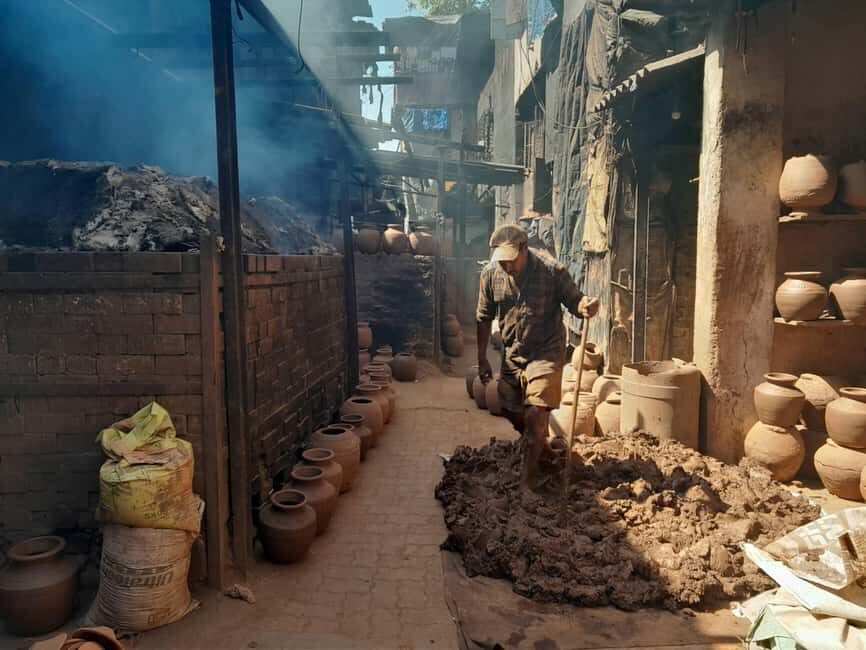
- Pottery-making
What I like about these industry stops is that they give you something concrete to look at. Instead of only hearing descriptions of hardship, you can watch how materials move, how work is organized, and how people specialize.
Also, your guide will usually connect what you see to the bigger idea: residents contribute economically through a web of small businesses. In the tour framing, this community generates over $1 billion annually, which gives you a scale for what you’re watching.
Practical thought: don’t treat the industries like a museum display. Watch quietly, ask permission where needed, and keep in mind that you’re in active workplaces. When a guide like Shivam or Balaji is at the front of the line, they can help you understand what’s okay to photograph and what needs respect.
Meeting point, walking rules, and what to bring in Mumbai heat
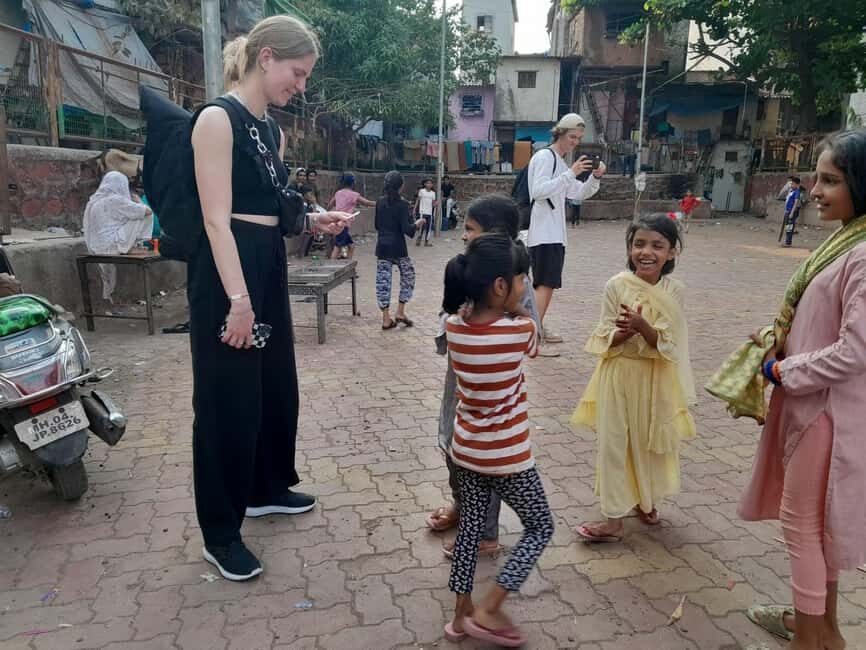
This tour is simple, but it’s not casual. The route is crowded and you’re moving through neighborhoods with limited space. That’s why the “what to bring” list is actually the difference between a good experience and a stressful one.
Bring:
- Comfortable shoes (non-negotiable)
- Sun hat and sunscreen
- A good supply of water
- Weather-appropriate clothing
Included:
- Tour guide
- Bottled water
Not included:
- Snacks
So plan a small snack schedule around your day. If you skip food, the heat plus walking can get tiring fast.
Dress and photo rules are also strict for a reason. You’re not allowed:
- Short skirts
- Sleeveless shirts
- Professional cameras
- Flash photography
You’re still allowed to enjoy the experience—just do it with the neighborhood in mind. Keep your phone camera use discreet, and follow your guide’s lead on what’s appropriate.
One more practical detail: restroom facilities may be limited along the route. Build in time before you start, and don’t assume you can pause whenever you want.
A few more Mumbai tours and experiences worth a look




Price and value: why $6 can still be meaningful
The price is listed as $6 per person for a 2-hour guided tour. That’s shockingly low for a specialized neighborhood walk with a local guide who knows the route and industries.
But here’s the real value equation. You’re not paying only for time. You’re paying for:
- Local context (the stuff you can’t read on a street sign)
- Access to multiple parts of Dharavi, including industry areas and a school stop
- A safer, clearer walk through dense streets with lots happening
If you’ve ever taken a tour that feels like a photo line, you’ll recognize the difference quickly. People consistently praise guides for making the walk feel safe, organized, and informative—especially with English explanations and patient answers.
Ethical value matters too. When you go with a company that relies on local guides who live in the neighborhood, your money is more likely to stay tied to the community rather than just lining up external tour operations.
Still, low cost doesn’t remove responsibility. This is where your behavior counts. Be respectful, keep your belongings secure in crowded areas, and don’t treat people’s daily life like entertainment.
Who this Dharavi tour suits (and who should skip)
This tour is best for you if:
- You want a short, structured walk that covers multiple parts of Dharavi in one go
- You’re curious about how small-scale industries and daily life connect
- You prefer learning from someone who lives the place, not someone who only reads about it
It’s not suitable for:
- Wheelchair users
- Visually impaired people
It can also be a tough fit if you need lots of breaks or a very quiet pace. The streets are crowded, and you’ll be walking on uneven, tight paths. If you’re sensitive to crowded conditions, bring your patience and go slowly.
Finally, think about your mindset before you book. This isn’t meant to be a voyeur mission. It works best when you treat it like a learning walk with real neighbors.
Should you book this Dharavi slum tour? My take
If you want the most practical introduction to Dharavi in a short time, I’d say yes, book it—with two conditions.
First, go for learning, not gawking. Keep rules about dress and photography, and follow your guide on when to step back or pause.
Second, come prepared. Wear comfortable shoes, bring sunscreen and a hat, and remember snacks aren’t included. If you show up ready for the heat and the crowd, the tour can feel powerful in a grounded way rather than overwhelming.
If you’re looking for a gentle, fully accessible experience, or you need frequent restroom breaks, you might choose something else. But for the right kind of traveler, this is one of the most informative ways to understand how Mumbai works at street level—where industry, homes, and community are tightly connected.
FAQ
How long is the Dharavi slum tour?
It lasts about 2 hours.
How much does it cost?
The price is listed as $6 per person.
Where do I meet the guide?
Meet outside Third Wave Coffee Shop, next to the City bank ATM, Mahim station west, opposite the ticket counter.
What does the tour include?
It includes a tour guide and bottled water.
Are snacks included?
No, snacks are not included.
What language will the guide use?
The tours are listed as being in English.
Are there any photography or clothing rules?
Yes. Short skirts and sleeveless shirts are not allowed. Professional cameras and flash photography are not allowed either.
Is the tour suitable for wheelchair users or visually impaired people?
No. It is not suitable for wheelchair users and not suitable for visually impaired people.
What should I bring and consider?
Bring comfortable shoes, sun hat, sunscreen, water, and weather-appropriate clothing. Restroom facilities may be limited along the route, so plan accordingly.