REVIEW · MUMBAI
Mumbai: Dharavi Slum Walking Tour by First Female Tour Guide
Book on GetYourGuide →Operated by Mumbai Excursions · Bookable on GetYourGuide
Dharavi in 2.5 hours can flip your assumptions. This is a small-group walking tour led by a female local guide, focused on how the neighborhood actually functions day to day. I love that you get hands-on context for the industrial side, from recycling and small manufacturing to the places where people live. I also like the human angle, including real transformation stories and how education and community life fit into the same streets.
The main consideration is that this isn’t a “see-and-skip” sightseeing circuit. You’ll walk through tight lanes and working areas, so keep a flexible mindset and be ready for a reality-check visit, not a photo-optimized postcard.
In This Review
- Why this Dharavi walk feels different from a standard tour
- Key things you’ll notice right away
- Third Wave Coffee as your meeting point and tone-setter
- Inside Dharavi: how the recycling economy shapes daily life
- Factories and workshops: what to watch for during the stops
- Beyond work: schools, colleges, and the education stories
- Markets and neighborhoods: seeing the full loop of daily life
- The value: $5 for a 2.5-hour local-led walkthrough
- Guide quality is the whole difference-maker
- Pace, comfort, and what to expect on the walk
- Should you book this Dharavi slum walking tour?
- FAQ
- Where is the meeting point?
- How long is the Dharavi walking tour?
- Is the tour in English?
- What’s included in the price?
- Is there an option for a private group?
- Can I cancel and get a full refund?
- Can I reserve without paying right away?
Why this Dharavi walk feels different from a standard tour
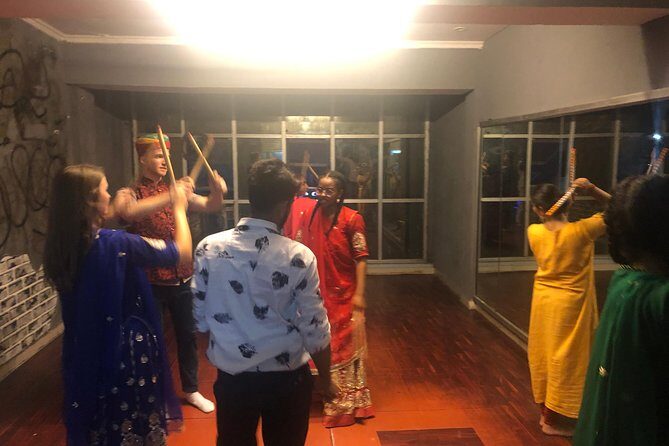
This tour’s strength is simple: it’s built to help you understand Dharavi from inside, not from a brochure. It’s led by women who know the area personally, and the route is designed to show parts of life you’d miss if you wandered on your own. You’re also in control of your questions—your guide explains what you’re seeing in plain terms, in English.
A big theme you’ll keep hearing is that Dharavi is not only housing. It’s also work, education, markets, and local services—often side by side. One reason this tour lands so well is the pacing: 2 to 2.5 hours gives enough time to connect the dots without turning into a rushed checklist.
Key things you’ll notice right away
- A first-female local perspective that keeps the tone respectful and grounded
- Recycling and manufacturing stops, not just general impressions
- Schools, colleges, and markets that show how daily life keeps moving
- Local residential areas that add context beyond the industrial parts
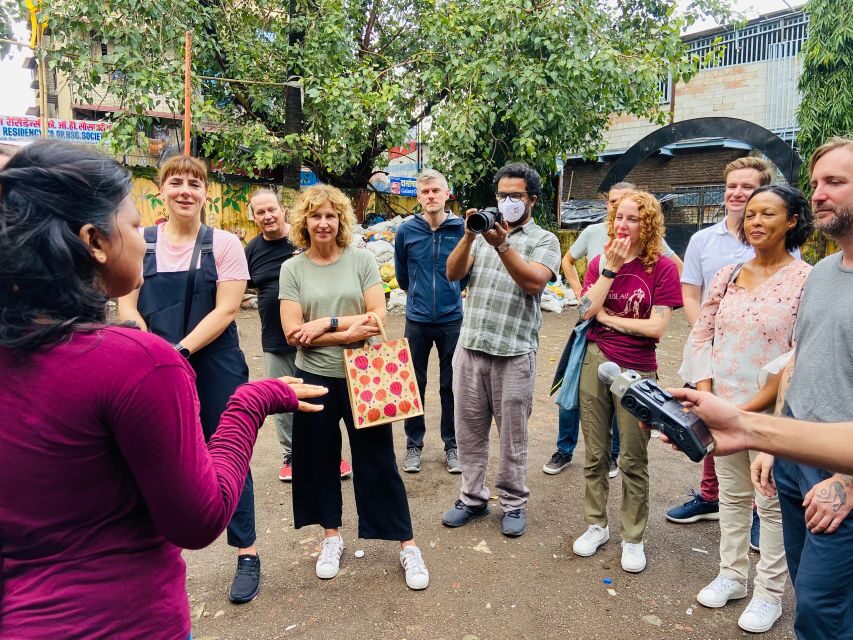
- A route built for understanding, with a guide who can answer questions in real time
- A small-group feel that helps you stay together on busy streets
You can also read our reviews of more walking tours in Mumbai


Third Wave Coffee as your meeting point and tone-setter
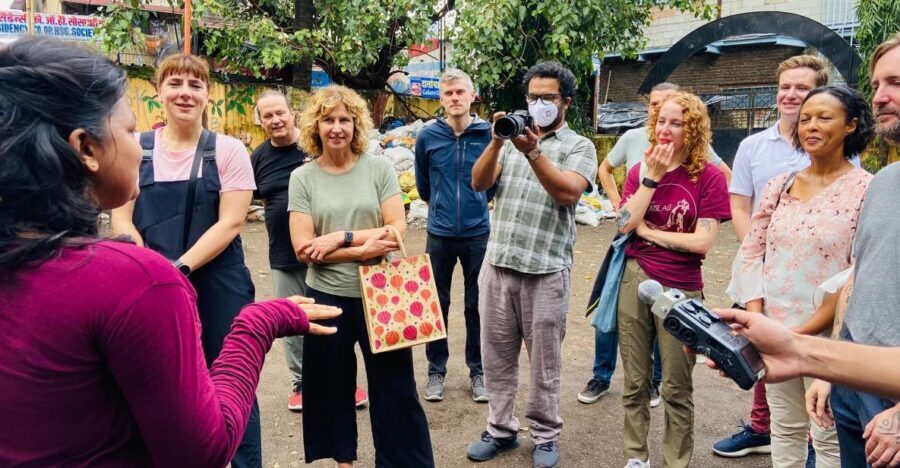
You start outside Third Wave Coffee, a practical choice because it’s easy to find and it gives you a clear “meet here” landmark in a city famous for traffic chaos. The café also helps set expectations: you can grab water, get your bearings, and settle your nervous system before the walk starts.
If you’re arriving by car, Mumbai traffic can be rough. If you’re coming by transit, aim for an approach that gets you to the general area of Third Wave Coffee without last-minute stress. In other words, show up early enough that you’re not sprinting when your guide is trying to keep everyone together.
Inside Dharavi: how the recycling economy shapes daily life
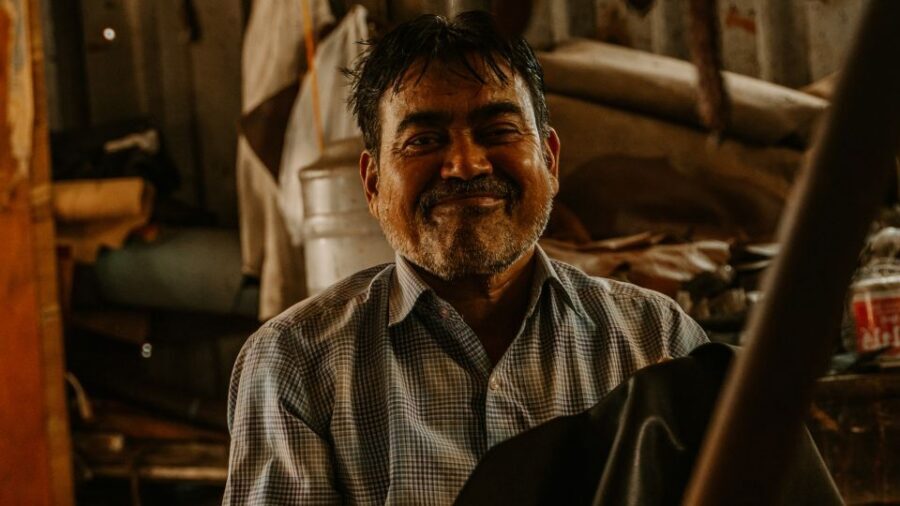
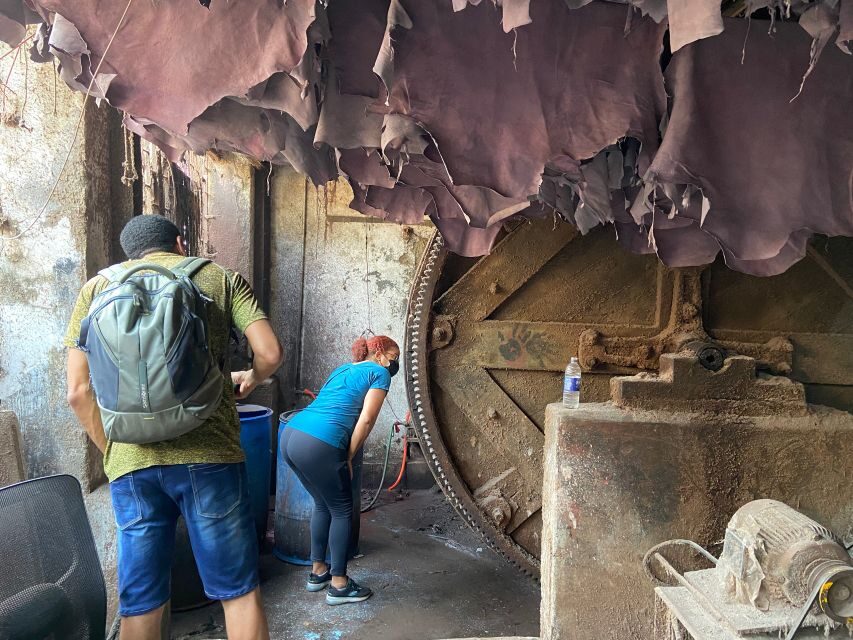
The tour’s first major shift is what you see when you turn into Dharavi’s work zones. You’re not only looking at homes; you’re looking at production. Your guide takes you past plastic recycling, paper recycling, and aluminium recycling areas, where material moves through multiple stages—sorting, processing, and repackaging for reuse.
It’s one of those “wait, really?” moments. Dharavi’s economy is built on turning waste into value, and your guide helps explain how that translates into jobs and routines. Even if you’ve read general facts online, walking past the actual work sites makes it more concrete. You can start to see how money, skills, and networks connect to the neighborhood’s everyday rhythm.
Then the route widens beyond recycling. You may pass soap factories, cloth manufacturing, leather industries, and pottery workshops. The practical value here is that you’re learning how multiple trades exist in close quarters. This isn’t one industry stuck in one corner; it’s a layered ecosystem of small workspaces and local entrepreneurship.
Factories and workshops: what to watch for during the stops
At each workshop or industry area, the guide typically points out what’s happening and how people organize around it. Focus on the workflow, not just the final product. Ask your guide what comes first, what gets reused, and how materials move.
A standout part of this tour (based on what guides are known for) is that explanations stay clear in English and the tone stays calm. Guides like Sneha and Pooja are especially noted for answering questions patiently, including when the group gets curious about how schooling, work, and family life overlap.
Also: don’t underestimate how useful it is to have someone who can keep you safe and oriented. Dharavi’s lanes can be busy, and it’s easy to get distracted by photos or close-up scenes. A good guide will manage the group so you’re not constantly hunting for the next turn.
Beyond work: schools, colleges, and the education stories
A lot of people arrive expecting a single narrative: hardship. This tour doesn’t ignore that reality, but it adds something crucial—learning. You’ll visit areas connected with schools and colleges, and your guide shares stories about education systems and how young people navigate opportunity.
This part matters because it reframes the idea of a “slum” as only a place to escape. Instead, you start to understand Dharavi as a community trying to create pathways forward. Guides are often described as locals who truly know the neighborhood’s inside details, including how families think about education and long-term stability.
If you like learning that changes your perspective, this is the segment that does the heavy lifting. You’ll likely find yourself asking more questions than you planned, because education is where you can see ambition, planning, and daily sacrifice in the same frame.
You can also read our reviews of more guided tours in Mumbai




Markets and neighborhoods: seeing the full loop of daily life
After the industrial stops, the tour moves into markets, commercial places, and residential areas. This is where you connect the dots. Work zones generate demand. Markets support families. Residential lanes show you how people build life around the schedule of production.
Your guide helps you read the “in-between” spaces: how people meet, trade, and share routine services. You’ll also hear unique transformation stories that explain how people’s lives and businesses change over time. That’s not just emotion—it’s information. It tells you why certain skills get passed on, why work networks matter, and how community resilience grows even when resources are limited.
In a city like Mumbai, it’s easy to treat neighborhoods as backdrops. This tour gives you the opposite. You walk through living systems, and your guide helps you notice what makes them function.
The value: $5 for a 2.5-hour local-led walkthrough
Let’s talk money without ignoring the reality. At about $5 per person for roughly 2 to 2.5 hours, you’re paying far more for time, access, and context than for “entertainment.” The bottled water is included, and you get a live English-speaking guide who directs your route through areas you wouldn’t find (or understand) on your own.
Is it the kind of price you’d see for a museum entry? No. But that’s also why it feels like such a rare deal in a big city. The core value isn’t the low cost—it’s that your guide controls the nuance. They can explain recycling processes, manufacturing realities, and daily-life details, and they can do it with the authority of someone who lives here.
That ethical framing matters too. The tour is positioned as ethical and impactful, and it’s described as a locals-only local-led experience, not a spectacle. You should still go in with respect and humility, but the structure is designed to keep the encounter authentic.
Guide quality is the whole difference-maker
This tour’s reputation rests heavily on the guide experience. Across recent departures, the most repeated strengths are practical: guides arrive on time, explain in clear English, and keep the group together so you don’t get lost in the maze of streets.
Several names stand out from what you’ll hear about the guides running these tours, including Anu, Sneha, Varsha, Pooja, Sarah, Mahek, and Anushka. The consistent thread is patient guidance—people describe the guides as understanding, good with questions, and attentive to comfort and safety.
There’s also a human element. Some guides bring humor and warmth, which makes tough topics easier to handle without turning the tour into a heavy lecture. In a place like Dharavi, that balance is not a luxury. It helps you stay open-minded.
Pace, comfort, and what to expect on the walk
Because it’s a walking tour inside Dharavi, you should plan for standing and moving through busy areas. It’s about seeing working and living spaces closely, not riding between distant points in air-conditioned comfort.
So come prepared with basic walking sense: comfortable shoes and a relaxed attitude. Bring your curiosity, but don’t treat people like props. If you want to take photos, watch your guide’s cues and keep things respectful.
Most importantly, give the tour your full attention for at least the first hour. The route builds meaning as you go, starting with industrial processes like recycling and then expanding into education, markets, and neighborhood life.
Should you book this Dharavi slum walking tour?
If you want Mumbai’s real story, this is one of the most direct ways to get it. I recommend booking if you’re comfortable with a guided walk through working spaces and you want context, not just impressions. The female local guide angle plus the mix of recycling, factories, schools, and residential life is a strong combo for a first-day plan.
Skip it only if you need a low-stimulation, purely sightseeing day. This walk asks for openness and respect, and it’s better for people who want to understand how communities function, not only people who want highlights and views.
If you’re deciding between “one culture tour” and “one reality-check tour,” this is the kind that sticks with you long after you leave Mumbai.
FAQ
Where is the meeting point?
Your guide meets you outside Third Wave Coffee. If you have trouble finding the guide, you’re instructed to contact the tour.
How long is the Dharavi walking tour?
The tour runs for about 2 to 2.5 hours, with 2.5 hours listed as the standard duration.
Is the tour in English?
Yes. The live tour guide provides the tour in English.
What’s included in the price?
The tour includes the walking tour, a guide, and bottled mineral water.
Is there an option for a private group?
Yes. Private group options are available.
Can I cancel and get a full refund?
Yes. Free cancellation is available up to 24 hours in advance for a full refund.
Can I reserve without paying right away?
Yes. There is a reserve now & pay later option, with pay nothing today.