REVIEW · MUMBAI
Mumbai: 2 Hours Markets And Temple Tour
Book on GetYourGuide →Operated by Mumbai Experiences · Bookable on GetYourGuide
Mumbai markets move fast.
This short walk-through is interesting because it mixes old-school shopping chaos with quiet religious meaning: Crawford Market’s indoor lanes, then a historic Hindu temple tied to a cow shelter, ending with a chance to feed the cows. I especially like that the route focuses on how Mumbai actually shops and prays in the same day—fruit, spices, textiles, flowers, and daily devotional life all in one loop. I also like that you get a chai stop and bottled water included, so the pace stays friendly. The main drawback to consider is the monsoon-style weather factor: old lanes can get slippery and finding your way in busy meeting spots takes a bit of patience.
You’ll be with a local guide (often named Shivam, and sometimes Bala/Balajin), and that matters here. In the stories shared about the tour, the big win is that there’s no heavy pressure to buy—which is rare in markets tours. Still, you should expect plenty of visual noise and sellers calling out. If you don’t love crowds or don’t enjoy spontaneous conversations, markets may feel like sensory overload rather than a calm museum stroll.
The best part is the timing: in just 2 hours, you see the city’s everyday energy and the cultural logic behind it—shopping routes, temple life, and the cow sanctuary stop. Bring your basics (hat, sunscreen, camera, water) and you’ll be set for a very Mumbai half-day.
In This Review
- Key moments worth your 2 hours
- Entering Crawford Market’s indoor wholesale lanes
- Mangaldas textile market: cloth choices and street-level stories
- A Hindu temple with a cow shelter: meaning you can actually see
- The chai stop: a small break that keeps momentum
- Taxi fare, guide time, and where your $6 goes
- Where the meeting point can test your patience
- Who this tour suits (and who should skip it)
- What to bring for a comfortable 2-hour walk
- Should you book this Mumbai 2-hour markets and temple tour?
- FAQ
- How long is the Mumbai markets and temple tour?
- How much does the tour cost?
- What’s included in the tour price?
- What should I bring with me?
- Is there a temple visit and a cow feeding activity?
- What language is the tour available in?
- Where does the tour start and end?
- Is tipping included?
Key moments worth your 2 hours
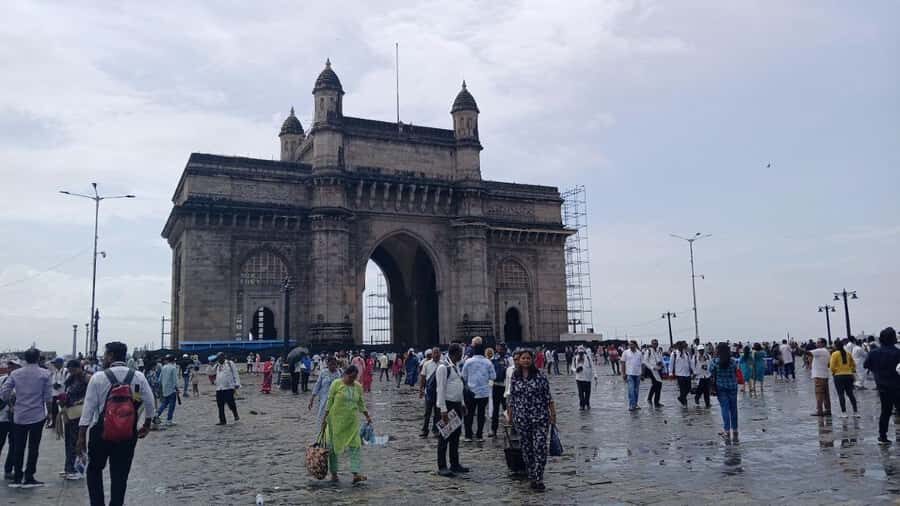
- Crawford Market’s wholesale inside-world: fruit, chocolates, spices, dry fruits, and the feel of old Mumbai commerce
- Mangaldas textile lanes: a major indoor textile market where fabric choices are the main event
- A temple stop for Hindu cultural context: stories of gods and goddesses you’ll hear from a guide in place
- Cow shelter feeding: a hands-on moment meant for good karma
- Chai and hydration included: a simple break without turning the tour into a cafe stop
Entering Crawford Market’s indoor wholesale lanes

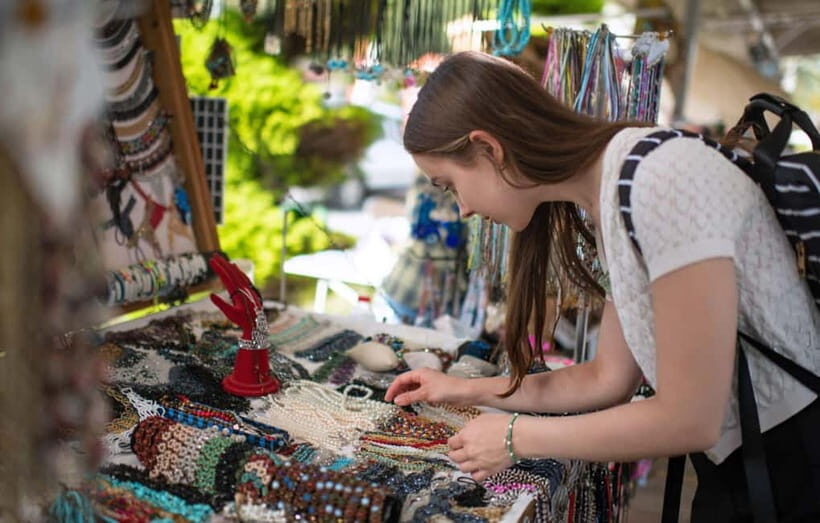
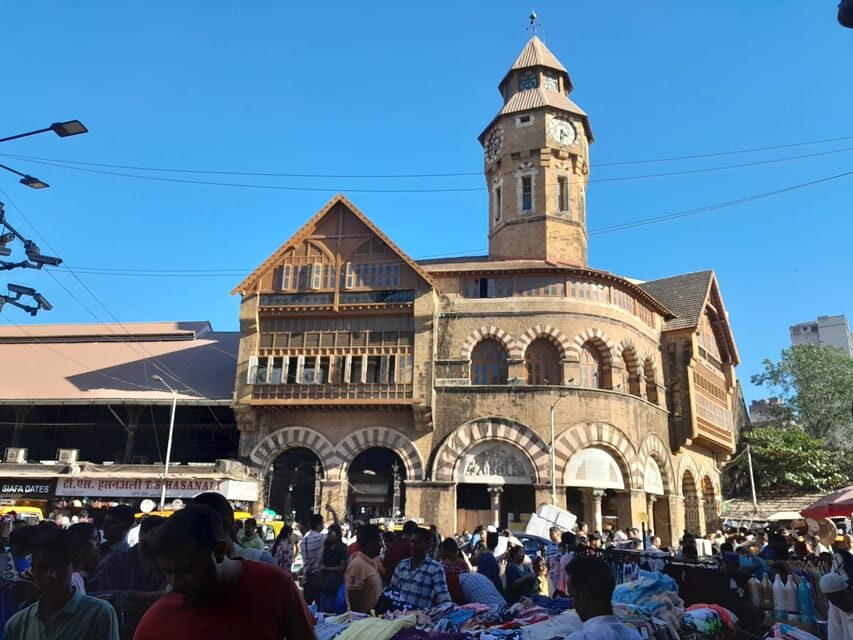
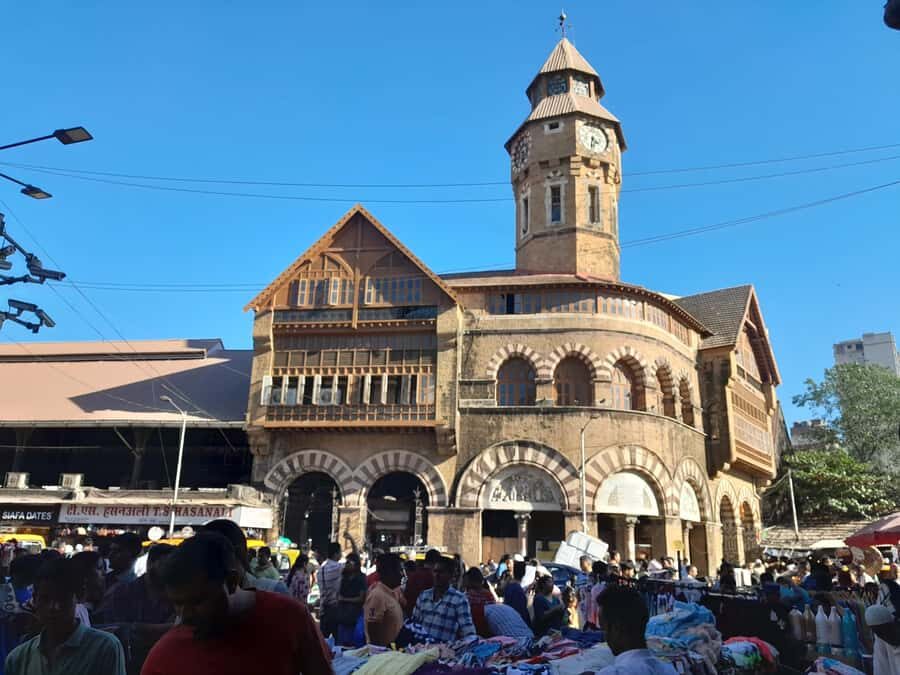
Crawford Market is one of those places where Mumbai’s everyday economy is the main character. You’re walking into an old indoor wholesale market that stays busy in the center of the crowded city. The energy comes from details: the tight movement of shoppers and vendors, the packed stalls, and the way goods are grouped by category—fruits, chocolates, spices, and dry fruits are some of the most common things you’ll see called out.
What I like about starting here is that it teaches you how to read a market. You start noticing patterns fast: where people pause, how vendors display small items, and how people compare quality right in front of you. It’s not just sightseeing. It’s the working logic of shopping, explained in plain language by your guide.
Practical tip: wear shoes you trust. These are narrow lanes and busy interiors, and you’ll want stable footing when crowds compress the walkway. A camera is useful here, but keep it realistic—if you’re photographing, do it while standing aside so you don’t block a stall.
A few more Mumbai tours and experiences worth a look



Mangaldas textile market: cloth choices and street-level stories
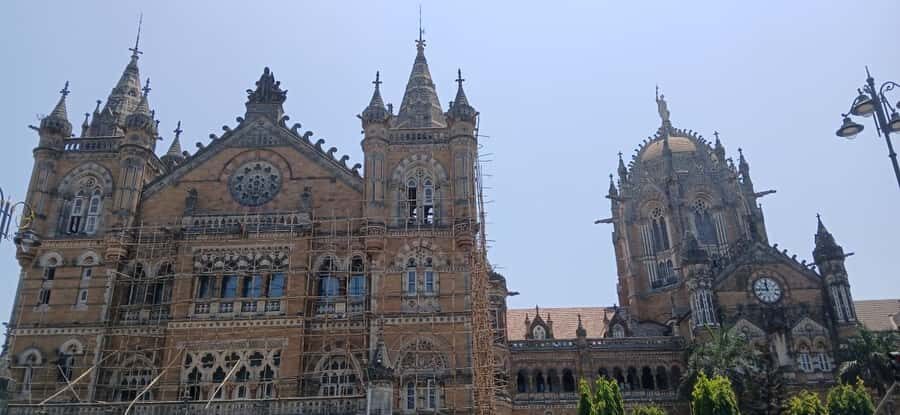
After Crawford Market, the tour shifts from food-and-snacks shopping to fabric culture at the Mangaldas textile market. This is described as the city’s oldest and largest indoor textile market, and you’ll feel that immediately when you step into fabric-heavy chaos: stalls packed with options, colors everywhere, and the constant motion of people comparing what’s for sale.
Here’s what makes this stop more than a visual distraction. With the guide’s explanations, you start connecting the market to daily life—clothes and cloth aren’t just products; they’re part of how people mark events, traditions, and routine needs. If you like shopping with context (instead of just shopping), this part clicks.
One more thing: the area around old buildings and temples can create small pockets where you slow down. Even if the lanes feel crazy with activity, the tour is designed to help you interpret what’s happening—vendors shouting, people carrying items, and food and flower sellers appearing alongside the textile flow.
If you hate decision-making crowds: go with a light plan. You don’t have to buy anything. Treat Mangaldas as a window into how Mumbai builds style and utility from fabric.
A Hindu temple with a cow shelter: meaning you can actually see

Markets teach your eyes; temples teach your understanding. The tour includes a stop at Mumbai’s oldest Hindu temple, with the added layer of a cow shelter. That combination matters because it links everyday life (markets) with religious practice (devotion) and with an action that’s meant to carry spiritual value (cow feeding).
During this part, your guide shares little stories about gods and goddesses, and you’ll likely see devotees moving through the space with that focused calm that contrasts the shopping noise. Even if your familiarity with Hindu rituals is basic, you can follow the ideas because they’re explained in context—who people come to honor, why certain practices matter, and how the cow shelter connects to compassion-centered beliefs.
Then comes the hands-on moment: you feed cows at the shelter to get good karma. It’s a short activity, but it shifts the tone of the whole tour. You go from watching commercial life to participating in a simple act with cultural weight.
Heads up: the feeding part may put you close to animals and people following guidance from the staff. Wear comfortable clothing, keep your hands where you’re told, and listen first. This is one of those moments where doing it right feels better than rushing.
The chai stop: a small break that keeps momentum

The tour includes a stop for chai (tea) and bottled water. That sounds basic, but it’s smart for a 2-hour plan. Markets can make you forget to drink, and sun plus crowd heat can creep up fast. The tea break gives you a reset without derailing the route.
I like that this isn’t framed like a “spend time in a shop” pause. It’s more like: keep you refreshed so you can keep enjoying the walk. If you’re the type who gets cranky when hungry, this included chai is doing real work.
Taxi fare, guide time, and where your $6 goes
At $6 per person, this tour can feel almost too cheap for what you get. But the value is in the mix: you’re paying for guided context through markets plus a temple visit and cow feeding, with practical extras built in.
Here’s what’s included:
- Tour guide
- Taxi fare
- Bottled water
- Stop for chai
What’s not included:
- Tips to the guide
- Personal purchases
So your cost is basically: guide + local transfers + basic refreshments. If you were doing this on your own, you’d still pay for transport and you’d spend extra time figuring out what to see and in what order. With a guide, you spend those 2 hours understanding what you’re looking at.
Also, one reason people rate this so highly is the expectation of shopping. In the stories shared, there’s a clear theme: you’re not pressured to buy. For anyone who has had their patience tested by commission-driven market tours, that alone is a big part of the value.





Where the meeting point can test your patience
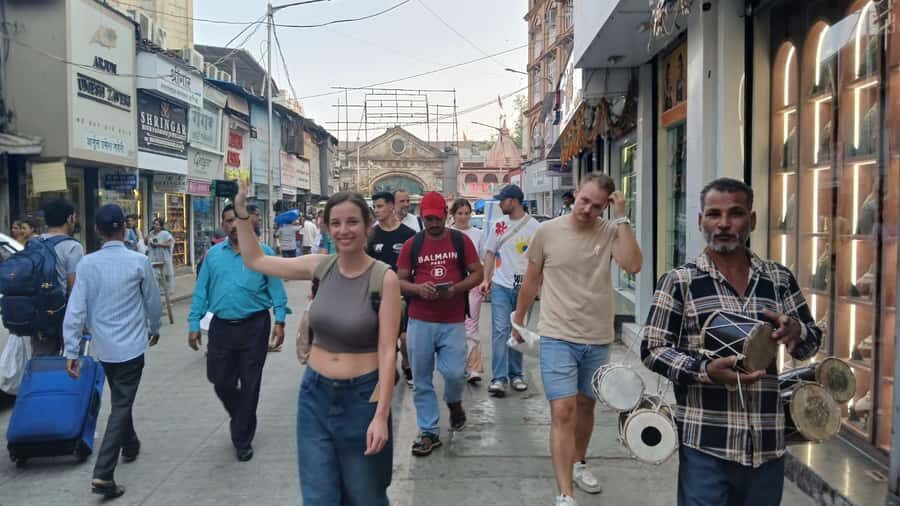
The meeting point may vary depending on the option booked, and the tour ends back at the meeting point. That’s common, but Mumbai is a maze. One practical takeaway: if the station area feels huge (and it often does), give yourself an extra bit of time to orient and meet your guide.
If you’re easygoing, this won’t be stressful. If you hate uncertainty, set yourself up to succeed:
- arrive a few minutes early
- check the guide instructions carefully
- keep your phone charged for navigation
Who this tour suits (and who should skip it)
This experience fits best if you want a short, high-impact taste of old Mumbai. It’s great for:
- people who like markets with explanations, not just wandering
- first-time visitors who want a cultural anchor after shopping chaos
- anyone interested in Hindu culture in daily life, especially with the cow shelter stop
- budget-minded travelers who want the price to match the time
It may be less ideal if you:
- can’t handle crowds or narrow lanes
- want a quiet, minimal-stimulation outing
- need a very structured, low-surprise route with zero sensory overload
What to bring for a comfortable 2-hour walk

The essentials are simple:
- Hat
- Camera
- Sunscreen
- Water (bottled water is included, but having some extra comfort water never hurts)
And if you know Mumbai weather turns fast, plan for it. One theme from shared experiences is that monsoon rain didn’t stop the tour from being enjoyable, but you’ll still want to protect yourself.
Should you book this Mumbai 2-hour markets and temple tour?
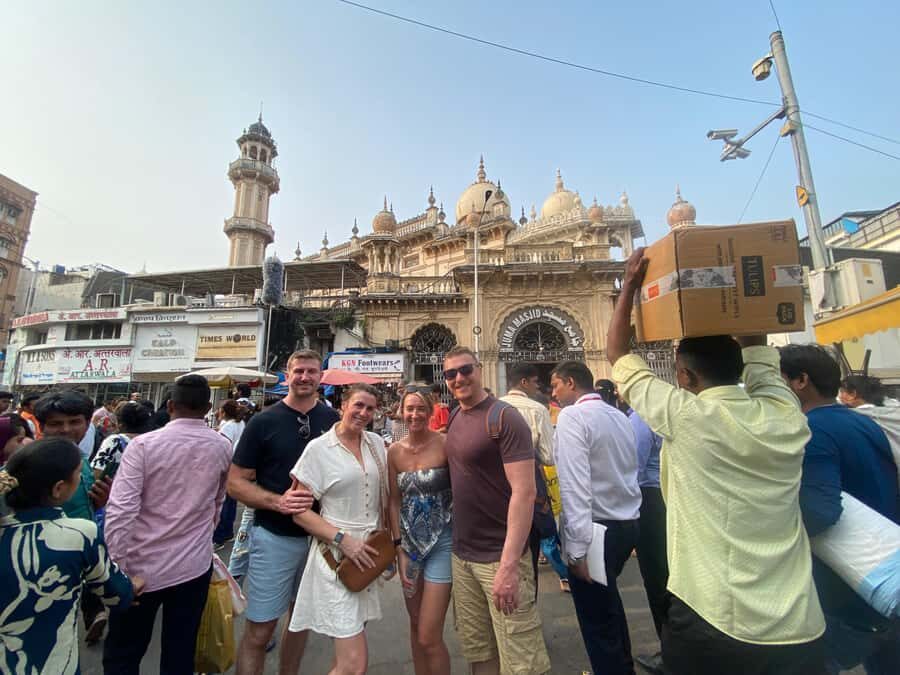
I think you should book it if you want a half-day that mixes shopping life with cultural context. The Crawford Market + Mangaldas pairing gives you the commerce side, and the old Hindu temple + cow shelter feeding gives you the meaning side. That contrast is the point, and it makes the 2 hours feel longer—in a good way.
If you dislike markets, crowds, or shopping pressure, consider passing. But if you’re like most people—curious, camera-ready, and happy to learn while walking—this is a solid value choice at $6 for a guided cultural route with practical extras included.
FAQ
How long is the Mumbai markets and temple tour?
It lasts about 2 hours.
How much does the tour cost?
The price is listed at $6 per person.
What’s included in the tour price?
It includes a tour guide, taxi fare, bottled water, and a chai (tea) stop.
What should I bring with me?
Bring a hat, camera, sunscreen, and water.
Is there a temple visit and a cow feeding activity?
Yes. You’ll visit a historic Hindu temple and then feed cows at a cow shelter as part of the experience.
What language is the tour available in?
The tour is listed as available in English.
Where does the tour start and end?
The meeting point may vary depending on the option booked, and the tour ends back at the meeting point.
Is tipping included?
No. Tips to the guide are not included.