REVIEW · MUMBAI
Mumbai: Dharavi Slum, DhobiGhat, and Dabbawallas Tour
Book on GetYourGuide →Operated by Amaze Tours · Bookable on GetYourGuide
Dharavi is one of Mumbai’s most misunderstood places. This tour pairs a local guide-led walk through Dharavi with a visit to the open-air laundry at Dhobi Ghat and a stop to see dabbawallas near Churchgate. I especially liked the way guides such as Loki, Maze, and Alam explain daily work and community without turning people into a spectacle, and I also liked the included train rides that get you there fast.
One possible drawback: photography is restricted inside the Dharavi slum area, so you’ll need to rely on what your guide points out rather than your camera.
You’ll meet at Churchgate train station and move by public train, then return to Churchgate for a short guided look before the tour ends at one of several drop-off spots. The overall pace is active, and the tour isn’t listed as suitable for children under 4 or for pregnant women.
In This Review
- Key highlights worth your attention
- Why Dharavi, Dhobi Ghat, and dabbawallas in One Tour Works
- Meeting at Churchgate and Riding Mumbai’s Trains
- Dharavi Walk With a Resident Guide: Respect Is the Real Feature
- Dhobi Ghat’s Open-Air Laundry: Seeing Work the City Depends On
- Dabbawallas Near Churchgate: Lunchbox Delivery as a City System
- Price and Value: What You Get for About $14
- Pacing, Timing, and What to Expect Moment by Moment
- Who This Tour Suits Best (and Who Should Skip It)
- Practical Tips: Photos, Sun Hat, and Visitor Mindset
- Should You Book This Tour?
- FAQ
- Where do I meet the guide for this tour?
- How long is the Mumbai: Dharavi Slum, DhobiGhat, and Dabbawallas tour?
- What transportation is included?
- Is photography allowed?
- Do I get to see the dabbawallas every day?
- Why might the dabbawallas stop be missing around certain Diwali dates?
- Is this tour suitable for young children or pregnancy?
- What should I bring?
Key highlights worth your attention
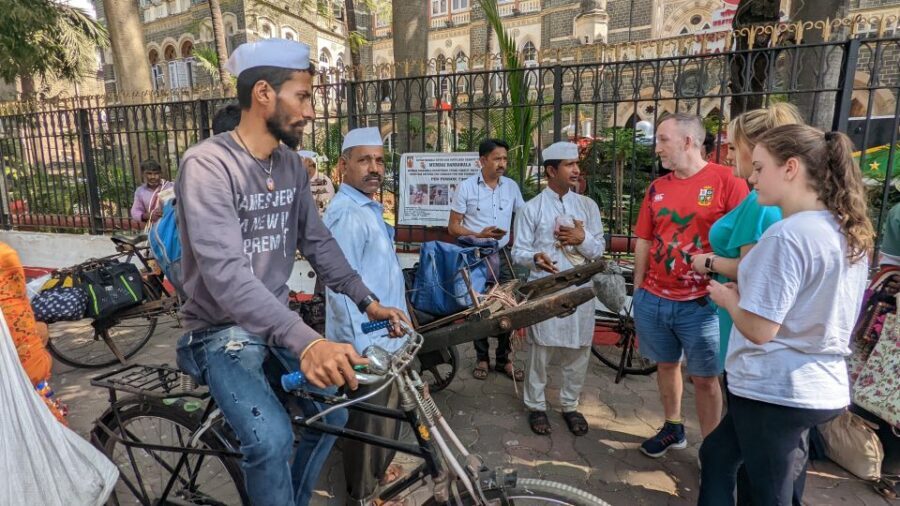
- Local guides with real connections: Names you’ll hear often include Loki, Maze, Alam, Ganesh, Bharti/Bharathi, and Dawood, with English that makes the details easy to follow.
- Public-train travel as part of the experience: Two train segments help you avoid traffic and show how people actually move through the city.
- Dhobi Ghat inside access: You step into the open-air laundry area rather than just looking from outside.
- Respectful handling of private spaces: The tone stays human and careful, with clear rules like no photography inside Dharavi.
- Dabbawallas viewing is schedule-dependent: They don’t operate on Sundays or public holidays, and there’s a Diwali leave note for specific dates in 2024.
Why Dharavi, Dhobi Ghat, and dabbawallas in One Tour Works
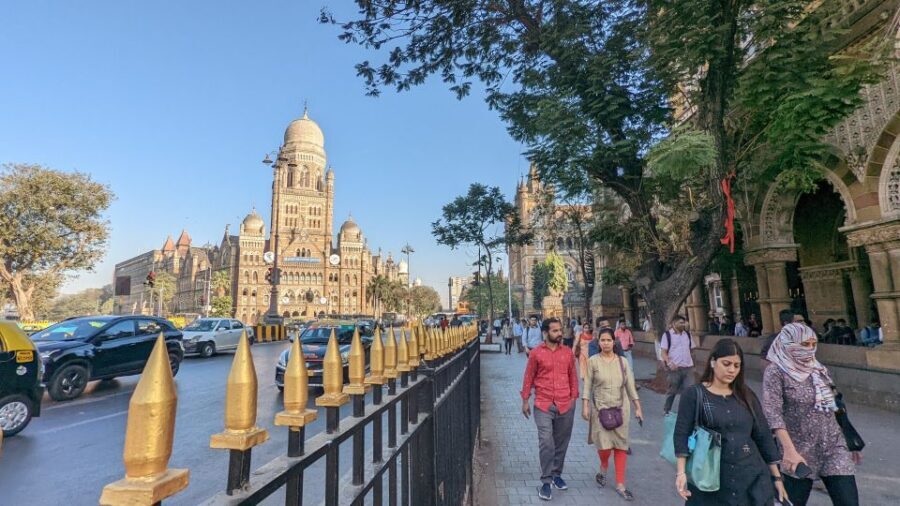
Mumbai can feel like a blur of big sights and rushing traffic. This tour slows you down in three very practical places where the city’s daily systems are visible: work in Dharavi, laundry logistics at Dhobi Ghat, and lunchbox delivery culture with the dabbawallas.
The smartest part is the grouping. Dharavi shows how neighborhoods run through small industries and skills. Dhobi Ghat shows how routine tasks become large-scale operations. Then the dabbawallas stop ties it together with a real-world example of coordination in the middle of one of the world’s biggest cities.
I also like the “insider guide” factor. When people such as Loki or Maze have grown up in or around Dharavi, they don’t just list facts. They explain why certain places matter and how people manage daily life.
You can also read our reviews of more tours and experiences in Mumbai.


Meeting at Churchgate and Riding Mumbai’s Trains
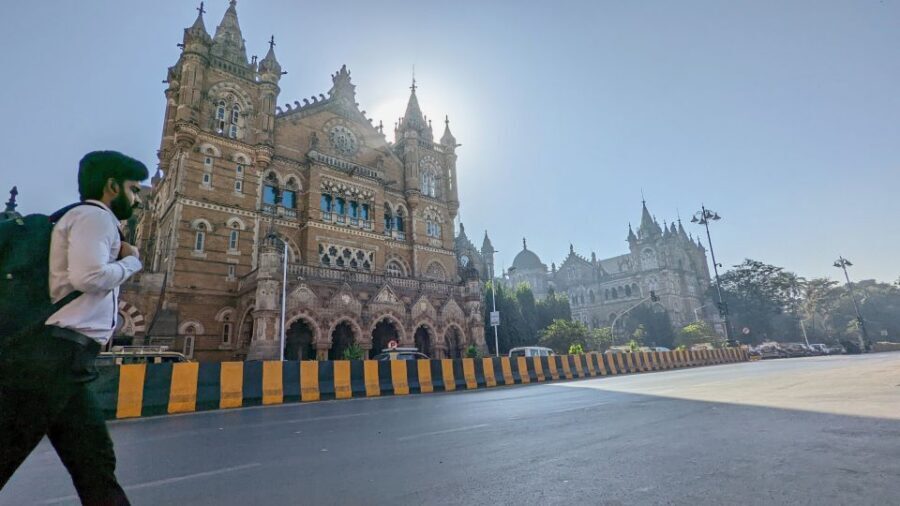
You start at Churchgate train station, then take a train to Dharavi and later another short train ride back. The tour timing is built around those segments: about 20 minutes for the first train and about 15 minutes for the return.
This matters because it changes the vibe from tourist bus to local flow. One review joked about quick timing on and off the trains, and the core point is real: you’re moving with the rhythm of the city, not around it. Your guide is there to keep you oriented and moving at the right moments.
You also get a short guided visit at Churchgate Railway Station near the end. That final station stop is brief, but it’s useful if you want a little context for what you just rode and how the system connects the city.
Dharavi Walk With a Resident Guide: Respect Is the Real Feature
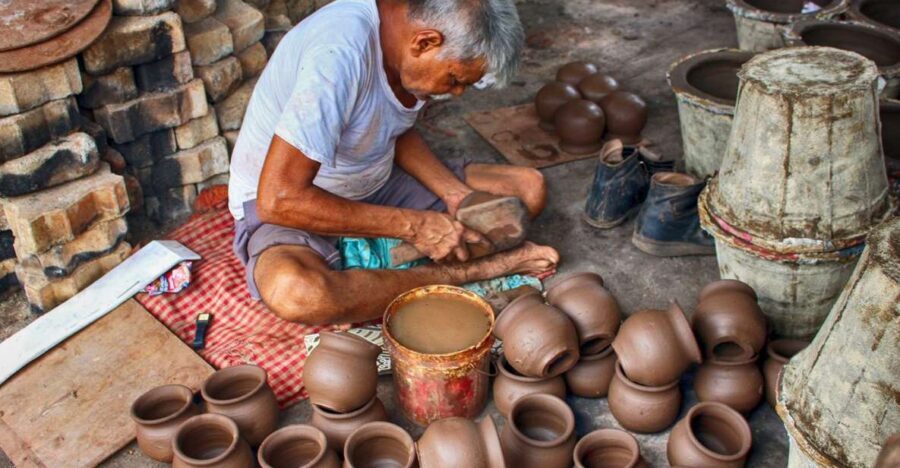
Dharavi is not a theme park. On this tour you walk through Dharavi with a local guide for about 100 minutes, focusing on how areas function day to day.
The best-rated guides in the feedback all share a similar style: friendly English, clear explanations, and a respect-first mindset. People mention guides like Loki, Ganesh, Maze, Alam, and Bharti/Bharathi as examples, and the comments repeatedly come back to how safe and respectful the feeling was.
There’s also a key rule you should expect: no photography inside Dharavi slum areas. That constraint forces the right kind of attention. You listen more. You look with your eyes, not through a phone screen. And your guide can manage where you go so the visit stays considerate.
Another practical point: the tour isn’t just about what looks dramatic. Guides talk about the mixed reality of Dharavi—industry and community alongside hardship—without flattening everything into a single story. That balance is what makes the walk worth your time.
Dhobi Ghat’s Open-Air Laundry: Seeing Work the City Depends On
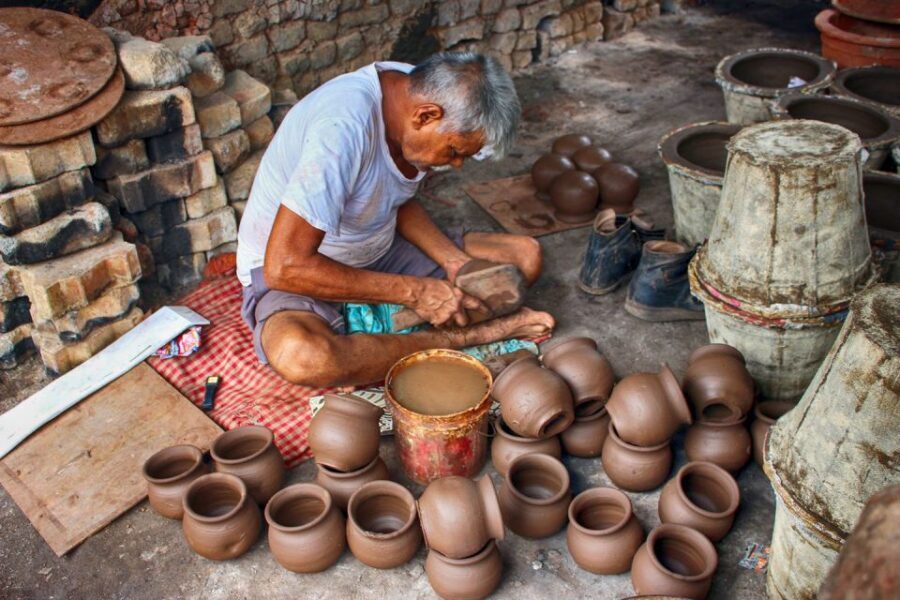
After Dharavi, you head to Dhobi Ghat for a guided visit (about 20 minutes walking, plus time inside). Dhobi Ghat is one of the places where Mumbai’s scale becomes obvious.
Instead of modern laundry “backrooms,” this is open air laundry—clothes being collected, sorted, washed, and dried in visible stages. Many people are surprised by how organized it looks once someone explains the flow. Even the most basic details stand out because you can actually see the sequence.
A few reviews specifically highlight the sorting process and the way clothing moves through the area. The inside access is what turns it from a quick glance into a real understanding of how such a system keeps running.
One more reminder: photography rules are tied to the Dharavi slum area in the provided info. Still, you should treat any photo requests near workers as case-by-case and follow your guide’s cues.
Dabbawallas Near Churchgate: Lunchbox Delivery as a City System
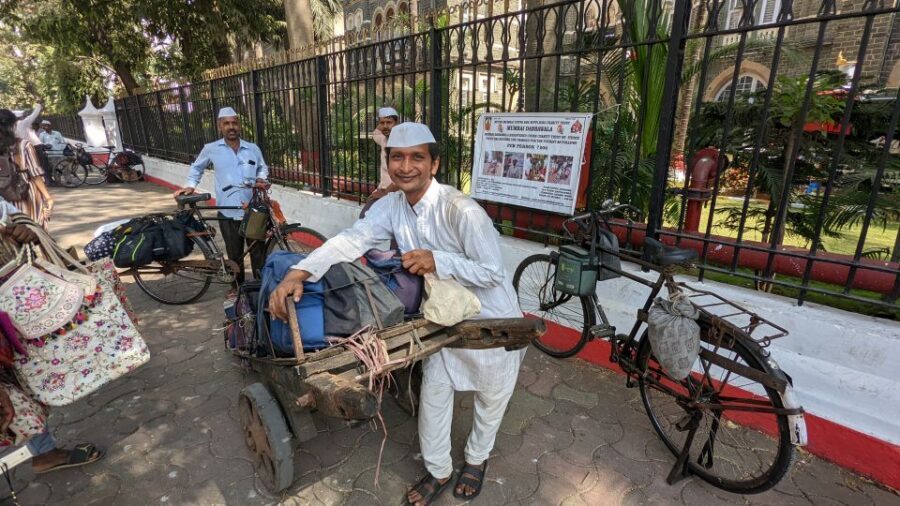
The dabbawallas stop is short, but it’s memorable because it’s so specific. Near Churchgate Railway Station, you’ll see dabbawallas in action and learn how the lunchbox delivery system works so smoothly.
In the feedback, people call out details like watching the tiffin sorting and seeing the bikes involved. The point isn’t just the spectacle of delivery. It’s the reliability of a system built on coordination and routine—something that fits naturally after seeing how work operates in Dharavi and Dhobi Ghat.
Two scheduling realities to know upfront:
- Dabbawallas do not operate on Sundays and public holidays, so the stop may not happen on those days.
- There’s a special Diwali note for 31st October to 4th November 2024: dabbawallas would be on Diwali leave, and tours booked those dates wouldn’t be able to see them.
If your travel dates land on a Sunday or a public holiday, you can still do the tour for Dharavi and Dhobi Ghat, but you should expect the dabbawallas portion to be unavailable.





Price and Value: What You Get for About $14
At $14 per person (for a 3 to 4.5 hour experience), the value comes from three practical things you’re not likely to replicate alone without extra effort.
First, you’re paying for a guide. And not just any guide—many of the highest-rated ones are locals who explain the daily reality in clear English. That kind of framing is hard to buy with a solo trip.
Second, the tour includes transportation between areas, using public trains. That’s not only convenient; it also saves time versus road traffic.
Third, you get access elements that matter: Dharavi walking with guidance and a visit inside Dhobi Ghat. Those are the parts that turn it into more than a quick photo walk.
The one value tradeoff: hotel pickup and drop-off aren’t included. Depending on where you’re staying, you’ll need to handle getting to the meeting point and reaching your drop-off area.
Pacing, Timing, and What to Expect Moment by Moment
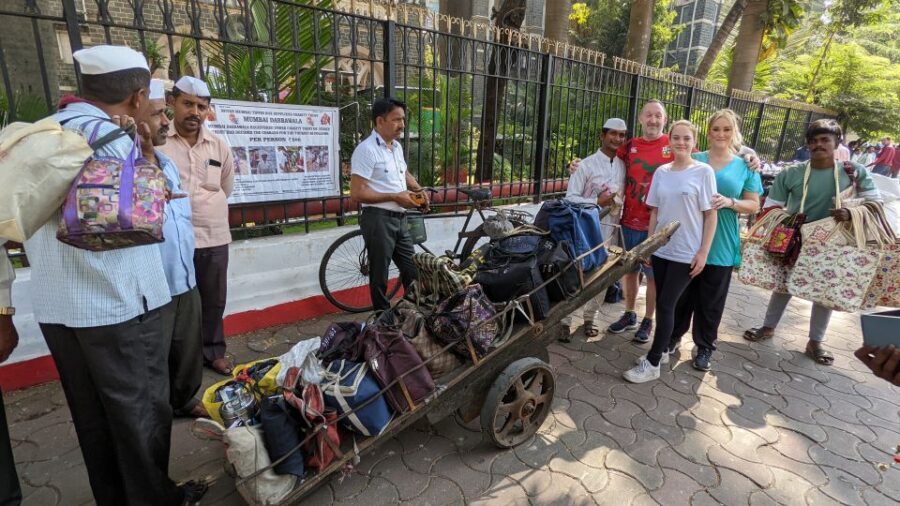
This is a “move and look” tour. You’ll spend time walking in Dharavi, then shift to the laundry visit, and then wrap with train travel plus a short station stop.
The timeline is tight enough to feel efficient, and that efficiency is a common theme in the comments. Many people also appreciated how guides manage the group and keep it on track—especially helpful when the streets are narrow and the routes change quickly.
Bring a sun hat. The itinerary includes outdoor walking, and Mumbai sun can be punishing even when you’re moving.
Also, the tour runs with a live guide in English. If you want a tour where you can ask questions and get answers in real time, this format supports that.
Who This Tour Suits Best (and Who Should Skip It)
This works well if you want Mumbai beyond the usual postcard circuit. If you’re the kind of traveler who likes systems—how people organize work, transport, and daily services—you’ll probably enjoy this a lot.
It’s also a strong fit for first-time visitors who feel unsure about navigating neighborhoods. The guide-led approach reduces guesswork, especially with train segments and inside access at Dhobi Ghat.
The list also flags clear exclusions:
- Not suitable for children under 4
- Not suitable for pregnant women
So if you’re traveling with someone in either group, you’ll want a different itinerary.
Practical Tips: Photos, Sun Hat, and Visitor Mindset
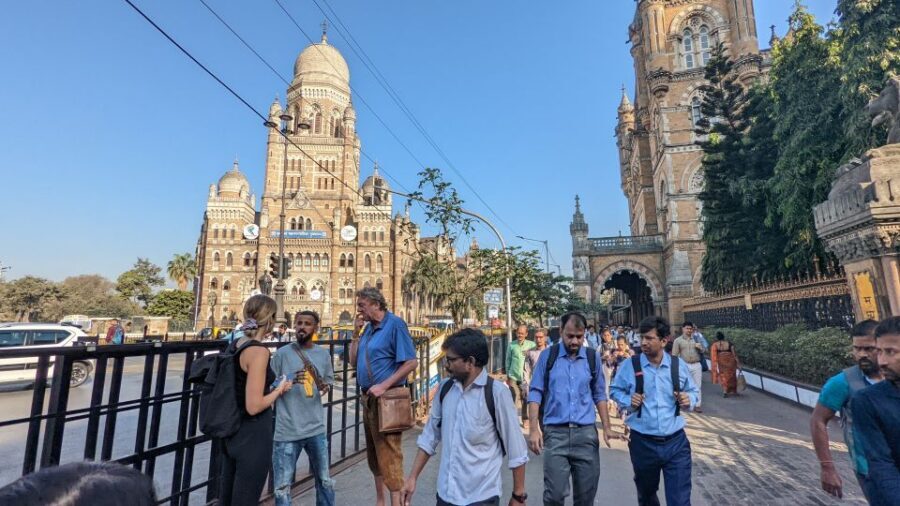
You should know the photography rules before you go. Photography is not allowed inside the Dharavi slum area in the provided info. Photography is allowed elsewhere, so you can still take pictures on the streets outside restricted areas, but you must follow the guide’s direction where the rules apply.
Bring a sun hat as your key packing item. The tour includes outdoor walking stretches and travel by train, so you’ll be exposed to sun at times.
Finally, treat this as a workday visit, not a performance. Guides in the feedback repeatedly emphasize respect, safety, and protecting privacy, and you’ll help that along by staying aware, not lingering in restricted spots, and listening to guidance about where to stand and how to behave.
Should You Book This Tour?
I’d book this if you want a grounded look at how Mumbai actually runs. The combination of Dharavi walking, inside Dhobi Ghat, and the dabbawallas delivery system near Churchgate is a rare trio. Add in an English-speaking local guide—names like Loki, Maze, Alam, Ganesh, and Bharti/Bharathi show up again and again—and you get both context and access.
I would hesitate only if you strongly prefer photography-heavy tours or if your dates are Sundays or public holidays and you specifically want the dabbawallas portion. In those cases, you can still do Dharavi and Dhobi Ghat, but plan your expectations for that last stop.
If you want one tour that feels practical, human, and actually useful for understanding Mumbai’s daily life, this is a solid pick.
FAQ
Where do I meet the guide for this tour?
You meet your guide at Churchgate train station (the meeting point may vary depending on the option you choose).
How long is the Mumbai: Dharavi Slum, DhobiGhat, and Dabbawallas tour?
The duration is listed as 3 to 4.5 hours.
What transportation is included?
Transportation is included, and the tour uses public trains between areas (about 20 minutes to Dharavi and 15 minutes on the way back).
Is photography allowed?
Photography is not allowed inside the Dharavi slum area. Photography is allowed elsewhere during the tour.
Do I get to see the dabbawallas every day?
No. Dabbawallas do not operate on Sundays and public holidays, so they won’t be part of the itinerary those days.
Why might the dabbawallas stop be missing around certain Diwali dates?
For tours booked 31st October to 4th November 2024, dabbawallas would be on Diwali leave, so they would not be able to be seen.
Is this tour suitable for young children or pregnancy?
It is not suitable for children under 4 years and not suitable for pregnant women.
What should I bring?
Bring a sun hat.