REVIEW · MUMBAI
3 Hours Early Morning in South Mumbai Heritage Bicycle Tour
Book on Viator →Operated by Mumbai Dream Tours · Bookable on Viator
Mumbai wakes up fast on two wheels. This 3-hour heritage bicycle tour threads together big-name landmarks and local-life streets, with a cooler, less-crowded feel than you get later in the day. You’ll start in Colaba and ride through South Mumbai’s sights while the city is still finding its rhythm.
I especially like the small group size (up to 15), which keeps the pace relaxed and the stops useful instead of rushed. I also like that bikes, a helmet, and drinks plus bottled water are part of the plan, so you’re not juggling supplies before you pedal.
The main drawback is the early start. If a 6:00 AM wake-up sounds rough, plan your night near Kailash Parbat in Colaba so mornings don’t become an extra mini-adventure.
In This Review
- Key things to know before you pedal
- Why the 6:00 AM South Mumbai Ride Matters
- Starting at Kailash Parbat in Colaba: How the Tour Works in 3 Hours
- Gateway of India to Chhatrapati Shivaji Terminus: Colonial Icons Before the Noise
- Crawford Market and Marine Drive: Everyday Commerce Meets Sea-Breeze Views
- Sassoon Dock to Bombay Panjrapole: Ports, Old Docks, and Milk for Prasad
- Mumba Devi Temple and Zaveri Bazaar: Sacred Space and Jewelry Street Time
- Price, Value, and Who This Tour Fits Best at $36.29
- What to Bring (and How to Make the Ride Comfortable)
- Should You Book This South Mumbai Heritage Bicycle Tour?
- FAQ
- What time does the morning tour start?
- How long is the South Mumbai Heritage Bicycle Tour?
- Where do I meet the guide and where does the tour end?
- Are bikes and helmets included?
- Do I need to pay admission fees at the stops?
- How large is the group?
Key things to know before you pedal
- A true early-morning route: You get a quieter South Mumbai experience before most of the crowds show up.
- Landmarks plus local street texture: Big stops like Gateway of India and CSMT mix with markets, docks, and temples.
- Included bike-and-helmet setup: You’re set up for the ride without having to arrange rental details yourself.
- Short stops, smart pacing: Most stops run about 20 minutes, with a couple longer ones, so you see a lot without feeling stuck.
- Guided context that changes what you notice: You’ll learn what each place is for—religion, commerce, ports, and colonial architecture.
- Back-lane riding to skip congestion: The tour is designed to help you avoid traffic-heavy areas by bike.
Why the 6:00 AM South Mumbai Ride Matters
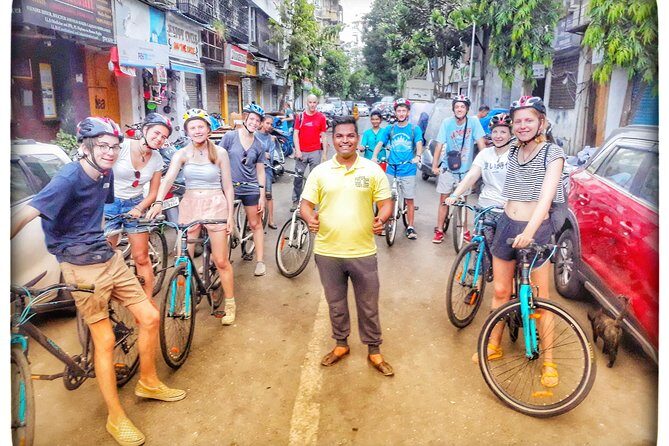
South Mumbai can be chaotic once the day gets going. This tour leans into the upside of an early start: you catch the city when sidewalks feel more human, and the heat is still not fully in charge. The whole point is to see highlights like the Gateway of India with less crowd energy, then move through neighborhoods at a pace that lets you actually look around.
You’ll also feel the advantage of cycling here. On foot, the distances between major sites can add up quickly. In a car, traffic can swallow your time. On a bike during the cooler morning hours, you cover ground faster while still being close enough to buildings, shopfronts, and street life to understand what you’re passing.
There’s one more practical benefit: you’ll still have the rest of the day after your 3-hour ride. That matters in a place like Mumbai, where you might otherwise feel forced to choose between “seeing things” and “having time to actually enjoy things.”
You can also read our reviews of more historical tours in Mumbai

Starting at Kailash Parbat in Colaba: How the Tour Works in 3 Hours
Your morning ride begins and ends at Kailash Parbat Restaurant in Colaba. You’ll be out for about 3 hours total, and the tour runs every day. There are two early morning sessions to choose from, with the morning option listed at 6:00 AM.
You’ll want moderate physical fitness for this one. It’s a cycling tour, not a gentle stroll, so be comfortable pedaling for the duration and navigating city streets. The group is capped at 15 travelers, which is small enough that you’re likely to get your guide’s attention when needed.
What takes the stress out of the experience is what’s included:
- a bicycle and helmet (helmet is mentioned as being provided upon request)
- drinks during the tour
- bottled water
- a professional, highly qualified guide who brings the story to life
- a mobile ticket
You’re also not dealing with additional surprise entry fees on the stops. The itinerary lists each stop with free admission ticket status. That doesn’t mean every single street detail is “free,” of course. It does mean you’re not paying to get in as you ride from landmark to landmark.
Gateway of India to Chhatrapati Shivaji Terminus: Colonial Icons Before the Noise
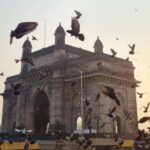
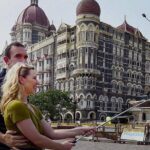
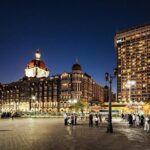
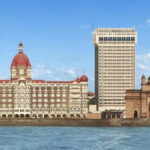
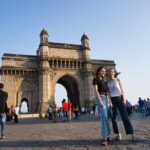
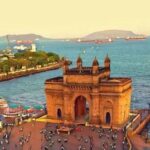
Stop 1 is Gateway of India, and it’s a strong opener. This is one of Mumbai’s most recognizable sights, built during the British Raj. The area’s appeal also comes from how it works today: ferry services nearby and constant activity draw plenty of tourists later in the day, which is exactly why arriving early helps.
During your time at the Gateway area, you’re not just looking at the monument. You’re also getting your bearings for the rest of the ride. It’s a visual anchor, and the guide context makes it easier to see how the waterfront and surrounding areas shaped the city.
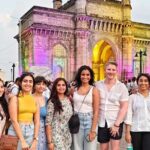
Then you move to Stop 2: Chhatrapati Shivaji Terminus (CSMT). The exterior is the star here, and it’s easy to understand why—it reflects the perseverance of an ancient colonial structure while still functioning as a key transport hub. The “wow” factor isn’t only the architecture. It’s the connectivity you can feel in how the station fits into Mumbai’s rail network, linking central, harbor, and outstation trains.
If you’re the type who likes your travel with a mix of beauty and function, CSMT delivers. It’s not just pretty stonework; it’s a working machine for the city.
Possible consideration: these first two stops are major tourist magnets. Even early, you’ll want to keep expectations realistic. You’ll still get a quieter vibe than later, but it’s still a landmark zone.
Crawford Market and Marine Drive: Everyday Commerce Meets Sea-Breeze Views
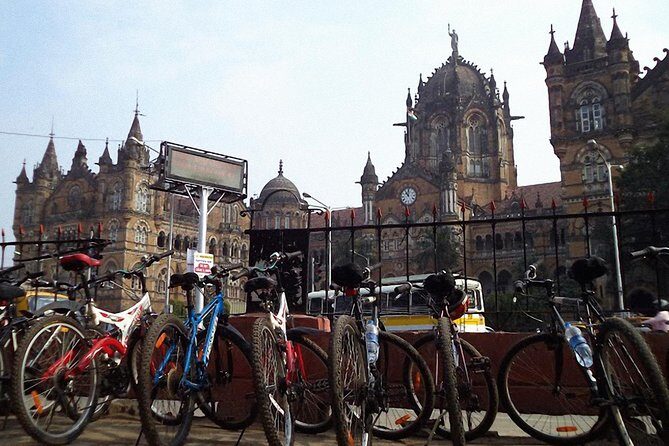
Stop 3 is Crawford Market, and it’s a great place to shift from monument mode to neighborhood mode. The story here is about how it ran on electricity long ago, and how that early modern spirit helped shape the market’s identity. You also get a practical takeaway: markets aren’t just shopping. They’re a daily system where supply, demand, and local routine all meet.
Your next stop, Stop 4, is Marine Drive, with a view tied to the name queen necklace. This is one of those Mumbai sights people talk about for a reason: the line of the road and its relationship to the Arabian Sea looks good whether you’re taking it in from a viewpoint or simply passing through the area slowly by bike.
This is a nice pairing after Crawford Market. One stop tells you about commerce and daily life. The next gives you an aesthetic payoff—movement, light, and sea air—without forcing you to wait for midday crowds.
One thing I appreciate about this kind of stop sequencing is that it keeps your attention fresh. You’re not stuck staring at one type of scene for the entire ride. You get variety: market energy, then coastline calm.
Sassoon Dock to Bombay Panjrapole: Ports, Old Docks, and Milk for Prasad
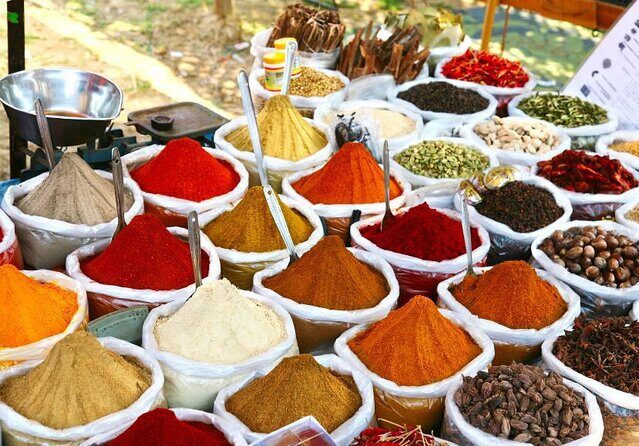
Stop 5 takes you to Sassoon Dock, described as one of Mumbai’s oldest docks, constructed in 1875. Even if you don’t spend time watching boats, you can still read the place for what it represents: a working shoreline built for trade and industry. The dock helps explain Mumbai’s maritime importance beyond tourism photos.
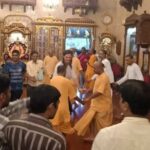
Stop 6 is Bombay Panjrapole, and this is where the tour gets unusually specific in an interesting way. Panjrapole is explained through a village concept where cows were donated so that temples could use the milk for preparing prasad—typically kheer, and sometimes mava and other sweets.
If you like learning how tradition shows up in everyday logistics, this stop is satisfying. It’s not just a temple visit. It’s a small window into how community care systems are linked to religion and food.
Practical note: temple and religious sites can involve slower pacing and more people-focused movement than pure sightseeing stops. Plan to follow your guide’s lead on where to look and when to move on, especially if there are worship activities.
A few more Mumbai tours and experiences worth a look


Mumba Devi Temple and Zaveri Bazaar: Sacred Space and Jewelry Street Time
Stop 7 is Mumba Devi Temple, dedicated to the goddess Mumbā, described as the local incarnation of the Devi. The guide framing also connects language roots—Marathi मुंबा and Sanskrit origins—to help you understand how place names and religious identity travel together. This stop works well in the itinerary because you’ve already seen the city’s port and market logic. Now you get the spiritual layer.
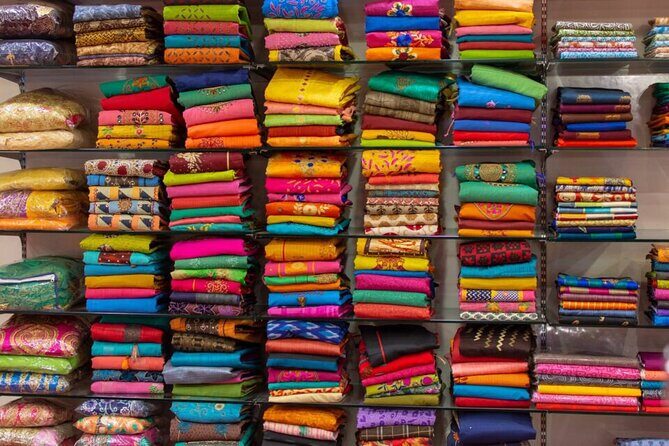
Then you head to Stop 8: Zaveri Bazaar. This is where the tour turns into a shopping-friendly finale, at least in the sense that you’re near the kind of places people come to browse for jewelry—gold diamonds, artificial necklaces, and ornaments like rings and jhoomka. Even if you don’t buy, it’s useful to see what kind of economy runs in the area.
It’s also a good ending because shopping streets give you natural “time to wander” without breaking the ride schedule. The 20-minute stop window is short, so you can take in the sights and smells without feeling like you’re missing your chance to get back out in the morning.
Price, Value, and Who This Tour Fits Best at $36.29
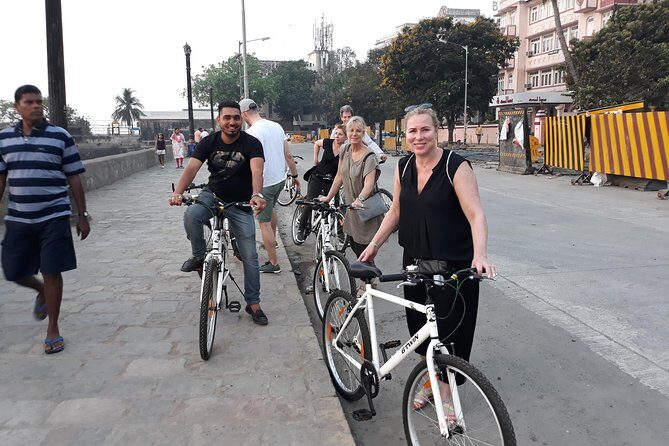
At $36.29 per person for roughly 3 hours, the value hinges on what’s included and what you’re avoiding. You get:
- a guide and organized route
- a bike and helmet setup
- drinks and bottled water
- an early schedule that helps you dodge the worst of the day’s crowding
- multiple major stops with listed free admission ticket status
If you were doing this independently, you’d likely pay for bike rental, handle helmet logistics, and spend extra time figuring out how to connect stops in a way that doesn’t get stuck in traffic. That “time math” is where this tour starts to feel fair.
It’s a great fit if you:
- want a guided highlight-and-local mix rather than one museum stop
- like being outside while still learning something (temples, markets, docks, and architecture)
- prefer starting early so you can own the rest of your day
It may be less ideal if you:
- hate early mornings
- don’t feel comfortable cycling through an urban environment
- want a lot of time at fewer stops (this is a cover-more-ground style tour)
Also, keep your expectations aligned with the time structure. Many stops are around 20 minutes, with a couple longer stretches. That’s enough to get context and impressions, but it’s not designed for long, slow sightseeing.
What to Bring (and How to Make the Ride Comfortable)
Even with drinks and bottled water included, you can make this tour feel smoother by planning for a morning cycling session in Mumbai.
Wear something breathable and easy to move in. Bring sun protection if you’re sensitive to early light. If you’re unsure about helmet fit, ask when you arrive—helmets are mentioned as being available upon request, so don’t assume it’s automatic for every person.
Comfort matters for cycling. If you have a tendency to get sore feet or you’re not used to riding for extended stretches, do a quick warm-up before you roll and take it easy when starting.
Finally, treat the guide’s route as the real “map.” When you cycle, you absorb things faster than when you walk. But you also miss details if you’re looking only for your next photo. Slowing your brain down for a few seconds at each stop helps you catch what the guide is pointing out—especially at CSMT’s architecture, the Panjrapole prasad tradition, and the way Marine Drive earns its name.
Should You Book This South Mumbai Heritage Bicycle Tour?
I’d book it if you want to see South Mumbai in a way that feels efficient but not rushed. The early start gives you a cooler, calmer experience, and the route mixes major landmarks with street-level culture: rail architecture, market life, historic docks, temple tradition, and the jewelry bazaar vibe.
I’d hesitate if 6:00 AM is a deal-breaker for you, or if you don’t want to cycle through city streets. In that case, you might feel better with a slower walking-based option.
For the right kind of traveler—someone who likes structure, likes learning, and likes getting the most out of a morning—this one is a solid match. For $36.29, it’s hard to beat the combo of included bike-and-helmet logistics plus a guided route that helps you actually move through Mumbai’s highlights.
FAQ
What time does the morning tour start?
The morning tour starts at 6:00 AM and is listed as operating every day.
How long is the South Mumbai Heritage Bicycle Tour?
The tour duration is about 3 hours.
Where do I meet the guide and where does the tour end?
The tour starts and ends at Kailash Parbat Restaurant in Colaba.
Are bikes and helmets included?
Yes. A bicycle and helmet are included, and the helmet is mentioned as being provided upon request.
Do I need to pay admission fees at the stops?
The stops listed on the itinerary show admission ticket status as free.
How large is the group?
The tour has a maximum of 15 travelers.