REVIEW · MUMBAI
2000 year old Buddhist trail to Karla & Bhaja Caves as a day trip from Mumbai
Book on Viator →Operated by 5 Senses Walks · Bookable on Viator
That early light on ancient rock is a quick time-travel. This day trip to the Karla and Bhaja Caves pairs two Buddhist carving sites in one smooth outing, so you can compare styles without rushing. I especially liked the way the carvings and architecture keep changing as you move from Karla to Bhaja, plus the big, practical payoff of having a guide explain what you’re actually looking at.
Two things I’d bet you’ll enjoy right away: the interpretation from your local guide (mine was Pankaj), and the standout features like Karla’s horseshoe-shaped windows that bring in natural light. The only real catch is physical: there’s a 200-step climb at each cave, so plan for stairs and an early start.
In This Review
- Key things to know before you go
- Why Karla and Bhaja caves are a perfect one-day pair
- Starting early from Mumbai: timing that keeps the day comfortable
- Karla Caves: Theravada roots, later Mahayana changes, and the light-filled windows
- Lunch between caves: the break that makes the second climb manageable
- Bhaja Caves: 400 feet up, a 2nd-century BC story, and cave 12’s symbolism
- Your guide (Pankaj) and why interpretation changes everything
- Price and value: what you’re paying for beyond the caves
- Practical tips for stairs, timing, and comfortable cave visits
- Should you book this Karla and Bhaja day trip from Mumbai?
- FAQ
- What time does pickup start?
- How long is the tour?
- How much walking is involved?
- Are the cave admission tickets included?
- Is lunch included?
- Is there a guide and vehicle included?
- Is this a private tour?
- Are drinks included with lunch?
- Does the tour include GST and pickup/drop-off?
- What’s the cancellation policy?
Key things to know before you go
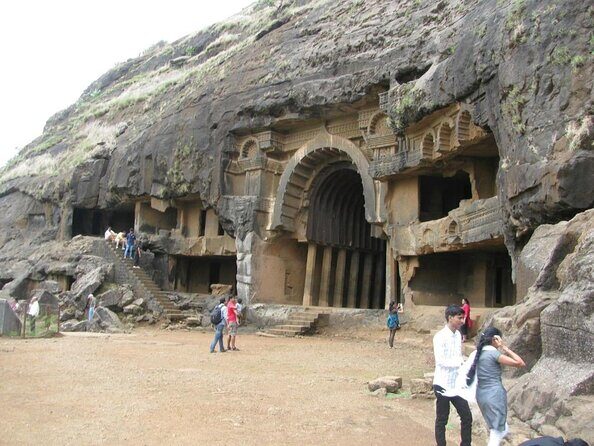
- Two cave complexes, two eras, two different feels: Karla and Bhaja both matter, but they don’t look or function the same.
- Stairs are the main workout: expect 200 steps at Karla and another 200 at Bhaja.
- Your guide makes the carvings readable: Pankaj-style explanations can turn random rock art into clear meaning.
- Lunch is built in: you eat between the two cave visits, not after a long slog.
- Admission is included: you won’t be scrambling for tickets when you arrive.
Why Karla and Bhaja caves are a perfect one-day pair
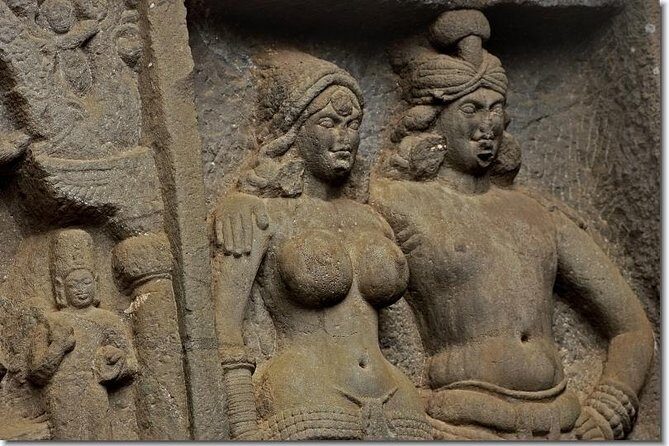
Karla and Bhaja are both major Buddhist rock-cut sites in the region, but they show different sides of what communities were building and teaching. On a normal DIY day, you might see carved panels and cave facades and still wonder what’s what. With this kind of day trip setup, you get a guided route that helps you connect the dots fast—so you’re not just staring at stone.
I also like that the day forces smart comparison. Karla is often the more famous-feeling stop, but Bhaja has its own big-ticket elements, including the higher-position setting and cave layouts that point to different uses (monk residences versus prayer spaces). When you do them back-to-back, you naturally start seeing patterns: where people gathered, where they lived, and how religious art supported daily practice.
A few more Mumbai tours and experiences worth a look


Starting early from Mumbai: timing that keeps the day comfortable
The day is designed around getting you to the caves while you still feel fresh. Pickup starts around 7:30 AM from your hotel (and the tour also mentions cruise terminal pickup), and you reach the base area of Karla around 9:45 AM.
That timing matters because you’re facing steps right away once you arrive. You’ll want the morning light and cooler temperatures to make the climb easier. The whole day runs about 12 hours, with a lunch stop positioned between Karla and Bhaja so you’re not trying to squeeze two long cave visits into one exhausted block.
Karla Caves: Theravada roots, later Mahayana changes, and the light-filled windows
Karla is the first stop and, in many ways, the cleaner “first impression.” You’ll park at the base and then handle 200 steps to reach the caves. Once inside, plan on about two hours here, which is enough time to move slowly, catch the details, and still feel like you’re seeing the place rather than just ticking it off.
These caves were built between the 2nd and 5th centuries, under patronage linked to the kingdoms of the time. The site is described as a key center for Buddhism in Western India, with 16 Buddhist caves noted, and the oldest dated to around AD 160. What I like is the “evolution” angle: early caves were associated with Theravadas, and later caves were associated with Mahayana communities. That shift helps you understand why later sections feel different in emphasis and style.
Now for the practical visual cues. One standout detail is the horseshoe-shaped windows, designed to bring sunlight into the cave spaces. It’s not just pretty architecture—it’s a clue that the builders cared about how light supports a sacred interior. When your guide points out these features, your brain stops treating the carvings like random decoration and starts treating them like a designed environment.
Possible drawback to keep in mind: you’ll start climbing before you’ve warmed up, and the steps don’t disappear once you get moving. If you’re not used to stairs, wear supportive shoes and keep your pace steady rather than rushing the first 20–30 minutes.
Lunch between caves: the break that makes the second climb manageable
Between stops, you get a sit-down Indian lunch, included in the tour. I like this structure because it changes how you experience Bhaja. If you tried to do both cave complexes without a proper meal, your energy would trend downward fast, and the carvings at Bhaja deserve clear attention.
The lunch also gives you a natural reset. You’ll likely be thinking about water, shade, and how your legs feel before the second stair climb. Drinks aren’t included, so if you know you drink a lot, plan to budget for bottled water or other beverages after lunch.
This is one of those “small logistics” choices that ends up being a big comfort factor for a full-day tour: you don’t just get food, you get a scheduled break that keeps you from arriving at the next caves already running on fumes.
Bhaja Caves: 400 feet up, a 2nd-century BC story, and cave 12’s symbolism
After lunch, the day heads to Bhaja. You’ll climb another set of 200 steps, and this one comes with a different setting: the caves sit about 400 feet above the village. Expect about two hours at Bhaja, which gives you time to explore multiple caves and not feel like you’re sprinting between photo spots.
Bhaja is described as dating back to the 2nd century BC, built by Hinayana communities. The cave complex includes 22 caves, with the layout split into 10 viharas (monk residences) and 12 chaityas (prayer halls). That split is useful because it changes what you should pay attention to. Viharas tend to feel more like living/remaining spaces, while chaityas are designed for worship settings—so the carvings and architectural decisions often reflect the function.
One of the most specific highlights you’ll hear about is Cave 12, often singled out for its wooden architecture details and a vaulted horseshoe ceiling. There’s also a pillar that includes Buddha imagery in different forms—bodhi tree, lotus, elephant, wheel, and throne. I love details like this because they turn the site into a guided visual lesson. Instead of looking at a carving and hoping you guess the meaning, you’re given a framework for what the symbols represent.
As with Karla, Bhaja rewards slow movement. The stair climb can make people want to rush the interior. Don’t. If you take your time, you’ll start noticing how the space guides ritual attention—especially in the chaityas.




Your guide (Pankaj) and why interpretation changes everything
This tour is built as a private experience with a local guide and vehicle, so you’re not stuck listening to a lecture meant for strangers with mismatched pacing. In my view, that matters a lot at rock-cut sites. You can absolutely visit caves independently, but you’ll miss the “why” behind the design.
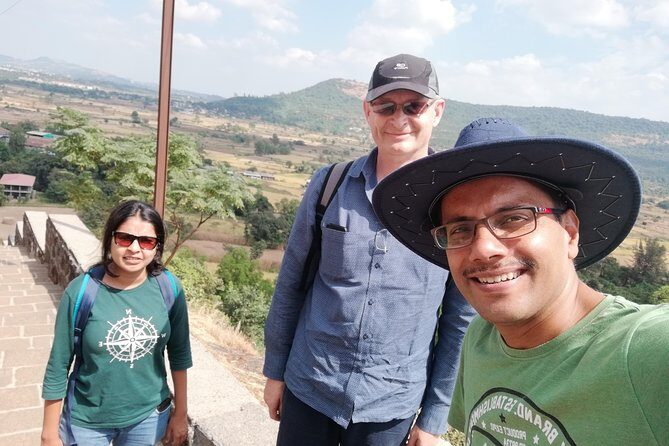
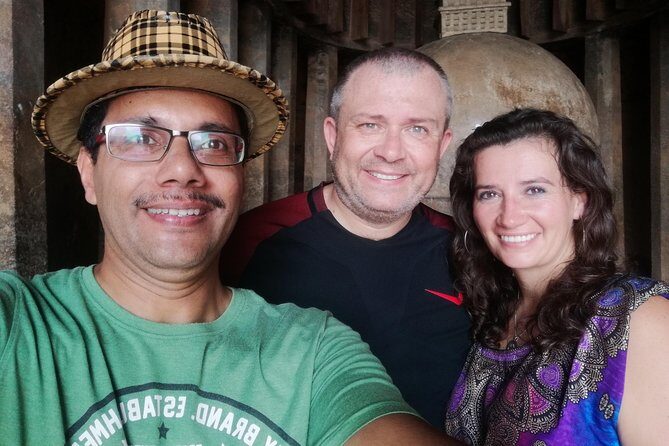
My guide, Pankaj, stood out because he explained information you usually don’t pick up on your own. That’s exactly the kind of value that turns this from a scenic outing into a clearer understanding of Buddhist culture and the site’s purpose. The big praise for the tour has been consistent: the guide makes history and culture feel connected rather than distant.
If you’re someone who likes your travel with a little context—religion, architecture, community life—this structure makes the day feel purposeful. If you prefer pure wandering with no explanations, you might still enjoy it, but you’ll get more out of it if you actively listen while you’re standing in front of the carvings.
Price and value: what you’re paying for beyond the caves
At $190 per person, this isn’t a budget throw-together. But value isn’t just the ticket price—it’s what you get packaged into the day.
Here’s what’s included: GST, lunch, hotel and cruise terminal pickup/drop-off, a local guide, and admission tickets for the cave sites. You’re also getting a private tour setup, and the tour mentions group discounts if you’re booking with more people. That means you’re paying for convenience and interpretation, not only access to stone monuments.
What’s not included is drinks. That’s a small line item, but it matters when you’re climbing stairs and spending much of the day in warm conditions. Budget for water so you don’t feel stuck at a shop later.
In plain terms: if you’re staying in Mumbai and want a guided, structured day without the hassle of figuring out transport, this price can make sense. If you already have your own driver and you don’t care much about explanations, you might spend less independently—but you’ll likely trade away the clarity and pacing that make the caves easier to appreciate.
Practical tips for stairs, timing, and comfortable cave visits
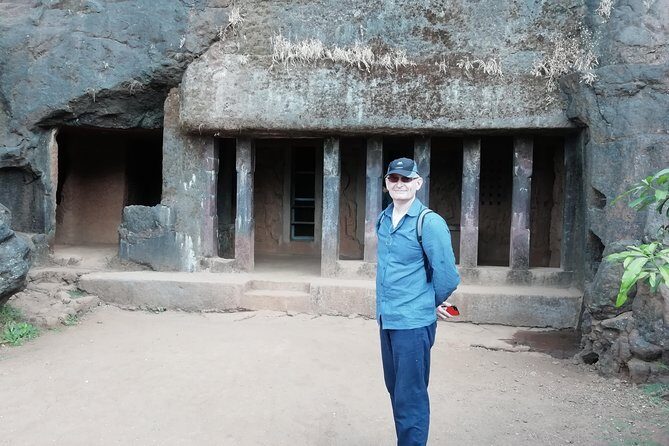
This is a “moderate physical fitness” day, mainly because of stairs. You’ll handle 200 steps at Karla and 200 steps at Bhaja. That’s not extreme endurance, but it is repetitive up-and-down work.
A few things to plan ahead so the day stays enjoyable:
- Wear shoes with grip. Stone steps can be uneven.
- Keep a steady pace on the first climb. Don’t burn energy on the first 10 minutes.
- Bring sun protection. You’ll be outside before and between cave sections, and the caves themselves use light in an architectural way, so weather matters.
- Plan for water since drinks aren’t included.
- Expect a full day. This is about two cave visits plus lunch, not quick sightseeing.
Also, the tour notes a mobile ticket. That’s handy for smooth entry, so you won’t need to scramble for paper at the last second.
Should you book this Karla and Bhaja day trip from Mumbai?
I think you should book if you want an organized day with a guide who helps you understand what you’re seeing—especially if your goal is more than photos. Karla and Bhaja are different, and the guided pacing makes that contrast click. I’d also recommend it if you’re tight on time in Mumbai and don’t want to stress over logistics.
You might skip it if you dislike stairs or if you’d rather travel completely on your own and don’t care about explanations. The tour’s strength is interpretation plus convenience, and it works best when you’re open to using a guide to turn the carvings into a story.
If that sounds like you, this is a solid way to spend a day stepping through Buddhist rock-cut worlds that date back to centuries before modern Mumbai even existed.
FAQ
What time does pickup start?
Pickup is scheduled to begin around 7:30 AM from your hotel, with the day starting at 7:00 AM.
How long is the tour?
The total duration is about 12 hours.
How much walking is involved?
There is a moderate amount of walking, including 200 steps at Karla and 200 steps at Bhaja.
Are the cave admission tickets included?
Yes. Admission tickets are included for both Karla Caves and Bhaja Caves.
Is lunch included?
Yes. Lunch is included between the two cave visits.
Is there a guide and vehicle included?
Yes. The tour includes a local guide and a private vehicle for the day.
Is this a private tour?
Yes. It’s described as a private tour/activity, so only your group participates.
Are drinks included with lunch?
No. Drinks are not included.
Does the tour include GST and pickup/drop-off?
Yes. GST is included, and the tour includes hotel and cruise terminal pickup and drop-off.
What’s the cancellation policy?
Free cancellation is available up to 24 hours in advance for a full refund. Canceling less than 24 hours before the start time isn’t refunded.