REVIEW · MUMBAI
Mumbai: All-Inclusive Mumbai Private Full or Half Day Trip
Book on GetYourGuide →Operated by India Tour · Bookable on GetYourGuide
Mumbai clicks into focus fast. This all-inclusive private outing strings together the Gateway of India waterfront drama and the Elephanta Caves by ferry, with a real-world stop in Dharavi. I especially like the way it’s set up so you see major icons without spending your whole day figuring out transport. The main drawback is that it’s packed, so you’ll be on the move for hours.
You’ll get a proper guide, not just a driver. On this kind of route, I think the guide makes the difference, and the names people rave about—Danish DK, Nadeem, Hamid, Fahad, Saif, Abdul, and others—are repeatedly described as friendly, organized, and good at turning landmarks into stories you can actually use. You’ll also be in an air-conditioned vehicle with hotel pickup and drop-off, plus a water bottle to keep the day from feeling like a constant scramble.
One more practical heads-up: Elephanta Caves are closed every Monday, so if you’re traveling on a Monday, you’ll want to plan around that. Also, pets aren’t allowed, and pregnant women aren’t considered suitable for this tour.
In This Review
- Key highlights at a glance
- Gateway of India to Taj Mahal Palace: the Arabian Sea start that sets the tone
- CST Terminus and the “architectural mix” lesson you’ll remember
- Marine Drive and Hanging Gardens: views with a practical payoff
- Mani Bhavan: the Gandhi stop that adds meaning, not just names
- Elephanta Caves by ferry: the logistics that make art sites actually enjoyable
- Dharavi: seeing everyday industry, not just a headline
- How the day actually flows: timing, ferry, and the private-guide advantage
- Price and value at about $26: what you’re really paying for
- Who should book this half or full-day Mumbai combo?
- Should you book this tour?
- FAQ
- Where do I meet the guide?
- Does the tour include pickup and drop-off?
- How long is the tour?
- What’s included in the price?
- Are Elephanta Caves open every day?
- What ID should I bring?
- Are there any restrictions on who can join?
Key highlights at a glance
- Hotel or airport pickup, with a timed airport drop so you can catch your flight without stress
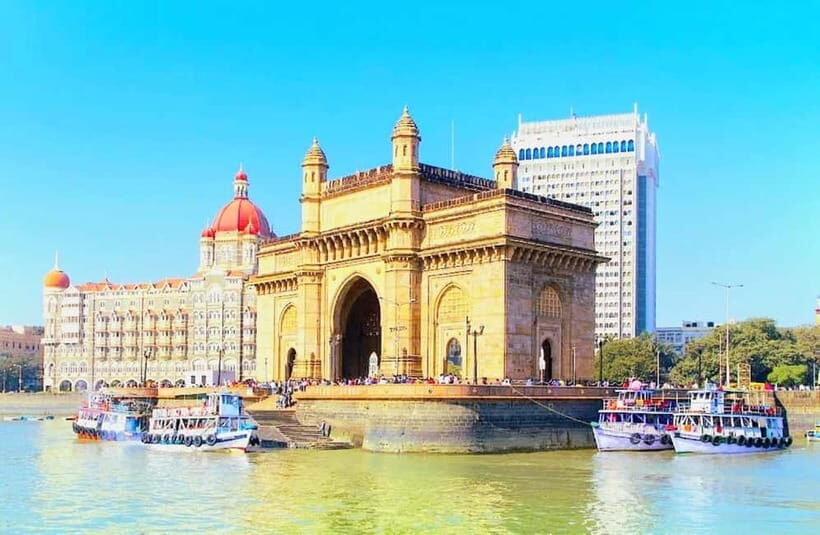
- Gateway of India and Taj Mahal Palace for classic Arabian Sea views and photos
- Chhatrapati Shivaji Maharaj Terminus (CST), a UNESCO World Heritage Site, explained in plain terms
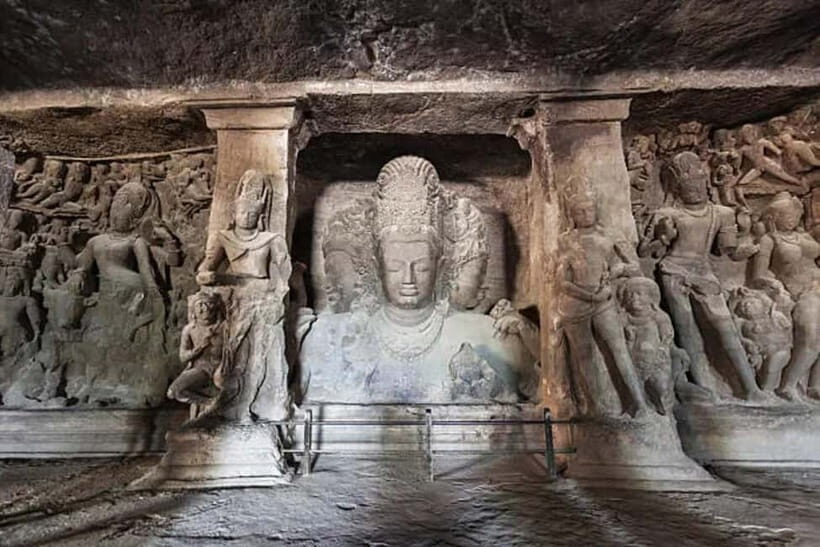
- Elephanta Caves by ferry (45 minutes each way) plus the iconic three-faced Buddha sculpture
- Dharavi stop that focuses on pottery, leather workshops, and recycling units
Gateway of India to Taj Mahal Palace: the Arabian Sea start that sets the tone
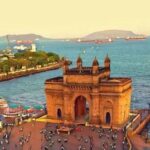
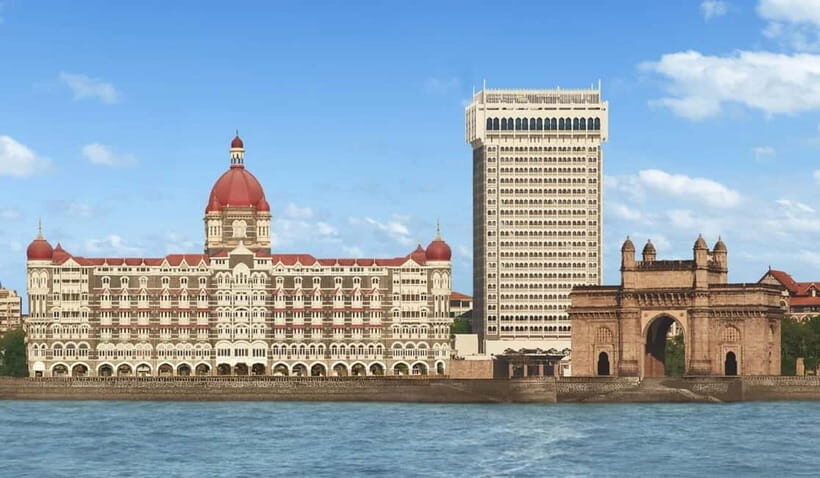
Most Mumbai days start with a splash of water, and this one begins at the Gateway of India, the big waterfront landmark that instantly tells you you’re in the right place. You get time for a photo stop and a quick orientation—helpful, because Mumbai can feel chaotic at first, especially near busy traffic corridors and promenades.
Right after that, you’ll pass the Taj Mahal Palace area from the outside. This isn’t about going inside a luxury hotel. It’s about seeing how the city’s identity sits right next to the sea—history on one side, modern life on the other. If you’re the kind of traveler who likes context (who built this, why here, what does it mean today), a good guide will connect this view to Mumbai’s role as a port city and cultural crossroads.
What I like here is pacing. You’re not thrown into a long drive immediately. You’re oriented first, so later stops—CST, Marine Drive, and the ferry—feel connected instead of random.
You can also read our reviews of more private tours in Mumbai



CST Terminus and the “architectural mix” lesson you’ll remember
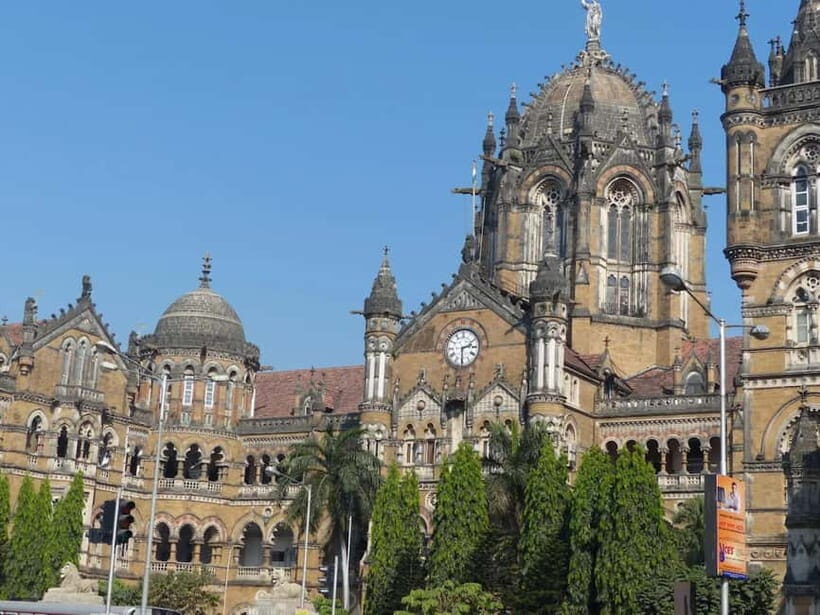
Next up is Chhatrapati Shivaji Maharaj Terminus (CST), another major anchor on the day and a UNESCO World Heritage Site. This is where many first-time visitors just look at the building and move on. The value on this tour is having someone explain why it looks the way it does and what features to notice.
You’ll see CST described as a combination of Victorian Gothic Revival elements and traditional Indian styles. That matters because it gives you a framework for reading the architecture: pointed arches, strong stone character, and details that feel layered rather than copied. If you’ve ever wondered why some buildings in India look European in shape but unmistakably local in texture and ornament, this stop answers that question fast.
One practical benefit: going with a private guide makes it easier to handle crowds and timing. You don’t need to herd yourself through the station area. You’re guided to the parts that help you understand it, not just take pictures.
Marine Drive and Hanging Gardens: views with a practical payoff
After CST, the tour turns to the scenic city stretches—starting with Marine Drive, often called the Queen’s Necklace because of the illumination that makes the coastline look like a string of lights at night. Even if you’re not there after dark, the road still gives you sea views and the sense of a city built along waterlines.
The tour also includes a stop for photos and sea air moments. That might sound small, but it’s a mental reset. Between dense historic areas and ferry logistics, having a view stop is how you keep the day enjoyable instead of exhausting.
Then you’ll head to the Hanging Gardens in Malabar Hill. You get panoramic city views and a stroll through terraced gardens. In practice, this stop balances the day. You’ve had hard architecture. Now you get open sightlines and a slower pace for a bit. Just keep in mind you’ll be walking, and the tour is designed as a full route, so comfortable shoes help.
Mani Bhavan: the Gandhi stop that adds meaning, not just names
If you’re doing a landmarks-only tour, it can blur together fast. Mani Bhavan changes that. It’s a historic house where Mahatma Gandhi lived and directed important movements during India’s freedom struggle.
This is one of the stops that tends to become a highlight for people because it turns a famous name into a place and a timeframe. One review specifically points to how striking it felt to stand on the same balcony associated with Gandhi. Even if your interests are more architecture or city life than politics, Mani Bhavan helps you understand why people treat the independence movement as personal, not abstract.
The practical win: it breaks up the day between exterior icons and the heavy spiritual/art element of Elephanta Caves. It’s also a good moment to slow down and absorb.
Elephanta Caves by ferry: the logistics that make art sites actually enjoyable
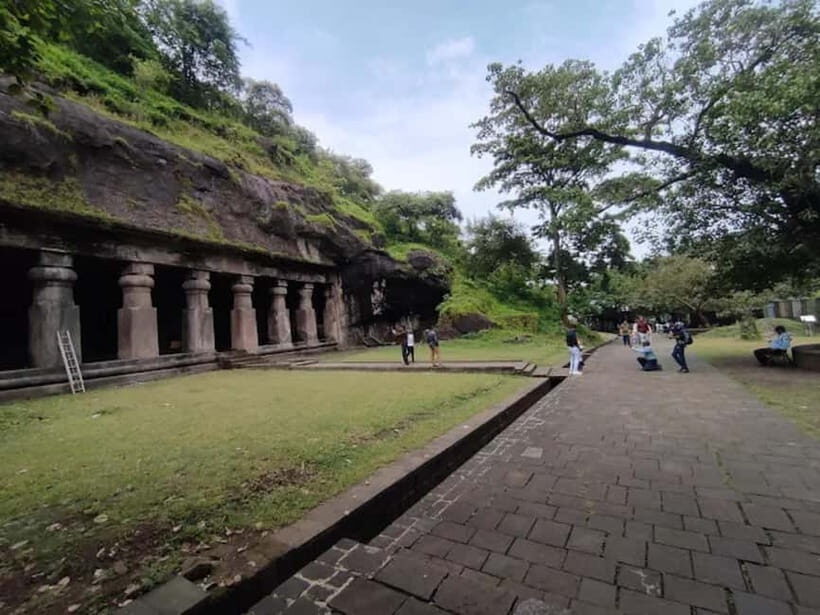
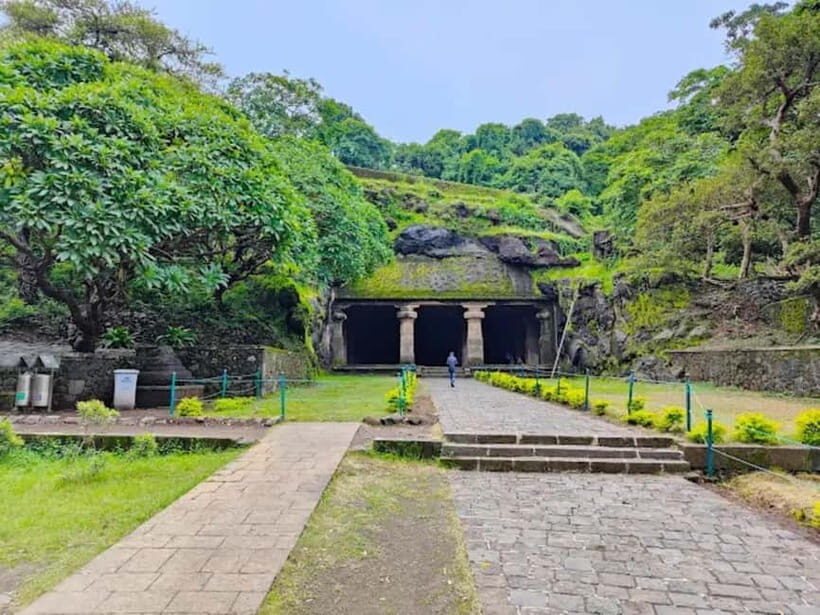
Getting to Elephanta Caves is half the adventure. You’ll take a ferry ride across the water—about 45 minutes each way—and the crossing gives you time to switch gears from noisy mainland streets to the cave experience waiting ahead.
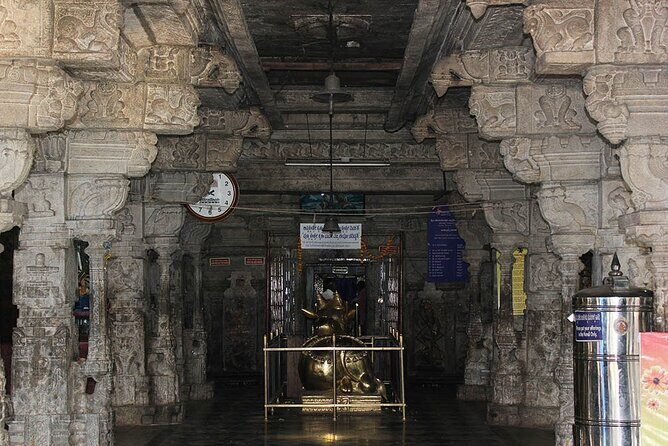
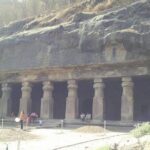
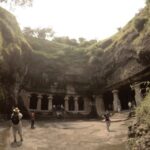
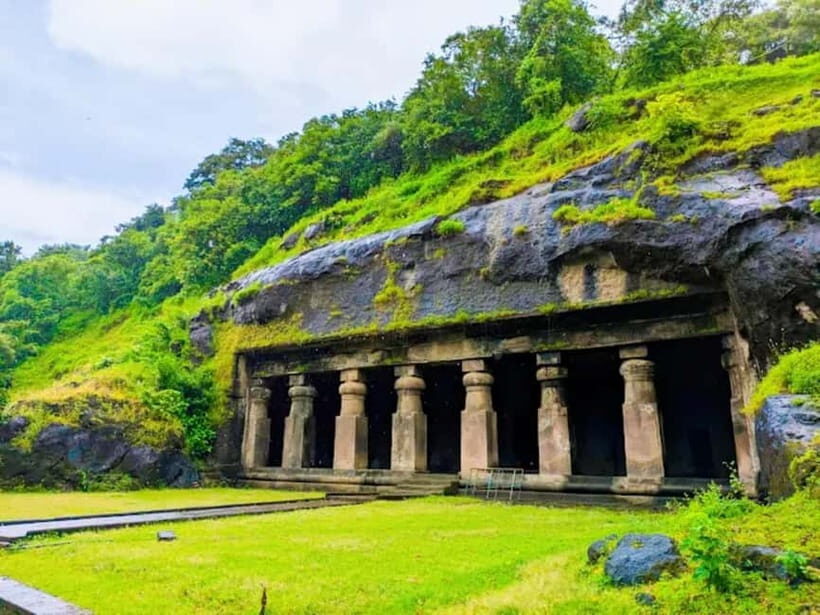
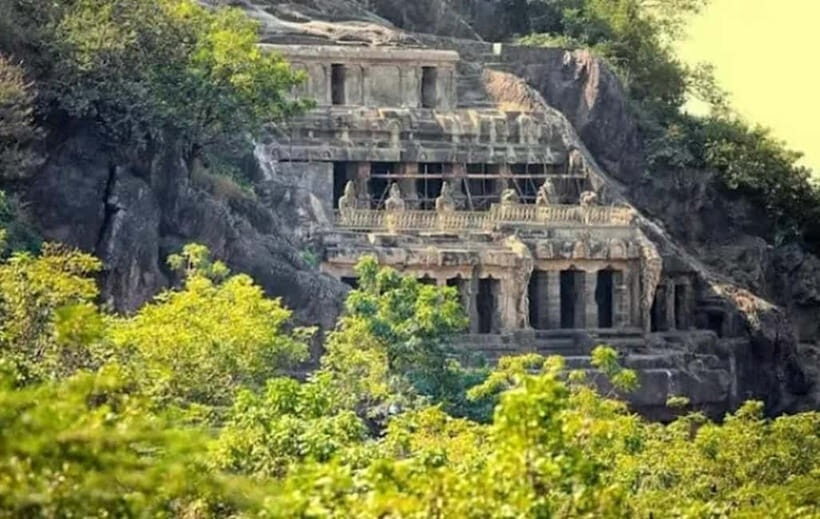
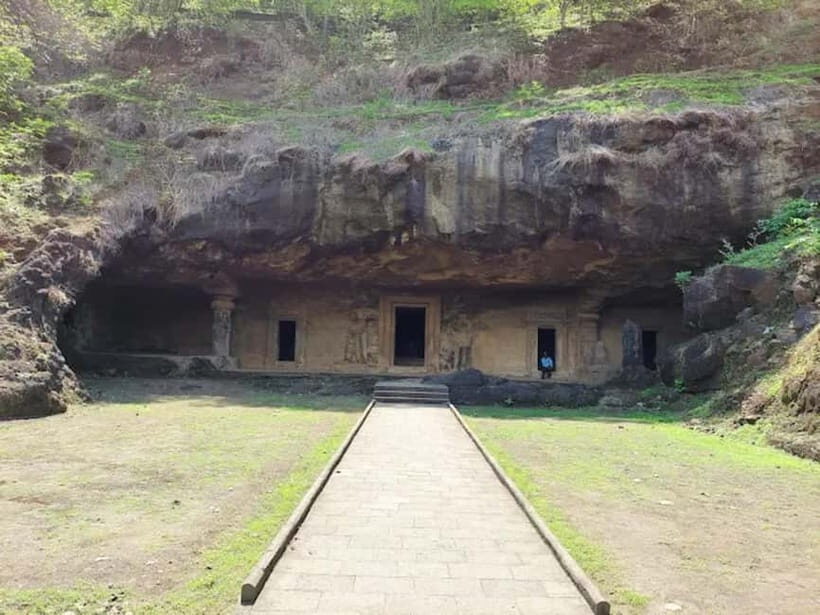
At Elephanta, you’ll explore the rock-cut cave temples, part of the UNESCO listing and dedicated to Ghutam Buddha. There’s a well-known feature: the famous three-faced Buddha sculpture. If you’re trying to understand what you’re seeing, this is the point your guide should help you frame—what the faces symbolize, how the carvings fit together, and why rock-cut temples matter when you realize they were carved without modern tools.
A key heads-up for your calendar: Elephanta Caves are closed every Monday. If you’re visiting on a Monday, you’ll want to confirm what the operator plans as an alternative. The tour data doesn’t list a replacement stop, so don’t assume one exists.
Also, note how the tour is structured on the ground. You may face steps and some uneven walking at the caves, and at least one guide is praised for letting someone take the uphill path at their own pace and even helping with a heavy daypack. So if you need to set your own pace, tell your guide early.
A few more Mumbai tours and experiences worth a look





Dharavi: seeing everyday industry, not just a headline
The day’s final “wow, wow” stop is Dharavi, one of Asia’s largest slum areas. This part of the experience can feel sensitive. The tour’s value is that it doesn’t just point at hardship. It focuses on everyday economic activity: pottery, leather workshops, and recycling units.
That matters because it shifts the story from stereotypes to systems people can explain. You can see how small-scale industries function and how recycling and reuse are built into daily life. You also get a guide-driven lens that helps you ask better questions and avoid turning the visit into a quick look-and-leave.
You’ll do this as part of a private route, which helps with pacing and respect. You’re not stuck in a mass group with no context. And you’re not left to guess what you’re supposed to notice; your guide helps you understand how the workshops operate.
The main practical consideration: it’s still a working area. Expect close quarters and a more hands-on “real city” feel than the museum-type stops. If you want carefully timed cultural immersion, keep your expectations grounded.
How the day actually flows: timing, ferry, and the private-guide advantage
This tour is built as a half-day or full-day option, depending on what you choose, with a total duration listed as 4 to 8 hours. The rhythm is consistent: pickup, a sequence of iconic city stops, ferry to Elephanta, ferry back, then Dharavi, then return to your drop-off.
That structure is why this feels efficient. You’re not making your own connections between waterfront, station, hill gardens, ferry schedules, and a social-industry stop. The transport is in an air-conditioned vehicle, and you get entry tickets included with ticket-line skipping. On a tight day, that saves energy for actually enjoying the sights.
One detail I really appreciate is how often guides are described as keeping things organized in real time. People mention punctual pickup, safe navigation through heavy traffic, and guides checking in so the group stays together. Names that come up include Danish DK and others for coordination, plus drivers like Fahad’s driver Alam, or Salman in other examples. Even if you don’t get the same team, the pattern suggests strong operational control.
Also, don’t underestimate small comfort items. A complimentary water bottle is included, and you’ll have AC for the long roads between viewpoints.
Price and value at about $26: what you’re really paying for
At $26 per person, this is one of those prices that can feel either cheap or suspicious—until you count what’s bundled. You’re not just getting a ticket to one place. You’re paying for:
- Private guide time across multiple major stops
- Air-conditioned transport for a multi-site route
- Hotel pickup and drop-off, plus a timed airport drop option
- Entry tickets included and skip-the-ticket-line access
- Ferry time to Elephanta with the route handled for you
If you tried to DIY this, you’d spend money and mental effort on getting from CST to Marine Drive, arranging ferry logistics, buying entry tickets, and still trying to make Dharavi meaningful without a guide to frame it. The value here is the combination: logistics plus interpretation.
The trade-off is that this is still a set route. If you want total freedom to linger at each spot for hours, a private half-day may feel tight. But if you want a first-time map of Mumbai that includes both famous monuments and real local industry, the price-to-effort ratio makes sense.
Who should book this half or full-day Mumbai combo?
I’d point this tour at three types of travelers:
- First-timers who want a high-importance highlights route without getting trapped in navigation and ticket lines
- People who enjoy the “why” behind landmarks (CST architecture, Gandhi’s role in Mani Bhavan, the Elephanta carvings)
- Travelers who want Dharavi addressed in a structured, industry-focused way rather than a quick spectacle
If you’re traveling with major mobility limitations, the tour data says it’s not suitable for pregnant women, and the Elephanta segment involves walking/steps. If you fall into those categories, it’s smart to look for an alternative itinerary designed for your pace.
Should you book this tour?
Yes—if you want a guided day that hits the big Mumbai classics and still leaves room for meaning. The mix is the reason: Gateway of India + Taj Palace views, UNESCO CST, city scenery at Marine Drive and Hanging Gardens, Mani Bhavan for Gandhi context, Elephanta Caves via ferry, and Dharavi for real-world industry.
Book it especially if you hate planning days. The transport, ticket handling, and ferry coordination remove the annoying parts of getting around. Just check your travel day carefully because Elephanta Caves close on Mondays, and plan around that before you commit.
FAQ
Where do I meet the guide?
Meet your guide at the Gateway of India, Mumbai.
Does the tour include pickup and drop-off?
Yes. The tour includes hotel pickup and drop-off, and it also offers airport drop-off at the end so you can catch your flight.
How long is the tour?
It runs for 4 to 8 hours, depending on whether you choose a half-day or full-day option.
What’s included in the price?
The tour includes a private guide, entry tickets, transportation in an air-conditioned vehicle, a complimentary water bottle, and all fees and parking charges.
Are Elephanta Caves open every day?
No. Elephanta Caves are closed every Monday.
What ID should I bring?
Bring your passport or an ID card.
Are there any restrictions on who can join?
The tour data states it is not suitable for pregnant women, and pets are not allowed.
If you want, tell me your travel day and whether you’re doing the half-day or full-day option, and I’ll help you decide which route best fits your timing.