REVIEW · SRINAGAR
6 Days and 5 Nights Private Tour of Kashmir
Book on Viator →Operated by Green Kashmir Travels · Bookable on Viator
Six days, zero travel stress, in Kashmir. This private 6-day route strings together Srinagar’s Dal Lake and the mountain stops people dream about, without the hassle of figuring out transport. I especially like that you get a Dal Lake deluxe houseboat start, then move through Gulmarg, Pahalgam, and Sonmarg with private transportation and scheduled sightseeing.
One thing to plan around: lunch is not included. That means you’ll want to budget for midday meals on the days when you’re out for long sightseeing blocks.
You’ll still have a lot built in for comfort—breakfast and dinner are included for five days, and most key admissions for the gardens and viewpoints are handled. The pace is “see a lot, stay sane,” and with a private group (minimum 2 people per booking), you won’t be squeezed into a shared bus rhythm.
In This Review
- Key Highlights Worth Noticing
- Why This Six-Day Private Route Makes Sense
- Day 1 in Srinagar: Dal Lake Houseboat and Mughal Garden Highlights
- Nishat Bagh: Garden of Joy on Dal Lake
- Shalimar Bagh: A Love Story with Water in the Middle
- Chashme Shahi: The Spring Garden
- Pari Mahal: Fairy Palace Views
- Evening: Shikara Ride on Dal Lake
- Gulmarg Gondola Phase 1 and Kongdori: Meadows, Ski Season, and Mountain Air
- Pahalgam, Saffron Fields, Aru Valley, and Betaab Valley (Hajan Valley)
- Pahalgam: Valley of Shepherds and a Film-Friendly Setting
- Aru Valley: Meadows and a Trek Base Camp
- Hajan Valley / Betaab Valley: Famous for a 1983 Film
- Sonmarg and Doodhpathri: Silk Road Stopovers and Valley of Milk Legend
- Sonmarg: Gateway on the Ancient Route
- Doodhpathri: Valley of Milk with a Story Behind It
- Meals, Tickets, and How the Private Setup Helps
- Price and Value: What You’re Really Paying For
- Who Should Book This Private Kashmir Tour
- Final Call: Should You Book This 6-Day Private Kashmir Tour?
- FAQ
- Is this a private tour?
- What cities and areas are included?
- Is the gondola ride included?
- What meals are included?
- Is lunch included?
- What does the tour start and end with?
Key Highlights Worth Noticing

- Deluxe houseboat on Dal Lake plus a classic shikara ride on Day 1
- Three Mughal gardens in Srinagar (Nishat, Shalimar, Chashme Shahi) and Pari Mahal
- Gulmarg Gondola Phase 1 included, with time around Kongdori and nearby meadows
- Pahalgam + Aru + Betaab Valley (Hajan Valley) gives you both valley scenery and movie-famous spots
- Sonmarg and Doodhpathri add high-mountain atmosphere and a legend behind Valley of Milk
Why This Six-Day Private Route Makes Sense
This tour works because it follows the natural geography of Kashmir: start in Srinagar (easy access), then climb into Gulmarg and Pahalgam, and finally loop out toward Sonmarg and Doodhpathri before flying home. You spend time in each area long enough to enjoy it, not just stop for photos and leave.
You also get private transportation, which matters more than it sounds. In Kashmir, distances can add up, and mountain roads can be unpredictable. Having your own car and a plan reduces decision fatigue—especially when you’re switching between city sightseeing (Srinagar’s gardens) and countryside drives (Pahalgam and Sonmarg).
Finally, the inclusions are practical, not flashy. You’re covered for accommodation, private transport, key sightseeing, one gondola ride (Phase 1), plus breakfast and dinner. That lets you focus on views, timing, and comfort—without constantly pulling out your wallet.
You can also read our reviews of more private tours in Srinagar



Day 1 in Srinagar: Dal Lake Houseboat and Mughal Garden Highlights
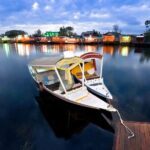
Day 1 begins with pickup at Srinagar Airport and a transfer to a deluxe houseboat in Dal Lake. You’ll check in with a welcome drink, then spend the rest of the day on Srinagar’s signature Mughal gardens: Nishat Bagh, Shalimar Bagh, Chashme Shahi, and Pari Mahal.
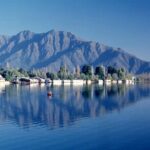
Here’s why that’s a strong start: the gardens sit along Dal Lake with the Zabarwan mountain range behind them, so you get framed mountain views while walking among terraces, water channels, and manicured layouts. It’s also a good “first impressions” day, because even if your energy is still adjusting from travel, garden walking gives you a flexible pace.
Nishat Bagh: Garden of Joy on Dal Lake
Nishat Bagh is called the Garden of Joy, and it’s built by Asif Khan in 1633. It’s the biggest terraced Mughal garden in the valley, and its position by Dal Lake makes the backdrop part of the experience. Expect long, layered views—great for slow wandering and sitting for a few minutes when the light turns soft.
Shalimar Bagh: A Love Story with Water in the Middle
Shalimar Garden (built in 1619 by Emperor Jahangir for Nur Jahan) is the most romantic-sounding name on the list, and it’s also designed around water. The garden is divided into three terraces, with a central water channel (Shah Nahar) feeding fountains and then draining back into Dal Lake through a long channel. It’s one of the better gardens if you like architecture that you can actually track: you see where water starts, where it travels, and how it powers the fountains.
Chashme Shahi: The Spring Garden
Chashme Shahi was constructed around a spring in 1632. It’s smaller than the other two major Srinagar Mughal gardens, but that can be a plus. You still get the Mughal style and terrace feel, without the “too much walking” problem.
A few more Srinagar tours and experiences worth a look


Pari Mahal: Fairy Palace Views
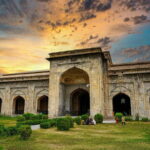
Pari Mahal (also called Peer Mahal) sits on the Zabarwan mountain range and looks down on Srinagar and the south-west side of Dal Lake. It’s described as a seven-terraced garden and a good example of Islamic architecture and Mughal-era art patronage under Shah Jahan. If you want one moment that feels like a reward for the garden circuit, it’s this: you’ll likely spend extra time just looking out over the city and water.
Evening: Shikara Ride on Dal Lake
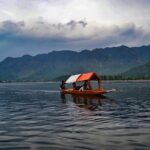
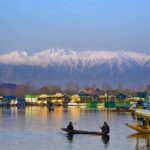
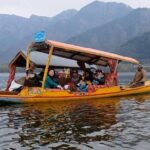
In the evening, the tour includes a shikara ride on Dal Lake. After hours of gardens and viewpoints, this is your decompression window—quiet water, changing reflections, and a slower rhythm before dinner plans for the next days.
Practical tip: with a full sightseeing day, I like to treat garden time as “short loops + breaks.” Don’t force yourself to see every corner at full speed.
Gulmarg Gondola Phase 1 and Kongdori: Meadows, Ski Season, and Mountain Air
Day 2 is all about Gulmarg, with six hours set aside for the area. Gulmarg is known as the Meadow of Flowers, and it’s also famous for its cable car system (Gulmarg Gondola), which runs in two phases. In the Gondola setup, Phase 1 takes you from Gulmarg to Kongdori.
You get Phase 1 tickets included, and the Kongdori portion is listed as a stop with about two hours. The description also mentions how you can spot different meadow directions from the gondola route—left side toward a meadow and right side toward a walk connected with Khilanmarg.
Even if you visit outside peak snow months, it helps to know what Gulmarg is famous for. The area turns into India’s premier ski resort in winter, and it’s described as having one of the best ski slopes in the world and a high 18-hole golf course. That reputation is part of why the views feel so big here: you’re in a place built for scale.
What you should watch for on the ground:
- Dress in layers. Gondola-and-viewpoint weather can change fast in the mountains.
- Build in quiet time at Kongdori. Two hours is enough to ride up, look around, and still sit for a moment with the mountains doing their thing.
If you’re not an intense “ski every day” person, this is still a great day. Gulmarg isn’t only about winter sports. It’s about wide alpine meadows, fresh air, and that feeling of being up high.
Pahalgam, Saffron Fields, Aru Valley, and Betaab Valley (Hajan Valley)
Day 3 is where the tour turns from postcard scenery into a more varied day of valleys, small attractions, and named film-famous stops.
Pahalgam: Valley of Shepherds and a Film-Friendly Setting
You spend around six hours in Pahalgam, described as the Valley of Shepherds. It’s also noted as well known to the Indian film industry, which explains why the valley is so often photographed in a “storybook” way.
On the way, you stop for saffron fields and cricket bat factories. These are short-but-meaningful, because they add a human layer to the mountain scenery. Instead of only looking at nature, you also see Kashmir’s craft and agriculture side.
Aru Valley: Meadows and a Trek Base Camp
Next, you head to Aru Valley for about one hour. Aru is described as a tourist spot with scenic meadows, lakes, and mountains, and it’s also a base camp area for treks toward locations like Kolhoi Glacier and Tarsar Lake (along with other named routes). Even if you don’t trek, Aru’s value in the plan is that it’s a calmer stop—more “meadow and water” than “big viewpoint sprint.”
Hajan Valley / Betaab Valley: Famous for a 1983 Film
Finally, you visit Hajan Valley, also known as Betaab Valley, for about one hour. The description points to the film Betaab (1983) starring Sunny Deol and Amrita Singh, and notes the valley sits along the route connected with the Amarnath Temple Yatra. It’s surrounded by lush green meadows, snow-clad mountains, and dense vegetation, which makes it a good “contrast” stop after Aru.
A note on pacing: Day 3 has three distinct environments (Pahalgam, Aru, and Betaab/Hajan). That’s ideal if you like variety. If you’re the type who wants one long stay in a single place, you may find this day feels “full,” but the time allocations suggest you still get meaningful time at each.
Sonmarg and Doodhpathri: Silk Road Stopovers and Valley of Milk Legend
Day 4 and Day 5 lean into high-mountain atmosphere and meadow calm, but with different flavors.
Sonmarg: Gateway on the Ancient Route
Day 4 takes you to Sonmarg (spelled Sonamarg / Sonmarg), for six hours. It’s described as a hill station in the Ganderbal District, about 62 km from Ganderbal town and roughly 80 km northeast of Srinagar.
One reason Sonmarg feels different from the others is its historical framing as a gateway on the ancient Silk Road connecting Kashmir with Tibet. Today, the area is also described as popular with fishers and hikers, which hints at practical outdoor access. If you like places that still feel “for nature people,” Sonmarg fits.
Doodhpathri: Valley of Milk with a Story Behind It
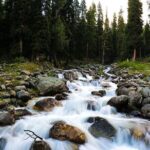
Day 5 is Doodhpathri (about six hours). The name means Valley of Milk, and there’s a legend tied to Sheikh ul Aalam Sheikh Noor din Noorani. The story says he pricked the ground in the meadows while searching for water, and milk came out. The milk was later said to change into water, and the meadow took its name because the water looked milky from a distance and stayed cold year-round.
That legend matters because it gives you a reason to slow down and look beyond “green hills.” Even if you don’t care about legends, you’ll likely notice the description of silver-shining streams and cold-feeling water patterns in the way the area is presented.
Practical tip: On days like this, I like to keep one activity in mind—walking a short loop, sitting for views, taking a few photos—then leaving the rest as open time. Doodhpathri is the kind of place where wandering beats checking boxes.
Meals, Tickets, and How the Private Setup Helps
One of the smartest parts of this tour is how it balances included time with breathing room. Breakfast is included for five days, and dinner is included for five days. Lunch isn’t included, and that’s the one gap you’ll manage yourself.
What that means for you:
- Your mornings and evenings are handled, which usually saves energy.
- Midday is where you’ll need to decide: quick bites, sit-down meals, or snacks. Since you’re on a full sightseeing schedule, plan meals like you’re traveling, not like you’re at home.
The tour also includes key admission coverage for the Srinagar gardens and places like Gulmarg and Doodhpathri, plus the gondola ride up to Phase 1. That reduces the small stress points that can add up on a multi-day trip.
Also, this is a private tour/activity, so it’s just your group. That usually matters for timing—if you want to stay a little longer at a garden terrace or pause for photos in Gulmarg, you’re not negotiating with a larger group’s schedule.
Price and Value: What You’re Really Paying For
At $350 per person for a 6-day, 5-night private Kashmir tour, the value comes from bundling the expensive annoyances: transport, accommodation, and a chunk of admissions plus meals. You’re not just buying sightseeing. You’re buying coordination.
Here’s what the inclusions cover in real-world terms:
- Private transportation across Srinagar, Gulmarg, Pahalgam, Sonmarg, and Doodhpathri
- One gondola ride up to Phase 1 in Gulmarg
- Sightseeing stops in Aru and Betaab Valley
- Breakfast and dinner for five days
- Accommodation across the trip
- Multiple garden tickets and key activities in Srinagar
If you tried to piece this together alone, you’d spend a lot of time comparing hotel options, hiring drivers, and sorting tickets. This package is designed to cut those moving parts. And the best sign of value is how the company support is described: I saw consistent praise for staff help that kept the trip stress-free, including named help like Amin sahab and Umar.
There’s also a practical note: confirmation is received at booking time, and vegetarian options are available if you ask ahead. That’s helpful if food planning is part of your travel stress.
One more reality check: the tour is listed as non-refundable and cannot be changed for any reason. So if your dates are firm, it’s a safer buy than if you’re still negotiating vacation plans.
Who Should Book This Private Kashmir Tour
This is a strong fit if you want:
- A private, organized plan rather than a do-it-yourself drive schedule
- Classic Kashmir regions in a short timeframe: Srinagar + Gulmarg + Pahalgam + Sonmarg
- Comfort included in the basics: accommodation plus breakfast and dinner
- A mix of “named places” (Mughal gardens, Pari Mahal, Betaab Valley) and scenic valleys (Aru, Hajan, Doodhpathri)
It may not be perfect for you if:
- You dislike long days or constant location changes
- You’re hoping for free-form time with no set stops (the schedule is structured)
- You need lunch included, since it’s not part of the package
Final Call: Should You Book This 6-Day Private Kashmir Tour?
If your goal is to see Kashmir highlights with a plan that feels controlled, I’d say yes—especially if you value private transportation and a stress-light schedule. Day 1 in particular is compelling: Dal Lake houseboat plus Nishat, Shalimar, Chashme Shahi, and Pari Mahal is a strong mix of water, gardens, and mountain views, capped with a shikara ride.
Book it if your travel dates are firm and you’re comfortable managing lunch on your own. Pass if you’re flexible on dates or if you want fewer stops per day. For the right traveler, this tour is a practical way to get a lot of Kashmir without turning the trip into logistics homework.
FAQ
Is this a private tour?
Yes. This is a private tour/activity, so only your group participates.
What cities and areas are included?
The tour covers Srinagar, Gulmarg, Pahalgam, Sonmarg, plus stops at Aru Valley, Betaab Valley (Hajan Valley), and Doodhpathri.
Is the gondola ride included?
Yes. The gondola ride is included up to Phase 1 in Gulmarg.
What meals are included?
Breakfast is included for 5 days and dinner is included for 5 days.
Is lunch included?
No. Lunch is not included.
What does the tour start and end with?
You’re picked up from Srinagar Airport on Day 1 and transferred to the houseboat area. On Day 6, after breakfast, you’re taken to Srinagar Airport for your onward flight.