REVIEW · MUMBAI
Jewish Heritage and Mumbai Highlights Private Full-Day Tour
Book on Viator →Operated by Jewish India Tours · Bookable on Viator
Mumbai feels like two cities at once. This private full-day-style tour threads Jewish life in Mumbai through landmark streets and working religious spaces, with a strong focus on how Jewish families lived alongside Hindu and Muslim neighbors.
Two things I really like: you get access to synagogues with a living rhythm (including one known for daily minyan), and the day is guided by an English-speaking professional who brings the history to life through personal, on-the-ground Jewish perspectives from people like Hanna and Joshua.
One heads-up before you book: the whole experience runs about 5 hours, so several stops are brief. If you want long, slow museum-style time, you’ll have to be comfortable with a fast, informative pace.
In This Review
- Key highlights you’ll remember
- A Jewish Storyline Through Mumbai’s Fort and Waterfront
- Price and What You Really Get for $106.87
- Victoria Terminus First Stop: Victorian Bombay and the Global City
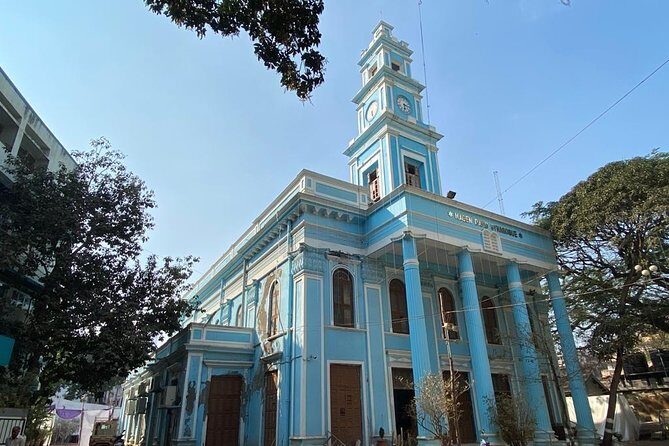
- Magen David Synagogue: What Daily Minyan Teaches You
- Tiphereth Israel Synagogue: An Active Jewish Center
- Dhobi Ghat: Seeing Work in Public
- Mani Bhavan Gandhi Museum: A Common Thread Through Indian History
- Keneseth Eliyahoo Synagogue: 1884 Architecture With a Family Story
- David Sassoon Library and Reading Room: Philanthropy in Brick and Paper
- Gateway of India: Harbor Views to Close the Day
- About the Guides: Why Personal Story Changes Everything
- What Could Feel Short or Tough for Some People
- Who This Tour Fits Best (and Who Might Want Something Else)
- Should You Book This Jewish Heritage Tour?
- FAQ
- What is the duration of the tour?
- Is pickup and drop-off included?
- What time does the tour start?
- Are tickets or admission fees included?
- Is this tour private?
- Can I cancel for a full refund?
Key highlights you’ll remember

- Daily minyan at Magen David Synagogue, a standout for understanding how prayer practices shape community life
- Fort-area synagogue architecture, including the 1884 Keneseth Eliyahoo synagogue and its family-built story
- Community connection, with time to meet Jewish community members and hear their firsthand experiences
- Victoria Terminus and the Mumbai film connection, a quick detour that adds context to the city’s global presence
- Dhobi Ghat as a working-world stop, where you see a daily chore in full public view
- Short, efficient touring, including air-conditioned transport and bottled water to keep you moving comfortably
A Jewish Storyline Through Mumbai’s Fort and Waterfront
This tour works best if you like context, not checklists. Instead of treating Jewish heritage as something locked in the past, the route points you toward places where Jewish life has continued in public view: synagogues that hold services, institutions tied to philanthropy, and community spaces where people kept traditions over generations.
I also like the way the day links Mumbai’s Jewish story to the wider city. You’ll see Victorian Bombay, the Fort area, and the harbor-facing landmarks. It’s an easy way to understand why Mumbai’s minority communities mattered so much to the city’s everyday texture.
You can also read our reviews of more private tours in Mumbai



Price and What You Really Get for $106.87
At about $106.87 per person, the value comes from what’s included and how tightly the stops are packaged. You’re not paying extra for most admissions on the route, since the stops covered have free admission. You also get an air-conditioned vehicle, bottled water, and pickup and drop-off from your accommodation, which matters in Mumbai where timing and travel time can get messy.
You’re also booking a private experience for your group, which usually means you can ask questions without feeling like you’re sharing your guide with five other conversations. Add the fact that it can operate with an English-speaking experienced guide, and your money goes into interpretation, not just transport.
If you’re traveling with others, you may benefit from group discounts. If you’re traveling solo, the per-person cost can feel steep compared with standard group tours, but the private format helps justify it if you care about the subject matter.
Victoria Terminus First Stop: Victorian Bombay and the Global City
You start with a drive past Victoria Terminus (now Chhatrapati Shivaji Maharaj Terminus) and Victorian buildings, including Mumbai University. It’s a strong opening because the area gives you immediate visual language for the colonial-era architecture that shaped much of South Mumbai’s development.
You’ll also pass the rail station that even became part of mainstream film culture, which helps you place the station in modern global awareness. Admission is free here, and the time is short, but it sets the tone: this day isn’t only about synagogue doors. It’s also about the city layers that Jewish communities moved through.
Practical tip: this is a drive-past moment, so keep your camera ready and don’t expect a long walk. If you’re the kind of person who likes to linger, you can ask your guide what to look for in the façade and station details.
Magen David Synagogue: What Daily Minyan Teaches You
Stop two is Magen David Synagogue, and the feature isn’t just architectural. It’s the fact that it’s described as the only synagogue with daily minyan. That detail changes how you understand the place.
Minyan isn’t trivia. It’s the social engine of prayer. When a synagogue has a daily minyan, it signals a community that sustains regular participation, not occasional gatherings. That means you’re seeing a site that reflects ongoing discipline and everyday life.
The visit is brief, but the point of the stop is clear: learn how Jewish rhythms create community continuity, even as the wider city changes. Admission is free, so you’re not losing money to fees while you’re getting this conceptual payoff.
Tiphereth Israel Synagogue: An Active Jewish Center
Next comes Tiphereth Israel Synagogue, described as one of Mumbai’s most active Jewish centers. This is where you shift from the idea of ritual space to the reality of a community hub.
Even if you only spend about half an hour, an active center tends to leave clues: how the site is used, how people relate to it, and how tradition stays visible in a city where many identities coexist. Your guide’s job here is to connect what you’re seeing with what it means in daily community life.
If you’re hoping to understand why Jewish heritage in Mumbai wasn’t isolated, this stop helps. It highlights continuity through activity, not just through buildings.
You can also read our reviews of more historical tours in Mumbai



Dhobi Ghat: Seeing Work in Public
Then you pivot from synagogue interiors and institutional stories to Dhobi Ghat, a large outdoor laundry area. This stop is short, but it’s an important contrast. It shows you Mumbai as it works: people doing daily labor in shared space, with movement and routine in plain sight.
Why it belongs on a Jewish heritage route: because heritage is not only about religious sites. It’s also about how communities live within the same city rhythms. Dhobi Ghat gives you a street-level sense of how public life functions around major landmarks.
Wear comfortable shoes and stay aware of crowds. You’re not here to tour like it’s a museum. You’re here to observe, take photos if you can, and let the scale of everyday work sink in.
Mani Bhavan Gandhi Museum: A Common Thread Through Indian History
A stop at Mani Bhavan Gandhi Museum can feel like a left turn if you’re expecting a purely Jewish-only day. But it makes sense in the broader story of Mumbai and India.
Gandhi Bhavan is dedicated to Mahatma Gandhi, and it helps you understand the political and moral atmosphere that shaped how different religious and community groups had to coexist. Your guide can connect the dots between civic identity and minority life, and the museum visit gives you a reference point for that bigger context.
Time here is about half an hour and admission is free for this tour stop, so it’s not a heavy lift. It’s more of a meaningful pause than a full museum day.
Keneseth Eliyahoo Synagogue: 1884 Architecture With a Family Story
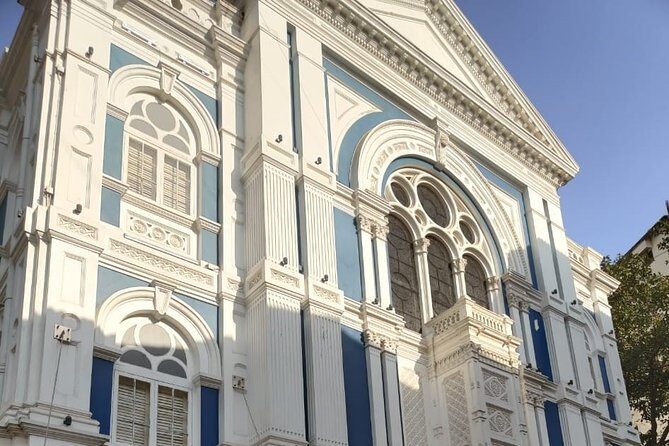
Stop six is Keneseth Eliyahoo Synagogue, built in 1884 by Jacob Sassoon in memory of his father, Elias Sassoon. That family memorial angle is one of the most compelling reasons to visit it on this day.
Buildings like this aren’t just places of worship. They’re also markers of patronage, responsibility, and community memory. When you learn that the synagogue is tied to a named family and a specific act of commemoration, the structure starts to feel personal rather than distant.
The description also places the synagogue in the Fort area around some of the city’s most magnificent historic structures. That means you’re not just stepping into a religious site. You’re moving through an architectural zone that helps explain why Mumbai’s Jewish communities had visibility and institutional weight.
David Sassoon Library and Reading Room: Philanthropy in Brick and Paper
Next is David Sassoon Library and Reading Room, built in honor of David Sassoon, described as a well-known Baghdadi philanthropist. This stop is a reminder that heritage includes learning spaces and charitable effort, not only prayer.
A library is a different kind of sacred space. It speaks to study, knowledge transmission, and the idea that community survival depends on more than faith—it depends on education and support networks.
The reading room visit lasts about twenty minutes. That’s enough time to understand the purpose and take in how the institution fits into Fort-area history. Admission is free here as well, so you get the benefit without extra costs.
Gateway of India: Harbor Views to Close the Day
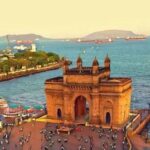
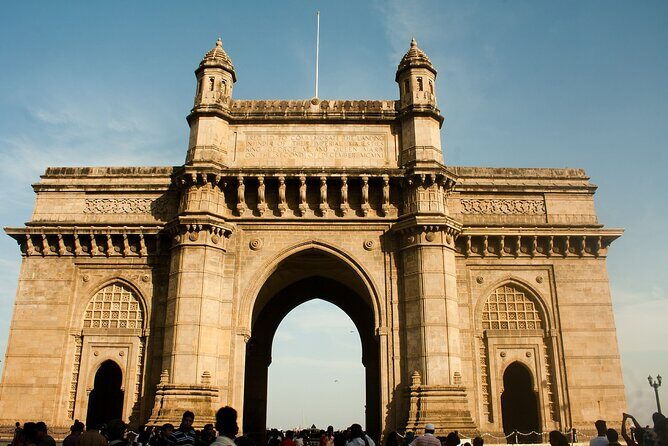
You end with a drive to the Gateway of India, overlooking the Mumbai harbor. This is one of the easiest places to appreciate how Mumbai presents itself to the world: historic symbolism, sea-facing views, and the kind of landmark you recognize even if you’ve never been.
The stop is around half an hour. That’s just enough time to step back, look out over the harbor, and let the day’s themes land: community continuity, city layers, and the way history shows up in public space.
If you want a final photo, this is usually the moment to do it. Bring your patience for crowd flow, since this is a popular area.
About the Guides: Why Personal Story Changes Everything
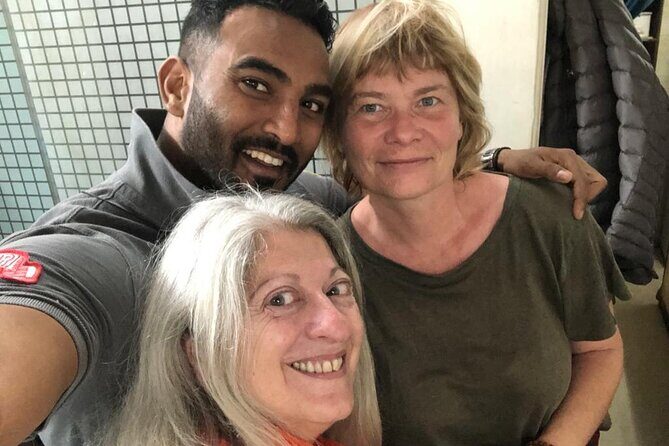
A tour about heritage needs more than dates. It needs interpretation that feels human, not scripted. In practice, guides like Hanna and Joshua have been praised for being warm, welcoming, and deeply connected to both Jewish life and Mumbai itself.
What I think you should look for is this: a guide who can connect architecture and institutions to lived experience. For example, this experience includes time to meet members of the Jewish community and hear their stories firsthand. When it works well, it gives you details you could never get from a brochure: how people describe their rituals, how they think about community today, and how they remember the past without turning it into a distant lecture.
If you’re the kind of traveler who asks questions and likes to trade ideas, you’ll get a lot from this format.
What Could Feel Short or Tough for Some People
The biggest consideration is simple: the day is fast. Several stops are about twenty to thirty minutes, including synagogue visits. That’s enough to get oriented, but it’s not enough for deep study of every detail.
Also, lunch is not included. That means you should plan your timing for food either before you go or after the tour ends. If you’re sensitive to hunger during travel days, bring a snack from your accommodation so you don’t lose energy mid-tour.
Finally, since it’s a private tour, you may not have the same spontaneity as a fully flexible day. Your guide can answer questions, but you’re still working within a set schedule.
Who This Tour Fits Best (and Who Might Want Something Else)
This is a strong choice if you:
- want a focused route through Jewish sites in Mumbai rather than a broad city tour
- like learning through stories and community context
- care about understanding how minority communities lived alongside the majority religious cultures
You might want a different option if you:
- prefer long stays at museums or a more leisurely walking pace
- need lunch included in the tour price
- don’t enjoy short stopovers and drive-past segments
Should You Book This Jewish Heritage Tour?
Yes, if you want a compact, meaningful day that actually explains what you’re looking at. The combination of synagogue visits, community connection, and Fort-area institutions gives you more than sightseeing—you get a framework for understanding how Jewish life continued in Mumbai over time.
Book it especially if you’re traveling with curiosity and you like your guides to bring the topic to life through real human perspective. Just plan for the pace, bring some food for between stops, and be ready to move.
If your goal is to get your bearings fast and still understand Mumbai in a more personal, minority-history way, this tour is a very solid bet.
FAQ
What is the duration of the tour?
The tour runs for about 5 hours.
Is pickup and drop-off included?
Yes. Pickup and drop-off from your accommodation are included.
What time does the tour start?
The tour starts at 9:30 am.
Are tickets or admission fees included?
Admission tickets are free for the places covered on the route, so you won’t need to pay entry fees for these stops.
Is this tour private?
Yes. It’s a private tour/activity, so only your group participates.
Can I cancel for a full refund?
Yes, you can cancel for a full refund as long as you cancel up to 24 hours in advance of the experience start time.