REVIEW · VARANASI
Varanasi Half day south and north Heritage walking tour
Book on Viator →Operated by Pintu · Bookable on Viator
Varanasi’s river rituals start right on your feet. This 3-hour South and North heritage walking tour threads together the Ganges ghats, temple lanes, markets, and a few less-obvious spots that show how Varanasi works day to day. You’ll also get local context from guides whose families have lived in the city for generations, so the stories land with real weight, not just memorized facts.
What I like most is how you move through the city’s big moments on foot—from Dashashwamedh Ghat to the Shiva shrines—and how Pintu and the team explain what you’re seeing in plain language. The tour also includes coffee or tea, so you’re not starting cold in the heat of the morning. One consideration: parts of the walk bring you very close to the reality of Hindu funeral rituals, and the old lanes can feel tight and crowded.
In This Review
- Key things to know before you walk
- Why this 3-hour North-and-South Varanasi walk actually helps
- Getting there: the Hotel Ganges Grand meeting point
- Dashashwamedh and Kedar Ghat: start where the city shows itself
- Harishchandra Ghat: the funeral-ritual view you can’t fake
- Hanuman Ghat and the akhada connection to body and spirit
- Shiva temples in the lanes: Kashi Kamkoteeshwar and Shav Shiva Kali
- Madanpura and the saree craft stop: heritage you can touch
- Chousatti Ghat: meeting the divine feminine energy
- Lahiri Mahasaya Samadhi: a yoga lineage stop with context
- Coffee, timing, and the practical stuff that affects comfort
- Price and value: why this is worth $30 (and when it’s not)
- Final verdict: should you book this Varanasi heritage walk?
- FAQ
- How long is the Varanasi half day south and north heritage walking tour?
- What time does the tour start?
- Where does the tour begin and end?
- What’s included in the price?
- What language options are available?
- Is admission required for the stops?
- Is breakfast or lunch included?
- How many people are in the group?
Key things to know before you walk
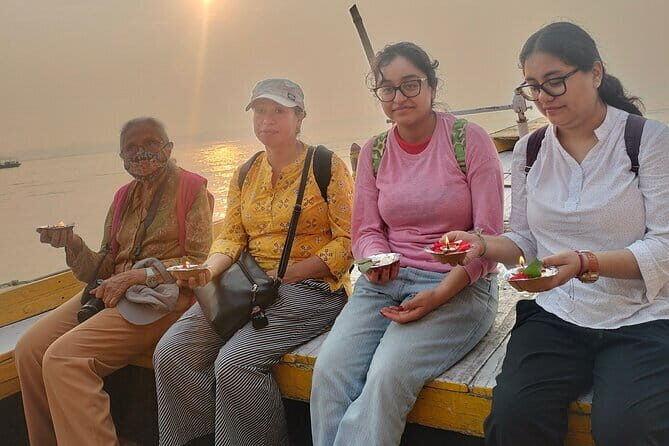
- Guided by Pintu, with English and Spanish support
- Small group size (up to 20 people), which keeps it from feeling like a cattle line
- 3 hours, start at 9:00 am and return to the meeting point
- Stop highlights include ghats, cremation rituals, and Shiva temples
- Coffee or tea included, but meals are not
- A textile craft stop at Madanpura links heritage with daily life (including traditional saree artistry)
Why this 3-hour North-and-South Varanasi walk actually helps
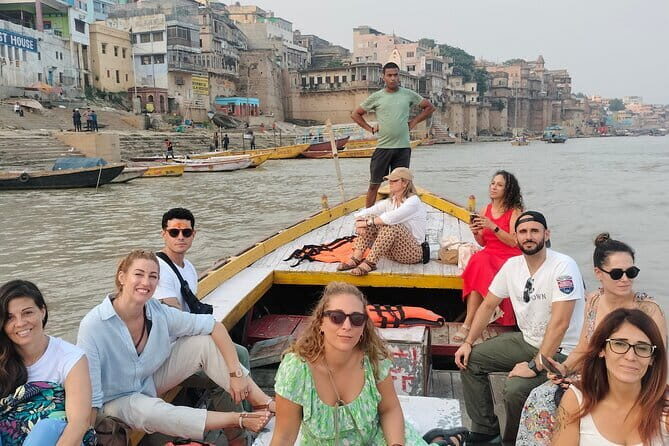
Varanasi can feel like you arrived in a maze built by the river. The streets twist, the ghats keep multiplying, and it’s easy to spend hours just trying to orient yourself. This tour is designed for exactly that first-stumble period. You get a structured loop that covers both “sides” of Varanasi’s historic core—so you’re not just seeing one ghat and calling it a day.
At $30 per person for about 3 hours, the value comes from two things. First, you’re paying for context: local explanations about religion, traditions, and everyday life, not just photos and walking. Second, you get the benefit of scale control. With a maximum of 20 people, it’s much easier to ask questions or step aside briefly when the flow of foot traffic gets intense.
The half-day format also helps you plan the rest of your trip. You can use the morning tour to get oriented, then choose what you want next—extra temple time, shopping, or simply watching the river without needing a guide for every turn.
You can also read our reviews of more walking tours in Varanasi

Getting there: the Hotel Ganges Grand meeting point
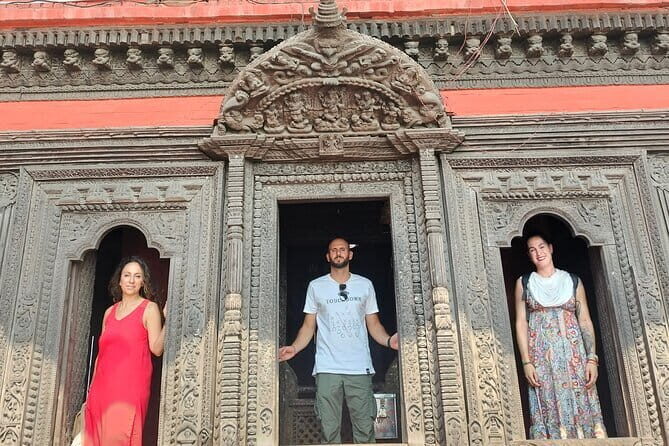
The meeting point is at Hotel Ganges Grand (front of, Marwari Hospital Building), on Dashashwamedh Ghat Road near Godowlia. The tour starts at 9:00 am, and it ends back at the same meeting point.
That “start and end in the same place” detail sounds small, but it’s a lifesaver in Varanasi. You don’t have to solve the logistics of where to regroup, and you can continue your day nearby with less stress. The tour is also listed as near public transportation, which matters if you’re arriving by rickshaw, local bus, or a quick taxi hop.
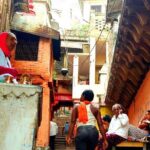
If you’re thinking about what to wear, go practical: comfortable shoes. You’ll be on uneven stone and crowded edges where people move in multiple directions at once.
Dashashwamedh and Kedar Ghat: start where the city shows itself
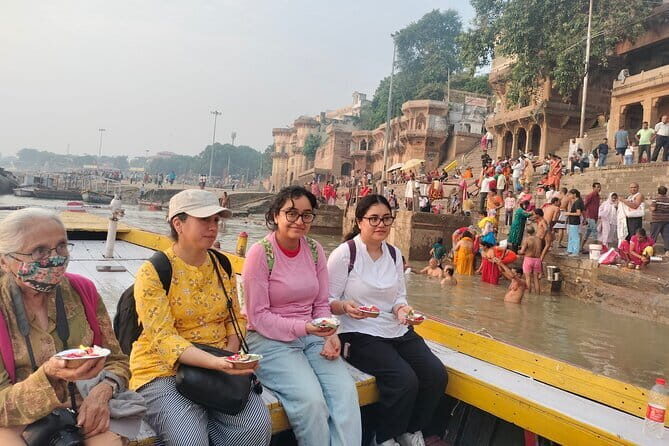
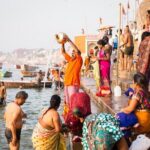
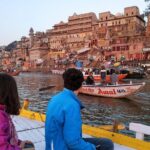
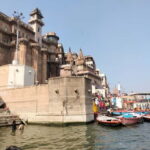
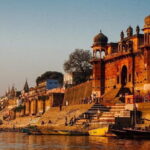
Your walk begins at Dashashwamedh Ghat, one of the most famous Ganges ghats. This is the kind of place where the city’s energy is visible at street level—boats, rituals, vendors, and travelers all sharing the same riverfront space.
A key benefit of starting here with a guide is not that you’ll see something “rare.” It’s that you’ll learn how to read it. You’ll get historical and religious context, plus stories about daily customs and what people do at the water’s edge. Without that, you can miss why certain actions matter to locals.
Next is Kedar Ghat, another significant ghat with a rich spiritual atmosphere. Your time at each stop is brief, but the guide structure keeps it useful. You’re not rushing to “check off” a list—you’re getting quick explanations so the next stop makes sense.
Tip: at ghats, you’re always negotiating with crowds. If you want the most comfortable viewing angles, listen to the guide and let them tell you where to stand and when to move—this is usually where the experience becomes smoother.
Harishchandra Ghat: the funeral-ritual view you can’t fake
Then comes Harishchandra Ghat, known for its significance in Hindu funeral rituals. This is the stop where the tour goes beyond postcard Varanasi. It’s also where respectful understanding becomes essential.
You’ll have time here (about 30 minutes), which helps you slow down. You’ll learn what the rituals mean and why this location holds deep spiritual importance. Since this is close to sensitive life-and-death customs, it helps to come prepared with an attitude of observation, not judgment.
A possible drawback? If you’re easily distressed by funeral practices or you don’t want to witness them at close range, this part of the walk may feel heavy. The tour doesn’t say it’s a gentle “scenic walk,” and it’s better to be honest with yourself about what you’re comfortable seeing.
Hanuman Ghat and the akhada connection to body and spirit
From there, you reach Hanuman Ghat, where you’ll encounter an akhada—a traditional training center for wrestlers associated with Indian wrestling styles. Akhadas are both physical practice spaces and spiritual ones, which is a fascinating detail because it ties sport, discipline, and devotion into one place.
If you’ve only heard about Indian wrestling as a TV sport, this stop reframes it. You see how training and faith can share the same walls. And because Varanasi is a city of living traditions, it’s the kind of site that makes the tour feel more current than “historic.”
Even the shorter stop length (about 15 minutes) can work well here, since the guide can point out what makes an akhada special—especially how it fits into local routines.
You can also read our reviews of more historical tours in Varanasi


Shiva temples in the lanes: Kashi Kamkoteeshwar and Shav Shiva Kali
Your walk then turns toward devotion in the form of temples.
First is Shri Kashi Kaamkoteeshwar Mandir (Kashi Kamkoteshwar Mahadev Temple), dedicated to Lord Shiva. Then you’ll visit Shav Shiva Temple Lane, associated with the Shav Shiva Kali Temple. The temple lane stop is described as having unique deities and spiritual teachings tied to Varanasi’s sacred landscape.
Why this matters: temples in Varanasi aren’t just buildings. They’re social signals—where people worship, meet, and reaffirm identity. With a guide, you’ll understand what to look for and what questions to ask, instead of treating every shrine like the same kind of photo-op.
Time is modest at each temple (around 10 minutes at each listed stop), so the guide’s role is crucial. You’re looking for meaning fast, and Pintu’s background helps you move through the spaces with less confusion.
If you want the best experience, dress modestly and quietly match the pace around worship areas. This is one of those moments where small behavior choices change how comfortable everyone feels.
Madanpura and the saree craft stop: heritage you can touch
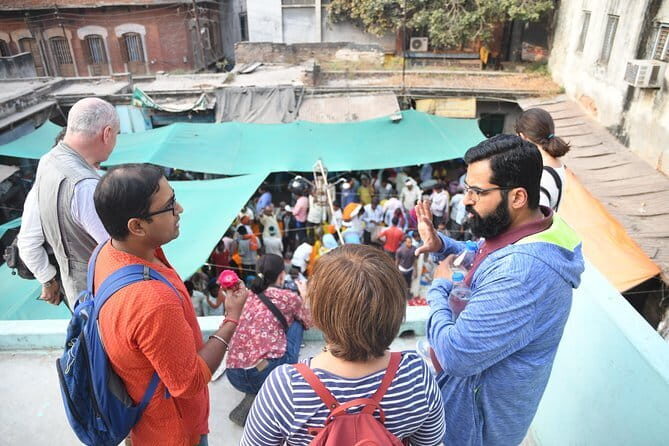
Next is Madanpura, described as a center where you can explore the traditional waving art connected to Varanasi sarees. This is a smart shift in the tour because it moves you away from only religious landmarks and into craft—something you can see, understand, and even connect to what you might buy later.
This also explains why the tour can feel more “local life” than a straight monument walk. Varanasi’s culture isn’t locked behind ticketed sites. It’s woven into clothes, production, and the conversations that happen around them.
One thing to consider, based on firsthand feedback from people who’ve done this tour: shop interactions can become persuasive. The tour may take you to shops where sellers show clothes and teas, and the sales tone can be insistent in the way that sometimes happens in India. If that’s not your style, you can still enjoy the craftsmanship part—just set boundaries kindly and keep your own decision-making firm.
Chousatti Ghat: meeting the divine feminine energy
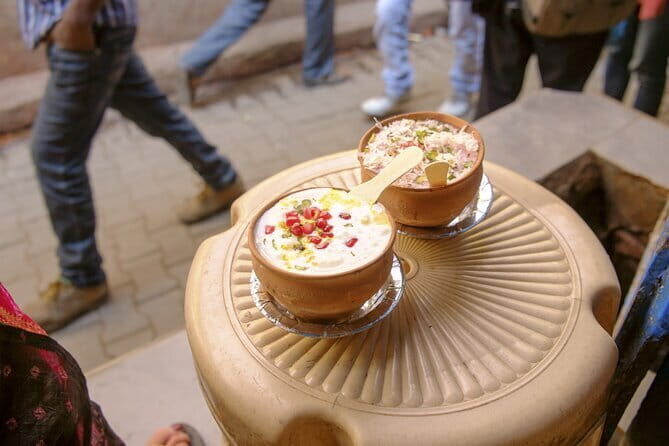
You’ll then visit Chousatti Ghat, with a stop at Chausatti Devi Temple. The temple is presented as a chance to connect with the divine feminine energy and to experience Varanasi’s spiritual culture through that lens.
This is a nice balance after Shiva-focused stops. The walk gives you multiple entry points into how locals interpret the sacred. You’re not trapped inside one school of devotion for the entire morning.
Also, ghat-area temples often come with their own atmosphere—smaller than the biggest famous sites, but more immediately human. It’s the kind of place where you can feel daily devotion without needing big ceremony overhead.
Lahiri Mahasaya Samadhi: a yoga lineage stop with context
The final stretch includes Lahiri Mahasaya Samadhi. Lahiri Mahasaya—also known as Mahavatar Babaji—is described as a prominent figure in the lineage of Kriya Yoga, and a key disciple of Babaji.
This stop adds another dimension to the tour: not just Hindu ritual sites and temple lanes, but a spiritual lineage connected to yoga practice. Even with the short time listed (about 10 minutes), the guide’s explanations matter here. It helps you connect the idea of samadhi—deep spiritual realization—with why a site like this is visited and respected.
If you like your travel with at least one “spiritual but human” stop, this is a strong closer.
Coffee, timing, and the practical stuff that affects comfort
The tour includes coffee and/or tea, which is a thoughtful inclusion for a morning walk. It’s not a meal replacement, but it helps take the edge off before you head back out into the city.
Since breakfast and lunch are not included, you’ll want to eat before you go (or plan a meal right after). Starting at 9:00 am means you’ll likely feel hungry by the time you wrap up—especially if you’re also tempted by nearby food stalls during the walk.
What to expect physically: it’s a walking tour, and it includes narrow streets, markets, and busy ghat edges. Most people can participate, but you should be honest about your stamina and comfort in crowds.
Group size matters here too. With up to 20 people, you’re less likely to get separated than on larger tours, and you can follow along when the guide steers you around bottlenecks.
Price and value: why this is worth $30 (and when it’s not)
Let’s talk value the plain way. You’re paying $30 for a guided, multi-stop heritage walk in central Varanasi. That price includes:
- a local guide (English and Spanish available)
- coffee/tea
- a structured route through major ghats and temple spaces
- the chance to see both the famous and less-touristic reality of modern Varanasi through storytelling
Admission at the listed stops is shown as free (at least for what’s included in the tour plan). That doesn’t mean there are no costs in the area, but it does reduce “surprise ticket” fees.
When it’s worth booking: if you’re a first-time visitor who wants orientation fast, and you like understanding what you’re seeing instead of just snapping pictures, this fits well. It’s also great for people who want a guided introduction to both funeral-ritual context and temple life—because the guide can set tone and explain meaning.
When it might not fit: if you want a purely upbeat, scenic morning, the funeral-ritual stop may not match your mood. Also, if you hate shop stops or any chance of sales pressure, you may want to communicate that early so the guide can manage expectations.
Final verdict: should you book this Varanasi heritage walk?
Yes—if you want a grounded introduction to Varanasi that mixes ghats, Shiva temples, and real city rhythms in just 3 hours. The small group size, the Pintu-led storytelling, and the inclusion of tea/coffee make it feel like a thoughtful way to spend a morning rather than a hurried checklist.
I’d skip or approach cautiously if you’re sensitive to funeral ritual scenes, or if you strongly prefer shopping-free tours. Otherwise, this is a solid first step into Varanasi that helps you see the city with clearer eyes.
If you’re thinking about pairing other experiences, it can also be useful to ask Pintu about add-ons like boat outings or evening ceremonies. Some people who book this walk also plan other guided moments with the same local guide.
FAQ
How long is the Varanasi half day south and north heritage walking tour?
It lasts about 3 hours.
What time does the tour start?
The start time is 9:00 am.
Where does the tour begin and end?
It begins at Hotel Ganges Grand, front of Marwari Hospital Building, Dashashwamedh Ghat Rd (Godowlia, Varanasi) and ends back at the meeting point.
What’s included in the price?
The tour includes coffee and/or tea and an in-person English and Spanish guide.
What language options are available?
The guide can be in English and Spanish.
Is admission required for the stops?
The listed stops show admission ticket free.
Is breakfast or lunch included?
No. Breakfast, lunch, and dinner are not included.
How many people are in the group?
The tour has a maximum of 20 travelers.