REVIEW · VARANASI
Varanasi: Ancient ghat walk tour with local guide
Book on GetYourGuide →Operated by Incredibile kashi tour · Bookable on GetYourGuide
A river walk in Varanasi turns into a history lesson. This private ghat tour threads together Assi Ghat, Dashashwamedh, and several temples so you get the spiritual meaning behind what you’re seeing. I especially like the way the guide ties each stop to stories you can actually remember, and I love the practical pacing of a local guide who can adjust the visit. One drawback to know up front: this is a walking tour, and it is not suitable for wheelchair users or people over 95.
You’ll start near food and coffee (Pizzeria Vaatika Cafe), then move into the sacred maze by the Ganges. The best part is that the tour doesn’t feel like a checklist; it feels like someone showing you how the city thinks about faith, family, fertility, and even death, one ghat at a time. If you’re expecting a quiet, museum-style experience, this won’t match that mood.
In This Review
- Key things to know before you go
- Assi Ghat to Dashashwamedh: a 2-hour ghat walk with real context
- Lolark Kund: the fertility well that changes how you read the streets
- A Jain Temple stop: a reminder Varanasi isn’t only one faith
- Durga Kund (Monkey Temple): the red temple you’ll remember
- Kedareshwar Ghat and Kedar Ghat: Shiva’s presence in the river zone
- Harishchandra Ghat: an old cremation ghat with strict emotional rules
- Dashashwamedh Ghat and Manikarnika Ghat: the big river stages
- Price and logistics: why $26 can still feel like good value
- What’s included on the walk, and what you provide
- Tips for a respectful, smooth experience (especially at cremation ghats)
- Should you book this Varanasi ghat walk?
- FAQ
- Where does the tour start and end?
- How long is the tour?
- Is this a private tour?
- Which places and ghats are included?
- What’s included in the price?
- Do I need to bring ID?
- What about Ganga Aarti?
Key things to know before you go
- Assi Ghat starts you in a calmer zone, before you reach the bigger, more famous ghats
- Lolark Kund and the fertility story give the walk a meaning beyond views
- Durga Kund (Monkey Temple) adds a striking red temple stop tied to Goddess Durga
- Kedareshwar/Kedar Ghat is the Shiva connection for Kashi devotees
- Harishchandra and Manikarnika are serious cremation ghats, so respectful distance matters
- If it’s evening, you can stay for Ganga Aarti right after the riverfront sightseeing
Assi Ghat to Dashashwamedh: a 2-hour ghat walk with real context
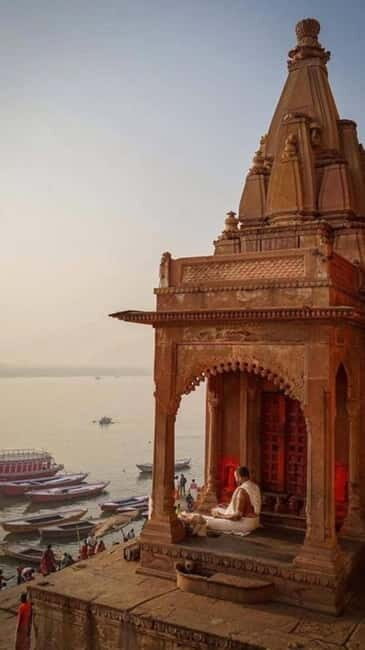
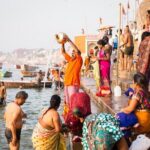
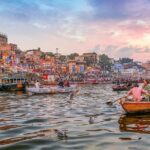
Varanasi’s ghats look simple from a distance. Up close, they’re not. Each step along the river carries a different job in the city’s spiritual life, and the tour makes that difference click fast.
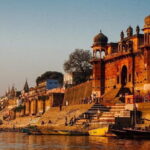
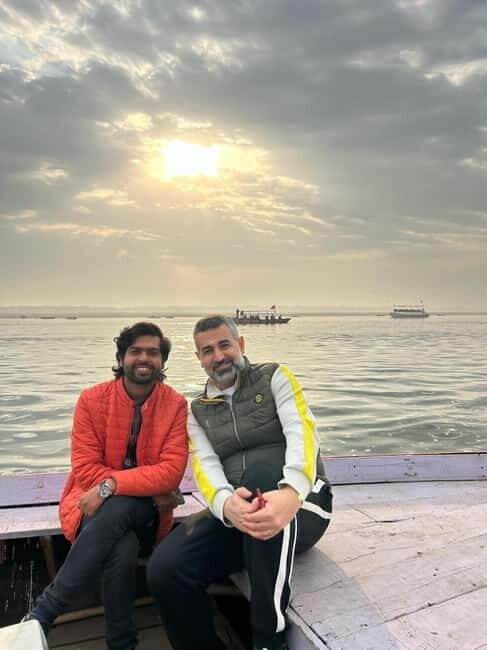
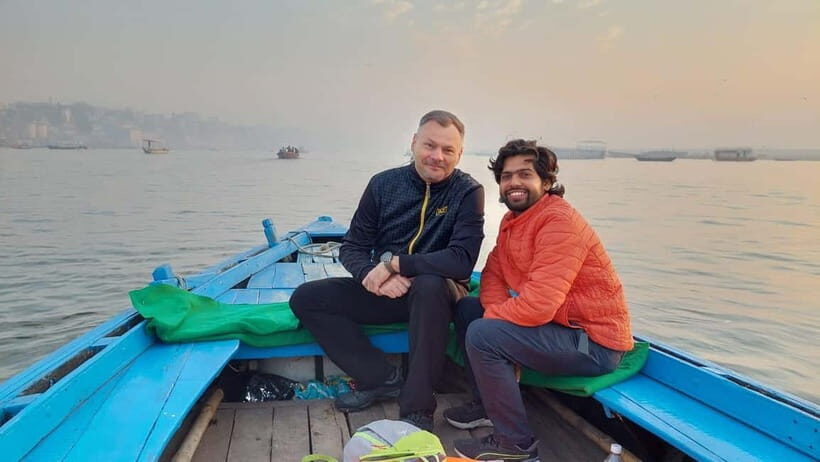
You’ll begin at Pizzeria Vaatika Cafe, then head to Assi Ghat. This is a smart start if you want to get your bearings fast, because Assi is described as serene and less crowded. From there, the walk grows more “Varanasi” with each turn—temples, small sacred corners, and the long river views that pull your attention back to the water again and again.
This is also a private group tour, which matters more than you’d think in a city like Varanasi. A small group means the guide can keep the pace steady, answer questions, and point out what you’d miss if you wandered alone. People who did the tour with guides like Anmol and Prassan particularly liked how the guides explained what they were seeing and adjusted the visit when needed.
You can also read our reviews of more walking tours in Varanasi

Lolark Kund: the fertility well that changes how you read the streets
One of the first meaningful stops is Lolark Kund. This sacred well is associated with fertility and blessings, so it’s not just a photo stop. The guide frames it as part of how people approach hope and healing in daily life, which makes your visit feel more grounded than “another monument.”
You’ll get darshan, and you can take photos where appropriate. Even if you’re not the type to care about temple symbolism, the well gives you a new lens: in Varanasi, spiritual ideas aren’t tucked away in quiet buildings. They’re woven into public space.
A practical note: this kind of stop can draw a crowd for prayers and short rituals. Go with a calm mindset and keep your movements respectful. The reward is that you’ll understand why people pause here instead of walking right past.
A Jain Temple stop: a reminder Varanasi isn’t only one faith
After Lolark Kund, the route includes a Jain Temple stop. This matters because Varanasi is often described as Hindu first and everything else second, but a good ghat walk shows you the religious variety that exists right where people live and pray.
I like having this checkpoint in the itinerary because it interrupts any feeling that you’re repeating the same temple theme. A Jain stop also helps you notice the different ways faith expresses itself through architecture, icon details, and worship styles, even when you’re standing in the same river district.
Durga Kund (Monkey Temple): the red temple you’ll remember
Next comes the famous Durga Temple area, known as Durga Kund Temple, also called the Monkey Temple. The highlight here is the temple’s striking red color and its association with Goddess Durga.
This stop does two things well:
1) It gives you a visual anchor that’s easy to describe later.
2) It deepens the spiritual thread by shifting from fertility symbolism to protection and devotion.
As you explore, the guide’s job is to connect what you’re seeing to the meaning people attach to it. If you like stories and how symbols function in real life, this is one of the most satisfying parts of the walk.
Kedareshwar Ghat and Kedar Ghat: Shiva’s presence in the river zone
From Durga Kund, you move toward Kedareshwar Ghat (also referenced as Kedar ghat in the route description). This is where Lord Shiva enters the story in a strong way.
For Kashi devotees, this site is revered. So instead of treating it like another scenic corner, the tour encourages you to see it as a place where belief and daily routine overlap. The architecture and the spiritual ambiance are part of why people keep returning to this stretch.
I like this stop because it balances the intensity of other ghats. You still feel the sacred atmosphere, but the focus shifts to a clear devotion theme—Shiva—and it gives your mind somewhere to rest before the heavier moments downstream.
You can also read our reviews of more guided tours in Varanasi

Harishchandra Ghat: an old cremation ghat with strict emotional rules
One of the most sensitive stops is Harishchandra Ghat, described as one of the oldest cremation ghats of Varanasi. The tour doesn’t ask you to treat this as entertainment. You observe rituals from a respectful distance.
This is where your guide’s presence really matters. You’re walking through a working spiritual landscape, not a staged attraction. Even if you’re curious about the practices, you’ll get the best experience by keeping your behavior quiet, your gaze respectful, and your questions gentle.
The payoff is that Harishchandra Ghat changes your understanding of Varanasi fast. You stop seeing it as just a sightseeing destination and start seeing it as a place where life and death are discussed openly, with a spiritual framework people take seriously.
Dashashwamedh Ghat and Manikarnika Ghat: the big river stages
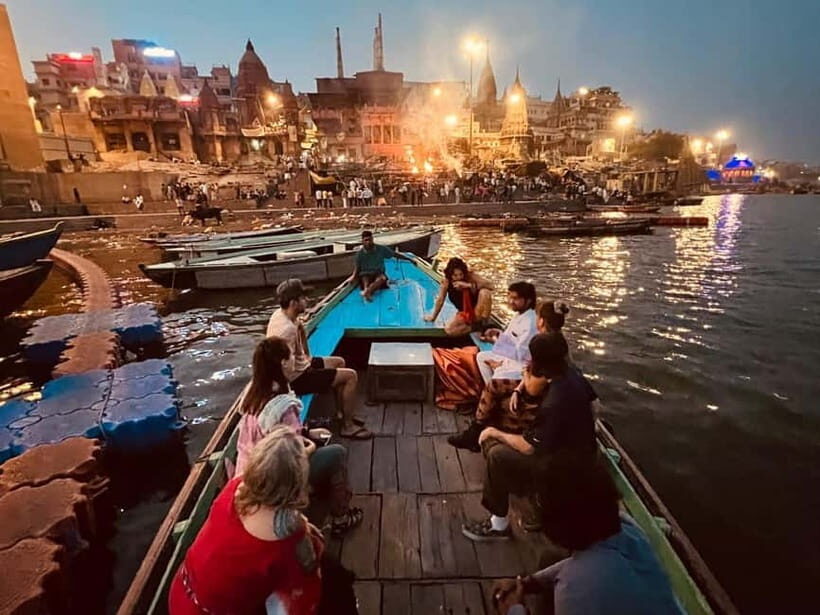
As the walk continues, you reach Dashashwamedh Ghat, described as the most famous ghat in Varanasi. This is where you’ll see the riverfront life most clearly, and the tour also includes time for nearby market exploration around this area.
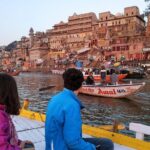
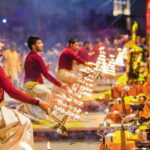
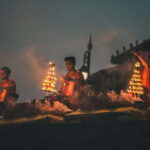
If your timing works out in the evening, the route encourages you to stay for the Ganga Aarti. I recommend doing that when offered, because it’s one of the few ways to see how the river becomes a focal point for collective devotion rather than just a backdrop.
Then you move toward Manikarnika Ghat. This is also listed as part of the guided experience, and it’s another cremation-related ghat area. Again, the key is the same: observe with respect. This is not the place for loud conversations or casual staring.
If you’re sensitive to emotional scenes, give yourself permission to move slowly and keep some distance. You’re here to understand, not to “collect” dramatic views.
Price and logistics: why $26 can still feel like good value
The price is $26 per person for about 2 hours, and that’s a reasonable deal if you use what’s included. You get an experienced local guide, temple entry, bottled water, and chai/coffee. You also get skip the ticket line support, plus a walking route packed with multiple named stops along the ghats and temple areas.
Where this becomes good value is in the guide factor. Someone like Anmol or Prassan (names you may hear on similar tours) isn’t just pointing. They’re explaining, answering questions, and—based on real feedback—can even accommodate special needs and customize the visit. One person noted their guide helped arrange an additional major temple visit that wasn’t part of the original plan, which shows the guide approach can be flexible when it counts.
You’ll still want to plan on paying for meals and personal expenses yourself. But for a two-hour, private, guided spiritual walk with entry and refreshments included, the math tends to work.
What’s included on the walk, and what you provide
Here’s the practical breakdown based on the tour details:
- Included: temple tour, experienced local guide, temple entry, bottled water, chai/coffee
- Not included: meals and personal expenses
- Languages: Italian, Hindi, English (so you should be able to pick a comfortable communication lane)
One important “bring this with you” item: carry a copy of your ID or passport. That’s not the kind of detail you want to discover at the last second.
Also, the route is not listed as suitable for wheelchair users, and it’s not suitable for people over 95. If you’re in that range, you’ll likely be happier with a different style of tour that avoids longer walking.
Tips for a respectful, smooth experience (especially at cremation ghats)
This walk gives you access to places that can feel intense. The guide helps you handle that intensity in a grounded way, but you can also do your part.
A few common-sense habits help:
- Keep your voice low near Harishchandra and Manikarnika. This isn’t a photo-shoot zone.
- Ask questions politely, and accept short answers. If the guide says you should step back, follow that.
- Wear comfortable walking shoes. It’s a walking tour, and the whole point is getting your feet under you along the river.
- If you’re interested in the Ganga Aarti, time your evening accordingly. The tour strongly encourages it when it’s available in your schedule.
One more small but real tip: since your route includes multiple temples and sacred corners, you’ll appreciate going in with a flexible mindset. You’re not just looking; you’re learning how Varanasi frames daily life through devotion.
Should you book this Varanasi ghat walk?
I think you should book if you want a 2-hour Varanasi experience that’s more than just river views. This tour makes sense when you care about meaning—why people pray at Assi Ghat, what the story behind Lolark Kund teaches, and how Shiva and Durga fit into the city’s spiritual rhythm. It also helps if you want an English/Italian/Hindi guide who explains what you’re seeing instead of leaving you to guess.
Skip it if you want a long, leisurely tour with lots of sitting breaks, or if you’re uncomfortable with cremation-visit areas where you’ll be asked to observe from a respectful distance. And if mobility is a concern, this route is not designed for wheelchairs.
If your goal is to understand Varanasi in a compact time window—without getting lost and without missing key spiritual stops—this is a strong choice.
FAQ
Where does the tour start and end?
The tour starts and ends at Pizzeria Vaatika Cafe.
How long is the tour?
It lasts 2 hours.
Is this a private tour?
Yes, it’s listed as a private group.
Which places and ghats are included?
The walk includes Assi Ghat, Lolark Kund, Durga Kund (Monkey Temple), Kedareshwar Ghat / Kedar ghat, Harishchandra Ghat, Dashashwamedh Ghat, and Manikarnika Ghat. A Jain Temple stop is also part of the route.
What’s included in the price?
You get an experienced local guide, temple tour, temple entry, bottled water, and chai/coffee. Ticket line skipping support is included as well.
Do I need to bring ID?
Yes. You should carry a copy of your ID or passport.
What about Ganga Aarti?
If your tour timing is in the evening, you can stay for the Ganga Aarti, which is highly recommended.