REVIEW · VARANASI
Tourist Guide English & Spanish Varanasi/Benares
Book on GetYourGuide →Operated by GUÍA TURÍSTICO EN VARANASI · Bookable on GetYourGuide
Two hours in Varanasi feels like a whole story. This tour strings together ghats, temples, and river ceremonies with an English/Spanish guide—so you’re not just sightseeing, you’re understanding what you’re seeing.
I especially like the way the day is built around the Ganges. You get river views early, then you shift to the famous Ganga Aarti moment in a way that helps you connect the city’s spirituality to its waterfront life. I also like the guide experience: when you’re in English or Spanish, the explanations land fast and clearly.
One consideration: the schedule is packed, and parts of the cremation ghats can be intense. If you prefer a slower, quieter pace, this one might feel a little rushed at times.
In This Review
- Key highlights worth planning around
- Why this 2-hour mix of walking and boat ride makes sense
- Meeting at Hotel MRK on Dashashwamedh Road (and why it matters)
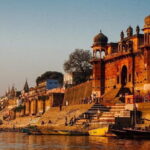
- Sunrise ghats: Dashashwamedh, Harishchandra, Assi, and Namo
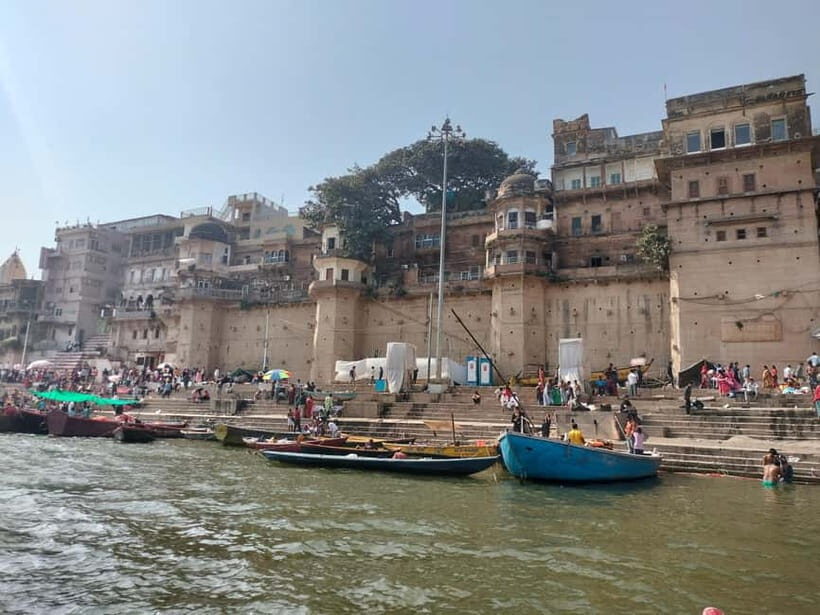
- The Ganges boat ride and Ganga Aarti from the water
- Manikarnika and Raja Harishchandra ghats: where the reality is visible
- Temples on the old-city route: Kashi Vishwanath, Hanuman, and the Nepali Mandir
- Akhara Goswami Tulsidas and the essential-oil tea break
- Lolark Kund and the cluster of riverfront meaning
- Silk handlooms and the workshop world behind Varanasi
- Breakfast and drinks: banarasi food without turning it into a detour
- Price and Logistics: what $16 really buys you
- Who should book this tour (and who might not love it)
- Should you book this Varanasi English & Spanish guide tour?
- FAQ
- How long is the tour?
- What languages are available?
- Is the boat ride included?
- What’s included for food and drinks?
- Where is the meeting point?
- Are entrance tickets included?
Key highlights worth planning around
- Ganges boat time timed for sunrise views and the river’s daily rituals
- Ganga Aarti from the water, with help getting good sightlines
- Walk stops focused on major ghats, including Manikarnika and Harishchandra
- Temple variety in the old city, from Hanuman shrines to the Nepali Mandir
- Silk-handloom workshop visit in the wider weaving craft scene
- Free banarasi breakfast plus tea/coffee and mineral water to keep you going
Why this 2-hour mix of walking and boat ride makes sense
Varanasi can overwhelm you. The street sounds, the crowds, the smell of incense and cooking, and the constant motion of people moving toward the river. What I like about this experience is that it gives your brain structure: walk one side of the story, then let the boat show you the other.
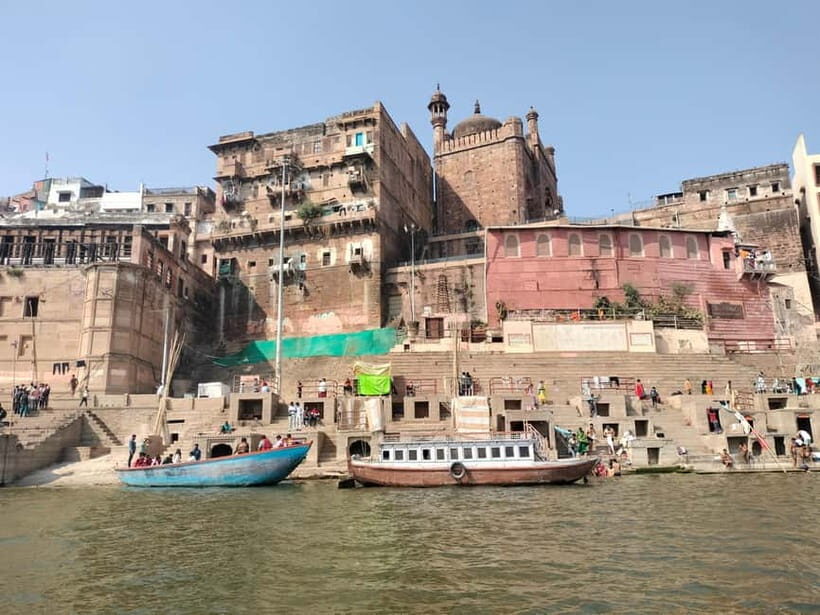
You’re doing two different kinds of “seeing.” On foot, you catch the tight details—temples, small shrines, and the way life clusters around the ghats. On the water, you see the city’s layout from a different angle, and you understand why the Ganges is the center of it all. You’ll feel the rhythm more than you’d get from a simple photo stop.
You can also read our reviews of more guided tours in Varanasi
Meeting at Hotel MRK on Dashashwamedh Road (and why it matters)
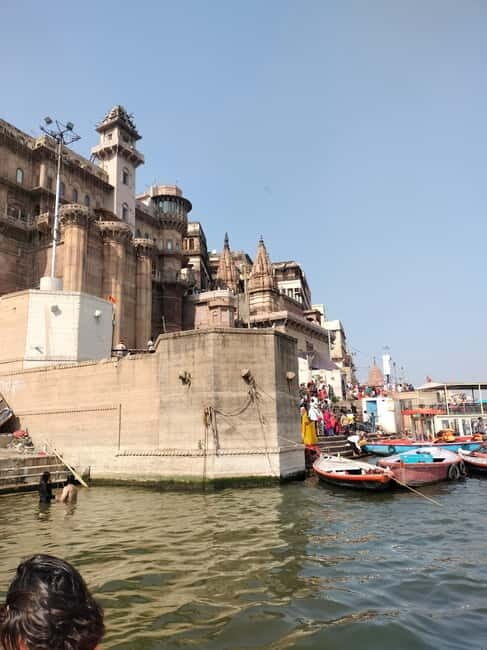
Your starting point is practical and specific: below Hotel MRK on Dashashwamedh Road, near the Bank of Baroda ATM. That’s helpful because Varanasi landmarks can be confusing, especially in busy areas around the ghats.
If your hotel is close to the meeting point, pickup may be free. If it’s farther away, you should expect that vehicle transport isn’t included and you may need to arrange it yourself. Also note: the tour can end back at Hotel MRK or at Hotel Ganges Grand – Varanasi, depending on your drop-off.
Quick tip: if you’re unsure where you’ll be waiting, message the host in advance and confirm the exact spot. One traveler’s comment hit the mark here—getting the meeting point right avoids losing time when you’re trying to catch the best river timing.
Sunrise ghats: Dashashwamedh, Harishchandra, Assi, and Namo
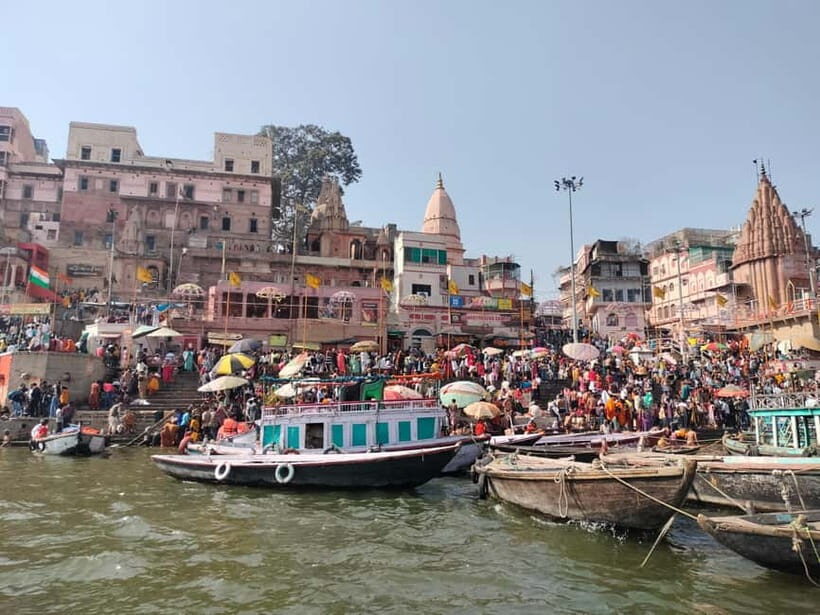
The tour’s early focus is the waterline. You start with Dashashwamedh Ghat—a short stop for photos and orientation—then you move along to other major ghats with guided time built in.
Here’s how it tends to unfold:
- Dashashwamedh Ghat (about 10 minutes): quick photo stop and a guided look at the area’s significance.
- Harishchandra Ghat (about 30 minutes): more time here so you can notice what changes from one ghat to the next.
- Assi Ghat (about 20 minutes): another key riverfront stop, giving you that sense of “this city is arranged around the Ganges.”
- Namo Ghat (about 30 minutes): more guided walking and viewing along the river edge.
What I like is the balance between movement and lingering. You’re not stuck in one place long enough to get bored, but you also get enough time to notice patterns: where people pray, where they gather, and how ritual life shapes the landscape. And because it’s guided, you’re less likely to see it as chaos and more likely to see it as routine with meaning.
The Ganges boat ride and Ganga Aarti from the water
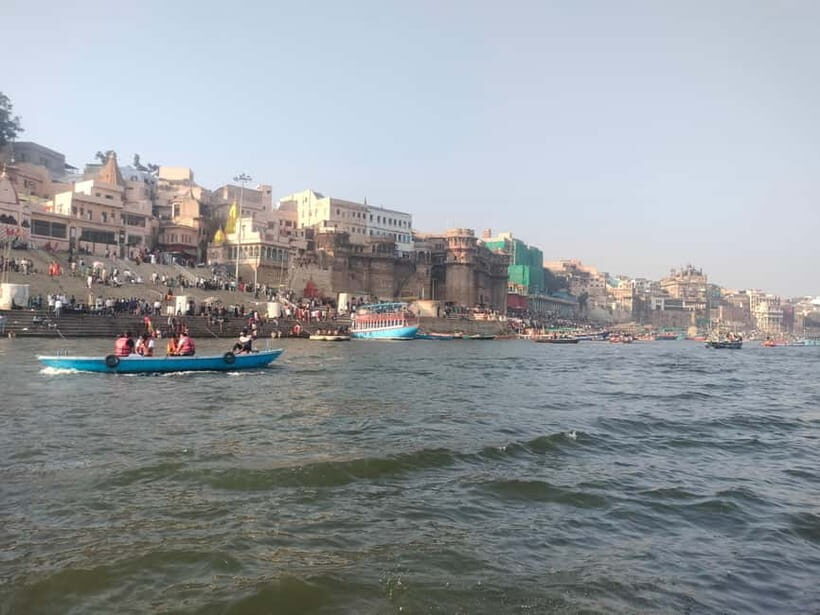
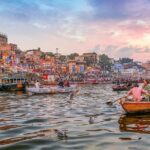
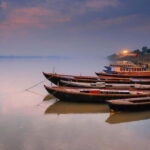
Boat rides are how Varanasi “clicks” for a lot of people. This tour includes a boat ride, and it’s scheduled around the moments you’ll remember: early river atmosphere and the Ganga Aarti experience.
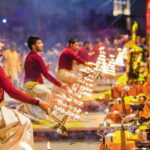
You’ll spend time at Ganga Aarti Kashi Varanasi during the tour (about 1 hour), and you’re set up to experience the ceremony from the river. That’s the key detail. Watching the Aarti from the water changes the scale: the lamps, the chanting energy, and the ghats lining up behind it all feel more connected.
A practical note: the Aarti can be visually demanding. One of the strongest pieces of feedback I saw was that guides help you land good seats. If you’re booking, treat that as part of the value you’re paying for—your guide’s local awareness matters when crowds and sightlines get tight.
Manikarnika and Raja Harishchandra ghats: where the reality is visible
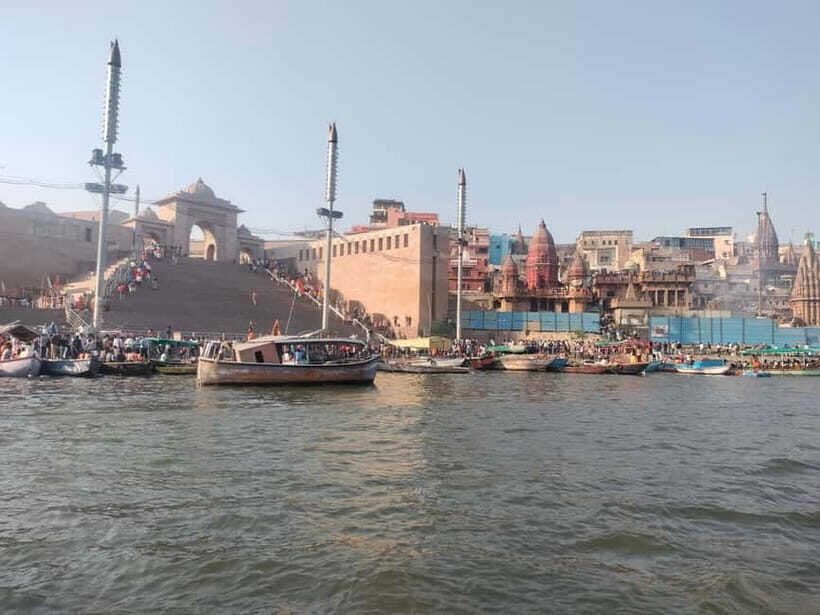
No part of Varanasi is more emotionally honest than the cremation ghats. This tour walks through the riverfront areas where cremations take place, including Manikarnika Ghat and Raja Harishchandra Ghat (both listed as major cremation locations).
There’s also Kedar Ghat mentioned as a key place for pilgrims to take ritual baths. Even if you don’t slow down for a long devotional pause, passing through these ghats helps you understand something important: this isn’t a city that separates grief, prayer, and daily life. The river handles all of it.
One consideration I won’t soften: cremation scenes can be intense to witness. If you’re sensitive to death rituals, decide before you go whether you want to look closely or keep your eyes on your footing and stay respectful from the edge of the moment. A guided explanation helps, but it won’t erase the emotional impact.


Temples on the old-city route: Kashi Vishwanath, Hanuman, and the Nepali Mandir
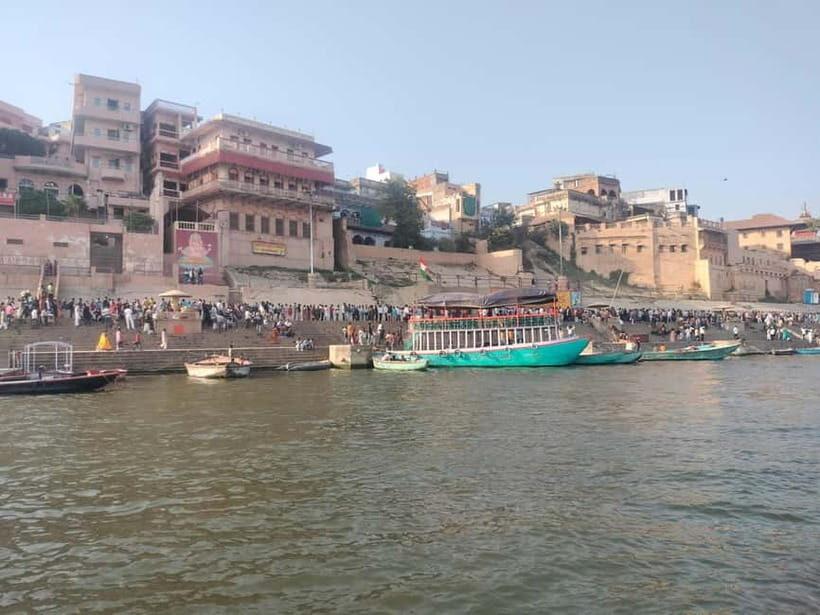
After you’ve spent time with the river’s public life, the tour turns to the old-city religious architecture. You’ll hit several temples and shrines with guided stops, including (at the times listed in the route plan):
- Shri Kashi Kaamkoteeshwar Mandir (about 10 minutes)
- Maa Tara Devi Temple (about 30 minutes)
- Durga Bari Temple (about 15 minutes)
- Chousatti Temple (about 15 minutes)
- Shri Kashi Vishwanath Temple (about 15 minutes)
- Nepali Temple (about 30 minutes)
The Nepali Temple is especially memorable because it’s described as having carvings that reference scenes from the Kamasutra tradition. That detail matters because it shows you another side of the city’s approach to religion: it’s not all austerity and fasting. It’s also art, storytelling, and cultural meaning pressed into stone.
You also get Hanuman Mandir time in the route. Hanuman shrines are a helpful anchor point in a city full of gods—once you recognize the devotional tone, you can follow what the guide is pointing out without getting lost.
Akhara Goswami Tulsidas and the essential-oil tea break
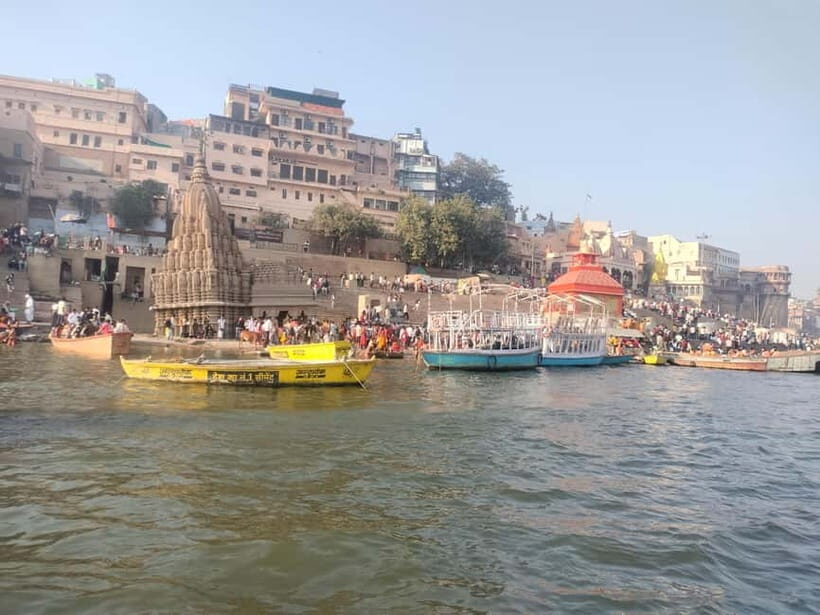
One of the more interesting stops isn’t a temple at all—it’s a traditional gym/akhara setup, specifically tied to Akhara Goswami Tulsidas on the schedule (about 30 minutes).
This is where the tour adds texture beyond landmarks. You’re likely to hear about aromatherapy and essential oils during the tea break, and you’ll take in a different kind of Varanasi knowledge: not just sacred sites, but how people practice daily spiritual or wellness ideas in the local tradition.
Why I think this part is good value: it slows the pace just enough to give you a mental breather, and it shows you that Varanasi isn’t only about crowds and ceremonies. There’s also craftsmanship, training traditions, and everyday ritual culture feeding the city’s spirituality.
Lolark Kund and the cluster of riverfront meaning
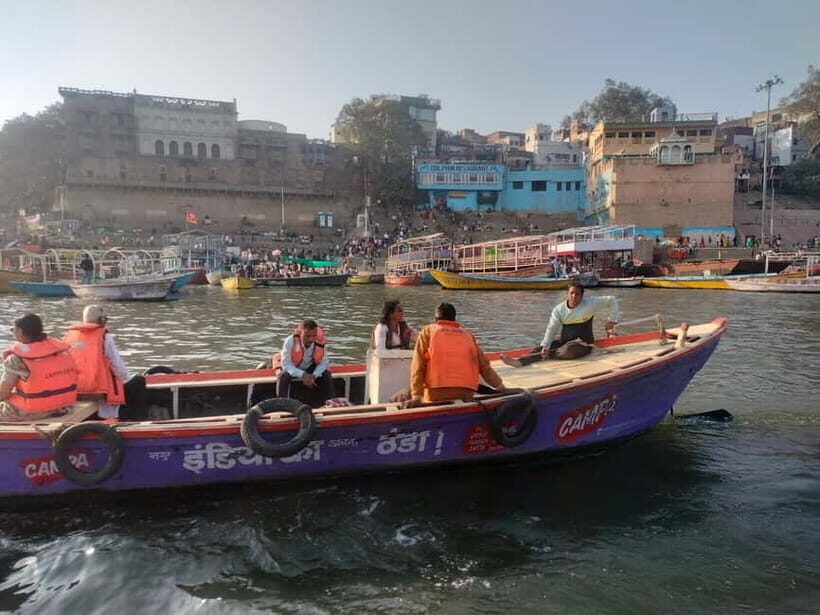
Lolark Kund is listed as a photo stop and guided visit (about 30 minutes). In a city where so many places are connected to water, a “kund” type stop fits the pattern: it’s another way the river and sacred energy are treated as part of the city’s physical design.
What you should do with stops like this: ask your guide what makes it important in the local worldview. A well-timed explanation turns a photo spot into a story you’ll keep. Without that context, it’s easy to walk right past something that’s meaningful to people who live there.
Silk handlooms and the workshop world behind Varanasi
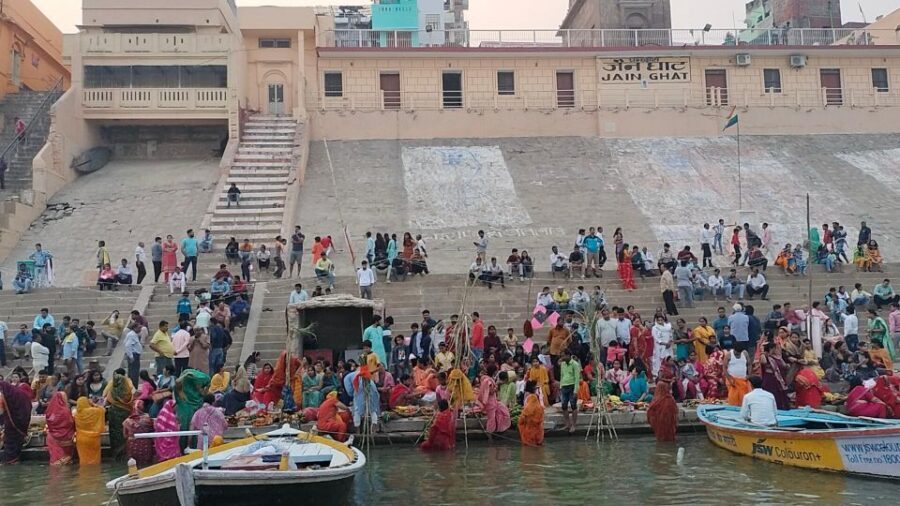
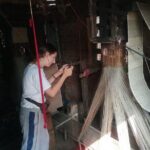
One highlight you shouldn’t skip is the visit to a weaving workshop. The tour includes time at one workshop out of the 270 workshop ecosystem where Varanasi silk is made on handlooms, following Mughal designs.
That craft stop is one of the best “value” moves in this experience because it connects the city’s glamour to actual work. You’re not just seeing finished cloth; you’re getting a window into production and the kind of skilled repetition that makes a material famous.
This is also the kind of stop that fits well into a short tour. In just one visit, you get a sense of why Varanasi is a destination for textiles, not only for ceremonies. And if you’re the type who likes to buy something with a story, this is where your money can feel more grounded.
Breakfast and drinks: banarasi food without turning it into a detour
The tour includes local breakfast described as banarasi, plus tea, coffee, and mineral water for free during the experience. That matters because it keeps your energy steady during a schedule that moves from ghats to temples to workshop time and back.
There’s also a planned stop for lassi, including a Blue Lassi Shop stop (about 30 minutes). The lassi is described as being served in a clay cup, which adds a local touch and makes the drink feel tied to the place rather than like a tourist add-on.
I like that the food and drink moments aren’t treated as random freebies. They’re placed where they make sense: when you’ve walked enough to appreciate a break, the tour gives you one without extending the whole day.
Price and Logistics: what $16 really buys you
At $16 per person for a 2-hour experience, the real question is what’s included versus what you’d pay if you tried to stitch it together yourself.
Here’s what you’re getting for the price:
- A guided walk through important areas of old Varanasi
- A boat ride included
- Local breakfast (banarasi)
- Tea, coffee, and mineral water included
What you might still pay extra for:
- Entrance tickets are not included
- Vehicle transport is not included (unless you’re close enough for a possible free pickup)
For many visitors, the boat ride + breakfast combo is what makes the price feel fair. If you were to book boat time and then hunt down breakfast separately, costs add up fast. So this looks like good value if you’re trying to get oriented quickly and see the ceremonies in the right order.
Who should book this tour (and who might not love it)
This tour is a strong match if you want:
- English or Spanish guidance while you’re walking through the old city
- A guided path that links ghats, temples, and river ceremonies
- A short, organized format instead of trying to plan your own route around the river
It may be less ideal if:
- You’re not comfortable with the emotional intensity of cremation ghats like Manikarnika
- You prefer a slow pace with long pauses for reflection rather than a structured sequence of stops
Also, don’t expect total privacy. One traveler’s experience included sharing the tour with another group member, so you should assume it can be shared depending on how many people book.
Should you book this Varanasi English & Spanish guide tour?
I’d book it if you want a guided “first connection” to Varanasi without spending your whole trip figuring out where to go and what you’re looking at. The mix of river boat time and temple + workshop stops keeps it from becoming one-note sightseeing.
I’d also book it if multilingual support matters to you. Guides like Pintu are highlighted as speaking both English and Spanish with clear explanations, and Dheeraj is noted for Spanish as well. That kind of language skill changes how much you take in, especially around ceremonies.
My final nudge: go with respect and patience. If you’re open to seeing both the sacred and the real—temples and cremation ghats, art and daily craft—this tour gives you a lot of meaning in two hours.
FAQ
How long is the tour?
The duration is 2 hours.
What languages are available?
The live guide is available in English, Spanish, and Hindi.
Is the boat ride included?
Yes. The boat ride is included in the experience.
What’s included for food and drinks?
Tea, coffee, and mineral water are free during the tour, and local breakfast (banarasi) is included.
Where is the meeting point?
The meeting point is below Hotel MRK in Dashashwmedh road near the Bank of Baroda ATM machine.
Are entrance tickets included?
No. Entrance tickets of monuments are not included.