REVIEW · VARANASI
City of good life walk (South Varanasi Walk)
Book on Viator →Operated by Roobaroo Walks · Bookable on Viator
Varanasi feels calmer when you walk south. This morning South Varanasi walk (about 3 hours) trades the usual frantic riverfront routine for daily rituals, temple atmospheres, and working crafts. I especially like the local guide storytelling and the chance to start with breakfast before the city noise ramps up again. One consideration: you’ll still be walking in an active, old-city area, so comfortable shoes and a flexible mindset help.
You meet at Subah-e-Banaras, Assi Ghat (Shivala area) and finish back around Shivala, so it’s easy to slot into a full Varanasi day. The group stays small (up to 12), and you get a mobile ticket, which is simple if you don’t want to deal with paper. If you only want the biggest, most famous sights, this may feel more like a neighborhood experience than a checklist.
In This Review
- Quick highlights I’d plan around
- South Varanasi: trading the loudest river views for real routines
- Meeting at Assi Ghat and setting the pace for a 3-hour morning
- Breakfast first: how included food changes the whole tour
- What you’ll actually see on the South Varanasi route
- A small reality check
- Why the 2,500-year-old pilgrimage angle matters (and how to use it)
- Pairing with a sunrise boat cruise: turning one morning into a full Ganges moment
- Price and value: what $39.08 buys you (and what to watch for)
- Who this South Varanasi walk is best for
- Should you book the City of Good Life Walk?
- FAQ
- How long is the South Varanasi walk?
- Where do I meet and where does the tour end?
- What’s included in the price?
- Is the ticket mobile?
- What group size should I expect?
- Do I need good weather?
- Can I cancel for a full refund?
Quick highlights I’d plan around
- Small group size (max 12): less crowd pressure, more time for your questions.
- Breakfast included: you start grounded, not hungry, and the morning feels more local.
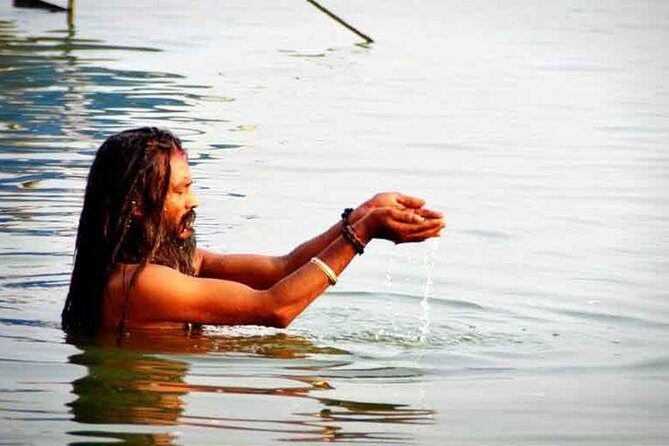
- South Varanasi focus: calmer vibe linked to philosophers and poets, not the busiest tourist lanes.
- Hands-on cultural stops: you’ll see community yoga, classical music, traditional wrestling, and artisan handlooms.
- Old pilgrimage layers: you’ll hear about 2,500-year-old pilgrimage traditions and the places that still matter.
- Pairable with a sunrise boat cruise: turn the walk into a fuller Ganges experience.
South Varanasi: trading the loudest river views for real routines
South Varanasi is often described as the calmer part of the city, and that matches the feel of this walk. Instead of centering your morning only on the most famous ghats, you focus on how people actually live: going about practice, worship, music, craft, and community life.
This matters because Varanasi can hit you like a sensory storm. A morning route like this gives you context for what you’re seeing later. When you understand the rhythm—morning practice, temple presence, local artisans at work—the river stops looking like a single spectacle and starts looking like part of a long daily system.
The walk also carries a specific tone: serene temple ambiences, yoga in public spaces, and quiet focus around religious sites that have influenced pilgrims for centuries. You’re not just viewing spirituality from the edges. You’re learning how it’s woven into normal time.
You can also read our reviews of more walking tours in Varanasi



Meeting at Assi Ghat and setting the pace for a 3-hour morning
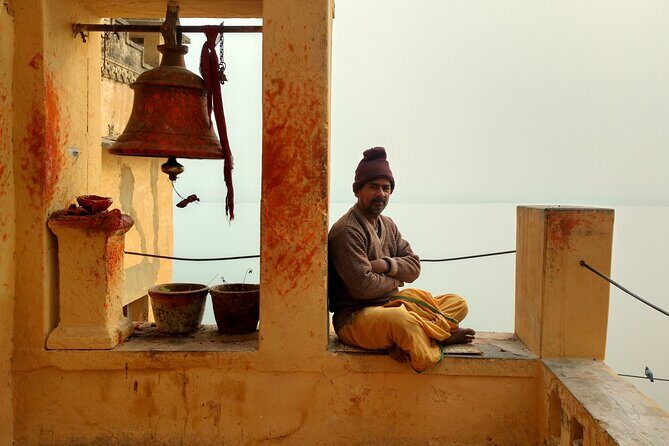
The tour starts at Subah-e-Banaras, Assi Ghat (Shivala, Varanasi). That’s a practical detail: Assi is easier to build around for many itineraries than some deeper ghats, and it places you in the south-side orbit early.
From there, you’ll be walking for about 3 hours. That’s short enough to do without wiping yourself out, but long enough to actually notice how neighborhoods shift block by block. Keep expectations realistic: you’re not sprinting between monuments. You’re moving steadily through local spots, pausing to watch and listen.
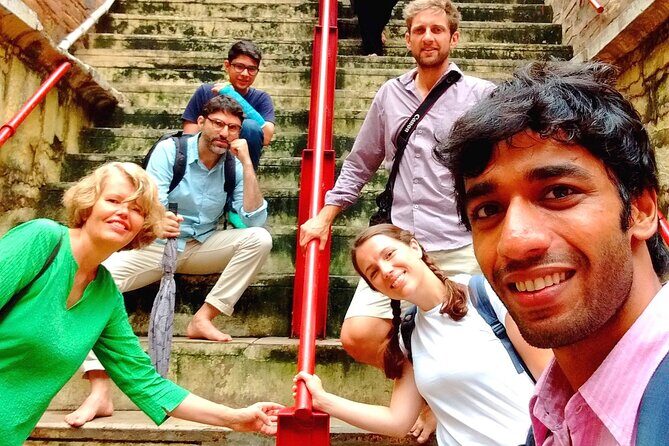
The small group helps a lot here. With a maximum of 12 people, the guide can slow down when questions come up, and you’re not just being herded past the interesting parts. If you’re the type who likes to ask why something is done a certain way, this setup plays to that.
Breakfast first: how included food changes the whole tour
Breakfast is included, and I think it’s one of the smartest choices in the whole format. Food at the start does two things. First, it keeps the morning relaxed instead of turning into a hunt for something to eat mid-walk. Second, it creates an early sense of place—because the city’s routines often make more sense when you’re not rushed.
You’re also more likely to connect with the day’s tone. A morning walk in Varanasi is not just sightseeing; it’s a schedule of living traditions. When you start with breakfast, you’re already in that mode: soft attention, not adrenaline.
If you’re sensitive to heat or stomach surprises, this is still something to take seriously in Varanasi. The good news is that breakfast is planned as part of the experience, so you’re not improvising on an empty stomach while trying to keep up with a group.
What you’ll actually see on the South Varanasi route
This walk is structured around themes rather than just photo stops. You’ll get up close with a mix of spiritual and everyday scenes—things that usually don’t fit neatly into a typical “temples and ghats” itinerary.
Here are the standout elements you should expect to notice:
Community yoga and practice in motion
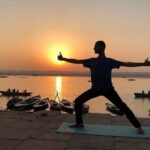
You’ll see yoga being practiced, which is a big part of why this tour feels different. Instead of reading about yoga later, you’re watching how people build focus through physical ritual in a public, community setting.
Indian classical music in context
The tour includes up-close exposure to Indian classical music. Music in Varanasi isn’t only performance; it’s part of a wider cultural language. Watching it tied to the morning flow makes it easier to understand why the city attracts seekers who aren’t chasing entertainment—they’re chasing meaning.
Traditional wrestling as a living craft
Traditional wrestling is mentioned as one of the highlights, and it’s a great “surprise” element. It reminds you that Varanasi isn’t only temples and incense. It’s strength training, discipline, and local tradition—daily life with purpose.
Artisans working on intricate handlooms
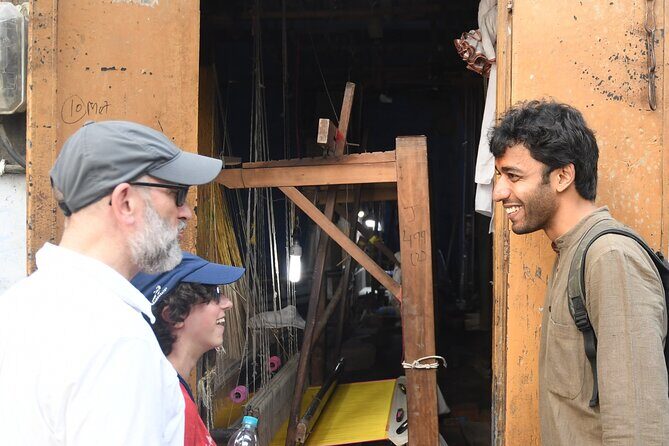
Handlooms show up as a major piece of the route. If you’ve ever wondered how craft survives in fast-changing cities, this gives you a direct look at people working with attention and skill. Even if you don’t buy anything, you’ll come away with a better sense of why the materials and patterns matter.
Temple ambiences and pilgrimage sites
Temple ambiences are part of the experience, and you’ll also learn about 2,500-year-old pilgrimage layers. That’s the kind of detail that can make later visits feel more grounded. You’ll understand that many sites aren’t single-point attractions; they’re long-running destinations shaped by generations of practice.
A small reality check
You are walking through an active city area, so scenes can shift quickly. The value here comes from the guide’s ability to point, explain, and connect the dots between what you see and what it means. Keep your energy for listening, not just taking photos.
You can also read our reviews of more city tours in Varanasi




Why the 2,500-year-old pilgrimage angle matters (and how to use it)
The walk points toward something important: Varanasi is not just old—it’s continually used. The experience highlights 2,500-year-old pilgrimage sites, and that should change how you move through the city afterward.
Here’s how I’d use this knowledge as you travel:
- When you see a temple or a sacred stop, ask yourself what kind of day it supports: prayer, music, teaching, community, or rest.
- If you’re later at the Ganges riverfront, notice how the morning vibe you learned about connects to the rituals you see there.
- If you talk to your guide during pauses, try to get one clear story about why this place still draws people—history becomes practical when it explains behavior.
This is also where the guide’s storytelling style matters. In feedback I’ve seen about Roobaroo Walks, guides are praised for making the city feel like home and for sharing myths and history in a way that actually sticks. One named guide that comes up repeatedly is Anupam, described as showing people his Varanasi and answering questions in a way that brings context, not just facts.
Pairing with a sunrise boat cruise: turning one morning into a full Ganges moment
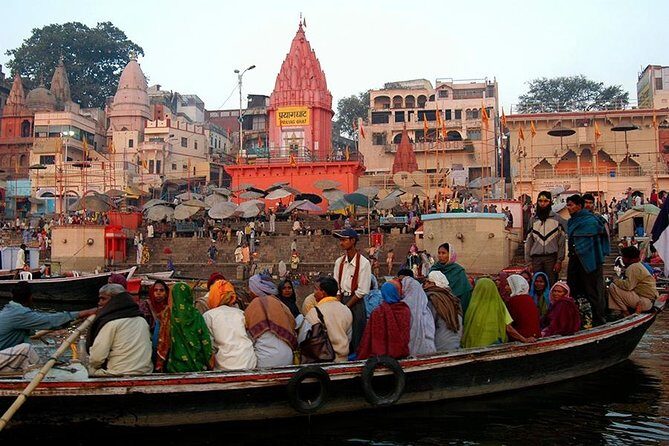
The tour summary suggests you can combine the walk with a sunrise boat cruise for a total Ganges experience. That pairing is practical because it gives you two different lenses:
- On land: you learn the human routines—music, yoga, craft, and devotion.
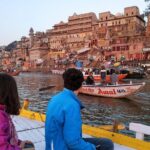
- On the river: you see how those routines echo through the riverbank life of Varanasi.
If you’re trying to compress Varanasi into a short trip, this combo is a strong way to get more meaning per hour. A sunrise cruise also tends to feel less overwhelming than later in the day, when heat and crowds can squeeze your patience.
Just remember the basic tradeoff: you’re stacking early-time activities. It’s worth doing if you’re energized by mornings, but skip it if you’re planning to sleep in and start late.
Price and value: what $39.08 buys you (and what to watch for)
At $39.08 per person for about 3 hours, this doesn’t look like a “cheap” tour on paper—but it can feel fair once you unpack what’s included.
You’re paying for:
- a local guide (the explanations are the point here, not just movement),
- breakfast (not something you want to scramble for mid-visit),
- and a focused South Varanasi route designed to stay off the strict tourist path.
Also, the small group size helps justify the price. If you’ve ever done tours where you can’t hear the guide or ask questions, you’ll appreciate a max of 12 people. In this kind of city, access and context are part of the service.
What to watch for: the tour is weather-dependent in practice. Varanasi mornings can be great, but plans can shift if conditions aren’t right. If you have a tight schedule, you’ll want a little buffer.
Who this South Varanasi walk is best for
This experience fits best if you want Varanasi to feel like a place you understand, not just a place you pass through.
It’s a good match for:
- people who enjoy walking tours more than rickshaw drop-offs,
- families and mixed-age groups who want a shorter morning activity,
- travelers who like culture explained through real daily life—music, yoga, crafts, and devotion,
- anyone who wants to ask questions and get answers, not just listen to a script.
If your ideal day is only major monuments and famous ghats with minimal walking, you might find the South Varanasi focus too “neighborhood” and not enough “big sights.” But if you want the city’s other face, this walk gives it to you.
Should you book the City of Good Life Walk?
I’d book it if you want a Varanasi morning that feels human, paced, and story-driven. The combination of breakfast, a local guide, and the South-side focus makes it easier to understand the city beyond the postcard moments. And if you can add the sunrise boat cruise, you’ll connect land rituals to Ganges river life in a way that sticks.
Don’t book it if you’re chasing only the most famous ghats and temples with minimal walking. This tour is built for context and daily tradition, not for checking off a list.
If you do book, bring patience for a living city. Ask your guide about what you’re seeing—music, yoga, wrestling, handlooms, temple spaces—and you’ll get more out of the pauses than you think.
FAQ
How long is the South Varanasi walk?
The experience lasts about 3 hours.
Where do I meet and where does the tour end?
You start at Subah-e-Banaras Assi ghat, Shivala, Varanasi, and the tour ends at Shivala in Varanasi.
What’s included in the price?
Breakfast and a local guide are included.
Is the ticket mobile?
Yes, the tour uses a mobile ticket.
What group size should I expect?
The tour has a maximum of 12 travelers.
Do I need good weather?
Yes. The experience requires good weather, and if it’s canceled due to poor weather, you’ll be offered a different date or a full refund.
Can I cancel for a full refund?
Yes. Free cancellation is available up to 24 hours in advance for a full refund. If you cancel less than 24 hours before the start time, the amount paid is not refunded.