REVIEW · VARANASI
Walking Tour in the old part of the city of Varanasi
Book on GetYourGuide →Operated by Sachan Tours · Bookable on GetYourGuide
Varanasi hits your senses fast, in a good way. This 3-hour old-city walking tour threads together temples, bazaars, and the ghats in one tight loop, so you see how daily life and sacred rituals sit side by side. It starts at St. Thomas Church and ends at Manikarnika-ghat, with the kind of route you can’t easily piece together on your own.
I love the mix of places: Kashiraj Kali Mandir with its Nagara-style temple form, then a flower market selling locally grown blooms only. I also like how the walk slows down for real street moments—narrow lanes, old shopfronts, famous havelis, and relaxed chai stops where you can talk traditions, customs, and architecture without feeling rushed.
One consideration: you’ll be close to cremation rituals at Manikarnika-ghat, and the walking is on tight streets. Plan for comfortable shoes and modest clothing, and note it isn’t suitable for people over 95.
In This Review
- Key Things That Make This Walk Worth Your Time
- Why This 3-Hour Varanasi Loop Works
- Meeting at Girjaghar: St. Thomas Church and First Impressions
- Kashiraj Kali Mandir: Nagara-Style Temple Details You’ll Actually Notice
- Flower Market Stops: Locally Grown Flowers, Not Just Another Stall
- Narrow Lanes, Old Shops, and Haveli Beauty
- The Giant Mosque Built After a Vishnu Temple Was Demolished
- Bhonsale Palace: An Old-City Beauty Break
- Manikarnika-ghat: Watching Cremation Rituals With Care
- Optional Lassi After the Ghats
- Price and Logistics: Where the $28 Really Lands
- What to Bring (And What Not to Do)
- Who This Walk Is For (And Who Should Skip It)
- Should You Book This Varanasi Old-City Walking Tour?
- FAQ
- How long is the walking tour?
- What does the tour cost?
- Where does the tour start?
- Is food or drinks included?
- What language is the guide?
- Is hotel pickup or drop-off included?
- Are alcohol or drugs allowed during the tour?
- What should I bring and wear?
- Is there any age limit?
Key Things That Make This Walk Worth Your Time
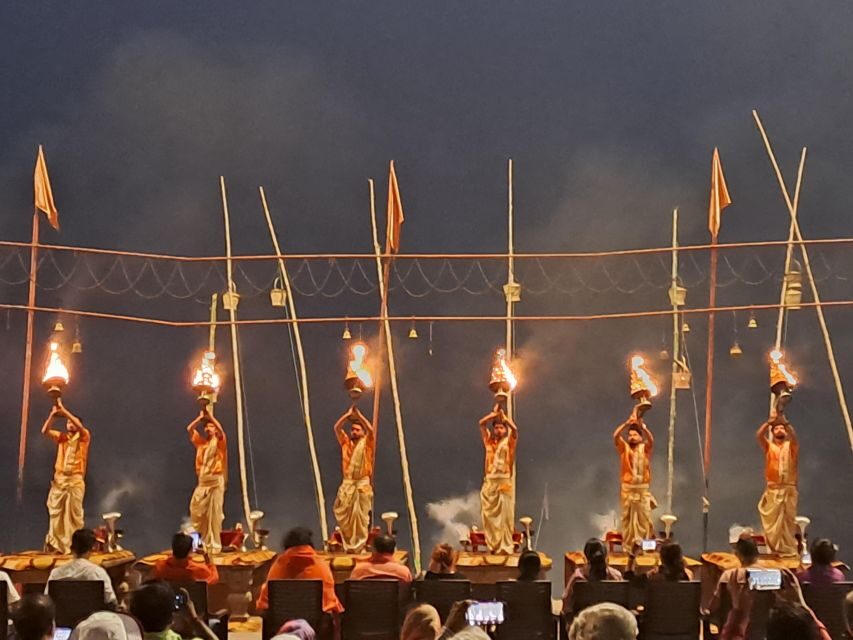
- Girjaghar start at St. Thomas Church (the white church in the city center where the tour begins)
- Kashiraj Kali Mandir in Nagara style early in the route, before you get swept into the bazaar maze
- Flower market with locally grown flowers only, not touristy imports
- Havelis and old shops along tangled lanes, with multiple photo and people-watching moments
- A giant mosque tied to the story of a demolished Vishnu temple, showing how places change hands over time
- Manikarnika-ghat cremation viewing, with a respectful guided approach
Why This 3-Hour Varanasi Loop Works
If Varanasi feels like too much at first, this kind of structured walk helps. You’re not trying to survive the city on your own. You’re moving with a guide who can point out what matters and keep you from wandering into the wrong corners at the wrong moments.
The value here is not just the sights. It’s the sequencing. You go from Christian heritage (St. Thomas Church), to a Hindu temple (Kashiraj Kali Mandir), to everyday street life (flower market and bazaar lanes), and then to the river rituals (Manikarnika-ghat). That arc gives you a clearer picture of the city’s spiritual layers in a short time.
And at $28 per person for a 3-hour English-language guided walk, the cost makes sense when you factor in the time you save and the direct access element (including a separate entrance to skip lines).
You can also read our reviews of more walking tours in Varanasi


Meeting at Girjaghar: St. Thomas Church and First Impressions
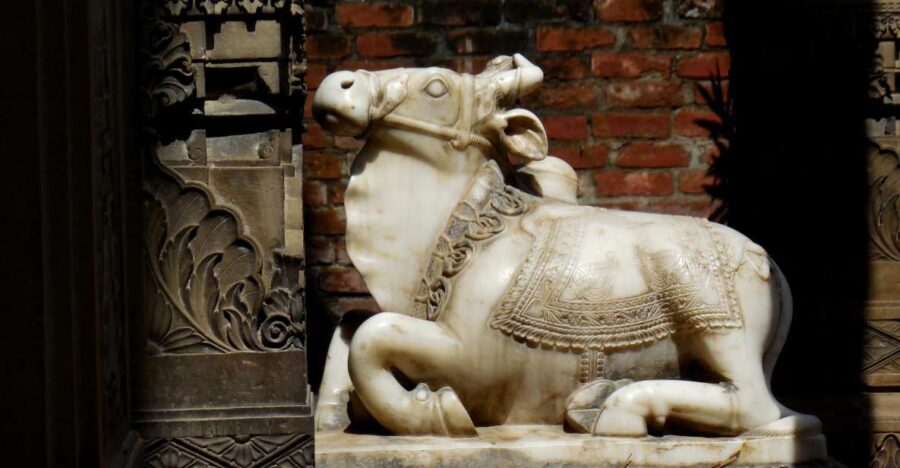
Your meeting point is a white church known locally as Girjaghar, and it’s described as the only church in the city centre. Look for the guide in semi-formal dress waiting there, and you’ll start the walk with the city already framed for you.
This matters more than you might think. Varanasi’s old area can be confusing if you’re trying to read signs while dodging bikes, cows, and conversations that move faster than your brain. Starting at a clear landmark like this helps you get your bearings fast.
You also get a sense of time depth right away. The tour begins with the story that St. Thomas sat there roughly 2000 years ago to preach about Christianity. Even if you’re not there for religious history, it sets the tone: this city runs on layers.
Kashiraj Kali Mandir: Nagara-Style Temple Details You’ll Actually Notice
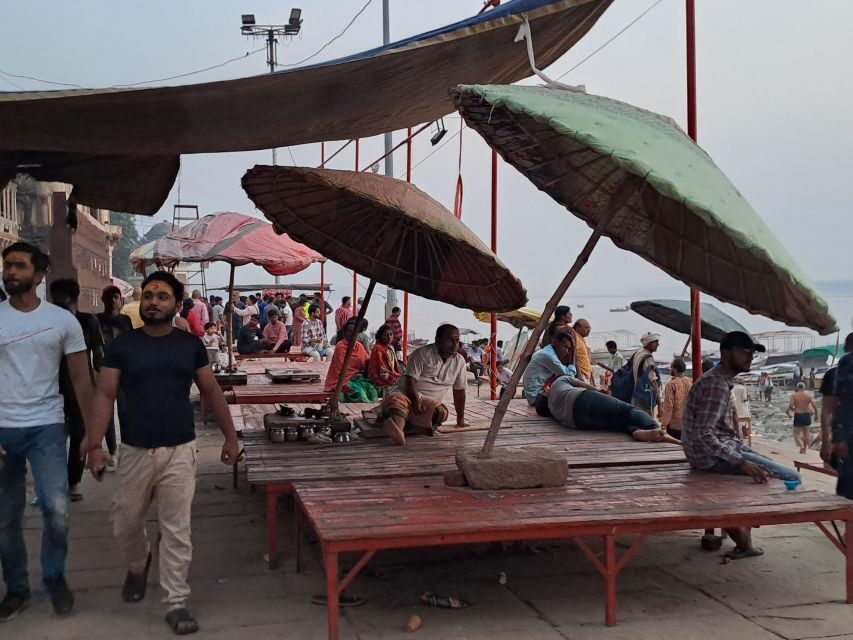
After St. Thomas Church, you visit Kashiraj Kali Mandir, described as a beautiful example of Nagara style temple architecture. This is the moment when the walk shifts from landmark stories to design details.
Nagara style is one of those temple forms that can look “pretty” from a distance but becomes interesting when someone points out what you’re seeing. On this walk, you’re not just passing by a temple gate. You’re getting context for how the shape and style connect to local worship and cultural identity.
A practical upside: you’re visiting early, before the street lanes get fully tangled. That means you have a better chance to steady your sense of where you are and how the old city is organized.
Flower Market Stops: Locally Grown Flowers, Not Just Another Stall
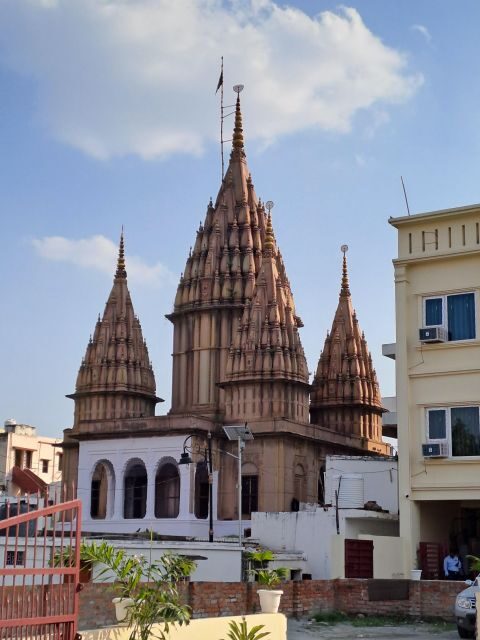
Next comes a local flower market where you’ll see flowers sold that are grown locally. It’s the kind of stop that might sound small until you realize what it signals in Varanasi. Flowers are tied to offerings, everyday worship, and the visual rhythm of the ghats.
Here’s what I’d look for on your end: pay attention to how the market feels and how sellers talk about what’s freshest. This is local supply in action, not a souvenir pipeline.
Also, you’re building momentum. After a temple, the market gives you a sensory reset—color, scent, quick bargaining energy, and people moving with purpose. If you tend to get overwhelmed in dense cities, this is a nice breathing point.
Narrow Lanes, Old Shops, and Haveli Beauty
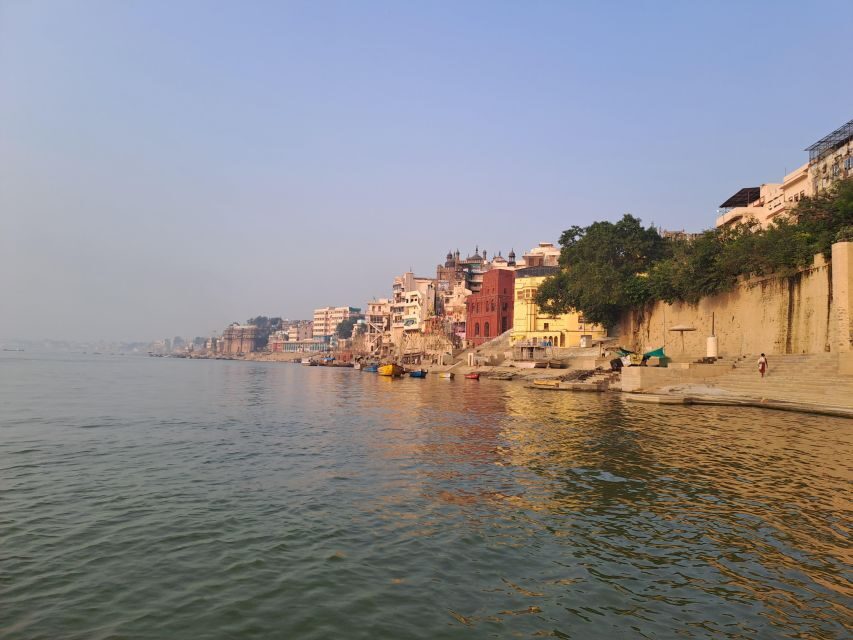
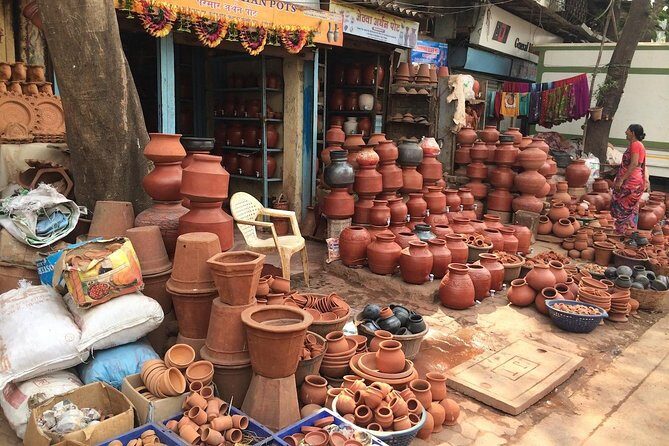
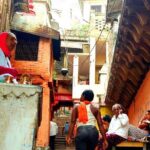
From there you move through the old lanes—narrow, tangled, and alive with old-fashioned shops and bazaar activity. This is where the city becomes real in your hands: you see how goods are sold, how streets compress space, and how the architecture hides in plain sight behind everyday activity.
You’ll also pass by famous havelis, old mansion houses that are still beautiful even today. Even if you can’t tour every building fully, these facades and entrances are the city’s way of showing off craftsmanship.
One detail I especially like in the walk format: you get chances to stop, sip masala chai, and chat. That turns the lanes from a “transport problem” into part of the experience. The guide talks about local traditions, customs, art, and architecture while you walk, so you’re not collecting random facts. You’re building a connected mental map.
You can also read our reviews of more city tours in Varanasi



The Giant Mosque Built After a Vishnu Temple Was Demolished
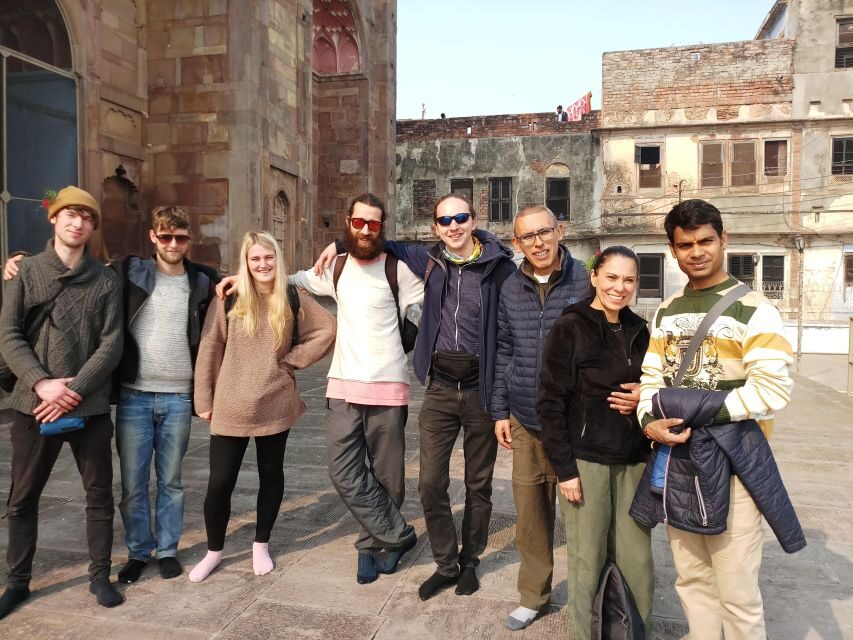
As you slowly work your way toward the river, the route includes a major landmark: a giant mosque built after the demolition of an ancient Vishnu temple. This is one of those moments where Varanasi’s story stops being abstract.
You’ll want to approach this with respect and a quiet kind of attention. Even though the walk is structured, the meaning of this site comes through when you’re aware that religious buildings can be shaped by politics, time, and community memory.
It’s also a reminder that history in India is not always a straight line. On this tour, you experience that idea directly, because the city’s layers aren’t arranged like a museum. They’re standing next to each other on actual streets.
Bhonsale Palace: An Old-City Beauty Break
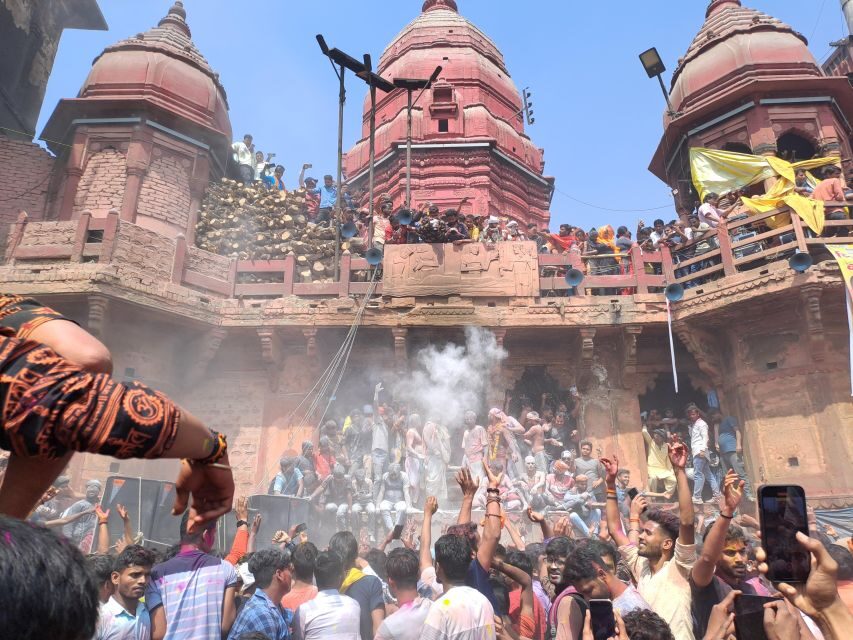
The walk includes an old beautiful palace called Bhonsale palace. Palaces in places like Varanasi aren’t just big buildings; they often represent how wealth, power, and patronage played out in the city’s neighborhoods.
This is a good pause point. If you’ve been walking through tight lanes, a palace stop gives your eyes space to rest and look for details again. It’s also a moment where the city shifts from street-level life to the feel of formal architecture.
I like including at least one “wow” building on a walking route. It helps you remember the day as more than just a long walk through alleys.
Manikarnika-ghat: Watching Cremation Rituals With Care
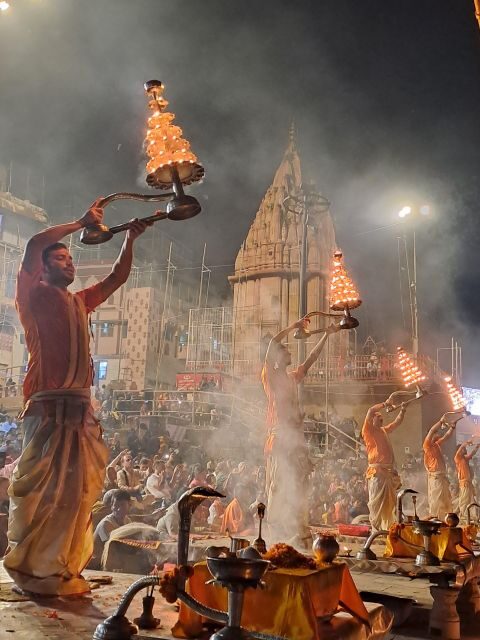
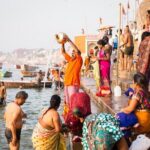
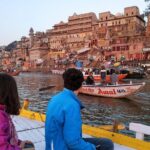
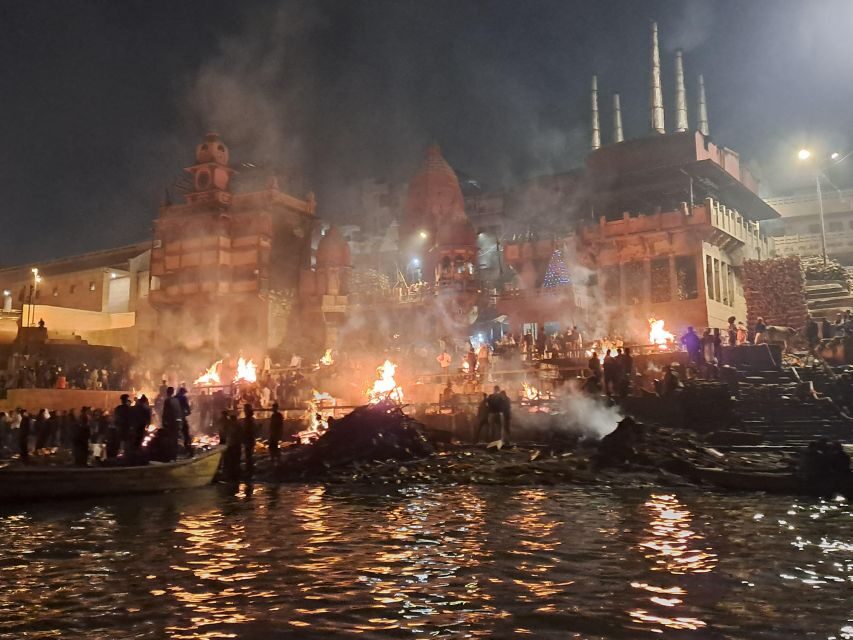
Finally, you reach Manikarnika-ghat, described as the most venerated crematorium. This is where the tour ends, and you’ll watch the cremation rituals of the dead bodies brought by Hindu families, with the emphasis on watching respectfully.
This part is intense. It’s also the part of Varanasi that many first-time visitors came for—because it shows the city’s living relationship with death, faith, and river space.
A few practical notes for you:
- Keep your attention on your guide and follow their pacing.
- Don’t treat it like a photo challenge.
- Remember that the ritual is happening for the families, not for your sightseeing list.
Also, note that the tour includes a skip-the-line element via a separate entrance. At a place where crowds and entrances can get chaotic, that alone can reduce stress and help you arrive in a calmer rhythm.
Optional Lassi After the Ghats
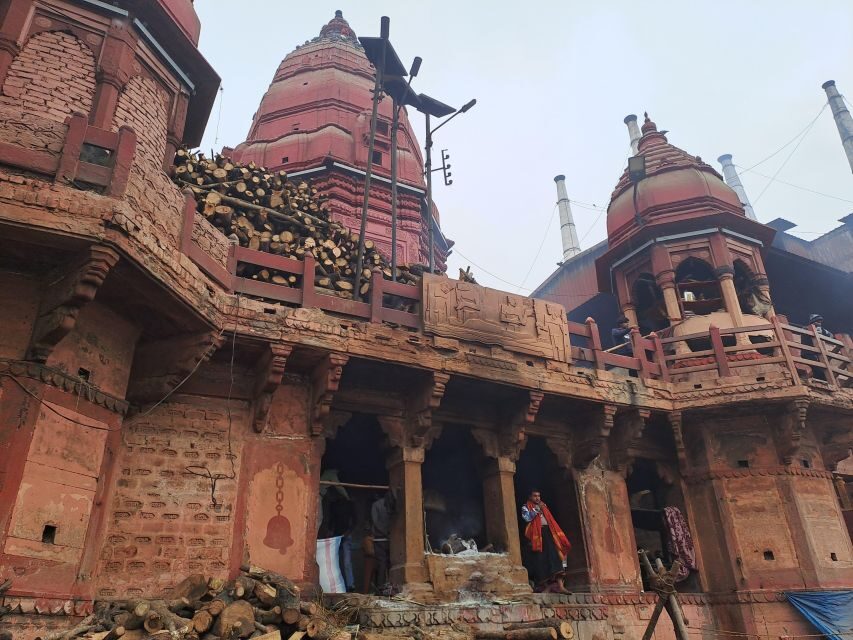
After the cremation viewing, the tour finishes at Manikarnika-ghat. If you want, you can enjoy lassi, a yogurt-based drink, as a refreshing follow-up.
Because the tour’s included info says no food or drinks, treat any chai or lassi as an extra you may have to pay for on-site. I’d budget for it if you enjoy that kind of local break, because chai stops and a cool drink at the end are exactly the kind of small comfort that makes a long sensory day feel manageable.
Price and Logistics: Where the $28 Really Lands
At $28 per person for about 3 hours, the price is reasonable for central Varanasi when you get:
- A live English guide
- A guided route through multiple major stops
- A separate entrance to help you avoid long waits
- A structured flow that takes you from church and temple areas down to the ghats
What’s not included: any food or drinks, hotel pickup/drop-off, and shopping. You’ll want to plan to cover your own chai/snacks if you stop for them, and you’ll need to make your own way to the meeting point at Girjaghar.
This is a walking tour, so logistics are simple but not glamorous. Wear shoes you’d trust for hours on uneven stone and tight lanes, and keep your expectations grounded. You’re trading comfort for access and authenticity.
What to Bring (And What Not to Do)
Bring comfortable shoes. That’s the big one, because the route includes narrow lanes, bazaar streets, and river-side movement.
Wear modest clothing, especially because you’ll be near temples and participating in a respectful viewing at Manikarnika-ghat. It’s not about style. It’s about fitting the setting so you don’t feel awkward and you don’t distract others.
And follow the rules: alcohol and drugs aren’t allowed. Keep it simple, keep it respectful, and you’ll enjoy the day a lot more.
If you’re traveling with very limited mobility, also note it isn’t suitable for people over 95 years. For everyone else, go slow, ask for breaks, and remember that the tour allows you to set your pace when you need to.
Who This Walk Is For (And Who Should Skip It)
This tour is a strong fit if you want Varanasi in one clear, guided line: Christian heritage, Hindu temple architecture, flower market street life, haveli views, river-land ritual space. It’s also great if you like talking as you walk, because the guide covers traditions, customs, art, and architecture in a conversational way.
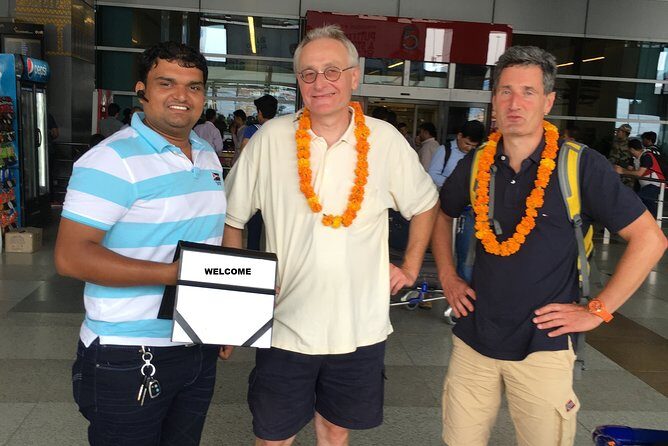
It’s also a good option if you’ve heard Varanasi can feel overwhelming. Having a guide like Karan (English-speaking, organized communication, and punctual) helps you stay calm and grounded.
You might want to skip or reconsider if you’re not comfortable with the intensity of cremation rituals, or if you dislike crowded, tight walking conditions.
Should You Book This Varanasi Old-City Walking Tour?
I think it’s a yes for most first-timers who want depth without spending a whole day on logistics. The route is built around meaningful places—St. Thomas Church at Girjaghar, Kashiraj Kali Mandir, the locally grown flower market, haveli streets, Bhonsale palace, and then Manikarnika-ghat. That’s a lot of city in a short time, and the English guide keeps you from missing the point of what you’re seeing.
Book it if you’re the type who enjoys real neighborhoods—lanes, shops, conversations—and you want the city’s spiritual life explained as you go. If you’re easily shocked by death rituals or you need a very gentle walking pace, choose a different kind of experience.
If you do book, bring sturdy shoes, dress modestly, and plan a little extra cash for optional chai and a possible lassi afterward.
FAQ
How long is the walking tour?
The duration is listed as 3 hours.
What does the tour cost?
The price is $28 per person.
Where does the tour start?
It starts at the white St. Thomas Church in the city center, locally known as Girjaghar.
Is food or drinks included?
No. The tour does not include food or drinks.
What language is the guide?
The live tour guide is in English.
Is hotel pickup or drop-off included?
No. Hotel pickup and drop-off are not included.
Are alcohol or drugs allowed during the tour?
No. Alcohol and drugs are not allowed.
What should I bring and wear?
Bring comfortable shoes and wear modest clothing.
Is there any age limit?
It is not suitable for people over 95 years.