REVIEW · VARANASI
Varanasi Walking and Heritage Tour
Book on GetYourGuide →Operated by Praveen Pathak · Bookable on GetYourGuide
Three hours can feel like a lifetime here. This walking-and-heritage route threads together Manikarnika Ghat and the Kashi Vishwanath Temple Corridor, set in a city people describe as older than you can picture, tied to Shiva and Parvati at the roots of Kashi. You also get the street-level side of Varanasi: tiny lanes where temple colors and paint-like patterns show up at every turn.
I like the way this tour is packed with real stops, not just quick photo moments. You’ll have guided time at the major sacred sights, and you’re also served tea/coffee and bottled water along the way—so you can keep moving without feeling dried out. The route also favors the close-in experience: you’ll be walking through the maze of small streets and temple-adjacent areas where Varanasi’s everyday culture leaks through.
One possible drawback: the pace and presentation can be intense. Some guests noted a guide who talked heavily at each stop and did not always walk at the same speed side-by-side, which can feel tiring if you want more relaxed conversation while walking. If you prefer a slower stroll and lighter info, you’ll want to ask for a gentler rhythm.
In This Review
- Key Highlights You’ll Care About
- Why Varanasi’s Oldest Layers Fit a 3-Hour Walk
- Start at Bank of Baroda ATM and Get Oriented Fast
- Vishalakshi and Dharmeshwar: The “Get the Context” Stops
- The Walk Into Shri Kashi Vishwanath Temple Corridor
- Manikarnika Kund and the Ghat of Truth of Life
- Nepali Temple (Kathwala Temple) and the “Tiny Street” Experience
- Flower Market and the Local Rhythm You Don’t Get From a Taxi
- Who This Tour Fits Best (and Who Might Want a Different Pace)
- Price and Value: $13 for Temples, Water, and Time
- Practical Tips to Make This Tour Go Smoothly
- Should You Book This Varanasi Walking and Heritage Tour?
- FAQ
- How long is the Varanasi Walking and Heritage Tour?
- Where does the tour start and end?
- How much does it cost?
- Is there a live guide?
- What is included in the price?
- What is not included?
- Is there a flower market included in the tour experience?
- Can I cancel for a refund?
- Is there a reserve and pay later option?
Key Highlights You’ll Care About
- Manikarnika Ghat photo-and-tea moment that slows things down right where the air changes
- Kashi Vishwanath Temple Corridor with a focused walk into one of Varanasi’s biggest spiritual landmarks
- Multiple kund and temple entries included, including Manikarnikeshwar Temple and Chakrapushkarni Kund
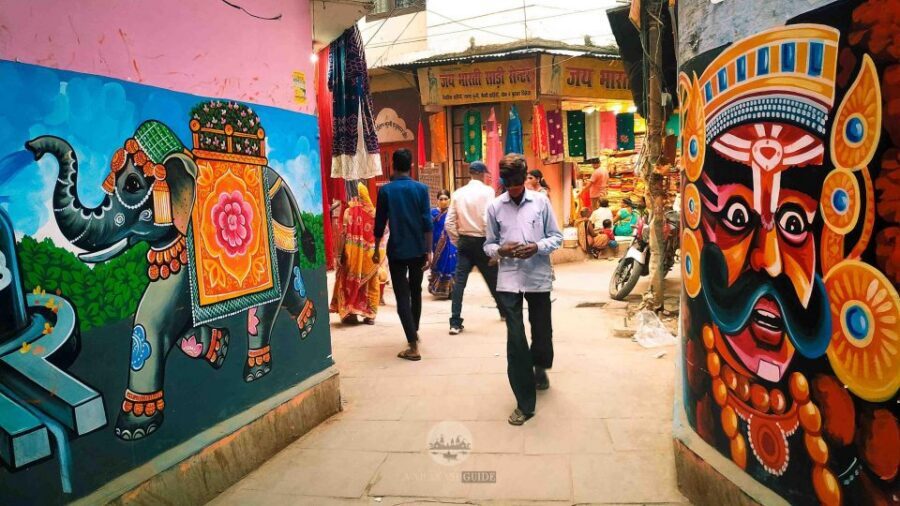
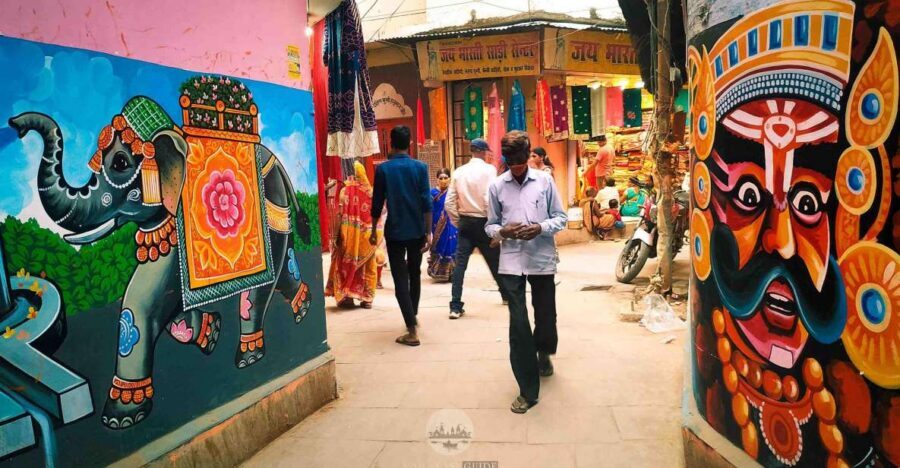
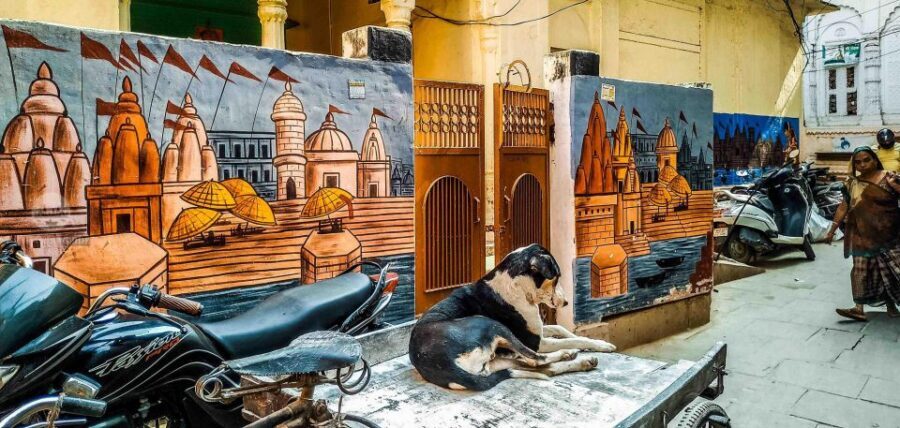
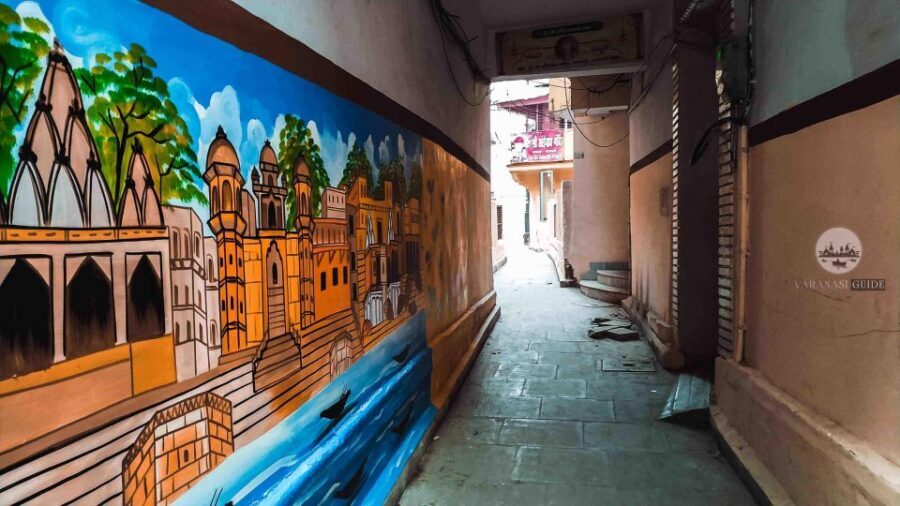
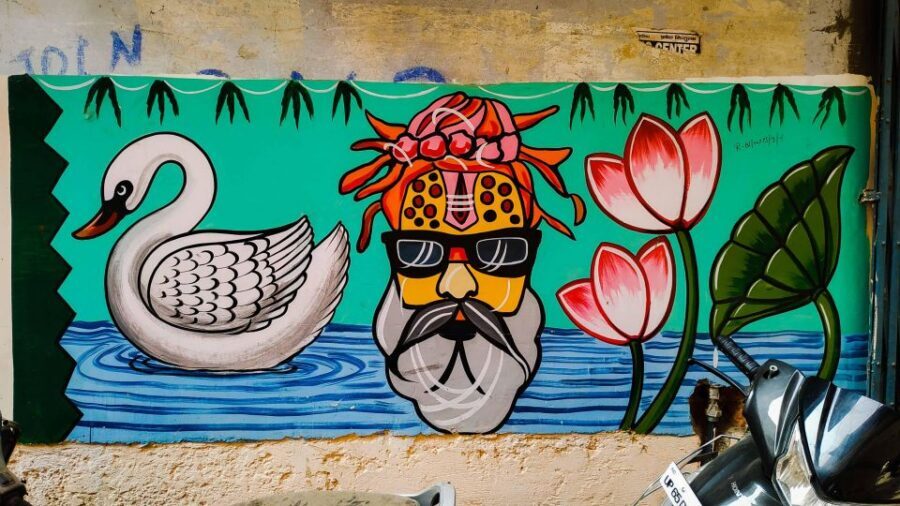
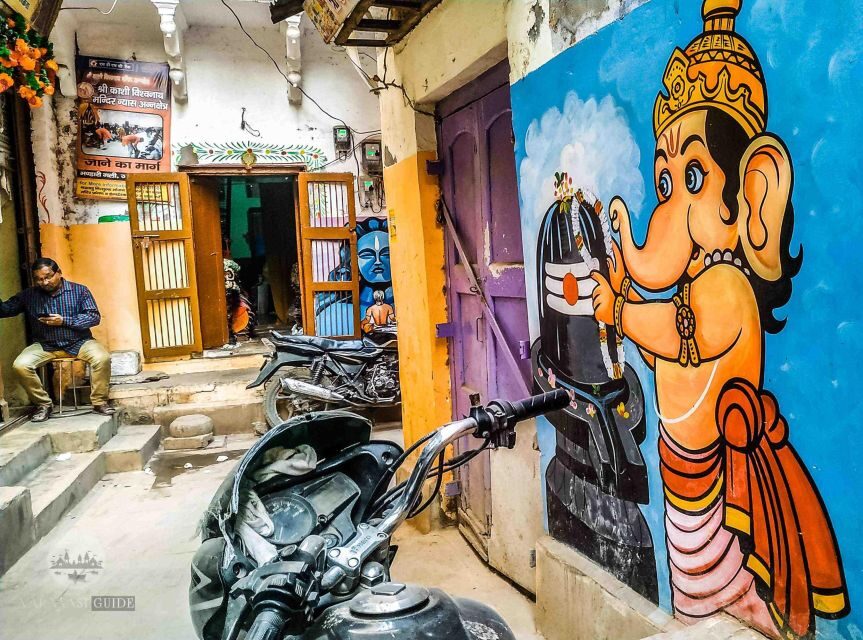
- Tiny streets with temple-color wall art and close-up views of local craftsmanship
- English, Spanish, and Hindi live guide (and strong emphasis on explanations)
Why Varanasi’s Oldest Layers Fit a 3-Hour Walk
Varanasi is a city people describe as ancient in a way that messes with your sense of scale. This tour leans into that. Instead of trying to cover everything, it targets a small set of spiritual anchors—then connects them with the kind of walking that lets you feel the city as a living place, not a museum.
For you, the value is in how the route is built for understanding. You’re not just standing outside temples. You’re getting guided time in and around places tied to Shiva traditions, ghat rituals, and the long-standing role of Kashi as a learning and civilization center for thousands of years. That context matters, because Varanasi’s sights make more sense when you know what they’re meant to represent.
And practical bonus: it’s 3 hours. That’s long enough to feel you did something substantial, but short enough to keep your day flexible—especially if you’re also planning boat time, Ganga activities, or food stops on your own.
You can also read our reviews of more walking tours in Varanasi



Start at Bank of Baroda ATM and Get Oriented Fast
Your tour starts and ends at the Bank of Baroda ATM, which is about as straightforward as it gets in Varanasi. It’s a good choice if you’re nervous about meeting up points in a city where streets can turn into a maze quickly.
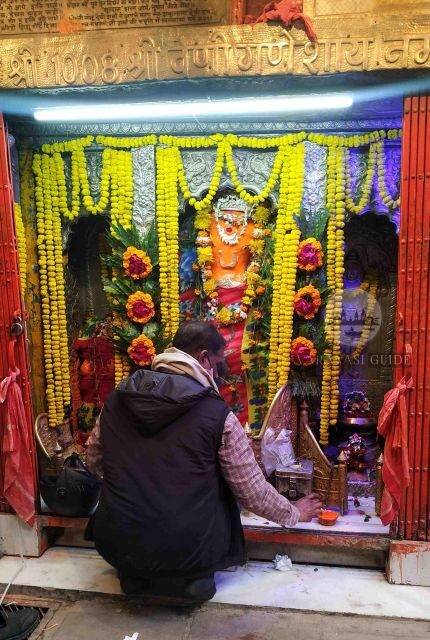
From there, the walk moves right into sacred space. The first temple stop is Shri Vishalakshi Mata Shaktipeeth Temple, Kashi. You’ll get a guided visit for about 5 minutes. That might sound short, but it’s a smart way to set your mental footing. You’re meant to learn how to look: at symbols, at the logic of sacred geography, and at the way devotees use these places throughout the day.
Then you continue to Dharmeshwar Mahadev Temple (Kashi Khand) with about 10 minutes of guided time. This is where the tour helps you connect names and themes. Mahadev links you back to Shiva, and the “Kashi Khand” framing gives you a sense that these sites aren’t random stops—they’re part of a larger sacred map.
Vishalakshi and Dharmeshwar: The “Get the Context” Stops

These early stops are the groundwork. If you only see the famous ghat and the big temple, you’ll still enjoy the visuals—but you might miss the meaning.
At Vishalakshi Mata Shaktipeeth, you’re introduced to the Shakti aspect of sacred power. At Dharmeshwar Mahadev, you shift toward Shiva’s presence in Kashi. Even if you’re not deeply religious, the guided context helps you read the scene: who is praying, what people are doing, and why certain spaces feel more intense than others.
A quick note on pace here matters. Because the schedule is tight (and the guided time at each early stop is short), you’ll get the best results if you come prepared with basic questions. If you ask one or two things you care about—what a particular symbol means, why a certain temple is approached a certain way—you’ll get more out of those 5 to 10 minutes.
The Walk Into Shri Kashi Vishwanath Temple Corridor
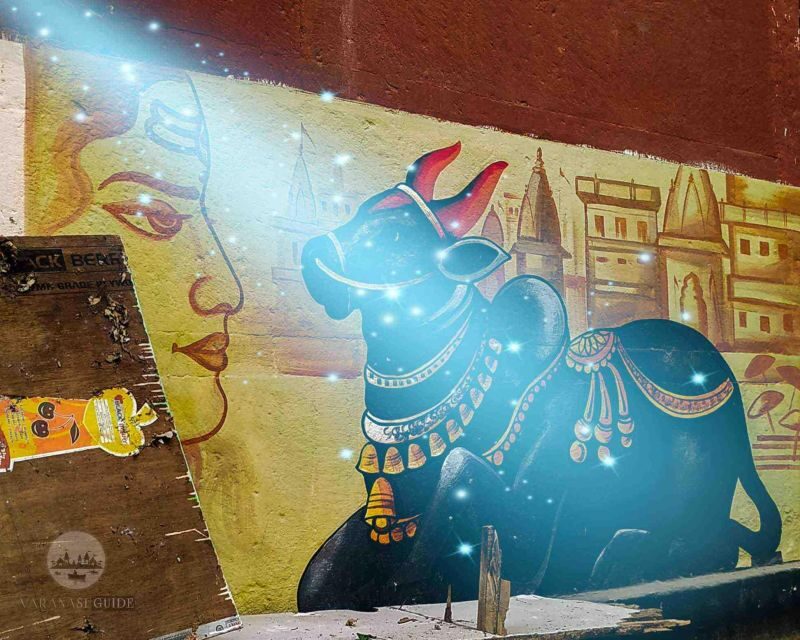
Next comes Shri Kashi Vishwanath Temple, reached via a walk of about 10 minutes. This section is valuable because it’s not just transportation; it’s part of the experience. You’re moving through neighborhood streets, watching daily life blend into sacred life.
Then you reach the Kashi Vishwanath Temple Corridor zone. This is one of the biggest payoffs on the tour because it gives you a structured, guided feel in a space that can overwhelm you if you arrive cold. Think of it as your orientation corridor—helpful for understanding the layout and the flow of visitors.
You’ll likely notice how Varanasi doesn’t separate “temple” and “street.” Even around major shrines, people move with purpose. The corridor experience can help you get comfortable with the rhythm of the place before you step into the ghat area, where the sensory input jumps again.
Manikarnika Kund and the Ghat of Truth of Life
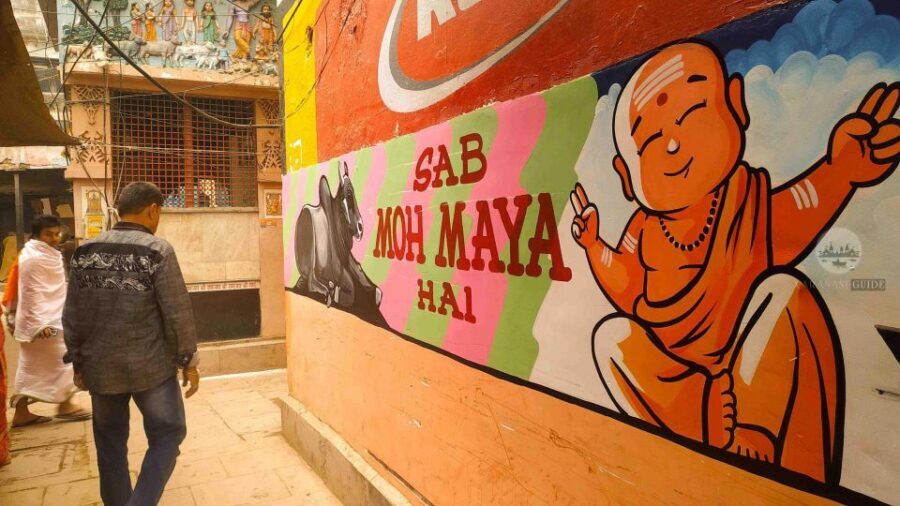
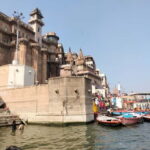
Now for the moment many people remember longest: Manikarnika Kund and the broader Manikarnika Ghat area. Your tour includes time for a photo stop, a guided visit, and walking/passing by sacred points near the water. You’re also served tea/coffee here, which is a practical win.
Why does this stop matter? Because Manikarnika is not just scenery. It’s tied to the idea of the Truth of Life, which people associate with a powerful understanding of impermanence and spiritual reality. Even if you come with a secular mindset, you’ll feel that the ghat is a place where people treat time differently. The guided explanation helps you avoid turning the moment into just a photo-op.
This is also where the included admissions add real value. The tour lists entry for Manikarnikeshwar Temple, plus additional sacred sites connected to the area such as Ratneshwar Temple and Chakrapushkarni Kund. That means you’re not stuck only at viewpoints. You’re getting access to the kinds of spaces that most short walks outside might skip.
You get two visits to Manikarnika Kund during the tour. That can be helpful. A first pass helps you understand what you’re seeing. A second pass lets you slow down and re-collect your thoughts, especially after you’ve seen other temple spaces like the Nepali/Kathwala stop.
You can also read our reviews of more historical tours in Varanasi





Nepali Temple (Kathwala Temple) and the “Tiny Street” Experience
After the first Manikarnika time, you head to the Nepali Temple—also known as the Kathwala Temple—with about 15 minutes of guided visit.
This stop gives your tour balance. The corridor and the ghat area bring major, high-intensity sacred energy. The Nepali/Kathwala temple visit offers a different texture of worship and architectural presence. It’s one of those places where you can slow down and notice details: how people gather, how the space is used, and how a temple can feel both distinctive and deeply local at the same time.
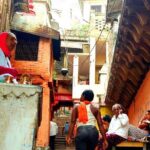
And this is where the tour’s street-side element becomes real. The highlights call out tiny streets with hundreds of temple colors and painting-style arts. Even when a tour doesn’t say you’ll spend minutes counting every colorful wall, you’ll still experience the city as you walk through it. That’s a key difference between “sightseeing” and “walking through a living place.”
Flower Market and the Local Rhythm You Don’t Get From a Taxi
The tour highlights a flower market, and that makes sense for Varanasi because flowers are part of everyday devotion. Even if you’re not buying anything, seeing how flowers are arranged for worship helps you understand the visual language of the city.
If you’re into photography, this is a good moment to take your time. The color contrast—between offerings, painted surfaces, and temple structures—tends to look better when you pause rather than rush.
If you’re food-focused, you can also use this as a reset point. You’ll be surrounded by small signs of daily life, and it’s easier to decide where to grab a snack after you’ve seen the market energy up close.
Who This Tour Fits Best (and Who Might Want a Different Pace)
This tour fits you if you want a short, guided way to understand Varanasi’s big sacred anchors without getting lost in logistics. At $13 per person for a 3-hour experience, you’re paying less than most full-day tours, and you’re getting included admissions for multiple temples and kund areas plus tea/coffee and bottled water.
It’s also a good choice if you like explanations while you walk. The guide style seems to be a strong point for many people—especially with Praveen Pathak. Multiple bookings praise his ability to make the experience feel human, not just informational. Names like Pintu show up too in people’s notes, suggesting you may feel supported and guided through the emotional and spiritual weight of the stops.
But if you want a slower pace and more back-and-forth conversation while walking, take the pacing consideration seriously. One feedback point specifically called out a guide who sometimes strode ahead and delivered information intensely at each point, which can feel tiring. That doesn’t mean it’s always like that. It does mean it’s worth setting expectations early—ask your guide for a slower rhythm or tell them you want more walking together and fewer long speeches at each stop.
Price and Value: $13 for Temples, Water, and Time
Let’s talk value in practical terms. At around $13 per person for a 3-hour walk, you’re getting:
- Tea/coffee and bottled water
- Entry/admission to several sites (including Vishalakshi Temple, Nepali/Kathwala Temple, and the Manikarnika area entries tied to kunds and temples)
- A live guide in English, Spanish, or Hindi
That’s a lot of “included costs” for a low ticket price. Many walking tours in Europe might include a guide and call it done; here, your money supports direct access to sacred areas. If you’d otherwise pay separate entry fees and spend extra on drinks, the bundled cost makes sense.
The only budget warning: drinks and lunch are not included. The tea/coffee and water help, but you’ll still want to plan food separately if your day is long.
Practical Tips to Make This Tour Go Smoothly
You’ll have an easier time if you plan around the ghat and temple reality: lots of stairs or uneven footing, and a place where people move with purpose.
- Wear shoes you can trust for walking and photo stops.
- Keep one small camera pause habit: take a few photos, then move on. Ghat areas often feel best when you don’t camp.
- If you want more conversation, ask early. With a schedule that’s tight, your questions will help steer how the guide spends time.
- Bring a light layer if you get cold after water-edge air. This isn’t guaranteed, but weather can shift quickly near rivers.
And one more tip: since this starts and ends at the Bank of Baroda ATM, you can use that as your anchor for the rest of your day. If you plan anything afterward, keep it flexible enough that you’re not sprinting across town.
Should You Book This Varanasi Walking and Heritage Tour?
Book it if you want an efficient, guided way to experience Varanasi’s core spiritual landmarks in about three hours—especially if you like temple context, ghat energy, and street-level color. The included admissions and the tea/coffee make the price feel fair, not nickel-and-dime.
Consider a different option if you’re sensitive to a fast cadence of information at each stop or if you strongly prefer a relaxed walking chat. In that case, message the provider with your preferred pace or be ready to request it on the day.
If you match the tour’s style—curious, walking-ready, and open to spiritual explanations—this is a smart way to get oriented in Kashi fast.
FAQ
How long is the Varanasi Walking and Heritage Tour?
The tour lasts 3 hours.
Where does the tour start and end?
It starts at the Bank of Baroda ATM and returns you to the same place.
How much does it cost?
The price is $13 per person.
Is there a live guide?
Yes. The tour includes a live guide, with English, Spanish, and Hindi available.
What is included in the price?
Tea/coffee, bottled water, and entry/admission for Vishalakshi Temple, Nepali Temple (Kathwala Temple), Manikarnika Ghat, Manikarnikeshwar Temple, Ratneshwar Temple, and Chakrapushkarni Kund.
What is not included?
Drinks and lunch are not included.
Is there a flower market included in the tour experience?
The tour highlights include a flower market as part of what you’ll experience during the walk.
Can I cancel for a refund?
Yes. You can cancel up to 24 hours in advance for a full refund.
Is there a reserve and pay later option?
Yes. You can reserve now and pay later.