REVIEW · VARANASI
Same day Ayodhya tour from Varanasi
Book on Viator →Operated by Tour Varanasi · Bookable on Viator
An early start changes everything. This same-day Ayodhya trip from Varanasi is built around a tight schedule: a very early drive, a focused temple circuit in Ayodhya, and time to see (and better understand) the everyday religious rhythms that make the region feel alive.
I especially like the professional art historian guide approach, because the day isn’t just picture-taking. You’re meant to walk away with context. And I love the sunrise-style Ganges boat idea (with narration and ritual sights), because it turns Varanasi’s river culture into something you can actually follow.
One consideration: the full plan runs about 10 to 12 hours, so you’ll want comfortable shoes, patience for traffic timing, and a realistic mindset that this is a full-day push, not a slow sightseeing stroll.
In This Review
- Key things to know before you go
- Getting from Varanasi to Ayodhya without losing the day
- Price and what you’re actually paying for
- Your temple circuit in Ayodhya: what each stop gives you
- Shree Ram Janmabhoomi Temple (Temple time: about 4 hours)
- Hanuman Garhi Mandir (about 1 hour)
- Kanak Bhavan Temple (about 1 hour)
- Guptar Ghat (about 1 hour, after lunch)
- Ram Ki Paidi and nearby temples (about 1 hour)
- The Varanasi side that turns the day from sightseeing into meaning
- Sunrise boat ride on the Ganges: why it’s the standout
- Old lanes and the Kachauri food street walk
- Timing and comfort: how to make a 10 to 12 hour day work
- Start early and expect a packed schedule
- Bring the right shoes
- Plan for meals (because they’re not included)
- What you’ll learn (and why a guide matters here)
- Who this tour suits best
- Should you book this same-day Ayodhya tour?
- FAQ
- What time is hotel pickup?
- How long is the tour?
- Is admission included for the Ayodhya temple stops?
- Does the tour include private transportation?
- Is the tour private or group-based?
- Are meals included in the price?
- What should I wear for the boat ride and walking tour?
- Is there free cancellation?
Key things to know before you go
- 05:00 hotel pickup means you’re trading a late morning for a quieter, more intentional start.
- Ayodhya temples with admission included cover major stops like Ram Janmabhoomi, Hanuman Garhi, and Kanak Bhavan.
- Guptar Ghat and Ram Ki Paidi time gives you a calmer river-and-temple pacing after the main temple visits.
- Guided sunrise boat ride on the Ganges is the standout add-on, with ritual viewing and explanation.
- Private-group format: only your group participates, with a professional guide and bottled water included.
- No meals included, so you’ll need to plan snacks or rely on what’s available on the ground.
Getting from Varanasi to Ayodhya without losing the day
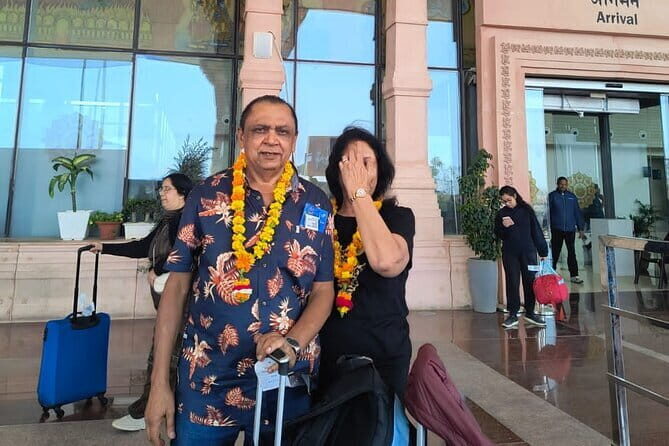
This tour is designed as a true same-day escape. You get pickup from your hotel around 05:00, then you drive to Ayodhya early enough to make the most of the daylight and keep the schedule moving. The duration is listed at roughly 10 to 12 hours, and the ending is simple: you return to Varanasi for hotel drop-off.
That early timing matters more than it sounds. Ayodhya is a destination with a steady flow of pilgrims, and temple time can stretch when you add crowd rhythm, walking, and respectful viewing. Leaving early helps you avoid the most chaotic peaks.
The car is also a real plus for comfort and efficiency. You travel in a private medium air-conditioned vehicle with GST included and bottled water on hand. That makes a difference when your day starts before sunrise and ends after temples and walks.
You can also read our reviews of more tours and experiences in Varanasi.


Price and what you’re actually paying for

At $170 per person, this isn’t a “cheap transfer” style trip. What justifies the price is the mix of private transport plus structured time with a guide and admission tickets included for the listed temple stops.
Here’s what you can count on being covered based on the tour details:
- Private A/C pickup and drop-off
- Professional art historian guide (Govt approved)
- Bottled water
- GST
- Admission tickets included for the temple stops in Ayodhya
What’s not included:
- Meals (you’ll need to budget for lunch or snacks)
- Gratuities (optional)
My practical take: if you were trying to piece this together yourself—car, tickets, and a guide who can explain symbols and stories—you’d likely spend your time and end up paying comparable money anyway. This package mostly saves you the headache and gives you a smoother day.
Also note the price is per person, but the tour is listed as a private tour/activity for your group. If you’re traveling with friends or family, it can feel like better value because the “private” part stays true.
Your temple circuit in Ayodhya: what each stop gives you
This is a day of major religious landmarks, but it’s not a random lineup. Each stop is positioned to build a mental map of Ayodhya’s devotional landscape.
Shree Ram Janmabhoomi Temple (Temple time: about 4 hours)
This is the core stop: the Shree Ram Janmabhoomi Temple. The listing clearly frames it as deeply significant for Hindus, and the way the time is allocated—about 4 hours—suggests you’re not just doing a quick pass. You’ll have time to enter, look closely, and understand what you’re seeing rather than treating it like a checklist.
What I’d watch for: respect and pace. With temple visits, the experience is partly about how you move—where you pause, how you observe, and how you hold your space. The guided approach helps here, because you’re less likely to miss the symbolism that people come to honor.
Possible drawback: four hours can feel long if you’re not used to temple-style touring. If you prefer short stops, take it as the anchor of the day and build your energy around it.
Hanuman Garhi Mandir (about 1 hour)
Next is Hanuman Garhi Mandir, perched atop a hill. The big benefit here is that the hilltop setting gives you a panoramic view of Ayodhya, which helps your brain connect the stories to the geography.
Why this stop feels different: it’s not only about worship. It also works like an orientation point. Once you see the spread of the city from higher ground, the rest of the day makes more sense.
What to keep in mind: because it’s on a hill, you’ll be doing some incline walking. Wear solid footwear. The tour also advises you not to wear high heels during walking portions.



Kanak Bhavan Temple (about 1 hour)
Then comes Kanak Bhavan Temple, associated with Lord Rama and his consort Sita. The listing highlights intricate architecture and vibrant paintings, and that’s exactly where a guide earns their keep. Without interpretation, you can walk through beautiful details and still not know what each element is meant to communicate.
This is also a helpful contrast. After the scale and significance of Ram Janmabhoomi, Kanak Bhavan feels more like a careful study stop—an hour where you’re meant to slow down and notice.
Guptar Ghat (about 1 hour, after lunch)
After lunch, you visit Guptar Ghat along the Sarayu River. The listing describes it as serene, with religious and historical importance.
This is the “breather” portion of the day. Temple time can be intense. A ghat gives you open air, river views, and a different kind of spiritual atmosphere—more reflective, less ceremonial. It’s a good time to rest your feet and reset before your final walk.
Potential consideration: since lunch isn’t included, you’ll want to plan for what your day’s timing will feel like. If you’re hungry, ask your guide or driver early where you’ll get food so you don’t lose momentum.
Ram Ki Paidi and nearby temples (about 1 hour)
Your final Ayodhya stretch includes Ram Ki Paidi, a ghat along the Sarayu River, plus visits to notable temples in that area like Kale Ram and Nageshwar Nath Temple.
This stop works well as a closing act. You’re combining the river setting with smaller temple moments, so your last hour feels layered instead of rushed. Also, walking along a ghat helps you understand how temples and daily life link up around the water.
The Varanasi side that turns the day from sightseeing into meaning
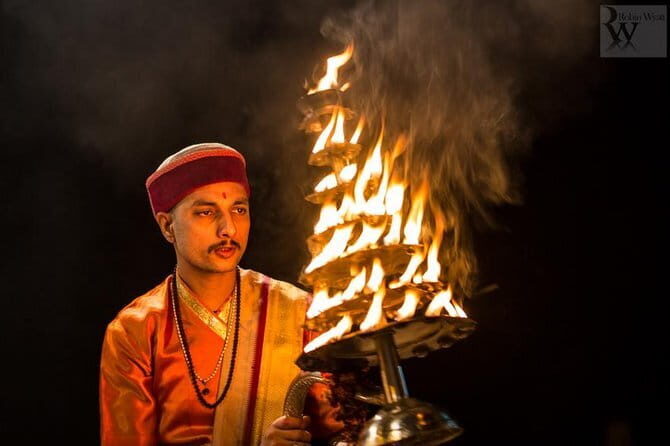
The Ayodhya circuit is only part of the story. The experience description adds an important Varanasi element: a guided sunrise rowing boat ride on the Ganges plus walking through old lanes and a famous food street known as Kachauri.
One note of honesty: the itinerary list you’ll be working from is Ayodhya-heavy, while the Varanasi highlights are described as part of the overall experience. So timing can depend on your exact schedule that day. But the intention is clear: you get the sacred river culture alongside the temple culture.
Sunrise boat ride on the Ganges: why it’s the standout
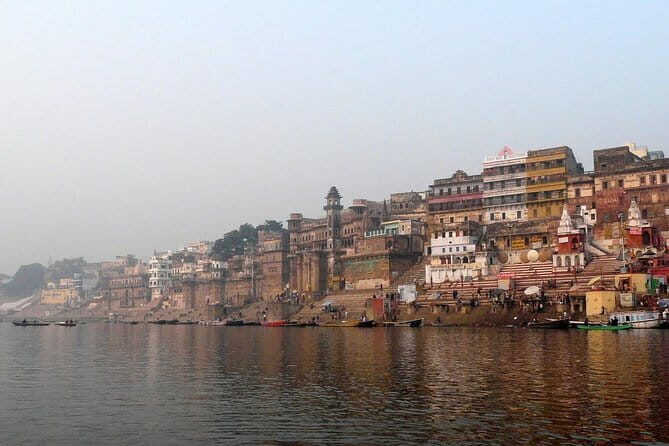
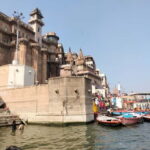
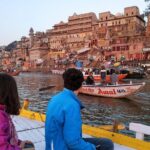
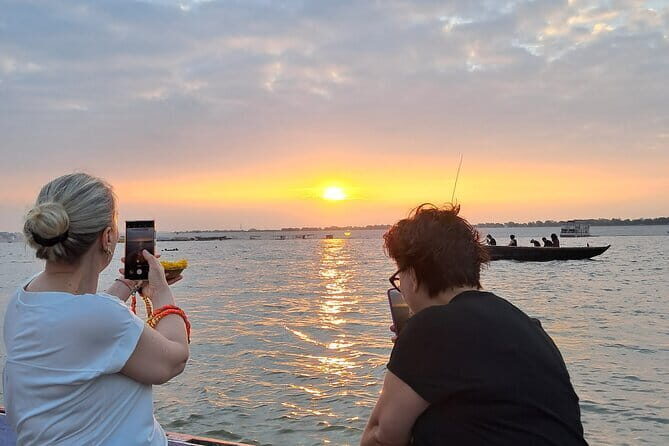
If you do only one “extra” thing in Varanasi, this is the type. The plan is described as a guided sunrise boat ride with a private boat, moving along the river and passing different ghats and former palaces close to the banks.
Why it’s so powerful: dawn light changes everything. Even if you’ve seen photos of the ghats, seeing them at sunrise gives you a different scale and mood. The boat also keeps you from being trapped in foot traffic and lets you watch the city from the waterline.
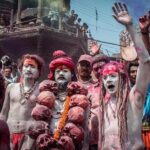
The experience promises you’ll witness daily Hindu rituals and see cremation ghats too, with guidance about the logic behind burning dead bodies. That last part matters. Without context, it can feel shocking or confusing. With a guide, it turns into something you can understand respectfully.
A specific name that came up in the experience: Mr Sunil Sahani, along with his team of boatmen, was described as very helpful and informative. That lines up with the whole point of this segment: you’re not just taking a boat ride, you’re learning what you’re seeing.
One small practical tip: the tour advises not to wear high heels during boat ride and walking portions. Wear something that won’t ruin your day if you’re stepping, boarding, or walking on uneven ground.
Old lanes and the Kachauri food street walk
After the river time, the description includes a walk into thousands-years-old streets and exploring north bazaar areas, plus time at the food street known as Kachauri.
This is where you get the day-to-day texture. Temples give you the big stories; old lanes and food streets give you the everyday vibe that keeps Varanasi from becoming a museum.
Also, this part is great for photos, but it’s better for people-watching. You’ll see how vendors, walkers, and rituals exist side by side.
Timing and comfort: how to make a 10 to 12 hour day work
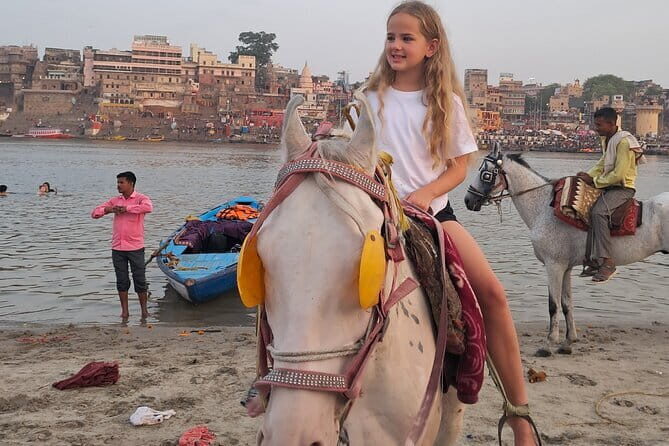
This kind of trip wins on focus, but it can wear you out if you show up underprepared. Here’s how to set yourself up for the smoothest version of the day.
Start early and expect a packed schedule
The trip leaves early and returns the same day. That’s why early pickup is a big deal. It also means you should plan your arrival and departure buffer times for Varanasi carefully. If you have any evening commitments back home, keep them flexible.
A review recommendation echoed this same idea: if you want to make the day fit your plans without stress, leaving early and returning on time matters. The tour is long enough that timing delays can snowball.
Bring the right shoes
The tour is explicit about footwear for boat ride and walking: skip high heels. I’d add a simple traveler rule: choose shoes you can walk in for an hour or two without thinking. A hilltop temple (Hanuman Garhi) and ghat walking (Guptar Ghat / Ram Ki Paidi) make this more important than you might expect.
Plan for meals (because they’re not included)
Meals are listed as not included. That’s common on structured tours, but it changes your comfort level. You’ll want either:
- a snack strategy for the long day, or
- enough cash and patience to buy food near the right time
Since the itinerary includes a “after lunch” stop at Guptar Ghat, lunch time will exist in the flow. But the tour doesn’t promise a specific included meal.
What you’ll learn (and why a guide matters here)

This is one of those tours where the difference between a good day and a great day is the interpretation. You have a professional art historian guide, and that’s not just a credentials flex.
With temple visits, it’s easy to get overwhelmed by scale and symbolism. With the Ganges boat segment, it’s easy to feel lost if you don’t know what ritual you’re watching or why certain practices exist.
The experience description also signals that you’ll get explanations around:
- the significance of major sacred sites
- why cremation ghats are arranged and used as they are
- daily Hindu rituals visible from the river
And from the experience feedback, the boatmen and guide team were described as helpful and informative, particularly during the sunrise ride. That means you’ll likely spend your time asking questions rather than just wondering.
Who this tour suits best
This is a strong fit if you:
- want a same-day Ayodhya hit without overnight logistics
- like your sightseeing with context, not just landmarks
- enjoy early starts and can handle a longer day
- want a mix of temples plus Varanasi river culture
- travel with a group and value the private-group setup
It may be less ideal if you:
- hate long walking days or inclines
- need lots of meal planning included in the price
- want a slow pace with frequent breaks
Should you book this same-day Ayodhya tour?
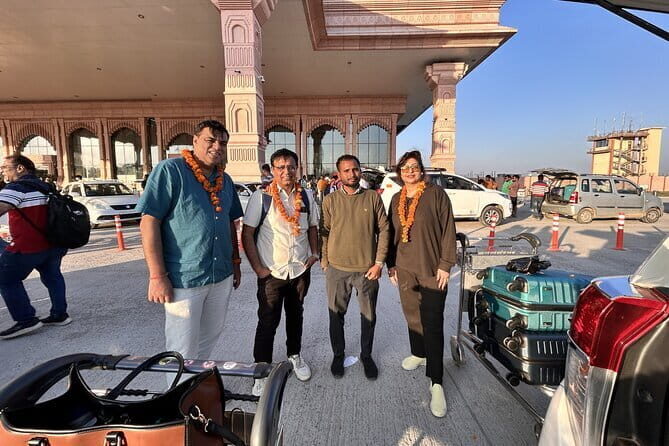
If your priority is maximizing limited time in Varanasi, this one makes sense. You get major Ayodhya temple coverage in one day, plus the kind of Ganges sunrise viewing that’s hard to replicate independently. At $170, the value comes from the combination of private transport, a Govt-approved art historian guide, and included admissions.
I’d book it if you’re comfortable with a long day and you want the day’s meaning as much as the photos. I’d hesitate if you want meals fully handled, or if you’re easily worn down by early mornings and temple-style pacing.
If you do book, wear good shoes, plan snacks or lunch logistics, and be ready for an early start that sets the tone for the whole experience.
FAQ
What time is hotel pickup?
Pickup is offered from your hotel in Varanasi at around 05:00.
How long is the tour?
The duration is approximately 10 to 12 hours.
Is admission included for the Ayodhya temple stops?
Yes. Admission tickets are included for Shree Ram Janmabhoomi Temple, Hanuman Garhi Mandir, Kanak Bhavan Temple, Guptar Ghat, and Ram Ki Paidi.
Does the tour include private transportation?
Yes. You’ll have a private medium air-conditioned car for hotel pick-up and drop-off.
Is the tour private or group-based?
It’s a private tour/activity, and only your group participates.
Are meals included in the price?
No. Meals are not included.
What should I wear for the boat ride and walking tour?
The tour advises you not to wear high heels shoes during the boat ride and walking tour.
Is there free cancellation?
Yes. You can cancel up to 24 hours in advance for a full refund.