REVIEW · VARANASI
Walking tours – for an authentic Varanasi experience
Book on Viator →Operated by Kashi Journeys · Bookable on Viator
Some places in Varanasi are hard to understand fast. This walking tour makes the chaos legible. You’ll see sacred ghats and temples with a local guide, plus quieter lanes that most guidebooks skip.
I especially like the way the route strings together major sites and everyday life. You’ll pass big checkpoints like Godowlia Crossing, then move through calmer temple pockets, and even stop for a famous lassi. Another high point for me is the people factor: guides such as Rajiv (described as tireless and deeply insightful) and Anubis (kind, friendly, and clearly good at explaining) help you read what you’re seeing without turning it into a lecture.
The one thing to consider is the subject matter and the crowds. You’ll be near active religious life, including cremation rituals where photography is prohibited, and you’ll walk through busy areas for several hours.
In This Review
- Key takeaways before you go
- Why this Varanasi walking tour beats a quick drive-by
- From Godowlia Crossing to Dashashwamedh Ghat: get your bearings fast
- Man Mandir and Meer Ghat: architecture and faith in the same breath
- Nepali Temple and Kathwala: a calm side route from the main river
- Manikarnika Ghat: cremation rituals, and why rules are strict here
- Alamgir Mosque: a layered site where temples and mosques share a footprint
- Maa Sankata Devi Temple and Kashi Vishwanath: the city’s sacred spine
- Food, tea, and the small stops that make it feel local
- Price and logistics: what $13 covers, and what might cost extra
- Timing, weather, and walking conditions that affect comfort
- Getting the most from your guide on a themed route
- Should you book this Varanasi walking tour?
- FAQ
- How long is the Varanasi walking tour?
- What’s included in the price?
- Are monument entrance fees included?
- Is hotel pickup and drop-off included?
- Does the tour run in any weather?
- Can I cancel for a refund if plans change?
Key takeaways before you go
- Private group means your guide can pace the walk around your interests
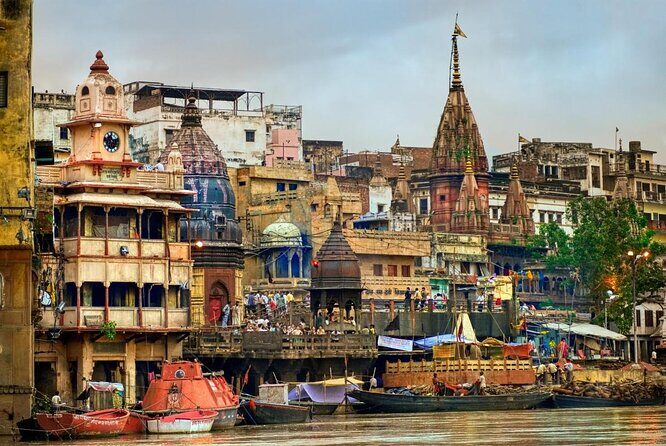
- Ghat-to-temple route links big-name spots with lesser-known lanes
- Food and drink stop includes a classic option: Blue Lassi Shop
- Cremation-ground etiquette matters (and photos are not allowed there)
- Some entrances cost extra while others include admission
- Value check: $13 covers guide + water + tea/coffee, not transport or all monuments
Why this Varanasi walking tour beats a quick drive-by
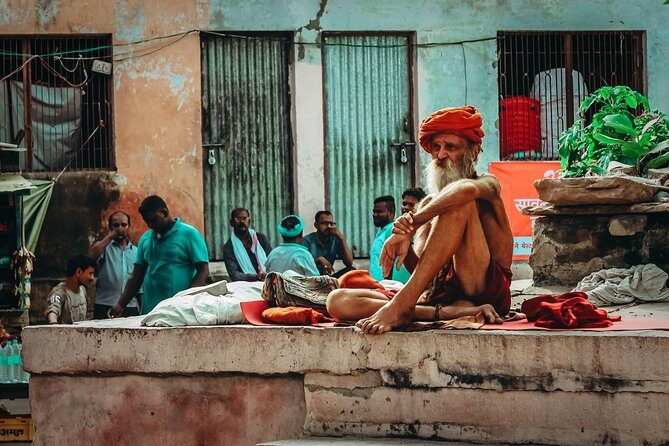
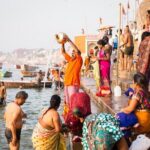
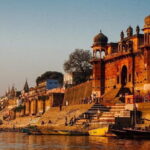
Varanasi is one of those cities where a car can only take you so far. The real story sits in steps, staircases, alleys, and the small moments between ceremonies. A walking tour keeps you close to the sights and sounds that make the Ganges feel like the city’s main street.
This experience works because it’s built around context. Your guide doesn’t just point at places like Godowlia Crossing or Dashashwamedh Ghat. They help you understand why these spots matter, how different religious spaces share space in the old town, and where everyday people move when no one’s herding tourists.
And yes, it’s good value. At around $13 for 4–5 hours, you’re paying mostly for expert guidance and time in the right places, not for fancy vehicles. Bottled water plus coffee and/or tea are included, which helps you stay comfortable when the day is hot and the crowd pressure starts.
You can also read our reviews of more walking tours in Varanasi

From Godowlia Crossing to Dashashwamedh Ghat: get your bearings fast
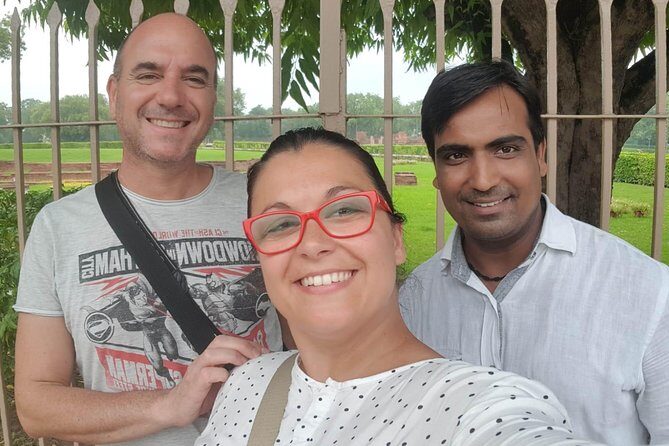
The walk starts around Godowlia Crossing, described as one of the most busy/crowded crossings. I like that choice. It’s a fast way to learn the rhythm of the city—where people compress, how streets feed into ghats, and how quickly the noise shifts as you move toward the river.
From there, you head toward Dashashwamedh Ghat, one of the best-known ritual-facing ghats. It’s described as having two parts, with Prayaga Ghat (which replicates the holy city of Prayagraj/Allahabad) between them. You also get a historical thread tied to the horse sacrifice being a first historically recorded site associated with that ritual theme. Even if history isn’t your main interest, this kind of framing helps you understand what you’re seeing when ceremonies start to line up visually.
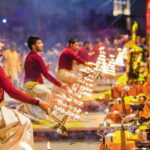
Expect this stretch to feel like a mix of reverence and everyday business. Families move through the steps. Priests and participants handle their routines. If you keep your eyes open, you’ll notice patterns—how people gather at the right angles, where they stand for viewing, and how the riverfront spaces shape the ceremony.
Man Mandir and Meer Ghat: architecture and faith in the same breath
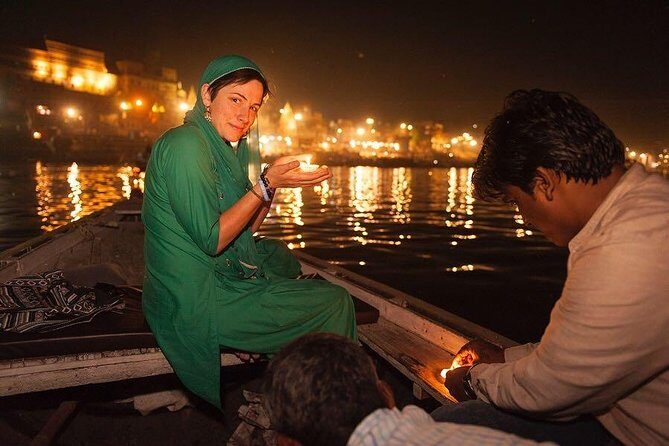
A standout stop is Man Mandir Ghat, where you’ll see the Man Singh Observatory area. This palace-built site traces to Savai Man Singh of Amber, dated roughly from 1585 to 1605. The draw here is visual craft: ornately carved windows and a roof with religious observatory elements. Even in a short visit, it gives you a different Varanasi lens—less about ceremony, more about how rulers and thinkers shaped knowledge spaces.
One practical note: entrance is not included at this stop. So if you’re counting every rupee, plan for a small extra fee here. Still, it’s one of the more impressive “stop-and-look” moments on the route.
Next comes Meer Ghat, named in 1735 after the Muslim commander Mir Rustam Ali. This ghat is a bridge into temple access: you get connection to places like the Vishalakshi temple and Dharma Kupa. At the top of the ghat, there’s also New Vishwanath temple, built in 1956 by the conservative Brahmin Swami Karapatri-ji. That layering matters. You’re seeing how a riverside space can hold multiple religious identities without forcing a single narrative.
Meer Ghat lists admission as included, so it’s one less thing to worry about financially. In terms of feel, this part of the walk often slows down—more time to look closely at stonework, stair landings, and the way people move between the river edge and the temple steps.
Nepali Temple and Kathwala: a calm side route from the main river
As the walk continues, you’ll reach the Nepali Temple, also called Kathwala Temple. It’s described as a pretty little shrine of the goddess Ganga River near the bank. From the water’s edge, a staircase leads up to the Nepali temple, which is described as a replica of Pashupati Nath Temple.
What I like about this stop is that it feels like a pause button. Even in a city that never really quiets down, this section can feel more contained. The temple building is noted as being built with wood and brick and is considered picturesque, which makes it a good contrast to the open, ceremony-heavy ghats.
Entrance is not included here. If you want to keep your spending predictable, treat this as an optional splurge inside the overall low-cost tour.
And importantly, the guide’s job isn’t just to show you the temple. It’s to help you understand why this kind of replica matters in Varanasi’s religious geography—how devotion travels and how architecture becomes a form of memory.
Manikarnika Ghat: cremation rituals, and why rules are strict here
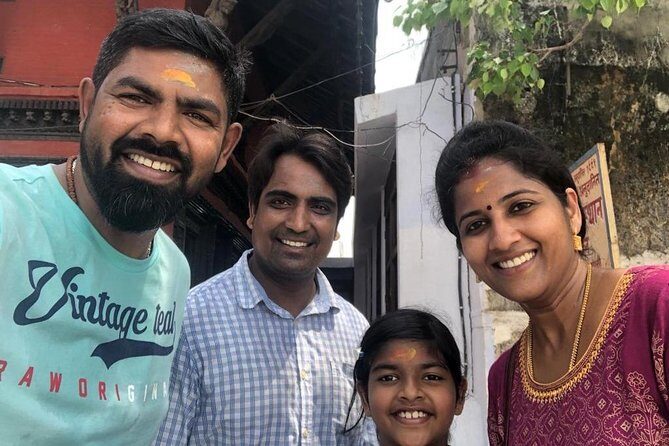
Manikarnika Ghat is famous for cremation rituals. The big thing you need to know before you go: photography of the cremation area is prohibited. That rule is there for a reason—respect, privacy, and the dignity of a life event that isn’t a spectacle.
This is one of the stops where I’d pay attention to the guide’s cues. A good local guide helps you stand at the right distance and avoid turning your curiosity into disruption. You’ll likely see relatives and participants moving through ritual steps, and you may notice how the atmosphere changes compared with other ghats.
The visit is about observation with restraint. No rushing for photos. No zooming in on faces. Just steady looking, quiet attention, and letting the ceremony happen without you crowding it. If you’re sensitive to heavy topics, this stop may be harder than the rest. But if you want to understand Varanasi beyond postcards, this is part of the truth.
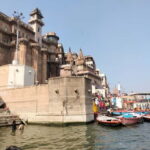
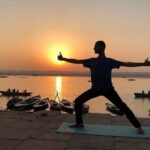

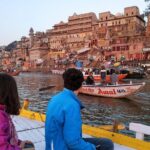

Alamgir Mosque: a layered site where temples and mosques share a footprint
Then you move into another powerful contrast: Alamgir Mosque. The site is described as built on the location of an 11th century Vishnu temple. The story continues with destruction in the 15th century, rebuilding by the king of Amber (Rajasthan), and then a final transformation into a mosque in 1673 by the bi… (the details in the description are truncated, but the key point is the conversion date and transformation from temple to mosque).
This stop can feel like a crash course in how history in India isn’t tidy. It’s a stack of eras, each leaving marks on the same physical ground. You’re not just looking at a building; you’re looking at a timeline.
Admission is listed as included here, which keeps the focus on the experience rather than payments. Take a moment to slow down. Look at how people use the space around the mosque area and notice where sightlines lead back toward the river world.
Maa Sankata Devi Temple and Kashi Vishwanath: the city’s sacred spine
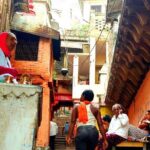
After Alamgir Mosque, the walk moves into the lanes of the northern part of the old city. This is where the tour leans into daily texture, not just famous monuments. You’ll get peeks through galiya (alleyways) and see how life sits alongside long-standing religious sites. The description even points to people who have never left the street for years. Whether or not you catch that exact detail, you’ll feel the difference between a tourist corridor and a lived-in one.
Maa Sankata Devi Temple is a key stop here, and admission is listed as free. This is a good place to pause, catch your breath, and let your guide explain what the temple represents in local practice. It’s not just about architecture. It’s about why people return and what they ask for.
The tour also includes a classic break: Blue Lassi Shop. If you want it, you can stop for lassi (at your own expense). I like the practical timing of this. By this point, you’ve been on your feet long enough that a small refresh helps you keep walking with less crankiness.
Finally, the day finishes at Kashi Vishwanath Temple, one of the most famous Hindu temples dedicated to Lord Shiva. It’s also described as known as the Golden temple. Admission is listed as free here, and the visit is short, so you’ll want to use your time efficiently: look around first, then step in as appropriate and follow any local crowd flow.
The tour ends back around Godowlia, passing local markets, shops, and one more famous temple. That closing loop matters because it takes you out of the most obvious ceremonial zone and into the commercial and everyday side of Kashi.
Food, tea, and the small stops that make it feel local
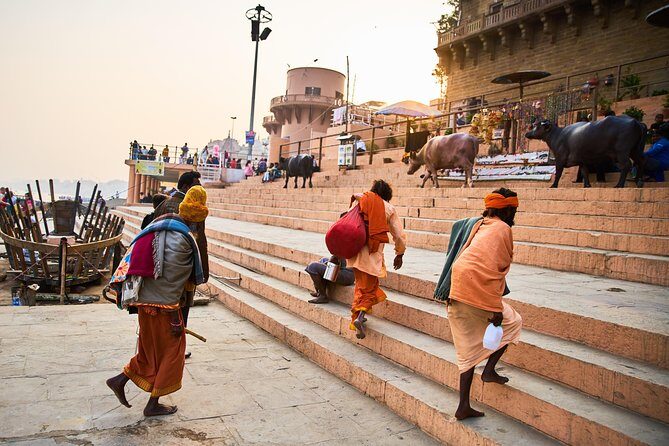
A walking tour in Varanasi can become either meaningful or exhausting depending on how your day is paced. Here, you get bottled water plus coffee and/or tea included, and that’s more useful than it sounds. Heat + stairs + crowds can drain you faster than you expect, and a hydration and caffeine reset can keep you present.
You also get at least one built-in food moment through the Blue Lassi Shop. It’s not included, but it’s positioned where it’s likely to help. This is the kind of detail I look for because it signals the guide knows how tourists actually move through the city: first you’re curious, then you’re tired, then you want something simple and familiar.
And across the walk, you’re also told where the best places to eat, drink, and visit. Even if you don’t follow every suggestion, it helps you leave with a better map in your head for how to spend extra time on your own.
Price and logistics: what $13 covers, and what might cost extra
Let’s talk value. Around $13 for 4–5 hours in Varanasi is a bargain, especially for a private tour. You’re paying for a local guide, eco-friendly guiding, bottled water, plus coffee and/or tea. You also get a mobile ticket.
The main add-ons aren’t huge, but they’re real:
- Vehicle pickup and drop from your hotel is not included, even though pickup is offered. If you need transport arranged, ask clearly what’s covered for your specific hotel location.
- Monument entrance fees are not universally included. Some stops list admission as included, and others list admission as not included—like Man Mandir Observatory and Nepali Temple.
So I’d budget a little extra for entrances at the stops marked not included, plus whatever you choose to spend on lassi at Blue Lassi Shop.
This pricing structure is actually common in India. What makes this tour feel like a good deal is that your money largely buys guidance and time, not just access. And the private format matters here: you aren’t waiting around for strangers’ schedules.
Timing, weather, and walking conditions that affect comfort
This experience requires good weather. If the day is rain-soaked, it may be canceled and you’d be offered a different date or a full refund. That’s important because a ghat-and-lane walk isn’t built for slick steps.
The tour is also roughly 4 to 5 hours. That means you should plan on steady walking and frequent pauses. You’ll see crowded areas like Godowlia Crossing and also quieter temple pockets. Some stops are brief, so comfort matters—wear supportive shoes and dress for sun and modest temple etiquette.
It’s also near public transportation, which can help if you’re coordinating with other parts of your trip and don’t want your entire day to depend on a single pickup.
Getting the most from your guide on a themed route
This isn’t a cookie-cutter walk. It’s described as private and themed—your guide can follow ideas like colors and scenes of the town or even the flavors and vibrancy of local cuisine.
That matters because Varanasi has too much going on. A strong guide helps you decide what to watch and what to skip. Based on what I’ve seen described about guides like Rajiv and Anubis, the best part is their ability to translate what you’re seeing into context. That’s how a set of temples and ghats becomes a coherent story instead of a list of photos.
If you want to get the maximum out of it, ask questions that connect sites to daily life. Why is this ghat arranged this way? What do people do right here? Where does this temple fit into the city’s rhythm? Then let the guide redirect you to the next lane or viewpoint.
Should you book this Varanasi walking tour?
Book it if you want a focused way to experience Varanasi on foot with a local guide. It’s ideal for first-timers who feel overwhelmed by the city’s scale, and for anyone who wants both the major ghats and the alley-level texture that makes Varanasi feel real.
It’s also a smart pick for value. You’re paying a low rate for real guidance plus thoughtful touches like bottled water and tea/coffee.
Skip or rethink if you’re very uncomfortable with cremation-related rituals or if you can’t handle uneven, stair-heavy walking through crowded riverfront areas. This is a walking tour in a sacred, lived-in city, not a resort-style stroll.
If your goal is understanding, not just seeing, this tour makes the day make sense.
FAQ
How long is the Varanasi walking tour?
It runs about 4 to 5 hours.
What’s included in the price?
You get bottled water, coffee and/or tea, an eco friendly tour guide, and a mobile ticket.
Are monument entrance fees included?
Not always. Monument entrance fees are listed as not included in general, though some specific stops show admission ticket included and others list admission ticket not included.
Is hotel pickup and drop-off included?
Vehicle pickup and drop from/to your hotel is not included, even though pickup is offered.
Does the tour run in any weather?
It requires good weather. If it’s canceled due to poor weather, you’ll be offered a different date or a full refund.
Can I cancel for a refund if plans change?
Yes. You can cancel for a full refund up to 24 hours before the experience starts.