REVIEW · VARANASI
Private Day Tour in Varanasi
Book on Viator →Operated by Praveen Pathak · Bookable on Viator
Varanasi starts before the sun.
This private day tour is a smart way to experience the city’s spiritual core in one go, with early boat time and a private guide to explain what you’re seeing. I especially like the smooth flow between the river and the old city lanes, plus the way the day is tailored to your pace. One thing to keep in mind: it’s an early start (5:30 am), so if you arrive late, the timing can get tight and some sections may feel more rushed than you planned.
What makes the experience feel worth it is the mix of iconic ghats and the evening ceremony, without you having to figure out routes in a maze. You’ll get the practical help of a local guide—Praveen Pathak is highlighted as the name to watch for—so you know where to stand, what to photograph, and what the rituals mean. The main drawback to consider is that there can be disagreement between expectations and reality about how much stays fully “transported” versus walked through dense areas, so it’s wise to confirm how transportation will work for your exact day.
In This Review
- Key moments worth planning around
- The private day flow: 5:30 am to evening worship
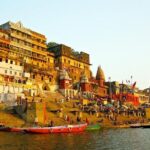
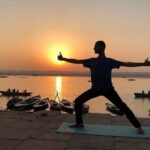
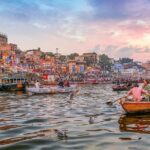
- Dasaswamedh Ghat at first light: boat rituals and sunrise photos
- Harishchandragad and Manikarnika: cremation ghats with a guide’s context
- Kashi Vishwanath Temple: one of the city’s most important stops
- Monkey (Durga) Temple and the quick street-temple reset
- Banaras Hindu University: an educational stop beyond the ghats
- Ganga Aarti: the evening ceremony that closes the loop
- Price and what you’re really paying for ($67)
- Best fits (and who should reconsider)
- Should you book the Private Day Tour in Varanasi?
- FAQ
- What time does the tour start?
- Where is the meeting point?
- How long is the tour?
- What’s included in the price?
- Are meals included?
- What are the main stops on the day?
- Are entrance tickets required?
- What group size should I expect?
- What happens if the weather is bad?
Key moments worth planning around
- Dasaswamedh Ghat at first light: morning riverbank rituals and photography time
- Two cremation ghats (Harishchandragad and Manikarnika): understand traditions, not just sights
- Kashi Vishwanath Temple: a major Hindu pilgrimage stop in the old city
- Durga (Monkey) Temple: quick visit with local devotion and street energy
- Banaras Hindu University: a stop that adds an education/history angle
- Ganga Aarti: the 1-hour evening worship that ties the day together
The private day flow: 5:30 am to evening worship
This is built like a full day, not a quick punch-list. You start at 5:30 am from St. Thomas Church on Luxa Rd, and the tour ends back near that same meeting point. With a duration listed at 6 to 10 hours, the pace depends on how long you spend at each stop and how your guide manages crowds, prayers, and photography windows.
The big value here is that you’re not trying to stitch together transport, timing, and meaning on your own. A private guide helps you avoid the common beginner problem in Varanasi: seeing a lot but understanding little. You’ll still walk through active areas—this is a working, living city—but you’re not fully on your own.
Group size is capped at 20, and the format is designed to feel personal rather than rushed. If you like the idea of a day that mixes calm viewing (river moments) with intense cultural scenes (ghats and ceremonies), this tour matches that mood well.
You can also read our reviews of more private tours in Varanasi
Dasaswamedh Ghat at first light: boat rituals and sunrise photos
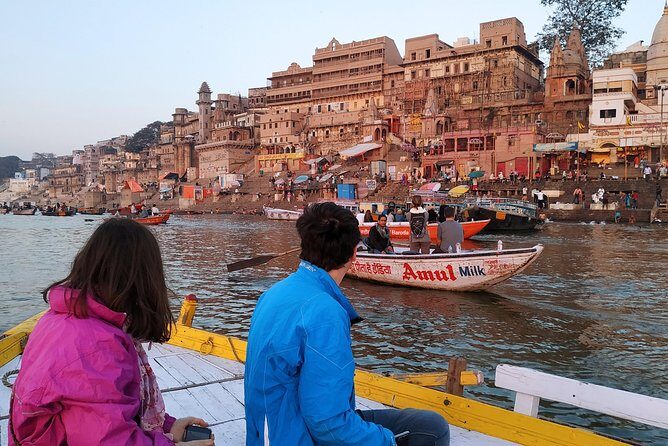
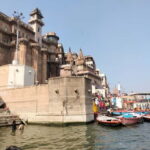
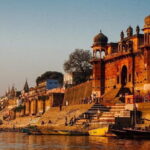
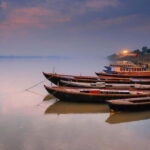
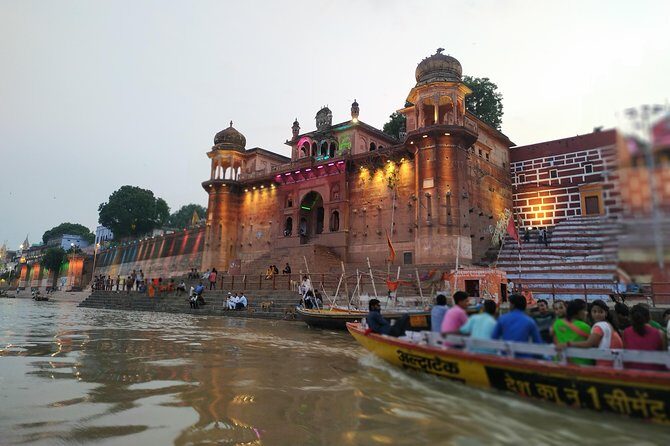
Your day begins at Dasaswamedh Ghat, one of Varanasi’s oldest ghats. Expect a short stop here, but it’s short in a good way: you’re meant to catch the river atmosphere while it’s still early and manageable. The experience includes a boat, and the point is to watch the morning rituals along the riverbanks from the water.
This is where the tour earns its “first-time Varanasi” label. From the ghat you’re surrounded by people bathing, praying, and preparing for the day, and from the boat you get a different rhythm—more movement, less crowd pressure, and easier sightlines for photos.
The tour also includes time for people bathing and for photography, including wide-angle sunrise-style views. That means you’re not just staring; you’re given a moment to capture the scene without constantly feeling like you’re in the way.
Practical tip: in the early morning, the air can feel chilly even in warm months, and the ground around ghats can be uneven. Wear shoes you can trust and bring something small to cover up if you feel exposed around temples and ritual areas.
Harishchandragad and Manikarnika: cremation ghats with a guide’s context
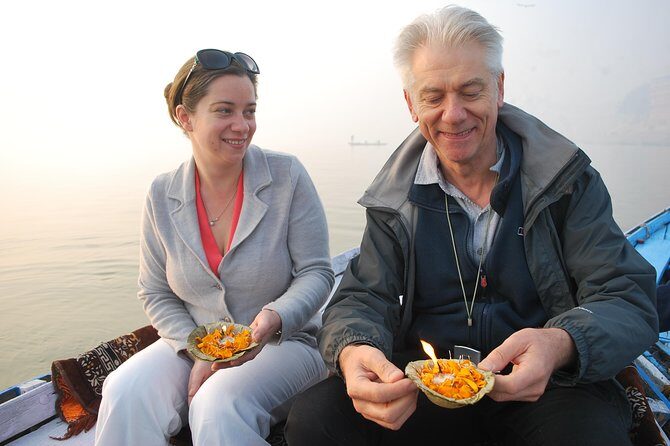
Next come the cremation ghats—Harishchandragad and Manikarnika Ghat. The tour windows are short (about 10 minutes per stop), but they’re packed with meaning. This isn’t a “look and leave” kind of visit. The guide’s job is to explain the rituals and traditions connected to death ceremonies, so you understand that this is part of a long cultural system, not random spectacle.
Here’s the honest consideration: these stops can be emotionally heavy. If you’re sensitive to the idea of cremation or you’re traveling with kids, you may want to mentally prepare. The benefit is that going with a private guide can reduce confusion. You’re more likely to notice details (processions, ritual steps, the roles people play) instead of just feeling overwhelmed.
Also, a good guide helps you photograph respectfully and know where you should not linger. You don’t need to force enthusiasm in a place like this. You just need awareness and space.
A small caution based on real-world expectations: one review called out confusion about entrance fees and transport, and another stressed that timing can shift if someone arrives late. In areas like cremation ghats, ask ahead (or confirm on the morning) what is included versus what you might pay at the moment.
Kashi Vishwanath Temple: one of the city’s most important stops
Then the tour moves to Kashi Vishwanath Temple, one of the most important Hindu temples in Varanasi. You get a brief stop here (around 10 minutes), which is perfect for first-timers: enough time to get oriented, see the key areas, and get your questions answered without turning it into a long temple marathon.
The guide matters most at temples like this. Without guidance, it’s easy to get lost in the crowd flow, miss what is significant, or misunderstand what you’re seeing. With a guide, you can focus on what to observe and how to behave—especially when prayers are underway.
Because this is a major pilgrimage site, expect strong spiritual energy and crowds. If you want photos, move with care. If you want quiet, choose your moments—early times can be less congested than later, but it still won’t feel empty.
Monkey (Durga) Temple and the quick street-temple reset
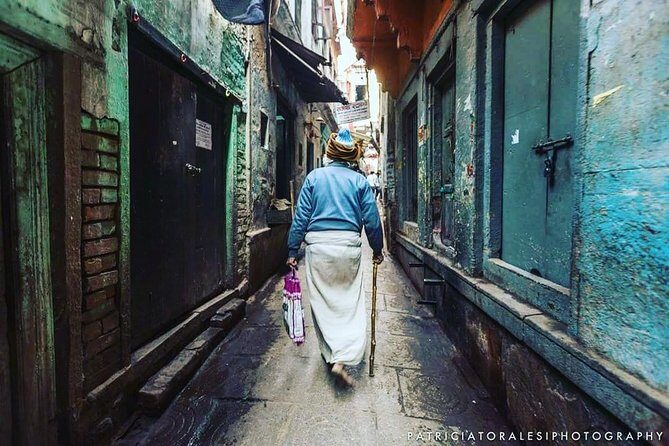
After the big temple energy, you’ll visit the Monkey Temple (Durga Temple) for about 15 minutes. This is a good counterbalance: it’s shorter, more accessible, and it gives you a break from the heavier mood of the cremation ghats.
The tour frames it as an important temple for Hindu pilgrims, and that matters—this isn’t just a photo stop. It’s a working religious location within the neighborhood life of Varanasi. You’ll likely find the area lively, and the short visit helps you keep your day from turning into one long stretch of solemnity.
Practical note: keep your personal space and belongings secure. In temple areas with animals and lots of activity, small distractions become bigger problems fast. Keep your phone secure and your attention on your surroundings.

Banaras Hindu University: an educational stop beyond the ghats
A standout contrast on this tour is Banaras Hindu University, where you’ll spend about 15 minutes. It’s described as one of the oldest universities in India, and that’s a helpful reminder that Varanasi is not only rituals and riverfront life.
This stop gives you a different angle on the city: people, ideas, and modern scholarship connected to a long cultural place. Even if you’re not visiting as a campus traveler, it helps balance your day so it doesn’t feel like you only experienced spirituality and narrow streets.
The value here is pacing. After temple and ghat intensity, a brief educational viewpoint gives your brain space to rest and regroup.
If you’re the type who likes understanding how cities evolve—how tradition and institutions coexist—this stop is a pleasant addition.
Ganga Aarti: the evening ceremony that closes the loop
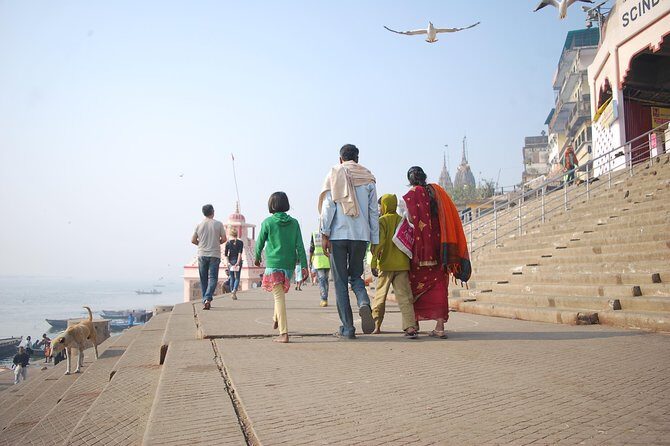
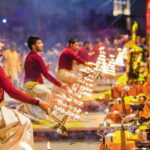
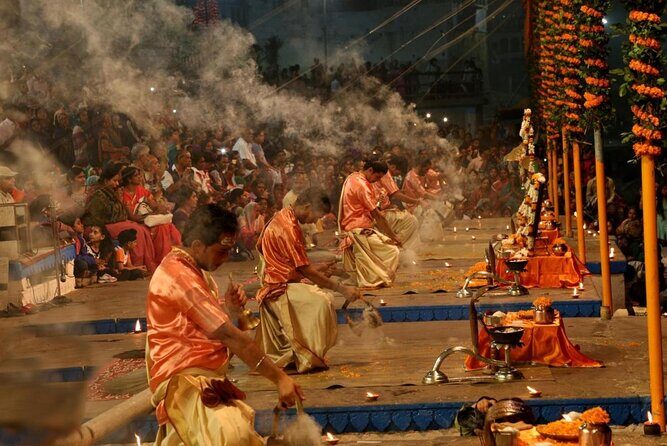
The day ends at Ganga Aarti, with about 1 hour for the evening worship ceremony. This is the moment the whole route starts to make emotional sense.
Aarti is more than a “show.” It’s a repeated ritual tied to devotion and the river itself, and having your guide with you helps you understand what’s happening as it happens—why certain actions matter, what you should watch for, and how people participate.
The best part of timing it at the end is that you’ve already seen the ghats up close, including the cremation areas and the main temple. So you understand the river’s role on multiple levels: daily bathing, spiritual practice, and ceremonial meaning.
If you’re hoping for a memorable photo, the ceremony will tempt you to jump up and shoot nonstop. Try a calmer approach: watch for a minute, then choose a couple of spots or angles. In crowded ceremony settings, respectful patience pays off.
Price and what you’re really paying for ($67)
At $67, this tour can be good value—especially because it includes private transportation, a tour guide, and a boat. For Varanasi, those three pieces are usually what make self-planning expensive or frustrating.
Meals are listed as not included (and alcoholic beverages are also not included), so you should plan on spending money for lunch or snacks on your own. That’s common for this kind of day: you’re out early, moving continuously, and stopping where the cultural sites are, not where convenient restaurants are.
Here’s how I’d think about the tradeoffs:
- You’re paying for interpretation. A guide turns chaotic scenes into understandable ones.
- You’re paying for time. Boat + coordinated ghats + evening ceremony means you’re compressing a lot into one day.
- You’re paying for risk reduction. Navigating Varanasi without help can mean wasted time and poor timing.
Just keep expectations aligned. A private tour should feel private—but Varanasi crowds are real, and dense walking segments are part of how these places work. The best approach is to message the provider with any non-negotiables (how much walking you’re okay with, whether you want extra time at a specific stop, and how transportation will be handled in the old city lanes).
Best fits (and who should reconsider)
This tour is especially well-suited for:
- First-time visitors who want a structured route with meaning, not just sightseeing
- People who value having a local guide—Praveen Pathak comes up often as a standout local voice
- Travelers who want both the morning river view and the evening Ganga Aarti within one day
It may be a harder fit if:
- You dislike emotionally heavy cultural sites. Cremation ghats can be intense even with explanation.
- You’re extremely time-sensitive. The schedule depends on crowds, rituals, and how early starts are handled.
- You’re expecting a “no walking” day. The area around ghats and temples is compact and active, so some walking is part of the deal.
One more reality check: the tour requires good weather. If conditions are poor, it can be adjusted or refunded depending on how the provider handles it.
Should you book the Private Day Tour in Varanasi?
I’d book it if you want a guided, full-scope introduction to Varanasi—boat time, major ghats, key temples, and Ganga Aarti—wrapped into one organized day. The guide component is the core strength, and the private format makes it feel easier to ask questions, move at a comfortable pace, and avoid getting stuck or confused.
But before you hit confirm, do two simple things:
- Arrive on time at St. Thomas Church for the 5:30 am start. Early lateness can squeeze the day.
- Confirm what might change in transport or entrance fees on your exact date, especially if you have tight expectations about how much stays vehicle-based.
If you’re flexible, respectful, and ready for a day that mixes beauty with intensity, this tour is a strong way to spend your time in Varanasi.
FAQ
What time does the tour start?
The tour starts at 5:30 am.
Where is the meeting point?
You meet at St. Thomas Church, Luxa Rd, Luxmanpura/Laxmanpura, Ramapura Luxa, Varanasi, Uttar Pradesh 221001, India.
How long is the tour?
It runs for approximately 6 to 10 hours.
What’s included in the price?
Included are private transportation, a tour guide, and a boat.
Are meals included?
No. Lunch and dinner are not included, and the tour also notes that alcohol is not included.
What are the main stops on the day?
Key stops include Dasaswamedh Ghat, Harishchandragad, Manikarnika Ghat, Kashi Vishwanath Temple, Monkey Temple (Durga Temple), Banaras Hindu University, and Ganga Aarti.
Are entrance tickets required?
The stops listed show Admission Ticket Free for the time spent at each location.
What group size should I expect?
This experience has a maximum of 20 travelers.
What happens if the weather is bad?
The tour requires good weather. If it’s canceled due to poor weather, you’ll be offered a different date or a full refund. Free cancellation is available up to 24 hours in advance for a full refund.
If you want, tell me your travel dates and whether you’re prioritizing photos, history explanations, or the ceremony experience most—and I’ll suggest how to plan your morning and what to watch for at each stop.