REVIEW · VARANASI
Spiritual and Heritage Walking Tour in Varanasi
Book on Viator →Operated by Landmark Tour Guide · Bookable on Viator
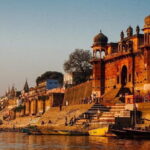
Varanasi turns walking into ceremony. This Spiritual and Heritage walk pulls you through the places that explain why Kashi has lasted for centuries, from old temples to the Ganges ghats where life and death are part of the same riverfront rhythm. I especially like the Nepali Mandir (Kathwala/Kanthwala) details and the way the guide threads history into what you’re standing in front of, including quiet moments like meditation on temple premises.
One thing to consider: Manikarnika Ghat is a cremation ground, so the mood can feel intense. If you’re sensitive to heavy spiritual realities, take your time, stay close to your guide, and be ready for a powerful stop.
In This Review
- Key things you’ll notice on this Varanasi walk
- Start at Luxa Road, then walk straight into Kashi
- Nepali Mandir (Kathwala/Kanthwala): the Mini Khajuraho feeling
- Saint Thomas Church: a different thread in Varanasi’s heritage
- Manikarnika Ghat: the sacred cremation grounds on the Ganges
- Kashi Vishwanath Temple: Shiva devotion inside Vishwanath Gali
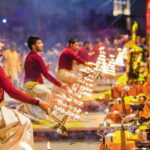
- Dasaswamedh Ghat: evening aarti where devotion sets the pace
- Godowlia street food: chaat culture and funny bargaining lessons
- Kashi Labh Mukti Bhawan: compassion you can’t skip
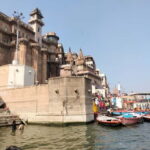
- Maan Mandir Ghat: Rajasthani-style architecture near the action
- Price and timing: what $21 gets you (and what it doesn’t)
- Who this tour fits best
- Should you book this Spiritual and Heritage Walking Tour in Varanasi?
- FAQ
- How long is the Spiritual and Heritage Walking Tour in Varanasi?
- Where does the tour start and end?
- What major places are included on the walking route?
- Is the guide included in the price?
- Is admission included for the temple and ghat stops?
- Do I need a ticket printed, or is a mobile ticket used?
Key things you’ll notice on this Varanasi walk
- Nepali Mandir / Mini Khajuraho: terracotta, stone, and wood in one of Kashi’s older temple forms
- Saint Thomas Church’s early date: a heritage marker that adds depth to Varanasi’s mixed cultural story
- Manikarnika Ghat’s myth + meaning: the cremation grounds tied to Sati’s story in Hindu mythology
- Kashi Vishwanath Temple in Vishwanath Gali: Shiva devotion in a tightly packed lane setting
- Dashashwamedh Ghat and evening aarti: the daily ritual focus on Shiva, Ganga, Surya, Agni, and the universe
- Godowlia street food at chaat time: chaat culture, including Tomato Chat, plus learning the local bargaining style
Start at Luxa Road, then walk straight into Kashi
You begin near Luxa Road at Girja Ghar, and the tour ends back at the same meeting point. It’s a 2 hours 15 minutes walking route, so the schedule is tight enough to keep momentum, but not so rushed that you can’t pause when something catches your eye.
This is the kind of walk that works best when you stop treating Varanasi like a checklist. The best payoff comes when you let the guide slow you down at each turning point—because the city’s meaning lives in the small transitions: temple to lane, lane to river, market to ghat.
Also, with a maximum of 15 travelers, the experience stays personal. That matters in a place like Varanasi, where it helps to have someone to explain what you’re seeing without turning everything into a lecture.
You can also read our reviews of more walking tours in Varanasi


Nepali Mandir (Kathwala/Kanthwala): the Mini Khajuraho feeling
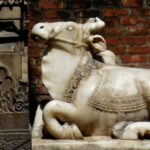
The first temple stop is the Nepali Mandir, also called the Kathwala Temple or Kanthwala Mandir. It’s one of the older and best-known temples in Varanasi, and it’s built using terracotta, stone, and wood—a mix that makes the structure feel layered and lived-in rather than just monumental.
The tour also points out why it’s sometimes described as Mini Khajuraho. You’re not just looking at carvings for show. You’re seeing a design language that links Varanasi to older temple traditions, and you’ll likely notice how the materials create a warm, textured look up close.
Practical note: temples are active places of worship. Keep your pace respectful, and let your guide handle the meaning behind what you’re seeing, especially if you don’t already know the local references.
Saint Thomas Church: a different thread in Varanasi’s heritage
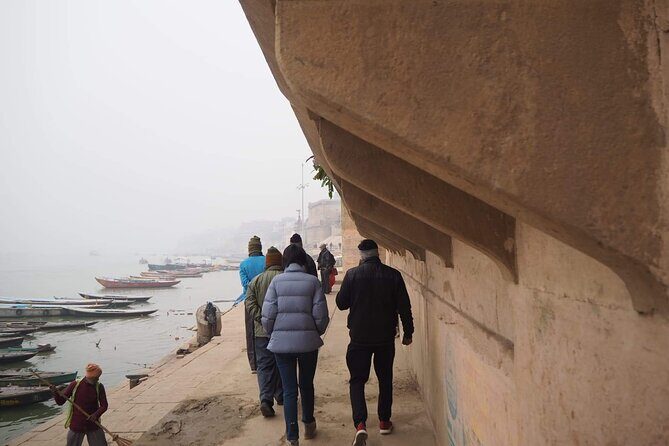
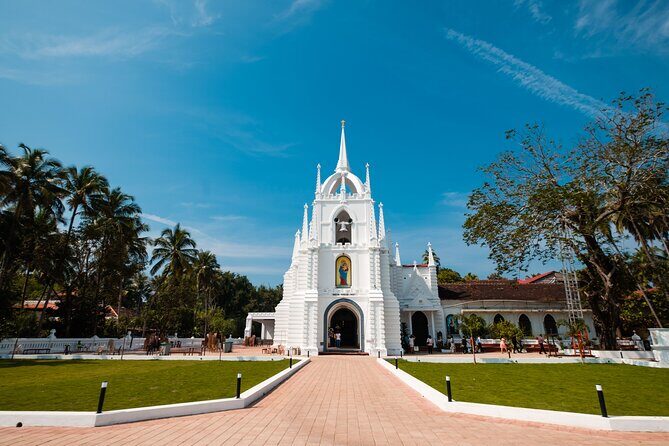
One of the standout heritage details mentioned for this route is Saint Thomas Church, described as built in the 8th century. Even if you’re only expecting a spiritual walking tour, this kind of early-date landmark adds an extra dimension to how you read the city.
It helps you see Varanasi as more than a single-religion postcard. The area around old religious sites often carries multiple stories at once—different communities shaped by the same long passage of time.
If you like your travel layered—architecture, faith, and daily life in the same frame—this stop is one of those “oh, that’s why this city feels older than its reputation” moments.
Manikarnika Ghat: the sacred cremation grounds on the Ganges
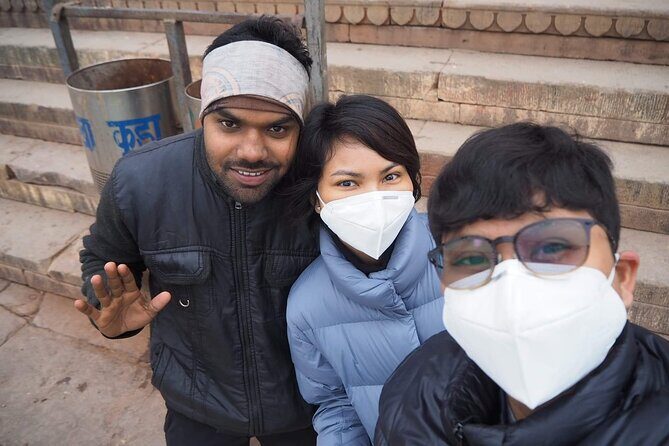
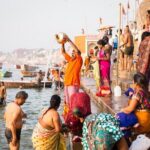
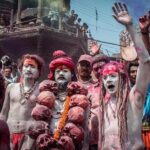
Next comes Manikarnika Ghat, one of Varanasi’s most sacred cremation grounds along the Ganges. This is the stop that really explains the tour’s headline theme: life and death are not separate in Kashi. They’re part of the same riverfront system of meaning.
Hindu mythology ties the ghat to Sati’s story—specifically that the earing or eye of Sati fell here. That myth detail matters because it turns the place from a location you pass into a place you understand: the ghat carries spiritual significance beyond its modern function.
A key value of having a guide here is context. Without it, you might reduce what you see to shock or spectacle. With it, you can recognize the intention and the symbolism behind what’s happening.
Keep one consideration in mind: the atmosphere can be emotionally heavy. If you need a breather, take it. Look away when you have to. Let the guide steer you through the hardest moments so you can still grasp the meaning.
Kashi Vishwanath Temple: Shiva devotion inside Vishwanath Gali
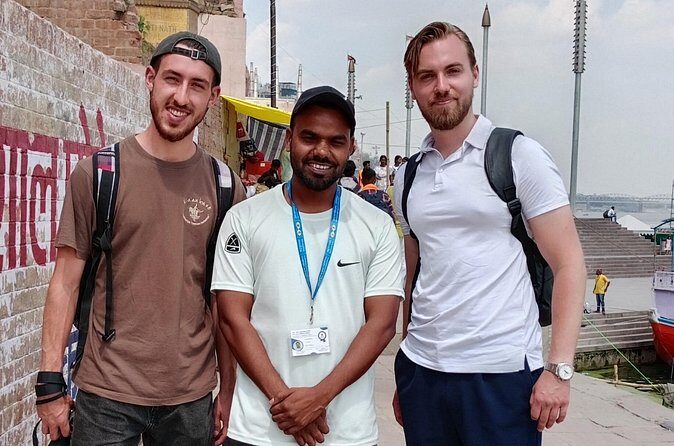
The tour then heads to the Kashi Vishwanath Temple, dedicated to Lord Shiva, located in Vishwanath Gali near Varanasi. It’s described as a key pilgrimage site for Shaivites and also as one of the twelve Jyotirlingas, which tells you this isn’t just local devotion—it’s part of a wider sacred map.
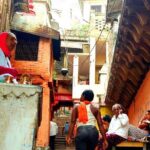
What I like about pairing this temple with the surrounding lane walking is that it makes the temple feel like part of daily life, not a distant monument. You’re not only learning what the temple is; you’re experiencing the city’s approach to sacred space—tight lanes, constant motion, and devotion running through the crowd.
Your best move here is to slow down in front of the main areas your guide highlights. Let the guide explain what matters and why. If you tend to rush, this is where you’ll miss the reason the place has such a pull.
You can also read our reviews of more historical tours in Varanasi



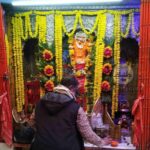


Dasaswamedh Ghat: evening aarti where devotion sets the pace
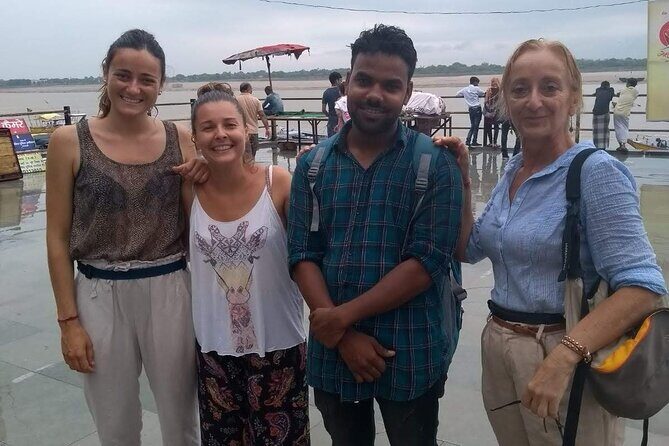
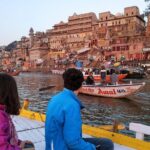
Now you shift back to the riverfront with Dasaswamedh Ghat, a main ghat on the Ganges. This is where the tour connects spirituality with time of day, because every evening an aarti is performed here.
The guide frames it as dedication not only to Shiva and Ganga, but also to Surya (the sun), Agni (fire), and the universe as a whole. That broad reach is a great example of why Kashi feels bigger than a single temple complex—ritual binds multiple forces into one shared ceremony.
Even if you’ve seen religious performances elsewhere, this one hits differently because it’s tied to the ghat setting. The river becomes part of the script. You’ll feel why people come back again and again: it’s not just the actions; it’s the whole riverfront atmosphere around them.
Godowlia street food: chaat culture and funny bargaining lessons
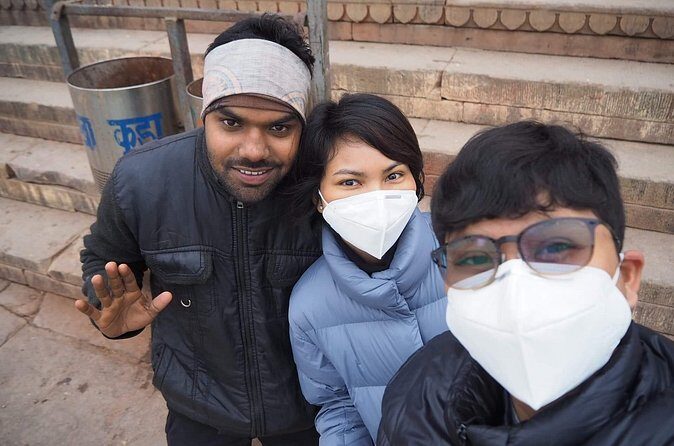
If you’re a foodie, this is your release valve. The tour includes a stop around Godowlia, a major attraction area known for street food. The highlight is chaat, with the market famous for something specifically mentioned as Tomato Chat.
More than just eating, the tour also helps you understand the street-food rhythm and the social side of buying: narrow lanes, lively attention, and a style of bargaining that can feel funny once you know the rules of the game. If you hate feeling pressured by street sellers, this is still a good stop—because a guide can help you navigate the exchanges without getting flustered.
Practical tip: go with a small appetite and a big curiosity. You don’t need to try everything. Pick one or two items you’re excited about, then let the smells and crowd energy do the rest.
Kashi Labh Mukti Bhawan: compassion you can’t skip
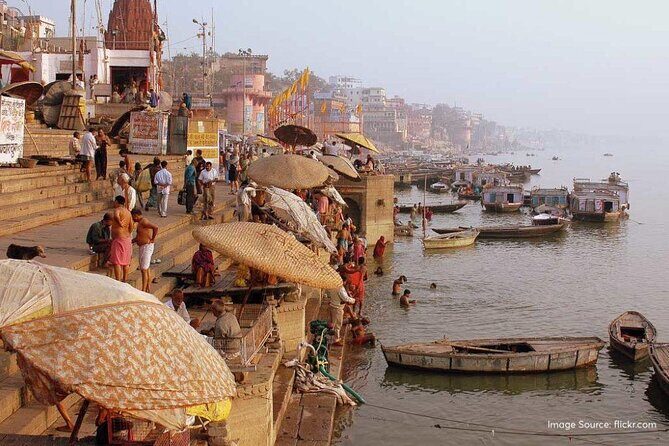
Next is Kashi Labh Mukti Bhawan, described as a charity-run home for old people and those who are very sick. The idea is deeply human: it invites people to spend their last days in Varanasi and have their ashes spread in the Ganges.
This stop changes your perspective again. After temples and ghats, you might think you already understand the city’s spiritual focus. Then you see the practical support system built around it. The result is a more grounded view of what devotion looks like in real life: care, charity, and end-of-life dignity.
Admission here is listed as free, so it’s not a paid add-on. It’s one of those meaningful pauses that makes the tour feel respectful instead of purely sightseeing.
Maan Mandir Ghat: Rajasthani-style architecture near the action
Another place mentioned is Maan Mandir Ghat, situated near Dashashwamedh Ghat. It’s described as Rajasthani style of architecture and also known by names including Maan Mahal and Maan Singh Vedshala.
This is a good stop for architecture lovers, but it’s also useful for anyone who feels overwhelmed in Varanasi. When everything is crowded and loud, having one structured view—one named building, one clear style—gives your brain a foothold.
If you like to take photos, don’t just snap. Wait for your guide’s framing. You’ll usually get better angles and better understanding when you know what you’re looking at.
Price and timing: what $21 gets you (and what it doesn’t)
At about $21 for roughly 2 hours 15 minutes, this tour is strong value for two reasons. First, it’s guided—your guide is the main product, and you can feel that in the reviews’ themes: excellent city history, captivating stories, and even meditation-time moments at temples.
Second, the walk includes certain entry costs. The tour notes admission ticket included for the Nepali Temple and Manikarnika Ghat, and it lists admission ticket free for Dashaswamedh Ghat and Kashi Labh Mukti Bhawan. That mix keeps the experience from feeling like you’re constantly paying extra at each door.
What it doesn’t do is replace a longer temple-and-heritage vacation. Two hours and change in Varanasi is just enough to get you oriented. Think of it as your fast, guided entry into Kashi, not the final word on everything.
Group size matters too. With a limit of 15 travelers, you’re not stuck in a giant herd. You’ll get more chances to ask questions and get quick explanations when something doesn’t make sense.
Who this tour fits best
I’d book this if you want:
- A story-driven walk that explains why these specific sites matter
- A mix of temples, ghats, and food instead of one theme only
- A guide who can handle both light moments (like humor and street-food banter) and heavy ones (like cremation-ground meaning)
I wouldn’t choose it if you need a quiet, fully comfortable pace and prefer to avoid emotional or solemn spaces. You’re going to see a cremation ghat. That’s part of the value, but it’s also the reality.
Also, if you’re short on time in Varanasi, this is one of the simplest ways to stop wandering aimlessly and start understanding what you’re walking past.
Should you book this Spiritual and Heritage Walking Tour in Varanasi?
Yes, with the right expectations.
If you’re curious about Kashi as a living spiritual city—where temples, lanes, and the riverfront all connect—this walk is a smart use of time at a fair price. The standout strength is the guide’s storytelling and context, including moments like meditation on temple premises and clear explanations that make the landmarks click fast.
Book it if you can handle the intensity of Manikarnika Ghat. Skip it if you want a purely light, entertainment-style itinerary.
FAQ
How long is the Spiritual and Heritage Walking Tour in Varanasi?
The tour lasts about 2 hours 15 minutes.
Where does the tour start and end?
It starts on Luxa Road (Luxa Rd, Girja Ghar, Varanasi, Uttar Pradesh 221010, India) and ends back at the same meeting point.
What major places are included on the walking route?
The route includes stops such as Nepali Temple (Kathwala/Kanthwala), Manikarnika Ghat, Kashi Vishwanath Temple, Dashashwamedh Ghat, Godowlia street food area, Kashi Labh Mukti Bhawan, and a mention of Maan Mandir Ghat.
Is the guide included in the price?
Yes. The experience includes a walking tour with a funny guide and a tourist guide.
Is admission included for the temple and ghat stops?
Admission ticket details vary by stop: admission is included for Nepali Temple and Manikarnika Ghat, and is listed as free for Dashashwamedh Ghat and Kashi Labh Mukti Bhawan.
Do I need a ticket printed, or is a mobile ticket used?
A mobile ticket is used for this experience.