REVIEW · VARANASI
Day Trip to Triveni Sangam Allahabad from Varanasi
Book on Viator →Operated by S.A.M Tours & Travels · Bookable on Viator
A dawn drive to sacred rivers feels special. This private day trip links Triveni Sangam in Prayagraj with the Allahabad Fort of Akbar-era legend, then slows down with a Ganges river boat ride. It’s the kind of outing that saves you from the usual long-stretch logistics of getting to Allahabad on your own.
I love how the visit is framed by a professional art historian guide, so you’re not just walking from one spot to the next—you’re getting the why behind what you’re seeing. I also like the practical comfort built in: round-trip hotel pickup in Varanasi, private transport, lunch, and bottled water keep the day from turning into a stressful scavenger hunt.
The main thing to plan for is crowds and walking. The confluence area can get packed, and you should expect a real trek across ghats and platforms, even if you’re there early.
In This Review
- Key highlights you’ll care about
- The point of Triveni Sangam: myth, faith, and geography
- Allahabad Fort and Akbar’s big architecture moment
- The Ganges boat ride: a slower pace (and a different view)
- Timing from Varanasi: why 10 hours can still feel like a sprint
- Food, drinks, and the small details that affect comfort
- Price and value: what $301.34 buys you in real terms
- Who should book this day trip?
- Should you book this Varanasi to Prayagraj trip?
- FAQ
- What time does the tour start from Varanasi?
- How long is the day trip?
- Are pickup and drop-off included?
- Is lunch included?
- Are entrance fees included?
- Is the boat ride included?
Key highlights you’ll care about
- A 5:00am departure that gets you on the ghats before the day fully heats up
- Triveni Sangam with religious context, including the mythical Saraswati connection
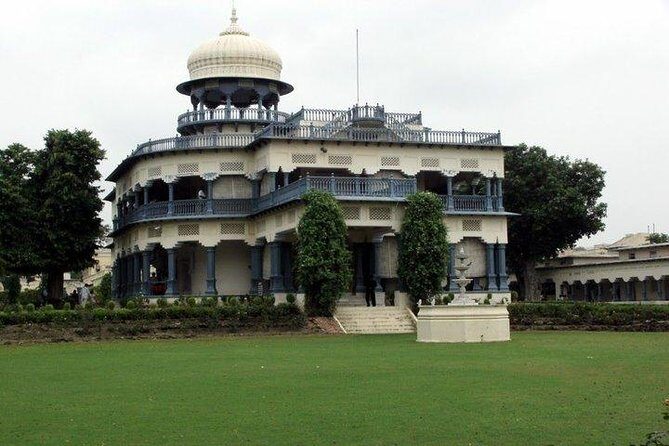
- Akbar’s Allahabad Fort with a history-first guide to make the architecture click
- A Ganges boat ride that gives you a break from foot traffic
- Lunch and bottled water included, plus a vegetarian option if you request it
- Fort entrance not included, so budget extra for that one stop
The point of Triveni Sangam: myth, faith, and geography

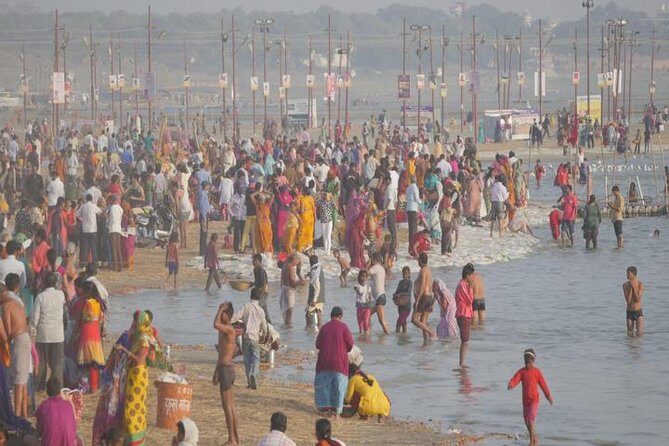
Triveni Sangam is famous for a simple visual: three waterways meeting in one sacred place. The reality you’ll experience is the confluence of the Ganga and Yamuna, while the third river—Saraswati—is described as mythical in Indian tradition and said to have dried up long ago. That mix of geography and belief is exactly what makes the stop more than a sightseeing checkbox.
Your guide’s framing matters here. When you hear the cultural and historical importance of the confluence, the rhythms of the visit make more sense—why people come at certain times, why certain areas feel more active, and why the site has such a strong spiritual gravity. This is also one of the locations where the Kumbh Mela is held once every 12 years, so the place carries that larger festival energy even on a normal day.
You’ll be guided through the area for long enough to absorb it without feeling rushed—there’s about 2 hours allocated here, and admission is included. If you’re hoping for quiet photos, adjust expectations. The confluence can be crowded, and you’ll likely find yourself sharing space with people moving slowly toward prayer points and ghats.
One practical tip: wear shoes you’re happy to walk in. The platform areas and steps can involve uneven stone and steady foot traffic. If you’re comfortable on foot, you’ll enjoy the atmosphere far more than if you’re fighting your own legs.
A few more Varanasi tours and experiences worth a look
Allahabad Fort and Akbar’s big architecture moment
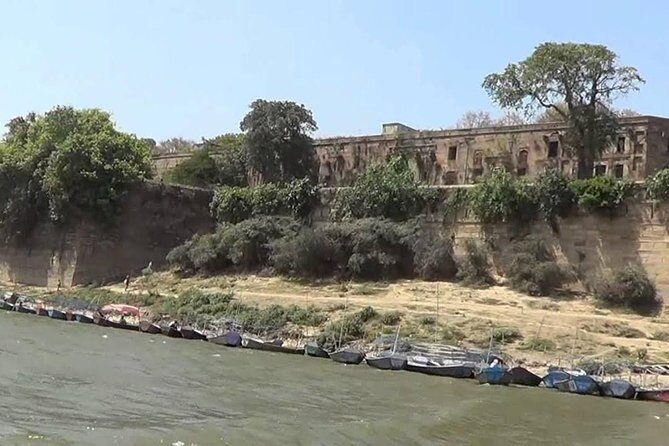
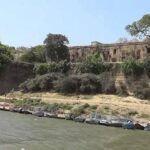
After the confluence, the day shifts to built form: Allahabad Fort, associated with Akbar’s reign (built in 1583). Your guide focuses on architecture and context, and that’s the difference between simply seeing “a fort” versus understanding why it’s memorable.
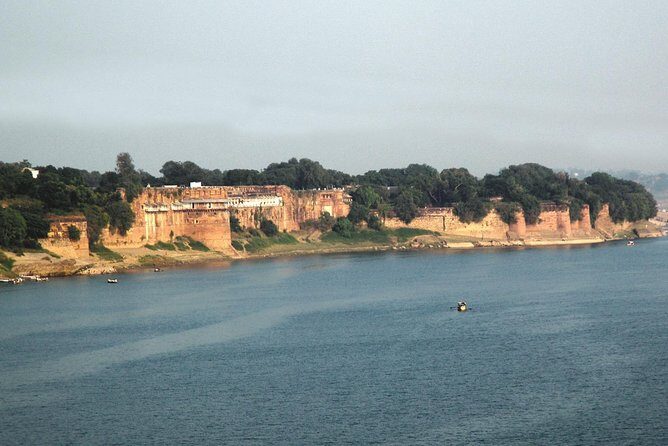
The fort sits on the banks where the Ganga and Yamuna meet, so it acts like a fixed frame for the same natural junction you experienced at Triveni Sangam. In other words, you’re not hopping between unrelated sites—you’re watching how power, river life, and storytelling overlap in the same landscape.
You’ll have about 1 hour here. That’s enough time to get oriented, notice major structural features, and walk through areas the guide highlights. The only clear caveat: monument entrances aren’t included for the fort, so you may need to pay at the site. It’s not a deal-breaker, but it is a cost add-on you should mentally account for.
I like forts best when a guide connects them to everyday realities: how river locations mattered, why certain lines of sight and building choices would have mattered, and what patrons were trying to project. If you’re the type who enjoys hearing the logic behind stonework, you’ll get more out of this stop than you would on your own.
The Ganges boat ride: a slower pace (and a different view)
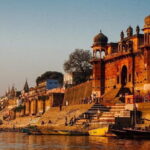
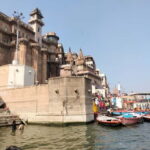
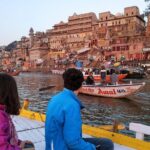
The included Ganges boat ride is a smart counterweight to temple crowds and fort walking. From the water, the whole river scene changes scale. You can see how wide the river edges feel from shore, how people cluster along the ghats, and how the city’s sacred and daily life blend.
In practice, this is one of those segments where the boat becomes a moving vantage point rather than just transportation. Your guide will help connect what you’re seeing from the water to the story you heard earlier. Even if the boat ride is brief, it gives you a break from navigating step-heavy areas and gives your feet a chance to recover.
If you’re spiritually inclined, the boat ride can also feel like a pause between formal stops. There’s something about moving along the river that makes the day’s pace feel less forced. It’s also where you’ll likely appreciate being with a private group, since you’re not constantly losing time to mismatched arrival points.
I’d go into this expecting views and perspective, not luxury. The value is that it’s included and timed as part of a full day rather than something you’d have to arrange yourself from scratch.
Timing from Varanasi: why 10 hours can still feel like a sprint
The trip runs for about 10 hours, starting at 5:00am and returning to the same meeting point in Varanasi. That early start is the whole point. You get access to the spiritual sites at the kind of daylight when people are already moving, but before everything becomes too intense.
A real-world note from past visitors: the drive can take around three hours each way depending on conditions, with time then spent at the river and fort area. That means your actual attention should focus on what’s happening when you’re there, because you don’t have the luxury of lingering. The day works best if you keep your plan simple: show up, walk comfortably, listen, and accept that this is a concentrated taste rather than a slow weekend.
Also remember: the confluence can mean a crowd flow where getting from point A to point B isn’t as direct as a map suggests. One past visit described it as crowded and a walk that can reach at least a couple of kilometers. That aligns with why shoes matter, and why you shouldn’t treat the day like a light stroll.
If you’re the kind of traveler who likes to photograph everything with long pauses, you’ll need discipline. If you’re okay with moving steadily while taking a few good shots, the schedule will feel fair.
Food, drinks, and the small details that affect comfort
This trip includes lunch and bottled water, which is a big deal on a long day that starts before sunrise. It means you’re not trying to guess what’s available while you’re already in motion from pickup to river steps to fort walls.
A vegetarian option is available if you request it during booking. If you have any dietary needs beyond vegetarian, you’ll want to check ahead before the day begins, since the only explicit food info provided is about the vegetarian request.
For me, these inclusions are part of the value story. At $301.34 per person, you’re paying not just for transport and a guide, but for the reduction of decision fatigue. You don’t want to spend your precious hours in Prayagraj trying to figure out where to eat, what to buy, and whether it’s worth stopping for.
Still, a key budgeting point: monument entrances aren’t included across the day. Triveni Sangam admission ticket is included, but Allahabad Fort entrances are not. So think of the trip as “most of the essentials are handled,” with a single site where you might pay a ticket fee.



Price and value: what $301.34 buys you in real terms
Let’s talk money without the hand-waving. At $301.34 per person for a full private day trip with hotel pickup/drop-off, private vehicle transport, a professional art historian guide, lunch, bottled water, a boat ride, and admission to Triveni Sangam, the price starts to make sense—especially if you’re comparing it to the cost (time + hassle) of piecing everything together yourself.
You’re also paying for a day that runs on someone else’s timing. The pickup at 5:00am is not just a schedule detail; it’s a way to access the sites efficiently. Private transport means you don’t have to navigate public options, transfer routes, or wait times that can quietly eat hours.
The “private” part also matters for comfort and pace. Your group handles one set of logistics rather than syncing with a larger pool of strangers. That can help you listen to the guide without constantly losing the group in crowd movement.
Where the price doesn’t fully cover everything is at the fort entrance. That’s your one clear extra cost possibility. But overall, the value feels best if you want a guided, structured day—one where the boat ride and lunch are already included and you’re not scrambling.
Who should book this day trip?
This tour fits best if you want:
- A one-day plan that takes you from Varanasi to the Prayagraj river zone without transport stress
- A guide who explains religious and architectural context, not just facts on a signboard
- A mix of experiences: river worship space, Mughal-era fort, and a boat ride for a change of pace
It might be less ideal if:
- You prefer slow travel with free time at your own rhythm
- You get uncomfortable in crowds and long walks
- You dislike early mornings (the 5:00am start is real)
Should you book this Varanasi to Prayagraj trip?
I think you should book it if you want a guided, efficient day with the key sights stitched together—especially the combination of Triveni Sangam + Allahabad Fort + Ganges boat ride. The art historian guide and the included lunch/water remove a lot of friction, and the private vehicle makes the long day feel manageable.
Skip it if you’re hoping for a quiet, unhurried experience or if walking in crowded river settings is a deal-breaker for you. In that case, you may enjoy planning a more flexible itinerary instead.
If you’re in the middle—curious, comfortable walking, and happy to listen while you move—this is a solid way to see the highlights without turning your day into logistics homework.
FAQ
What time does the tour start from Varanasi?
The tour starts at 5:00am in Varanasi and returns to the same meeting point.
How long is the day trip?
It’s about 10 hours (approx.).
Are pickup and drop-off included?
Yes. Hotel pickup and drop-off are included, and transport is by private vehicle.
Is lunch included?
Yes. Lunch is included, and vegetarian options are available if you request them at booking.
Are entrance fees included?
Admission ticket for Triveni Sangam is included, but monument entrances (including the fort) are not included.
Is the boat ride included?
Yes. A boat ride at river Ganges is included as part of the experience.