REVIEW · GOA
Panjim: Guided Walk Tour of Portuguese-Influenced Goa
Book on GetYourGuide →Operated by Yo Tours · Bookable on GetYourGuide
Panjim wears Portugal on its sleeves. What I like most is the way this Portuguese-influenced Goa walk turns old buildings into living context, not just facts. You get standout street scenes in Fontainhas Latin Quarter, plus a guide who links architecture to everyday life.
Two things I’d put at the top: the guided storytelling (the kind that helps you read a street like a page) and the chance to move at a slow, walkable pace through lanes you’d likely miss on your own. My one caution is simple: you’ll do some uphill walking around Altinho, so comfy shoes matter, and the guide may speak a bit softly at times.
This is a short, 2-hour, on-foot experience that starts at Panjim’s iconic church and ends in the Fontainhas area after a temple viewpoint—ideal if you want a compact old-town orientation without burning half a day.
In This Review
- Key highlights to know before you go
- Starting at Panjim Church: where the walk’s tone clicks
- Up Altinho Hill: stepped streets and the best kind of effort
- Past the Old High Court area: colonial-era buildings with context
- Art gallery stop: a small space with big perspective
- Fontainhas Latin Quarter: colorful lanes you’ll want to slow down for
- Chief Minister’s residence (exteriors): quick pass, useful framing
- A local café moment: a taste stop that keeps the day realistic
- Maruti Temple, Altinho: the calm finish with a view
- What you get for around $14: small price, solid structure
- Practical tips so you don’t fight the route
- Who this walk fits best (and who might want another option)
- Should you book Panjim’s Portuguese-influenced walk?
- FAQ
- How long is the Panjim Portuguese-influenced walk tour?
- Where do I meet my guide?
- Is transportation included?
- What language will the guide speak?
- Is the tour wheelchair accessible?
- What should I bring?
Key highlights to know before you go
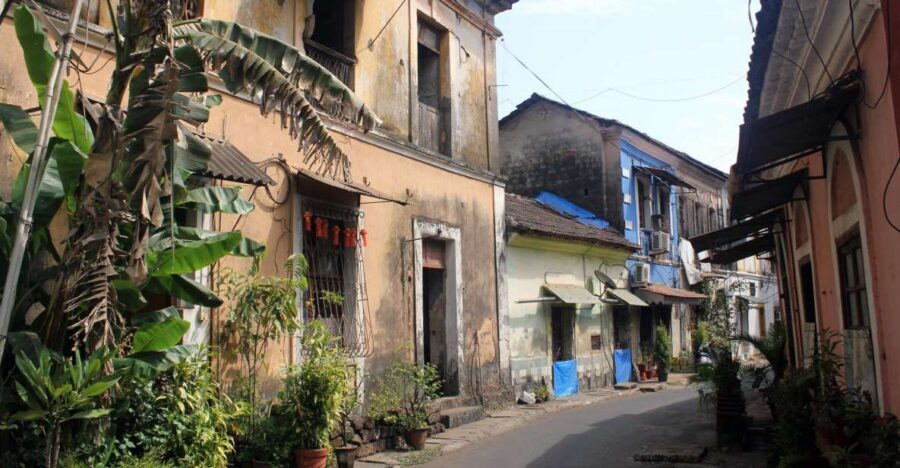
- Portuguese-era flavor in real streets: Indo-Portuguese buildings and heritage homes you can actually photograph up close
- Fontainhas Latin Quarter on foot: colorful lanes, cafés, and heritage corners that feel lived-in
- Stories that feel like infotainment: you’ll get history without the classroom vibe
- A guided route beyond the obvious: access to hidden lanes and specific heritage points
- Altinho Hill viewpoints and a temple finish: the walk includes uphill sections and a scenic end-note
Starting at Panjim Church: where the walk’s tone clicks
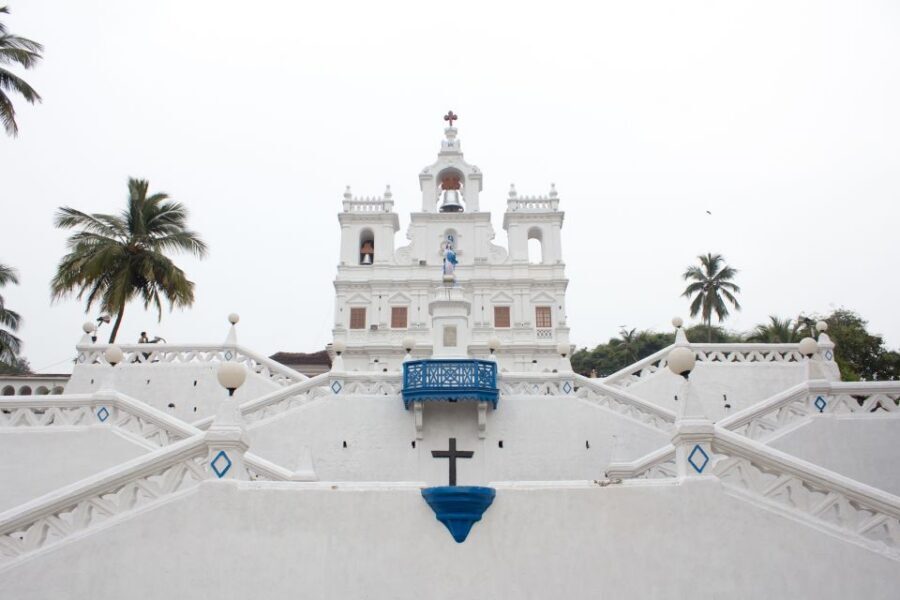
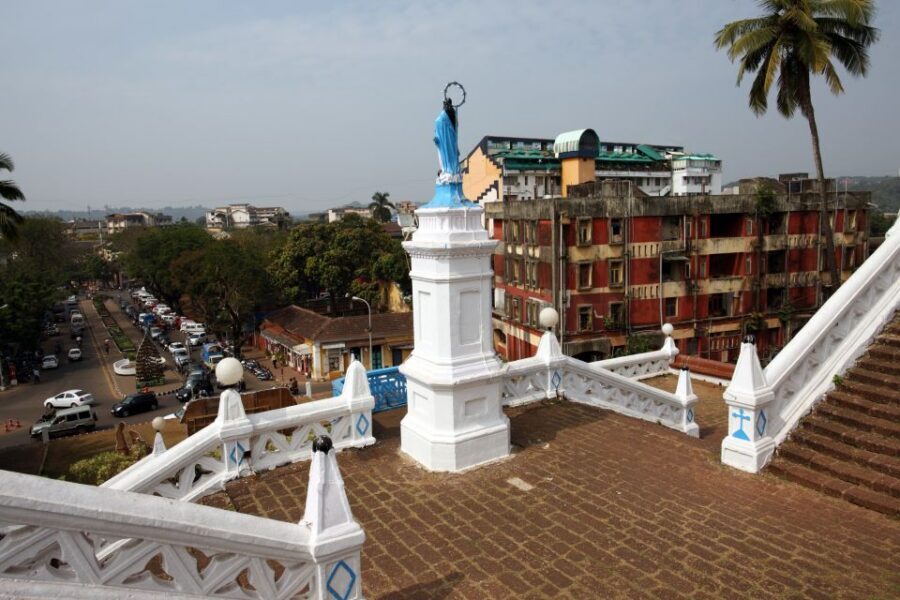
You meet at the staircase of Panjim’s church, ten minutes early. That little early timing helps because the whole tour runs on a smooth walking rhythm—you’re not just arriving, you’re starting. From there, the walk quickly settles into its main promise: show Portuguese-influenced Goa, then explain what you’re seeing and why it matters.
This first stretch matters more than you might think. A church in a city like Panjim is usually more than a landmark. It gives you a visual anchor for the rest of the walk, so when you later move through Indo-Portuguese streets and older civic buildings, you can connect the dots fast instead of wandering with a blur of pretty architecture.
You’ll also get the basic practical setup: comfy shoes, comfortable clothes, and a route that stays entirely on foot. There’s no hotel pickup, so plan to reach the meeting point under your own steam. The upside is you can match the tour to your day rather than waiting around for transport.
You can also read our reviews of more walking tours in Goa


Up Altinho Hill: stepped streets and the best kind of effort
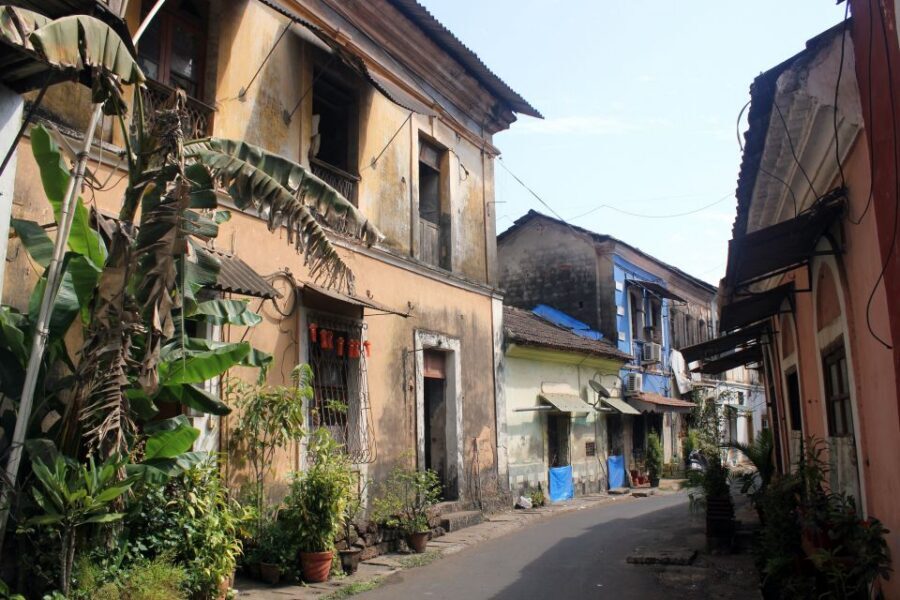
After the church, you move uphill toward Altinho Hill. This is where the tour reminds you it’s a walking tour, not a drive-by. Expect stepped streets and some climbing. It’s not a mountain hike, but it is enough that I’d treat shoes as part of the plan, not an afterthought.
Why Altinho is worth it: the incline helps you see Panjim from a more layered angle. Even if you don’t consider yourself a viewpoint person, the elevation changes your sense of scale. You start noticing how old neighborhoods sit against the city layout, and how certain streets open out into views instead of feeling like corridors.
If you’re traveling with limited mobility, the tour is listed as wheelchair accessible, but the uphill sections are still a key factor. If you’re in a wheelchair, it’s worth thinking about whether you’ll need help with steps/gradients along the route.
Past the Old High Court area: colonial-era buildings with context
As you keep walking, you reach the Old High Court area and nearby colonial-era buildings. This stop is a good reminder that Portuguese-influenced Goa isn’t only about churches and painted facades. It’s also about how civic spaces and institutions shaped the look and feel of the city.
The guide’s role here is the real value. You’re not just pointing at an old structure; you’re learning what kind of history you’re looking at through architecture. That’s especially helpful if you don’t already have a strong background. The tour’s style aims for infotainment, meaning the facts arrive in story form instead of a lecture.
One practical tip: keep your ears open even when the group slows. A quiet guide voice can make it easy to miss an anecdote that ties a building to the larger Portuguese influence theme.
Art gallery stop: a small space with big perspective
You’ll stop at a modest art space with a mix of Scandinavian and local artwork. This part feels slightly different from the rest of the walking route, and that’s a good thing. After several architecture-and-monument segments, the art stop adds a human scale: it nudges you to think about taste, trade, and cultural connections rather than only stone and dates.
What I like about this segment is pacing. It breaks the tour into a different kind of observation—less street-walking, more looking closely and letting the guide’s commentary shape how you interpret the city’s cultural mix.
If you’re hoping for another major landmark, this stop may feel more low-key. But as a reset for attention and photo fatigue, it works.
Fontainhas Latin Quarter: colorful lanes you’ll want to slow down for
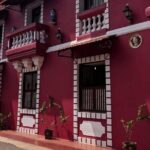
Then you hit the Fontainhas Latin Quarter, the heart of the Portuguese-influenced story. This is where the walk gets playful. Expect colorful houses, cafés, and heritage lanes that make you want to stop every few minutes. It’s the kind of area where the details reward patience: doorways, street angles, small architectural touches, and the everyday flow of locals moving through the neighborhood.
I really like that the route here includes both the visually striking scenes and the less obvious corners. The tour description emphasizes access to hidden lanes and heritage points, and that’s what makes the difference. Even if you like photography, the payoff isn’t only the view—it’s having a guide help you understand why those scenes look the way they do.
This is also where local stories start feeling less like trivia and more like a way to read the city. The best moments often happen when you’re standing in a lane, and the guide connects Portuguese influence to how people live, gather, or preserve the past.
You can also read our reviews of more guided tours in Goa




Chief Minister’s residence (exteriors): quick pass, useful framing
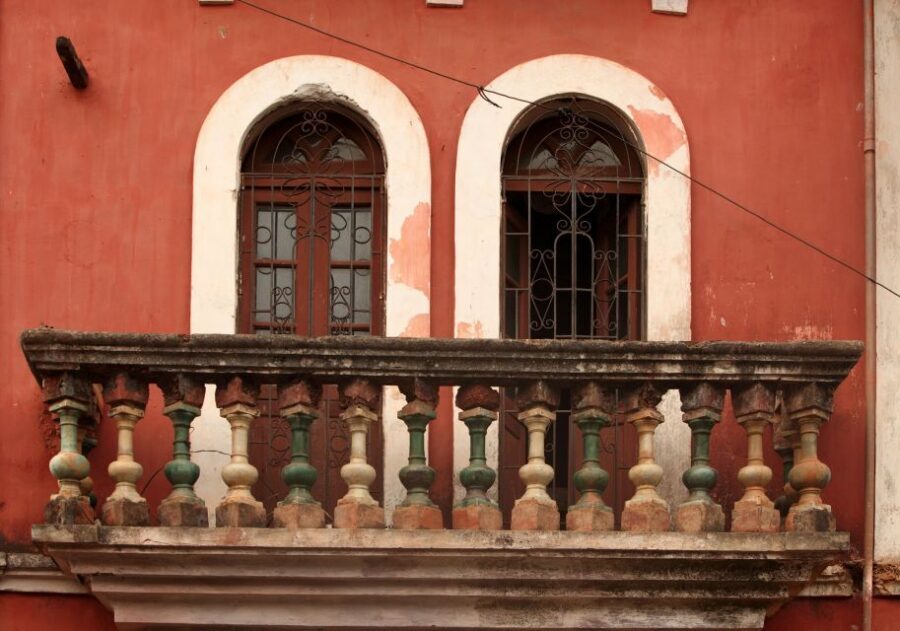
You pass by the Chief Minister’s residence (exteriors). This stop is brief, but it helps frame the city beyond heritage lanes alone. It’s a reminder that old and official spaces sit next to each other in Panjim, and Goa’s layered identity isn’t frozen in time.
Here’s how I’d treat this segment: use it as a pause to look up and around. Even if you’re not there for politics, exteriors-only stops can still be photography-friendly because they encourage you to see architectural style, street placement, and scale.
A local café moment: a taste stop that keeps the day realistic
You’ll have a local café food tasting as part of the walk. This is one of those practical tour choices that keeps energy stable without turning the experience into a full meal break.
Two quick notes. First, water bottle isn’t included, so I’d bring a way to stay hydrated (or purchase water nearby before you start). Second, the tour doesn’t position itself as a food tour, so keep your expectations aligned: it’s a sample, not a feast.
If you’re traveling on a budget, this small stop can also help you learn what locals choose without guessing blindly. The tour also includes great recommendations to save money and explore the city—often that’s the most useful souvenir you take home.
Maruti Temple, Altinho: the calm finish with a view
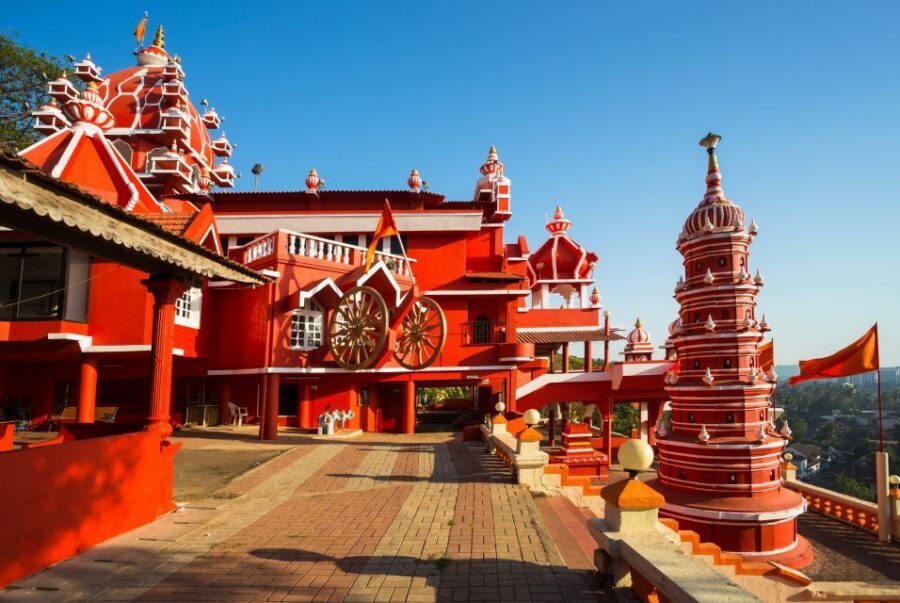
The tour ends at Maruti Temple, Altinho, overlooking Panjim, with the final footstep in the Fontainhas area. This wrap-up works because it cools the pace after the denser streets. A temple viewpoint gives you a different kind of perspective than a church facade or a heritage lane—more open and reflective.
I like that the tour doesn’t end when the walking gets easier. It ends with a scene that helps you slow down and look at the broader city layout one last time. If you’re the type who enjoys closing a walking tour with a view (even a short one), this ending is a win.
What you get for around $14: small price, solid structure
The listed price is $14 per person for a 2-hour guided walk, and the value is mostly about the structure. You’re paying for:
- a guide who can speak English and Hindi
- the route that hits major Portuguese-influenced themes plus Fontainhas
- access to hidden lanes and heritage points
- stories and local tips you can use after the walk
For short stays, $14 can be a smart use of time. A walk like this gives you an orientation that makes the rest of Panjim more enjoyable. Instead of wandering randomly, you’ve got mental landmarks and a sense of what to look for on your own.
My other value note: the tour is described as a slower pace with infotainment, so it tends to work even if you don’t classify yourself as a history person. The guide’s job is to make the buildings and heritage feel connected to daily life.
Practical tips so you don’t fight the route
- Wear comfortable shoes for stepped, uphill sections around Altinho.
- Plan for a full 2 hours on foot; there’s no transportation included.
- Bring comfy clothes that work in heat and sun since this is an outdoor walk.
- The meeting point is specific: the staircase of Panjim Church, at 165 Avenida Teófilo Braga. Arrive about ten minutes early.
- Share an active WhatsApp number for coordination.
One small communication consideration: the guide speaks English and Hindi, and while English is generally strong, it can be a little quiet. If you know you have trouble hearing on tours, stand closer and don’t be shy about asking for a repeat.
Who this walk fits best (and who might want another option)
This tour is a great match if you:
- want Portuguese-influenced Goa seen through real streets
- love architecture but don’t want a dry lecture
- enjoy photography and also want to understand what you’re photographing
- like guided local tips that help you plan the rest of your day
It may be less ideal if you:
- expect a heavy focus on only the biggest monuments with long stops at each
- are extremely strict about seeing every single photo angle you saw in marketing material
- prefer totally flat walking routes
Should you book Panjim’s Portuguese-influenced walk?
If you’re in Goa and you want a compact old-town primer, I’d book this. The route is focused, the Fontainhas segment is genuinely where the experience shines, and the guide storytelling style helps you leave with more than pictures. At $14 for a two-hour guided walk with heritage lanes and a temple viewpoint, the value is strong.
My deciding tip is to look at your walking comfort first. If Altinho uphill is fine for you, you’ll likely enjoy how the city opens up as you go. If it’s not, you might want to choose a different Panjim option with fewer steps.
FAQ
How long is the Panjim Portuguese-influenced walk tour?
It runs for 2 hours from start to finish.
Where do I meet my guide?
Meet at the staircase of Panjim Church, at 165, Avenida Teófilo Braga, Goa. Aim to arrive about 10 minutes before the tour starts.
Is transportation included?
No. The entire tour is on foot, and there’s no hotel pickup or drop-off.
What language will the guide speak?
The live guide speaks English and Hindi.
Is the tour wheelchair accessible?
The tour is listed as wheelchair accessible. The route includes uphill sections around Altinho, so consider that when planning.
What should I bring?
Bring comfortable shoes and comfortable clothes, since the walk includes uphill sections and you’ll be on foot for about two hours. Water is not included, so plan accordingly.
—
If you tell me your travel dates and whether you’re okay with uphill walking, I can suggest the best time of day to do this so you get comfortable light for those Fontainhas lanes.