REVIEW · GOA
Fontainhas Heritage Walk by Make It Happen
Book on Viator →Operated by Make It Happen · Bookable on Viator
Few places in Goa feel this lived-in. A Fontainhas Heritage Walk is a compact, story-led way to see the Portuguese Latin quarter of Panaji up close. You’ll get entry to non-residential heritage buildings plus traditional Goan sweet tastings and a live music moment, all for a budget-friendly price. One thing to keep in mind: it’s a walking tour, so if you hate slow, story-heavy pacing or you’re sensitive to heat, pick your departure time carefully.
What I like most is that the walk mixes architecture with everyday culture. You’re not just looking at pretty facades—you’re tasting local sweets, sipping a local soft drink, and hearing music that fits the neighborhood mood. The small-group setup also helps you actually hear your guide on the back streets.
The possible downside is distance expectations. Several parts of the experience are designed around stops and storytelling, so it may feel shorter than the long, mile-after-mile walking style some people expect.
In This Review
- Key things to know before you go
- Fontainhas: the Portuguese Latin Quarter you can actually walk
- Price and what $12.27 buys in real terms
- The 2.5-hour flow: how the walk moves (and why)
- Stop focus: Fontainhas streets, Portuguese details, and lived culture
- The heritage building entry moment
- Snacks, sweets, and soda: your built-in break
- Live music by a Goan musician: more than background sound
- Guides you might meet (and why the storytelling style matters)
- Where it starts and how to plan your timing in Panaji
- Who should book this Heritage Walk (and who might skip it)
- Should you book the Fontainhas Heritage Walk by Make It Happen?
- FAQ
- How long is the Fontainhas Heritage Walk?
- What is the starting point in Panaji?
- Is this tour a walking experience?
- What does the tour cost?
- What’s included in the ticket price?
- What food and drink do you get?
- Is there live music during the tour?
- How big is the group?
- Is private transportation included?
- Do you need good weather for the walk?
Key things to know before you go
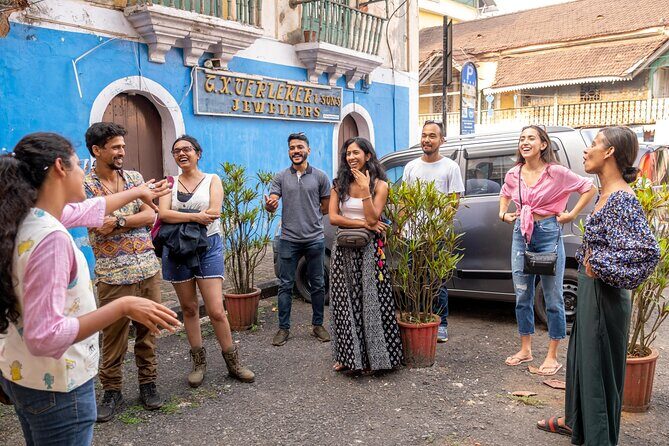
- Small-group walk (max 15–20): easier listening and a more conversational feel on narrow streets.
- Heritage building entry included: you’re not limited to just looking from the sidewalk.
- Sweet tastings plus a local non-alcoholic drink: you’ll get food built into the schedule, not as an afterthought.
- Live music with a local Goan musician: a cultural payoff beyond photos.
- Mobile ticket: less hassle day-of, especially if you’re bouncing between plans in Panaji.
- A sensible 2.5-hour window: fits into a busy Goa itinerary without stealing a whole day.
Fontainhas: the Portuguese Latin Quarter you can actually walk
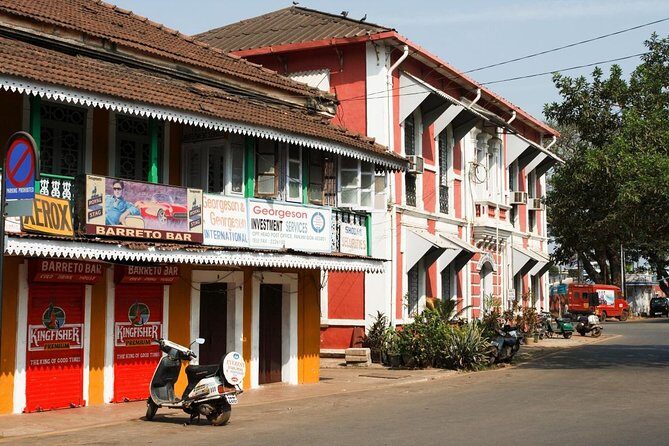
Fontainhas is often described as the Latin quarter of Asia, and in practice that means a neighborhood where the Portuguese past is visible in everyday details. Houses sit at the foot of hills, with the Altinho hills and springs nearby on the west side—so the area has both a geographic identity and a distinct visual style. Think yellow, green, and blue facades, iron railings on balconies, and tiled roofs that make the streets feel like a time capsule.
What makes this walk worth your time is how it connects those buildings to real cultural change. You learn how the Portuguese period shaped Panaji, and you also see reminders of that influence that survived later development. It’s the kind of place where you can look at a wall and understand why it looks the way it does.
And because it’s a walking tour, you experience the neighborhood the way it’s meant to be experienced: on foot, turning corners, noticing details at street level. It’s not about rushing from landmark to landmark; it’s about letting the neighborhood unfold.
You can also read our reviews of more walking tours in Goa



Price and what $12.27 buys in real terms
At about $12.27 per person, this tour is priced for value. The big reason it feels fair is that the price isn’t only for guiding—it bundles multiple extras that usually cost extra on other tours.
Here’s what’s included in the cost:
- tasting of traditional Goan sweets
- a healthy local non-alcoholic beverage (a soda/pop)
- a music performance by a renowned local musician
- entry to non-residential heritage buildings
- all fees and taxes
Meanwhile, private transportation is not included. That’s normal for a focused walking experience, but it matters for planning. If you’re relying on taxis from your hotel, budget a little time for that. If you’re already in or near Panaji (the start point is centrally located), it’s easier to keep the day low-stress.
The value math is simple: you’re paying for a guided cultural experience that includes food tastings, paid entry stops, and live music. If those are exactly the things you want in Goa beyond beach time, this is one of the easier ways to spend money wisely.
The 2.5-hour flow: how the walk moves (and why)
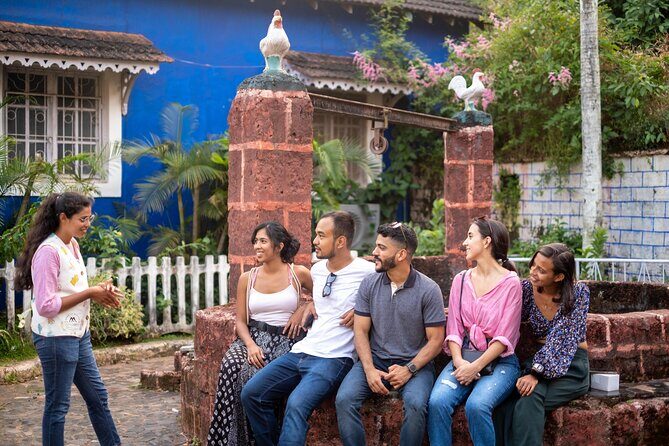
The tour runs about 2 hours 30 minutes and ends back where you started. That round-trip structure is handy. You can plan a lunch or another activity afterward without worrying about being stranded across town.
It’s also designed for a small group—up to 20 is stated, and the experience is described as a small-group tour that stays easy to hear. In real terms, that means you’re not fighting for audio while a group competes over the guide’s attention.
Even without a long list of formal “stops” on the schedule, the time is clearly used for three things:
1) seeing Fontainhas as a lived neighborhood
2) learning the Portuguese-era architecture and cultural layers
3) adding food and music so the tour isn’t just information
If you’re the type who likes historical context but still wants a relaxed pace, this format tends to work well. If you want nonstop movement with zero waiting or story time, you might feel impatient at certain pauses.
Stop focus: Fontainhas streets, Portuguese details, and lived culture
Most of your time centers on Fontainhas itself—its streets, its house styles, and its neighborhood identity. The area is described as both the oldest and largest Latin quarter of Asia, and you’ll notice that the neighborhood doesn’t look like a museum. It looks like a place people still live in.
Your guide sets the scene by tying together the physical features and the cultural meanings:
- the color palette and balcony styles
- wrought iron railings and tiled roofs
- the sense of “Portuguese past” that survived later pressure from development in the 21st century
You also get context about how the springs and the surrounding hills connect to the neighborhood’s name—Fontainhas being Portuguese for little fountain. That kind of detail matters because it turns “pretty houses” into “place with a reason.”
The heritage building entry moment
A key part of the tour value is entry to non-residential heritage buildings. Looking at facades is pleasant, but entry is where the experience becomes tangible. It lets you see how heritage design translates into interior spaces, not just exterior styling.
One practical consideration: these are heritage sites, and that often means rules or quieter behavior inside. Keep your expectations flexible and let the architecture do the talking.
You can also read our reviews of more historical tours in Goa





Snacks, sweets, and soda: your built-in break
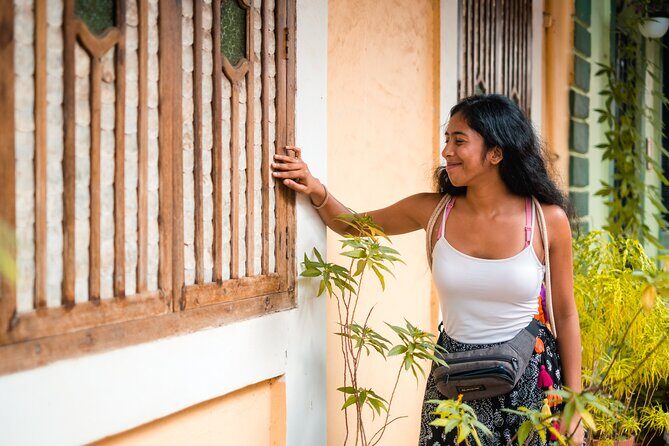
You don’t just get information—you get tasting time. The tour includes a tasting of traditional Goan sweets and a local non-alcoholic beverage (soda/pop). That matters more than you might think. A walk through older neighborhoods can be tiring, especially if you’re combining heat, stairs, and constant turning of corners.
This is also the part where many people feel the tour becomes “Goa-real.” The sweets tasting isn’t just a checkbox. It gives you a flavor reference point for what you learn about the neighborhood’s culture and everyday life.
If you’re the type who plans food last-minute while traveling, this tour solves that problem. You’re already fed a bit and given a local taste experience along the way. Just expect small portions by design, since the tour is still a walking loop and not a full meal.
Live music by a Goan musician: more than background sound
A standout element is the music performance. The experience includes a live performance by a renowned local musician, and the tone fits the neighborhood setting.
From guide and musician names that show up in past experiences, you may encounter performers such as Chico, Francisco, or Cyril at the music moment. Also, the tour has been described as adding songs at the end of the walk, turning it into a closing memory rather than a random “stop.”
Here’s the practical angle: this final cultural touch helps you remember the neighborhood with sound, not just photos. It also makes the tour feel celebratory in a gentle way, which is exactly what you want in a place like Fontainhas.
Guides you might meet (and why the storytelling style matters)
One reason people repeatedly rate this walk highly is the storytelling. Different guides are mentioned by name, including Calvin, Alita, Shreeya, Trancy, Joan, Hinaz, Mugdha, Rachana, Petulla, and others. That gives you an idea of what the experience is built around: guide-led interpretation, not just a route.
If you care about understanding architecture through stories, you’re in the right place. In the best runs, the guide connects Portuguese influence, religious and cultural traditions, and neighborhood details into something you can carry with you as you keep exploring Panaji.
The one drawback to watch for is pacing mismatch. Some people found the pace slower or found moments where conversation drifted. The fix for you is simple: choose a departure time when you can relax into stories. If you know you get restless waiting, consider an evening start when the neighborhood feels calmer.
Where it starts and how to plan your timing in Panaji
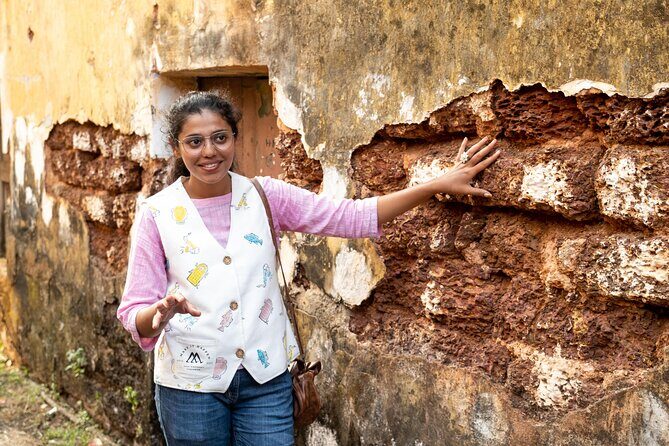
The tour meets at Panjim Post Office, then the walk ends back at the meeting point. That makes planning straightforward. You can start near central Panaji, walk into Fontainhas, and then return without a long, complicated end-of-tour commute.
Evening starts show up in experiences at 6 pm, and that can be a smart choice if daytime heat tires you out. The tour requires good weather, so check conditions in the hours before you go. If weather is poor, the experience may be rescheduled or refunded.
If you’re balancing this with beach time, think of it as your cultural counterweight. After Goa’s coastline, Fontainhas gives you a different side of the state—older, denser, and more human-scale.
Who should book this Heritage Walk (and who might skip it)
This tour fits you well if you want:
- a small-group way to see Panaji beyond beaches
- Portuguese-era streets and architecture with actual context
- heritage building entry rather than only sidewalk sightseeing
- included tastings and a live music finish
- a short window that still feels meaningful (about 2.5 hours)
You might consider skipping if:
- you prefer very fast walking routes with lots of distance covered and minimal “sit-and-listen” moments
- you struggle in heat and can’t tolerate waiting during stories
- you’re only interested in photos and don’t want cultural explanation
Should you book the Fontainhas Heritage Walk by Make It Happen?
I’d book it if you want a straightforward, good-value cultural outing in Panaji. The included ingredients—heritage entry, Goan sweets, a local soft drink, and live music—stack up into a complete neighborhood experience for a low per-person price.
I’d pause before booking if you’re chasing an active, long-distance hike feeling. This is a story and stop-based walking tour. When it clicks, it turns Fontainhas into a place you understand, not just pass through.
If you’re even slightly curious about Portuguese influence in Goa and you want to eat and listen while you walk, this is one of the easiest “yes” calls you can make.
FAQ
How long is the Fontainhas Heritage Walk?
It runs about 2 hours 30 minutes (approx.).
What is the starting point in Panaji?
The meeting point is Panjim Post Office, BPatto Colony, Panaji, Goa 403001, India.
Is this tour a walking experience?
Yes. It’s a walking tour focused on the Fontainhas neighborhood.
What does the tour cost?
The price is listed as $12.27 per person.
What’s included in the ticket price?
It includes all fees and taxes, tasting of traditional Goan sweets, a healthy local non-alcoholic beverage, music performance by a renowned Goan musician, and entry to non-residential heritage buildings.
What food and drink do you get?
You’ll get a tasting of traditional Goan sweets and a local soft drink (soda/pop).
Is there live music during the tour?
Yes. The tour includes a music performance by a renowned Goan musician.
How big is the group?
The experience notes a maximum of 20 travelers, and it’s also described as a small-group tour (max. 15) that stays easy to hear.
Is private transportation included?
No. Private transportation is not included.
Do you need good weather for the walk?
Yes. The experience requires good weather, and if it’s canceled due to poor weather you’ll be offered a different date or a full refund.