REVIEW · GOA
Panaji: Heritage Walk through Goa’s Latin Quarter
Book on GetYourGuide →Operated by Make It Happen · Bookable on GetYourGuide
Fontainhas turns Panaji into a time machine. This 2.5-hour walk helps you connect the dots between Portuguese influence and everyday Goa, from architecture and road names to what people eat and how they play music. What I like most is getting inside heritage homes and ending with a live set by a well-known Goan musician.
One thing to plan for: this is a walking route through narrow lanes and older buildings, so it is not suitable for mobility impairments.
In This Review
- Key highlights you’ll feel on the ground
- Fontainhas: Panaji’s Latin Quarter shaped by Portugal
- Price and time: why $12 can be real value in Panaji
- Start at the Panjim Head Post Office and trace Portugal’s arrival
- Fontainhas lanes and photo stops: winding alleys to San Sebastian
- Heritage homes and art galleries: what to look for inside
- 31st January Bakery: the quick bite that makes the culture real
- Live Goan musician performance: Portugal in the sound
- Practical tips for a smooth 2.5-hour walk
- Should you book this Panaji Latin Quarter heritage walk?
- FAQ
- Where is the meeting point for the tour?
- How long is the walking tour?
- How much does the tour cost?
- Is hotel pickup and drop-off included?
- What language is the tour guide?
- How big is the group?
- What’s included in the price?
- Are food and drinks included?
- Are souvenirs included?
- Is the tour suitable for people with mobility impairments?
- Is free cancellation and reserve-and-pay-later available?
Key highlights you’ll feel on the ground
- Fontainhas, Goa’s old Latin quarter: the Portuguese connection is built into the streets and homes
- Heritage homes with real entry: you’re not just viewing doors from the outside
- Art stops around Panjim Inn and Fundacao Orient: you’ll see works by local and international artists
- 31st January Bakery for a quick bite: Portuguese-leaning pastries and local flavors
- San Thome and San Sebastian chapels: small stops that anchor the story of arrival and settlement
- Live performance with a Goan musician: the Portuguese influence in music becomes personal
Fontainhas: Panaji’s Latin Quarter shaped by Portugal
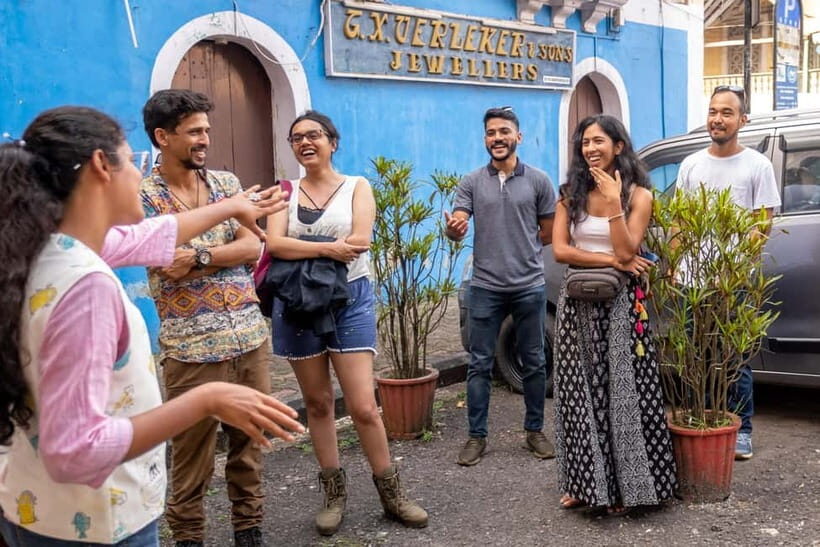
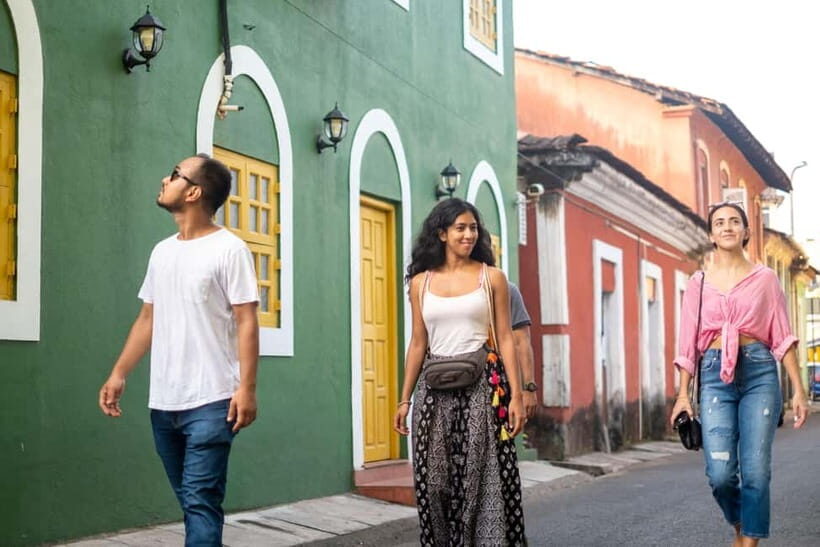
If your Goa plan is mostly about beaches, this tour is a smart counterweight. Panaji’s Latin quarter, Fontainhas, is where Portuguese culture shows up in plain sight, not as a museum display. You’ll notice it in the architecture, the street names, and even the way music and food carry old-world traces.
Fontainhas is also unusually walkable. It’s the oldest and largest Latin quarter in Asia, and it still feels like a neighborhood rather than a staged attraction. The area’s name comes from Portuguese for little fountain, tied to springs at the base of the Altinho hills. That detail matters, because it hints that this wasn’t just a European import—it grew from local geography and daily life.
The best part is how the Portuguese influence isn’t limited to one theme. On this walk, it’s connected across art, architecture, and the soundtrack of the neighborhood. That’s what makes the area feel coherent, even when you’re jumping from chapels to courtyards to galleries.
You can also read our reviews of more walking tours in Goa


Price and time: why $12 can be real value in Panaji
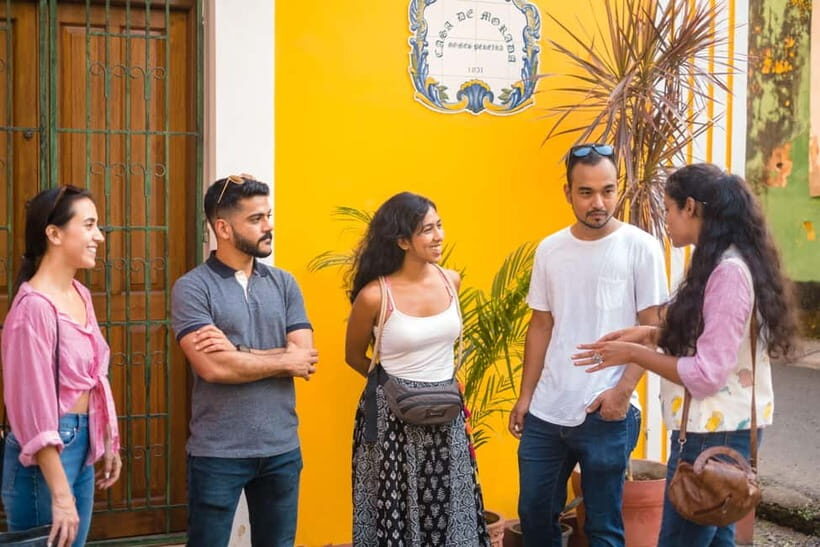
At about $12 per person for 2.5 hours, this is priced like a culture sampler, not a big-ticket excursion. You’re paying for three things that are hard to recreate on your own: a local English-speaking guide, entry into heritage homes, and a scheduled meeting with a well-renowned Goan musician.
A self-guided stroll through Fontainhas is possible, but you’d miss the connective tissue. The guide helps you understand why the buildings look the way they do, what Portuguese settlement left behind, and how it’s reflected in music. If you’ve only got a day or two in Panaji, that added context is the main value.
It’s also a group tour with a maximum group size of 20. That keeps it social without turning it into a cattle-line walk.
Start at the Panjim Head Post Office and trace Portugal’s arrival
You meet at the entrance of the India Post Panjim Head Post Office in Panjim (near the Mala district). The Sao Tome Chapel is a closer landmark, so if you’re navigating by phone maps, use that as your “find me” point.
The first stretch is about orientation and story. Before you wander deep into Fontainhas, you’ll trace the arrival of the Portuguese in Goa, starting from a spot called Tobacco Square. It’s a quick way to set the mental map: you learn what to look for before you’re surrounded by painted walls and old façades.
Then you pass the small Church of San Thome. Even if you’re not a church-history person, these tiny religious stops do the practical job of grounding the broader timeline in something you can point at.
Quick tip: comfortable shoes are non-negotiable here. Even when the walk doesn’t feel long on paper, the lanes and steps can make your feet work more than you expect.
Fontainhas lanes and photo stops: winding alleys to San Sebastian
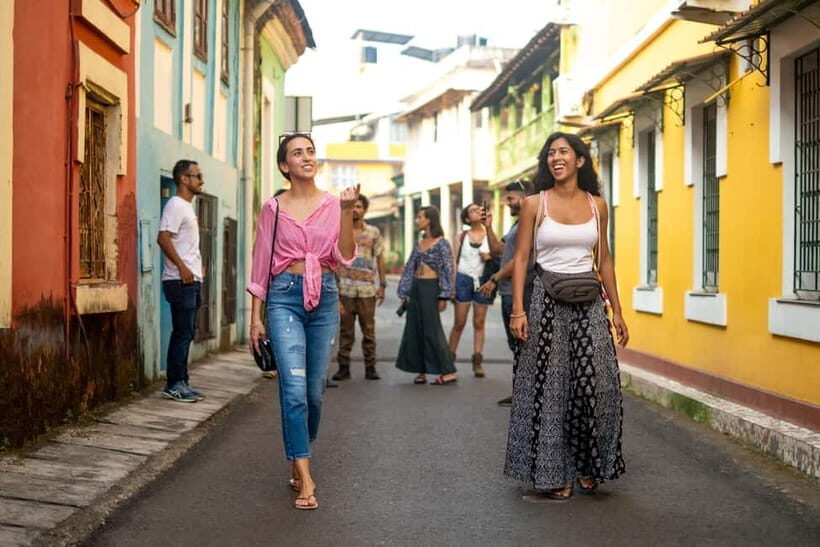
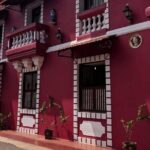
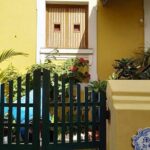
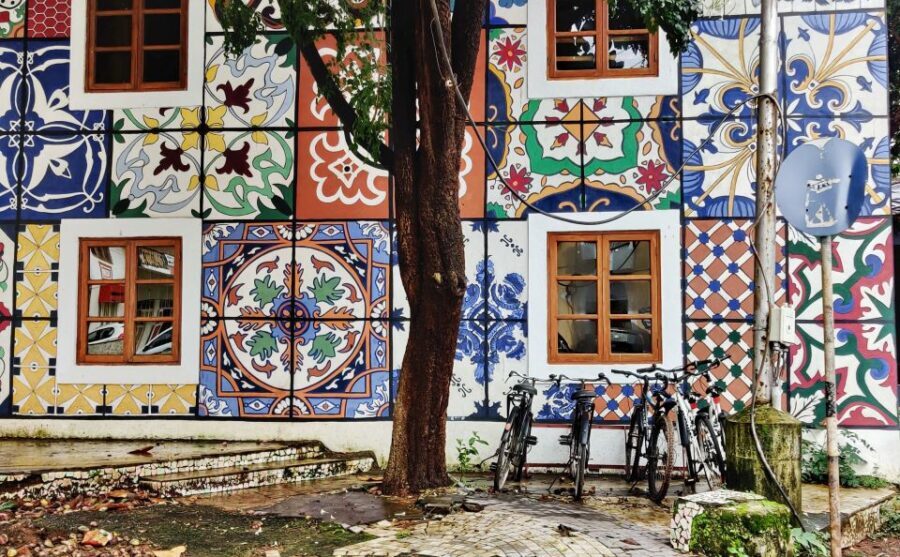
Once you enter Fontainhas, you get the visual payoff: winding lanes, heritage homes, and Portuguese-influenced details that don’t look like they were designed for Instagram—just for living. The streets are colorful, and the route is intentionally paced so you can pause and absorb.
As you walk, your guide adjusts based on your interests. If you’re into architecture, you’ll get more help reading the buildings. If you care about food or music, the guide ties those threads into the Portuguese influence you’re seeing.
One of the key viewpoints is the area around the Chapel of San Sebastian. This is where the neighborhood’s colors and textures really stack up visually, and it’s a good moment to slow down, take photos, and look beyond the “pretty” to the details.
One practical consideration: the neighborhood is compact, but it isn’t designed for wheelchairs or mobility aids. Narrow spaces and older steps are part of the character.
Heritage homes and art galleries: what to look for inside
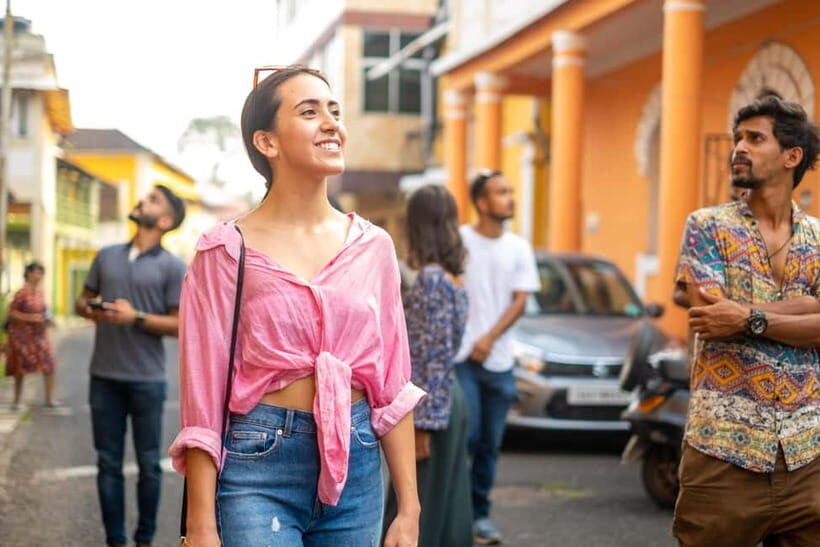
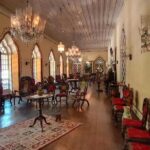
A standout feature is that you get entry into heritage homes, not just exterior views. That changes the experience. From inside, you can better understand how the Portuguese influence blended with local building patterns—how courtyards work, how rooms are shaped, and how the homes relate to the street.
You’ll also spend time around several cultural stops, including Panjim Inn, Fundacao Orient, and Galerie Gitanjali. This is where the tour goes beyond history-as-a-story and turns into history-as-an-art-show.
At these galleries, you’ll see works by local and international artists. If you like art, don’t rush your eyes. Spend a few minutes connecting what you learned about Portuguese influence to what you’re seeing on the walls—religious motifs, European-style composition, or subject matter shaped by the same colonial-era exchange.
And if you’re not an art expert, that’s fine. The value here is learning how the neighborhood frames art—how Goa’s Portuguese inheritance shows up in creative expression, not only in buildings.
You can also read our reviews of more historical tours in Goa




31st January Bakery: the quick bite that makes the culture real
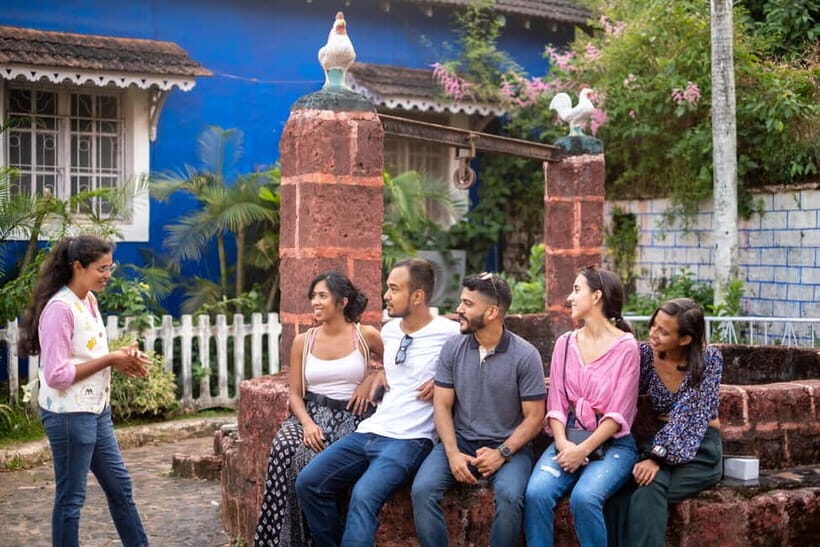
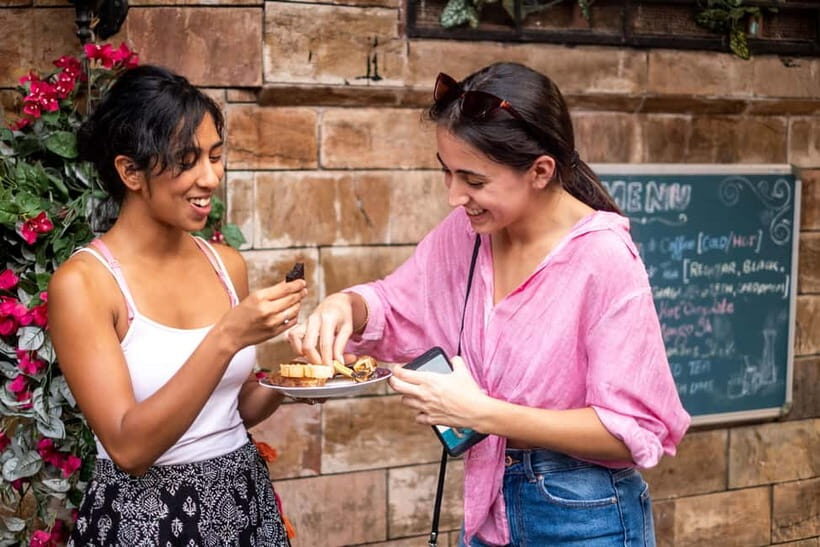
You stop into the quaint 31st January Bakery for a quick bite. This isn’t a random food break; it’s part of the story. Portuguese influence in Goa doesn’t just appear in churches and façades. It also shows up in baked goods, with recipes and flavors that became local.
Expect pastries and sweet treats that feel Portuguese at the root but Goan in the way they’ve been adopted. Pastel de nata has shown up in this stop for some groups, and that kind of connection is exactly why this tour works.
Be aware of the boundary: additional food and drinks aren’t included. So think of this bakery stop as a snack-sized cultural moment, not a full meal. If you’re easily hungry, eat beforehand or plan a proper dinner after.
Live Goan musician performance: Portugal in the sound
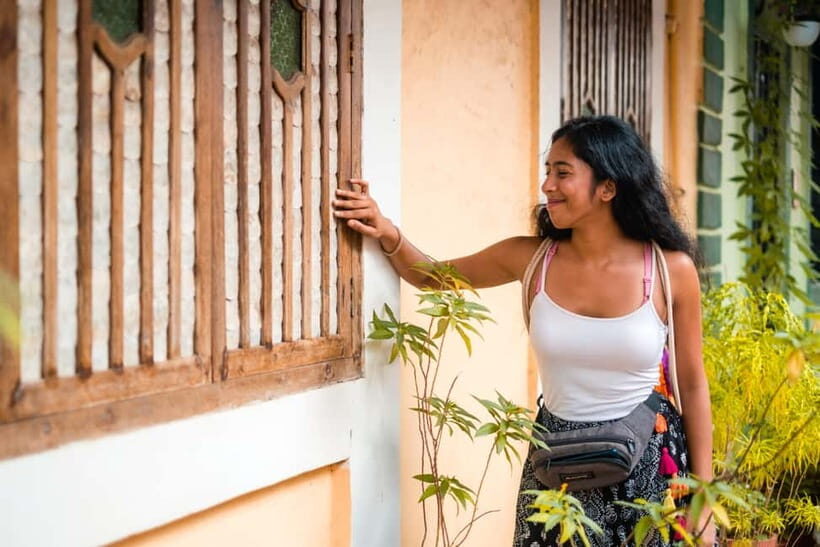
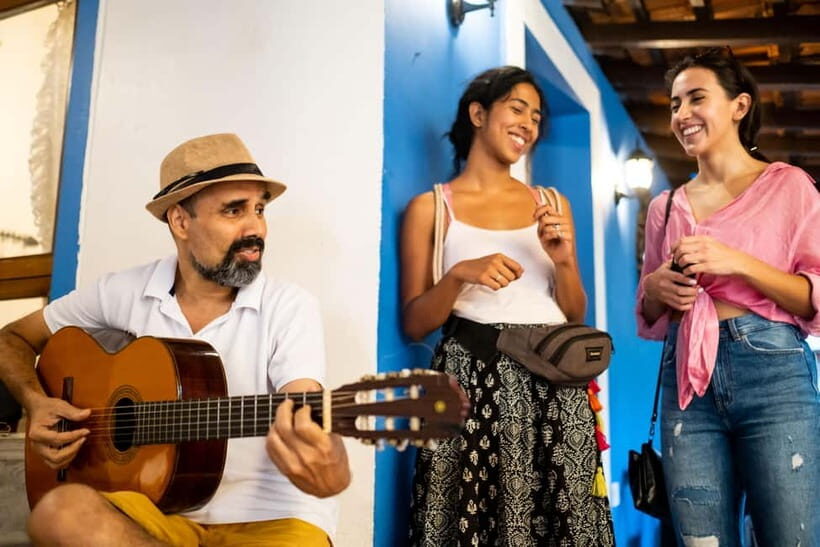
The finale is what makes the walk feel like a living neighborhood instead of a history lesson. You meet a Goan musician and learn about Portuguese influence on Goan music, then enjoy a live performance.
This is the part that many people remember most because it shifts the focus. You’re no longer only looking at Portuguese traces in architecture and art—you’re hearing how cultural exchange becomes rhythm, voice, and performance style.
From the way guides are described, the musician meeting isn’t treated like an add-on. It’s presented as the link between what the Portuguese left behind and how Goan music evolved from it.
If you enjoy music, or if you like tours that end with something sensory, don’t skip this section. It turns the walk into an experience you can take home in your head and ears.
Practical tips for a smooth 2.5-hour walk
This tour is designed for a comfortable walking pace, but it’s still a walking tour through older streets. Here’s how to make it easy:
- Wear comfortable shoes because you’ll be on uneven lanes and in and out of heritage spaces.
- Bring cash since the walk includes entry points and optional purchasing stops.
- Carry a reusable water bottle for the full duration.
- Dress in comfortable clothes so you can handle warm weather.
Timing can matter too. Some departure times are chosen to help with heat, and later afternoon options may line up nicely with dinner plans afterward. If you see a time slot in the later part of the day, it can make the walk feel less tiring.
One more reality check: some stops may have limited hours depending on the day. If you’re going on a Sunday, plan for the possibility that certain shops or galleries could be closed. Ask when you book so you’re not surprised if a storefront or gallery isn’t operating.
Should you book this Panaji Latin Quarter heritage walk?
Book it if you want more than photos of Portuguese-style buildings. You’ll get inside heritage homes, see art by local and international artists, and end with a live performance that ties Portugal to Goan music. For the price, the combination of guide-led storytelling plus access points (homes and a musician) is strong value.
Skip it if you need a fully wheelchair-friendly route, since it’s not suitable for mobility impairments. Also skip it if you’re only looking for a beach day vibe and don’t care about architecture, galleries, and neighborhood culture.
If you’re trying to understand Panaji fast, this is one of the most efficient ways to do it while still feeling authentic and local.
FAQ
Where is the meeting point for the tour?
You’ll meet your storyteller at the entrance of the India Post Panjim Head Post Office. The Sao Tome Chapel is a closer landmark to help you find the spot.
How long is the walking tour?
The duration is 2.5 hours.
How much does the tour cost?
The price is listed as $12 per person.
Is hotel pickup and drop-off included?
No. Hotel pickup and drop-off are not included, so you’ll need to arrive at the meeting point on your own.
What language is the tour guide?
The tour guide speaks English.
How big is the group?
It’s a group tour with a maximum group size of 20 people.
What’s included in the price?
Included are a local English-speaking guide, entry into heritage homes, and a meeting with a well-renowned Goan musician.
Are food and drinks included?
Additional food and drinks are not included. The walk does include a stop at 31st January Bakery for a quick bite, but plan for the rest of your meals to be separate.
Are souvenirs included?
Souvenirs are not included. You may have the option to stop at a studio that makes handcrafted ceramic souvenirs, but purchases would be on you.
Is the tour suitable for people with mobility impairments?
No. It is not suitable for people with mobility impairments.
Is free cancellation and reserve-and-pay-later available?
Yes. You can cancel up to 24 hours in advance for a full refund. You can also reserve now and pay later.