REVIEW · GOA
Explore Latin Colony In Goa by Walk
Book on Viator →Operated by Trinity Voyage · Bookable on Viator
Fontainhas is where Goa’s Latin side shows up on the street. This walk through Panjim’s Latin Colony feels personal, not like a checklist, and I like that you get a local guide plus easy refreshment stops like bottled water and tea. I also love the mix of architecture and daily life, with time at the Church of Our Lady of the Immaculate Conception and a visit to the fish and vegetable market. One thing to consider: the pace is based on walking and a bit of shifting areas, so you’ll want moderate fitness and comfortable shoes.
You’re paying for a short, focused private tour (about 1–2 hours), so it can be a great use of time if you want more than just beach hours. A small drawback: it’s not a food tour with a full meal included, so plan to eat after if you get hungry during the market stop.
In This Review
- Key things you’ll actually notice on this Latin Colony walk
- Fontainhas: the Latin Colony side of Goa you’ll want to see
- Starting point in Panjim and how to get your timing right
- Stop 1: Fontainhas streets, Clube Vasco Da Gama, and the Abde Faria statue
- Stop 2: Church of Our Lady of the Immaculate Conception and those legendary bells
- Stop 3: Panjim fish and vegetable market—watching Goa buy dinner
- The pacing: a 1–2 hour tour that doesn’t rush the story
- What’s included (and what you should plan for)
- Price and value: is $70 per person fair?
- Who this tour suits best
- Practical tips so you enjoy the walk more
- Should you book the Latin Colony in Goa by Walk?
- FAQ
- What is the duration of the Latin Colony in Goa by Walk?
- How much does the tour cost?
- Is the tour private?
- What time does the tour start?
- Where do I meet the guide?
- Where does the tour end?
- What’s included in the price?
- Is hotel pickup included?
- Are there any limits for kids or fitness level?
- Is free cancellation available?
Key things you’ll actually notice on this Latin Colony walk
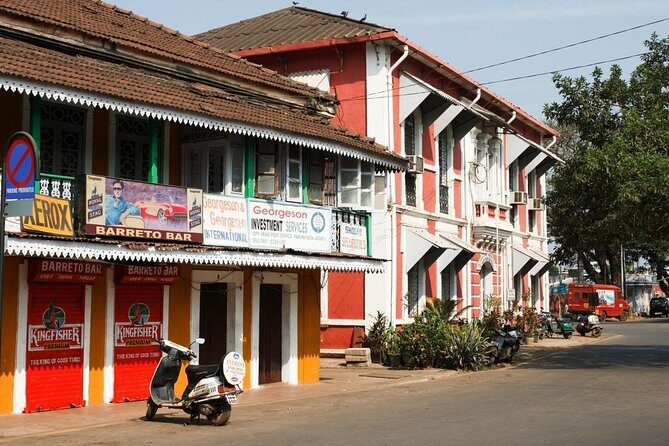
- Fontainhas streets with Indo-European flavor: Latin Quarters in Panjim, including recognizable old-town sights
- Free entry stops with standout details: a major church and a walk that stays easy on your wallet
- The fish and vegetable market stop: you see what people buy for everyday cooking, not just photo spots
- Real-time comfort included: bottled water plus coffee and/or tea help keep the heat from stealing the fun
- A guided story, not just walking: you’ll connect monuments to the people and legends around them
- Short and flexible format: it’s private, so your guide can slow down where you’re curious
Fontainhas: the Latin Colony side of Goa you’ll want to see

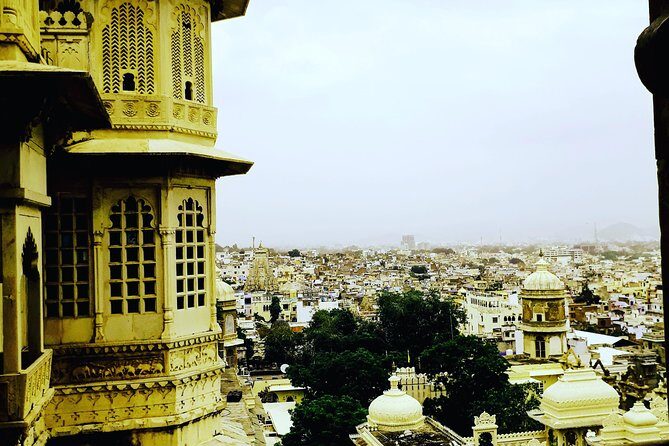
Goa is often sold as beaches, nightlife, and seafood. But Panjim’s Latin Colony, especially Fontainhas, is where you see a different legacy at street level. Think pastel facades, older Indo-European architecture, and religious landmarks that feel tied to the way the city grew over centuries. Even better, you’re not doing this in a crowded bus group. This is a private walking tour with a guide who can pace it around your group.
What makes this tour work is the balance. You get landmark time (the church is a big one), but you also get a lived-in stop at the market. That pairing matters. Architecture is interesting, but markets show you how people actually use the city day to day.
And yes, it’s also a photographer’s neighborhood. Reviews mention decorations and seasonal lighting in the area, including Christmas-style displays. If your timing overlaps, you’ll likely spot extra color along the way.
You can also read our reviews of more walking tours in Goa



Starting point in Panjim and how to get your timing right
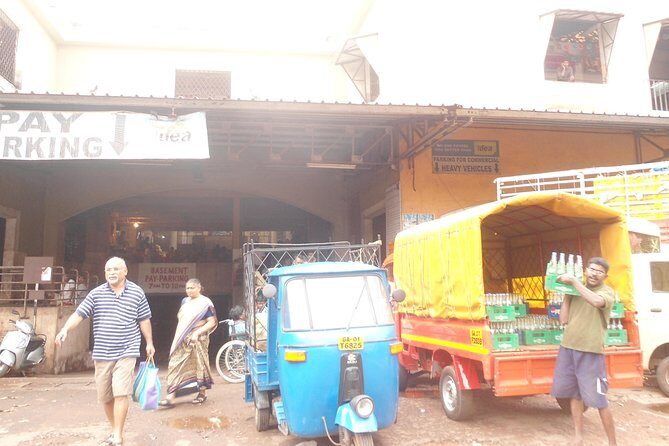
The walk starts at Panjim Post Office, BPatto Colony, Panaji at 9:30 am. That morning start is smart in Goa: the light is good for photos, and the city hasn’t fully warmed up yet. It also gives you time to roll into lunch after.
Your tour ends at WelcomHeritage Panjim Inn in Fontainhas (Rua 31 de Janeiro). So even though it’s a guided walk, you’re not left in the middle of nowhere at the end. The ending location makes it easy to continue exploring on your own.
Logistics are refreshingly simple: you’ll have a mobile ticket. Pickup is offered, but it may depend on your hotel and may cost extra, so don’t assume it’s included unless the booking confirms it for your address.
Stop 1: Fontainhas streets, Clube Vasco Da Gama, and the Abde Faria statue
The tour begins in Fontainhas, one of those neighborhoods where small turns reveal more than you expect. Your guide starts by pointing out the area around Clube Vasco Da Gama. It’s noted for hosting the first Indo-German Friendship society, and the timing can matter here. In October, there are special programs mentioned, including a Beer festival. If you’re visiting in fall, that’s a fun connection to the neighborhood beyond architecture.
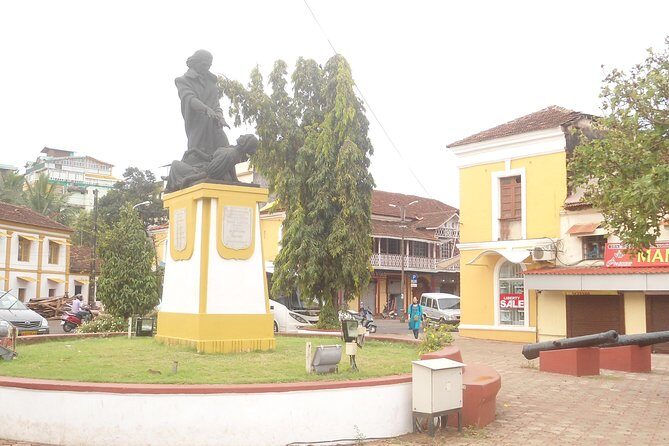
After that, you head toward a statue that’s more intriguing than it sounds on paper. You’ll see the Abde Faria statue, depicting Abbé Jose Custodia Faria—described as a priest hypnotizing a woman—set in a small square near the Secretariat in Panjim. The story gets even more interesting through literature: Alexander Dumas’s Count of Monte Cristo, written about fifty years later, includes a prisoner at the chateau nicknamed the Mad Monk, and the character is said to have been named Abbe based on hard-to-verify life details.
Why this stop is worth your time: it’s not just “look at a statue.” It’s a reminder that these neighborhoods carry stories that traveled through people, ideas, and books. You’ll come away seeing Fontainhas as a place that holds characters and legends, not only buildings.
A possible drawback: if you prefer only major, easily photographed landmarks, statues and small squares can feel like detours. But with a guide telling you why a figure exists here, it usually lands better than you expect.
Stop 2: Church of Our Lady of the Immaculate Conception and those legendary bells
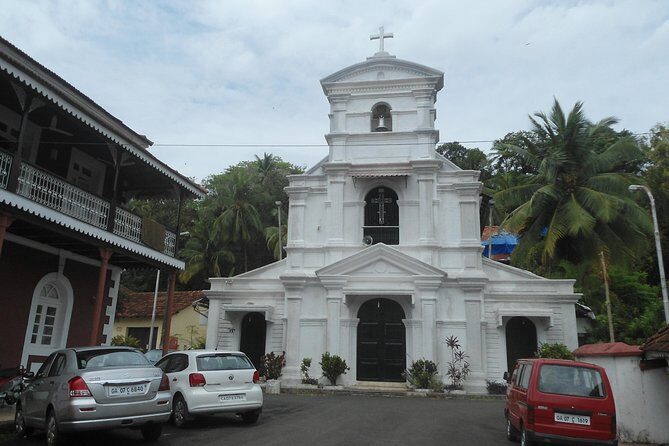
Next comes the Church of Our Lady of the Immaculate Conception, described as one of the first churches built in Goa. It’s located right in the heart of the city, which is exactly why it’s so useful on a walking tour—you’re not trekking across town just to see it.
Two details make this church stand out:
- The church bells are said to be the second largest in the world.
- The church is associated with the idea that it once acted like a lighthouse for weary sailors.
Also, the imposing structure dates to the 1540s, which means you’re looking at something from an era when sea travel, trade, and faith were tightly linked. If you’re the kind of traveler who loves to connect religion, architecture, and daily life in one picture, this stop will click.
Timing note: it’s said to be best viewed at night, when it’s lit up and looks like the monument is ablaze with lights. You won’t necessarily see that night effect on a morning tour. Still, daytime can work for understanding scale and form, and it’s a nice break between street-walking moments.
Time on this stop is short—about 15 minutes—so come prepared to look, listen, and move. If you want a longer church visit or quieter time inside, plan to return later on your own.
Stop 3: Panjim fish and vegetable market—watching Goa buy dinner
The final major stop is Panjim’s fish and vegetable market. This is the part where the tour shifts from “monuments” to “people doing daily business,” and that’s the secret to why this walk feels grounded.
Your guide takes you through a large, colorful market where you can see lots of categories in one place: spices, fish, meat, vegetables, plus household wares and other goods. Even if you don’t buy anything, you’ll get a quick education in how a city runs. Market stalls are also where you see real contrasts—bright stacks of produce beside seafood displays, and the rhythm of sellers and buyers keeping the place moving.
What I like about this stop is that it helps you interpret the city. After seeing the church and old-town landmarks, you start understanding how the neighborhood supports everyday life, not just ceremonial life.
One consideration: this is still a market. That means you’ll want to keep your footing steady and be mindful of crowd flow. Also, the tour doesn’t include food as part of the package, so if you’re hoping for a snack, you’ll likely need to buy it separately.
After the market walk, you head back toward the Fontainhas area using a tuk tuk. That small transit moment helps the tour stay within a reasonable 1–2 hour window without turning it into a marathon.


The pacing: a 1–2 hour tour that doesn’t rush the story
The duration is listed as about 1 to 2 hours, and the structure reflects that. It’s built to fit a morning slot without dragging into your whole day.
Each stop is time-boxed:
- Fontainhas is around 30 minutes
- The church is about 15 minutes
- The market and Panjim walk is around 30 minutes
Then you transfer by tuk tuk to finish up around Fontainhas.
In practice, that pacing is ideal for visitors who want a guided orientation. You get enough time to learn the main threads, but you still have energy afterward for independent wandering. If you’re already tired from other sightseeing, this tour is a smart “lighter day” option.
What’s included (and what you should plan for)
This tour includes:
- A local guide
- Free bottled water
- Coffee and/or tea
- A private tour
- Mobile ticket
Those inclusions sound simple, but they matter in Goa. Water is a big deal when you’re walking, and tea/coffee keeps energy levels steady so you’re not counting minutes waiting for a cafe.
What’s not included:
- Food and drinks (beyond the coffee/tea)
- Hotel pickup and drop-off unless arranged as an extra supplement for your specific hotel
So if you’re arriving hungry, treat coffee/tea as a boost, not a meal plan. After the tour, you’ll likely want to eat in the area—Fontainhas is the kind of place where you can keep your day going with a little wandering.
Price and value: is $70 per person fair?
At $70 per person, this is not a bargain-bin street walk. But it can still feel like good value if you weigh what’s included and how the tour is structured.
You’re getting:
- A private guide (meaning no shared group to manage)
- Time at three meaningful stops (Latin Quarter streets, a major church, a working market)
- Comfort items (bottled water and coffee/tea)
- A tuk tuk transfer at the end to keep the time realistic
Where the value depends on you: if you’re traveling as a couple or a small group, private tours often justify the price because you’re paying for convenience and a more personal pace. If you’re traveling solo and expect a full-day itinerary, you might feel the price is high for a short window.
Still, for an orientation walk that connects architecture to everyday Goa, I think the value lands pretty well.
Who this tour suits best
This one fits best if you:
- Want Latin-architecture context without needing a full-day commitment
- Like a mix of monuments and local markets
- Prefer a private format where your guide can adjust the walk
You might also enjoy it if you’re the type who likes “small stories,” like the Abde Faria statue details and how legends travel through literature. It’s the kind of tour where you learn a few facts that stick because they’re tied to a physical place.
If your travel style is pure speed—see, snap, leave—this may feel a bit slow. But if you like stopping for views, listening for why a building or statue matters, it’s a solid fit.
Practical tips so you enjoy the walk more
A few things I’d do to make the experience feel easy:
- Wear comfortable shoes. You’ll be walking through old neighborhoods and market areas.
- Bring a light layer if mornings are cool, since weather can shift quickly.
- Plan a snack or meal afterward, since the tour includes only coffee and/or tea, not a meal.
- If you love photos, check whether you have time later to catch the church’s night lighting. The tour notes it’s best at night, so you might want to circle back.
Also, if you’re traveling during festive periods, keep your eyes open for extra neighborhood decoration and lighting. Reviews highlight seasonal charm in Fontainhas, including Christmas-style displays.
Should you book the Latin Colony in Goa by Walk?
I’d book it if you want a guided taste of Panjim that goes beyond the beach brochures. The strongest reason is the balance: you get Latin architecture and a key church stop, then you end with a market walk that shows Goa as a functioning city. Add in the included bottled water and coffee/tea, and it’s a tour that feels thoughtful for a short time window.
Skip it if you already have a long list of museum-heavy stops and you want only major must-see attractions for a tight itinerary. This is a neighborhood walk with stories, not a full-day sightseeing machine.
If you’re on the fence, this is the kind of tour that makes your other plans make more sense. After you see how Fontainhas and Panjim connect, you’ll wander on your own with better context.
FAQ
What is the duration of the Latin Colony in Goa by Walk?
It runs about 1 to 2 hours.
How much does the tour cost?
The price is $70.00 per person.
Is the tour private?
Yes, it is a private tour/activity, so only your group participates.
What time does the tour start?
The start time is 9:30 am.
Where do I meet the guide?
The meeting point is Panjim Post Office, BPatto Colony, Panaji, Goa 403521, India.
Where does the tour end?
The tour ends at WelcomHeritage Panjim Inn, Rua 31 de Janeiro, Fontainhas (quarter), Altinho, Panaji, Goa 403001, India.
What’s included in the price?
A local guide, bottled water, coffee and/or tea, and the private tour are included. You also get a mobile ticket.
Is hotel pickup included?
Hotel pickup and drop-off is not included, but it can be provided for an additional supplement depending on your hotel.
Are there any limits for kids or fitness level?
Travelers should have a moderate physical fitness level, and children must be accompanied by an adult.
Is free cancellation available?
Yes. Free cancellation is available up to 24 hours in advance for a full refund.