REVIEW · GOA
Fontainhas Heritage Walk At Latin Quarters of Goa
Book on Viator →Operated by Soul Travelling · Bookable on Viator
Colorful lanes beat a typical checklist walk. This Fontainhas Heritage Walk is interesting because it turns Panjim’s Portuguese-era look into clear, human stories, and it pairs the architecture with real Goan snacks plus an Indo-Portuguese house visit.
One thing to plan for: it’s about 2.5 hours of walking, so if heat and uneven old lanes bother you, wear shoes you trust and keep a steady pace.
In This Review
- Key highlights you’ll feel on the walk
- Fontainhas: the Portuguese pocket that makes Panjim make sense
- Price and time: good value for a guided morning stroll
- Where it starts: MO’s Cafe & Bistro near the Panjim Post Office area
- Fontainhas first: architecture you can read like a story
- Stroll to St Sebastian Chapel: a landmark from 1880
- Sao Tome Old Quarter: Portuguese Baroque style with a city-view angle
- Jardim Garcia de Orta: the most human story on the route
- An Indo-Portuguese home visit: where architecture turns into daily life
- The bakery stop: snacks plus a place that’s been working since the 1920s
- Guides make the difference: Bob, Priyanka, Royston, Adolfina, Leroy
- How to get the most out of your 2.5 hours
- Who this tour is best for (and who should think twice)
- Should you book Fontainhas Heritage Walk?
- FAQ
- How long is the Fontainhas Heritage Walk?
- How much does the tour cost?
- Is a guided tour included?
- What snacks are included?
- Are admissions included for the chapels/churches?
- Does the tour include bottled water?
- What is the group size?
- Where do I meet the group?
- Where does the tour end?
- How do I get the ticket?
- What is the cancellation policy?
Key highlights you’ll feel on the walk
- Max 15 people means you can actually hear your guide and ask questions.
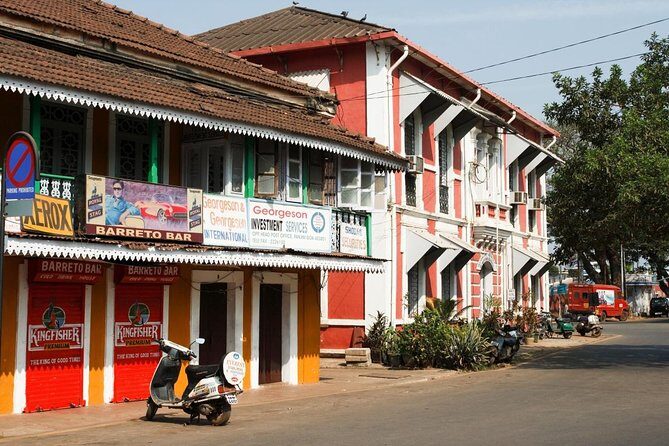
- Portuguese Panjim architecture, on foot through Fontainhas and nearby historic quarters.
- St Sebastian Chapel (built 1880) gives you a concrete landmark with a sense of place.
- Jardim Garcia de Orta adds a darker, personal story about a doctor hiding Jewish roots.
- A visit to a local house with legends that explain everyday life, not just monuments.
- Snacks at a Goan bakery operating since the 1920s plus included Soul Travelling goodies.
Fontainhas: the Portuguese pocket that makes Panjim make sense
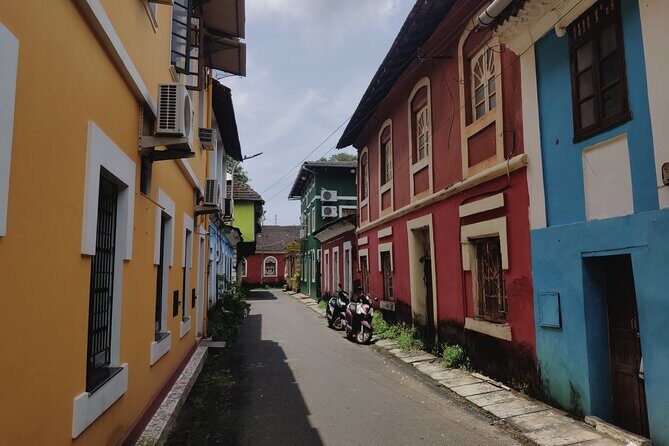
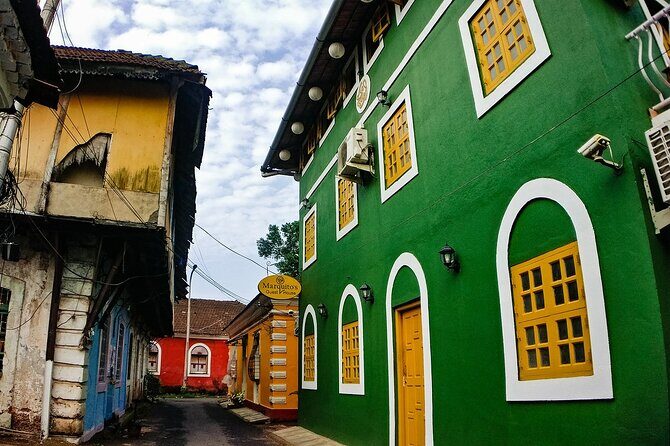
Fontainhas is the kind of place where you stop walking and just look up. The lanes are colorful, the houses have that Portuguese feel, and the area somehow manages to look both old and lived-in. What makes this walk worth your time is that it doesn’t treat the neighborhood like a photo set. You learn how it became the new capital area people associate with as Nova Goa, after Old Goa’s decline from disease.
I like that the guide keeps pointing out the details you’d miss on your own: how buildings signal the era, how the streets shape movement, and how the religious landmarks connect the neighborhood to Panjim’s wider story. If you’ve been to Goa and still feel like you only saw beaches, this is a fast way to get your bearings in the city.
You can also read our reviews of more walking tours in Goa



Price and time: good value for a guided morning stroll
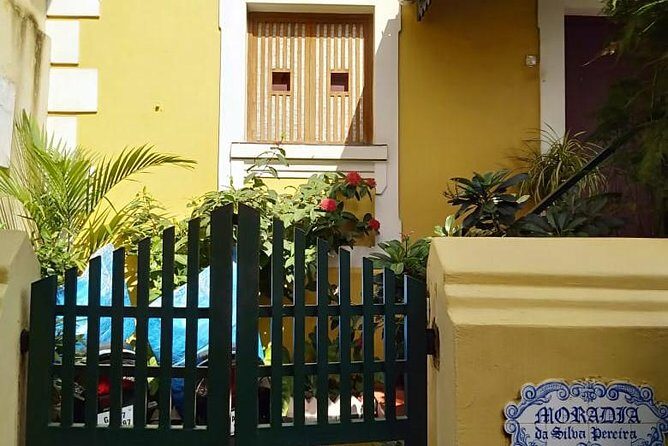
At about $11.15 per person for a tour that runs around 2 hours 30 minutes, this is priced like a local experience, not a budget trap. You’re not just paying for someone to lead you down a street. The tour includes a guided walk, snacks, Soul Travelling goodies, and all fees and taxes.
That matters because Goa city walks often fall into two extremes: either they’re cheap but thin on details, or they include a lot but cost more than you expected. Here, the snack and the house/bakery stops help justify the time. It also helps that group size is limited to 15, so you’re not stuck in a crowd where the guide has to shout.
If you’re the type who likes short, focused activities—this one fits. Just know it’s still a walking tour, so pack for comfort.
Where it starts: MO’s Cafe & Bistro near the Panjim Post Office area
Your meeting point is MO’s Cafe & Bistro, at H.No E-365, Rua Miguel Vicent, Abreu, Altinho, Panaji, Goa 403001. The good news: it’s near public transportation, and the tour ends back at the same spot.
One review-style detail that’s useful for orientation: the start point is close to the historic Panjim Post Office area. So even if you arrive a bit early, you’ll have something solid to look at while you wait. Bring your phone for the mobile ticket, and keep an eye out for the exact starting group so you don’t lose time.
Fontainhas first: architecture you can read like a story
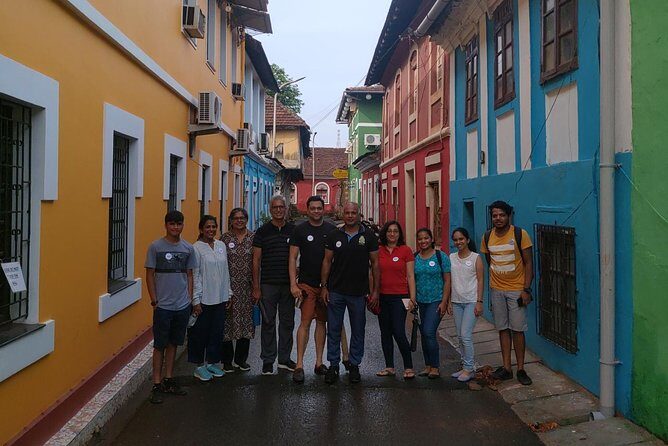
The walk begins in Fontainhas, a neighborhood where Portuguese influence shows most clearly through architecture and the heritage ambience. You get time to simply take it in, about half an hour, before the route expands.
What I like here is the way the guide connects architectural style to the broader story of Goa’s capital shift. You hear why the area became important after Old Goa fell into decline, and you learn how the Portuguese presence shaped the look and feel of the streets you’re walking today. That context makes the colors and carvings mean more than decoration.
Practical tip: bring your phone camera if you like architecture, but also look without filming for a minute. The best details here are the subtle ones—doorways, street rhythm, and building forms.
Stroll to St Sebastian Chapel: a landmark from 1880
Next comes the Chapel of St Sebastian at the southern end of Fontainhas, built in 1880. The stop is brief (around 15 minutes), but that can be a plus. You’re not stuck in one place long enough to feel bored; instead, you get enough time to notice the setting and let the guide explain why it matters.
A chapel like this works well in a walking tour because it gives the route a spine. It helps you understand what the neighborhood’s people built, used, and cared about—not just what survived. If you like religion-as-architecture and the way faith sites anchor communities, you’ll appreciate this stop.
Consideration: since the walk stays active, keep snacks and water planning in mind so you don’t feel rushed when you reach the chapel.
You can also read our reviews of more historical tours in Goa



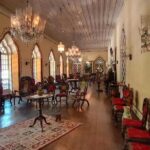

Sao Tome Old Quarter: Portuguese Baroque style with a city-view angle
After St Sebastian Chapel, you head to the Sao Tome Old Quarter. Here you’ll see a colonial Portuguese Baroque style church that overlooks Panjim. The time is short—about five minutes—but the viewpoint makes those minutes count.
This is one of those moments where the guide’s comments can completely change your experience. The church location isn’t random. When you learn what the neighborhood was designed to represent and how these sites relate to the capital city, you start spotting connections from street to skyline.
If you’re tired of tours that only focus on one block of the city, this viewpoint angle gives you a better sense of scale.
Jardim Garcia de Orta: the most human story on the route
Jardim Garcia de Orta is a memorial connected to Garcia de Orta, a medical doctor who kept his Jewish roots secret to save himself. That twist—safety and survival—adds real weight to the walk.
This stop lasts around 15 minutes, and it’s often where the tour becomes less about buildings and more about people. You’re reminded that “heritage” isn’t always peaceful. Families and communities adapted under pressure, and sometimes survival meant hiding identity. You’ll likely walk away thinking about Goa’s past in a more complete way.
If you prefer history that includes real consequences and not just dates, you’ll enjoy this part.
An Indo-Portuguese home visit: where architecture turns into daily life
One of the tour’s biggest strengths is the visit to a local house—an Indo-Portuguese home visit included in the experience. This is where the neighborhood stops being just a visual style and becomes a lived setting.
The value here is practical. You get to see how the Portuguese influence shows up in domestic spaces, not only religious sites or public landmarks. You’ll also hear local legends and stories tied to the house, which helps you connect the architecture to the kinds of relationships and routines people had.
Based on guide feedback from past participants, guides like Adolfina and Leroy Fernandez are praised for how they explain architecture styles and keep the experience comfortable. Even if the home visit is brief, it tends to be the stop that feels most personal because it’s tied to everyday life.
The bakery stop: snacks plus a place that’s been working since the 1920s
Food stops can be either filler or the point. Here it’s the point. The tour includes snacks at one of the oldest Goan bakeries in the city, reportedly operational since the 1920s. You’re also served local delicacies, and the snacks are described as generous enough to feel like a proper break, not a token bite.
A bakery that’s been operating for roughly a century is more than a sweet stop. It’s a living link to how Portuguese influence mixed into local life. Flour, ovens, ingredients, and recipes all become part of heritage when they keep being used—not just displayed.
What to do: arrive ready to snack. If you’re the type who wants to keep your schedule tight, remember this stop is part of the story, not just a break from walking.
Also, bottled water is not included, so if you’ll need it, plan to buy it nearby before the tour or bring your own.
Guides make the difference: Bob, Priyanka, Royston, Adolfina, Leroy
This walk is small-group by design, and that’s what lets the guide do what the best guides do: answer your curiosity with specific details.
In particular, several guide names come up in feedback: Bob, Priyanka, Royston, Adolfina, and Leroy Fernandez. Each of them gets praised for being civil, attentive, and clearly focused on the architecture and neighborhood stories. People also mention enthusiasm, which matters because Fontainhas can look like pure aesthetics until someone shows you what to notice.
If you love walking tours where you come away with names, dates, and a better sense of how a place worked, this guide-led format is the reason to book.
How to get the most out of your 2.5 hours
You’ll have the best time if you treat the walk like a slow read. Don’t rush just to “cover” the neighborhood.
Here’s how to set yourself up:
- Wear comfortable shoes with grip for older lanes.
- Keep your phone charged enough for mobile ticket verification.
- Bring your own bottled water since it’s not included.
- Pace yourself. The route is short by city standards but still active.
- Use the snack time as a reset. You’ll feel better for the later stops.
If you’re planning other Panjim sights afterward, try not to stack too many heavy activities. This tour gives you a strong foundation in the city’s Portuguese quarter, and then you’ll spot details everywhere.
Who this tour is best for (and who should think twice)
This experience is ideal if you:
- want Portuguese Goa beyond churches-from-outside photos
- like city history told through neighborhoods and buildings
- enjoy guided structure but still want time to look around
- appreciate food stops tied to real local places
It’s less ideal if you:
- dislike walking for about 2.5 hours
- need a lot of downtime built into the schedule
- are only interested in beach Goa and don’t want city context
Should you book Fontainhas Heritage Walk?
Yes, I’d book it if you want a compact, high-value way to understand Panjim’s Portuguese-era roots. For $11.15, you’re getting guided storytelling, multiple historic sites, a house visit, and snacks from a bakery tied to the 1920s—plus the tour includes goodies and all fees and taxes.
If you’re on a tight schedule, this one is strong because it covers several key parts of the area in just one outing. If you’re choosing between “another general tour” and something focused on architecture + local food + real stories, Fontainhas is the smarter pick.
Book ahead if you can. The tour is often reserved about 12 days in advance, and it’s capped at 15 people, so your best odds are to lock it in early.
FAQ
How long is the Fontainhas Heritage Walk?
It runs for about 2 hours 30 minutes (approx.).
How much does the tour cost?
The price is listed as $11.15 per person.
Is a guided tour included?
Yes, a guided tour is included.
What snacks are included?
The tour includes snacks and local delicacies from a Goan bakery stop.
Are admissions included for the chapels/churches?
Yes. The admission ticket is listed as free for the sites included on the walk.
Does the tour include bottled water?
No. Bottled water is not included.
What is the group size?
The tour has a maximum of 15 travelers.
Where do I meet the group?
The meeting point is MO’s Cafe & Bistro, H.No E-365, Rua Miguel Vicent, Abreu, Altinho, Panaji, Goa 403001.
Where does the tour end?
It ends back at the meeting point.
How do I get the ticket?
You get a mobile ticket.
What is the cancellation policy?
You can cancel for a full refund up to 24 hours in advance. If you cancel less than 24 hours before the start time, the amount paid is not refunded.