REVIEW · VARANASI
Mysticism of Varanasi with Ganga Aarti (2 Hours Walking Tour)
Book on Viator →Operated by Yo Tours · Bookable on Viator
Ganga fire and prayers set the clock. This 2-hour walking tour plus Ganga Aarti time is built for evening light, nonstop riverfront life, and a chance to understand why Varanasi keeps pulling people back through the centuries. I love how the route threads through the main ghats while explaining what you’re seeing, instead of treating the river like a backdrop.
I also like the storytelling angle: you get a guide who can speak English and Hindi, plus real conversation about local beliefs and daily ritual. One consideration: the included boat segment is not a big cruise experience, so if you’re expecting that, you’ll want to set your expectations early.
In This Review
- Key things to know before you go
- Entering Varanasi on River Time: The 2-Hour Format
- Price and value: Why $13.16 can make sense here
- Where you start (and why St. Thomas Church helps)
- Dashashwamedh Ghat: the oldest heartbeat of the riverfront
- Banaras Ghats walk: serenity, rituals, and “life energy” talk
- Manikarnika Ghat: moksha, cremation, and heavy reality
- Ganga Aarti: fire, rhythm, and the meaning of darshan
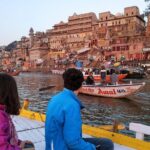
- The included boat ride: small boat, not a cruise
- The guide factor: why conversation is part of the product
- What to expect emotionally (and how to prepare)
- Who this tour is for (and who should pass)
- Should you book Mysticism of Varanasi with Ganga Aarti?
- FAQ
- How long is the tour?
- Where does the tour start and end?
- What’s included in the price?
- Is food or drinks included?
- Is it only walking?
- Do I need admission tickets for the stops?
- What happens if the weather is bad?
Key things to know before you go
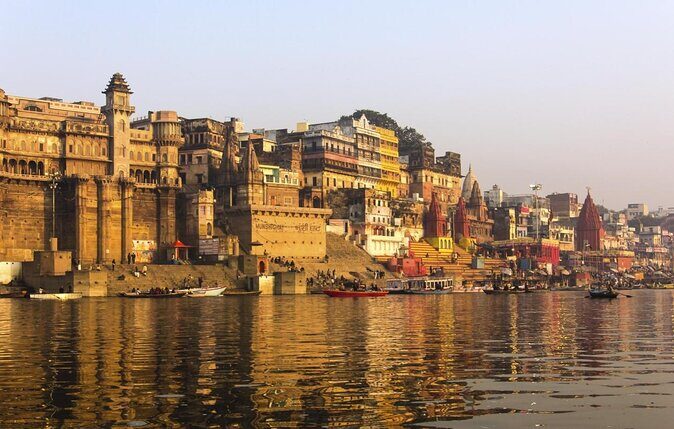
- Dashashwamedh Ghat timing: You start at the oldest and holiest ghat, right where the action builds toward the evening ceremony.
- Manikarnika Ghat significance: You’ll hear why this stretch of the riverfront is linked to moksha (salvation).
- Ganga Aarti as a main event: The tour centers on darshan of this sacred river ritual that’s part of the Ganga’s five worship ceremonies.
- A guide who explains, not just points: English & Hindi storytelling and discussion about religious life.
- Energy-balance talk while you walk: You’re guided through life-energy ideas and “energy transformation” techniques as you move along the ghats.
- Mobile ticket and private-group feel: You’ll use a mobile ticket, and it’s set up so only your group participates.
Entering Varanasi on River Time: The 2-Hour Format
This tour is short on paper and long on feeling. Two hours in Varanasi can be enough to orient you, introduce you to the ghats, and still give you a front-row window for the evening ceremony. The big trick is that everything is timed around the river’s daily rhythm—especially sunset and the moment the lamps come out for the Ganga Aarti.
If you like “see it, then understand it,” this setup fits. You’re not stuck in one spot; you’re walking through key ghat areas, so the city unfolds in layers: old stone, ritual spaces, and people moving with purpose.
You can also read our reviews of more walking tours in Varanasi


Price and value: Why $13.16 can make sense here
At about $13.16 per person, this is priced like a smart add-on rather than a splurge. The value comes from three pieces you’d otherwise pay for separately: a trained guide, guided time during the Aarti (including darshan), and the built-in walking route that hits multiple important ghats.
You’re also not paying for hotel pickup or an air-conditioned vehicle here. That can be a plus if you’re comfortable being out in the neighborhood and moving on foot where the real action is. In this part of Varanasi, convenience often means walking—not hiding from it.
Where you start (and why St. Thomas Church helps)
The meeting point is St. Thomas Church on Luxa Rd (Luxmanpura / Ramapura Luxa area). That matters because it gives you a fixed anchor in a city that can feel like it’s constantly changing streets and alleys around you. The tour ends back at the same place, so you’re not left trying to work out a return after the ceremony.
It also notes it’s near public transportation, which is helpful if you’re staying somewhere you can reach by bus, rickshaw, or local routes without a private car.
Dashashwamedh Ghat: the oldest heartbeat of the riverfront
The first major stop is Dashashwamedh Ghat—described as the oldest and holiest ghat and the center of the evening action. This is where you start to feel why Varanasi’s spiritual reputation isn’t just marketing. The riverfront is the stage, and the ceremony is what draws the crowd in.
Expect two things here:
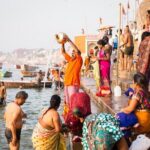
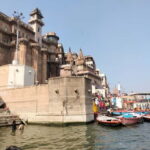
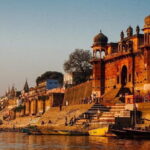
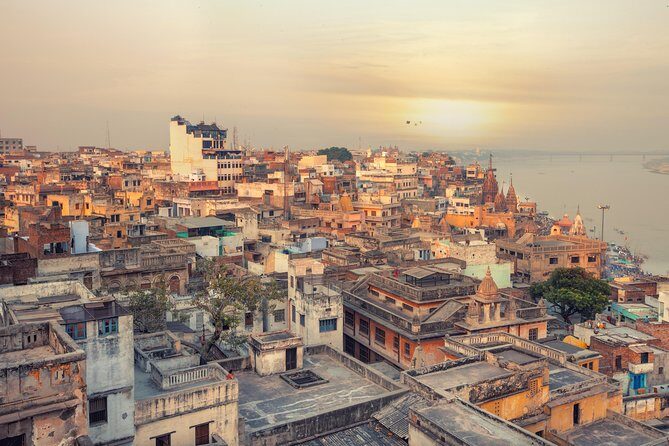
- You’ll watch the evening light set up the scene: colorful old buildings, ashrams, and riverfront life as the horizon comes into view.
- You’ll get context before the Aarti moment, so the rituals don’t feel random. Instead, they connect to a bigger idea: worship of the sacred river Ganga.
One practical note: the “heart of the action” also means you’ll be dealing with real pedestrian flow. Go slowly, keep your footing, and plan to stand for stretches.
Banaras Ghats walk: serenity, rituals, and “life energy” talk
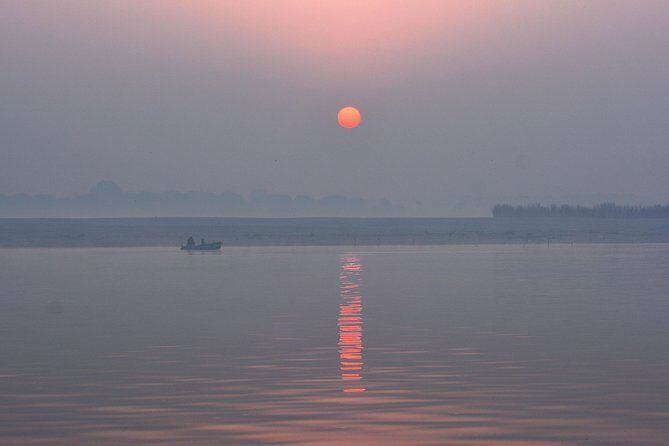
After the main entry point, the route continues through other parts of the Banaras ghats. This portion is about more than sightseeing. The guiding idea is that rituals aren’t a separate activity here—they’re woven into daily life, and you’ll see how that shows up along the river.
You’ll also hear about life energies and “energy transformation techniques” as part of the experience. I’m not going to oversell it as science, but the way it’s presented can be genuinely useful: it gives you a lens for how locals think about balance, attention, and inner steadiness while the outer world rushes by.
Admission is listed as free for the stops in this section, which is great because you’re not juggling extra ticket purchases on top of the walking.
A few more Varanasi tours and experiences worth a look


Manikarnika Ghat: moksha, cremation, and heavy reality
Next comes Manikarnika Ghat, described as the holiest among the sacred riverfronts. This is known for a specific belief: if a dead human is cremated here, the soul finds salvation, or moksha.
This stop is powerful, but it’s also the part that may feel emotionally intense. If you’re sensitive to topics like death and cremation, prepare yourself mentally before you arrive. Even if you came for culture and spirituality, Varanasi doesn’t keep those ideas politely offstage. They’re present in how the ghat works and in the reason people come.
What I appreciate in the tour structure is that it doesn’t pretend this is just a photo spot. You’re moving with guidance and conversation, so you’re less likely to feel like you’re observing from a distance with no understanding of the meaning behind it.
Ganga Aarti: fire, rhythm, and the meaning of darshan
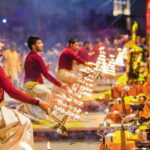
The centerpiece is Ganga Aarti Darshan at Dashashwamedh Ghat. This ritual is described as one of the five rituals performed for worship of the sacred river Ganga. That phrasing matters, because it positions the ceremony as part of a broader system of practice, not a one-off show.
During this time, you’ll witness:
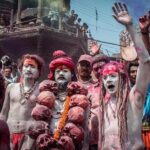
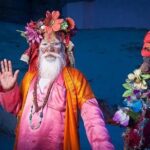
- the ritual unfolding with local brahmins and sadhus
- devotees walking down to the ghats to offer prayers to the Mother Ganges
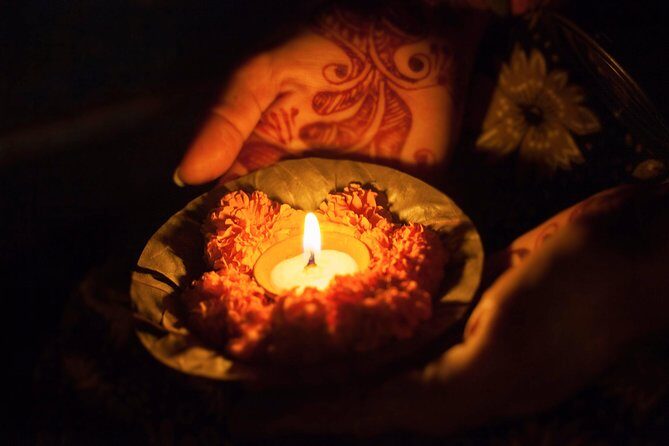
- the visual experience of the ceremony itself—lamps, movement, and the focused attention of everyone present
Aarti experiences can vary depending on where you’re standing, but the big win here is that you’re there with context. The guide’s job is to help you read what’s happening: who’s doing what, and how the ritual relates to the river as a living spiritual presence.
The included boat ride: small boat, not a cruise
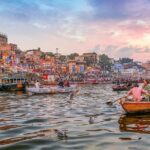
This is where expectations can make or break the experience. The tour summary includes a boat ride alongside the walking tour, but it’s not a cruise ship vibe. There’s an important reality check: this is a hand-driven type of boat experience, not a large, comfortable cruise.
If you’re the kind of traveler who needs everything predictable—like seating, quiet engines, and a controlled “tourist experience”—you might find the boat segment a bit rough around the edges. But if you’re open to being close to the river and the ceremony atmosphere, the boat portion can add a perspective you simply can’t get from the ghats alone.
My advice: treat it as part of the immersion, not an upgrade. The value is in the timing and the view relationship to the Aarti, not in fancy boat amenities.
The guide factor: why conversation is part of the product
The tour includes a highly trained, friendly storyteller/guide who speaks English & Hindi. This matters because Varanasi is loaded with meaning, and if no one explains it, you can easily miss the “why” behind the “what.”
The conversation angle is also practical. You’ll hear about religious aspects, beliefs, and local importance while you walk. That’s helpful because the city’s symbolism can feel overwhelming on your first night. With a guide, you get mental labels you can reuse later while you explore on your own.
A name that stands out in the information you provided is Manish, described as great at showing and explaining the story of Varanasi, and doing it with care and kindness. Even if you don’t have the same guide, the tour’s value proposition is clear: the story is part of the deal, not an optional extra.
What to expect emotionally (and how to prepare)
This isn’t a gentle “just vibes” walk. You’ll see a range of human life at the river: prayers, ritual focus, and the intense meaning connected to cremation and moksha. That can be deeply moving for some people and uncomfortable for others.
If you’re going, I’d recommend you come with a simple plan:
- Arrive with respect. You don’t need to agree with every belief; you do need to act like you understand this is someone’s sacred rhythm.
- Keep your expectations realistic. This is a spiritual neighborhood, not a theme park.
- Be ready for crowds at key moments, especially near the Aarti.
Who this tour is for (and who should pass)
This works best if you want:
- a guided introduction to major ghats without getting lost
- a timed evening plan that fits the daily Aarti schedule
- conversation about religious meaning, not just sightseeing
It may be less ideal if you want:
- a polished, “luxury-tour” feeling
- a cruise-style boat experience
- an experience that avoids emotionally heavy themes
If you’re visiting Varanasi for the first time and want one evening that gives you context, this hits a strong sweet spot. If you already know the riverfront well and just want photos, you might feel it’s more explanation than you need.
Should you book Mysticism of Varanasi with Ganga Aarti?
If your goal is to understand Varanasi’s spiritual pull in a practical, on-the-ground way, I’d say yes, book it—with one caveat: go in knowing it’s a walking-and-boat evening centered on ritual viewing, not a cruise.
It’s also good value for the price because it bundles guide time, darshan-focused viewing, and multiple meaningful ghats into one compact schedule. If you’re the type who likes to ask questions and learn while you move, this tour will reward you fast.
If you’re more sensitive to topics like cremation or you dislike small-boat logistics, consider whether you want a gentler introduction. The city is powerful either way, but this tour doesn’t soften the message.
FAQ
How long is the tour?
It lasts about 2 hours.
Where does the tour start and end?
It starts at St. Thomas Church on Luxa Rd in Varanasi and ends back at the same meeting point.
What’s included in the price?
Included items are Ganga Aarti Darshan, conversations to explore religious aspects and local importance, and a trained English and Hindi speaking storyteller/guide.
Is food or drinks included?
No. Food and drinks are not included.
Is it only walking?
No. It’s described as a combination of a walking tour and a boat ride.
Do I need admission tickets for the stops?
Admission tickets are listed as free for the Ghats, including Banaras Ghats, Manikarnika Ghat, and the Aarti stop.
What happens if the weather is bad?
The experience requires good weather. If it’s canceled due to poor weather, you’ll be offered a different date or a full refund.