REVIEW · VARANASI
Cycle of Life, Death & Rebirth (2 Hours Guided Walking Tour)
Book on Viator →Operated by Yo Tours · Bookable on Viator
Life and death feel close here. This 2-hour walk ties Hindu beliefs to the Ganges ghats you can actually see up close. You’ll learn the ideas around the cycle of life, death, and rebirth through funerary rights, rituals, and philosophy—without rushing. I especially love the small group setup (max 10) and the way the English-speaking guide keeps the conversation open, questions welcome, and explanations practical. One drawback to consider: parts of the route focus on cremation and riverfront rites, so you should be mentally ready for heavy themes.
You also get more than “look and take photos.” The walk includes a practical stop-and-learn segment with energy transformation techniques aimed at helping you balance your energy system. And you’ll end right back at the start near St. Thomas Church, which makes planning easier than tours that scatter you around the city.
In This Review
- Key things you should know before you go
- Entering Varanasi’s Riverfront Lesson: What This Walk Really Teaches
- Meet at St. Thomas Church, Then Walk Like You Mean It
- Dashashwamedh Ghat: The Oldest Heart and the Ganga Aarti Link
- Manikarnika Ghat and Moksha: Standing at the Place of Cremation Meaning
- The Ghats of Kashi Walk: Meditation Steps and Energy Techniques
- Harishchandra Ghats: Cremation Ritual Focus at the River’s Edge
- The Guide Makes or Breaks It: English Q&A and the Small-Group Advantage
- Price and Value: Why $13.20 for 2 Hours Can Be a Smart Trade
- What to Expect From the Walking Route (and How to Prepare)
- Who Should Book This Tour (and Who Should Rethink It)
- Should You Book Cycle of Life, Death & Rebirth?
- FAQ
- How long is the Cycle of Life, Death & Rebirth walking tour?
- Where does the tour start and end?
- What’s the group size for this tour?
- Is the guide available in English?
- What’s included in the price?
- What isn’t included?
- Does the tour run in bad weather?
- What if I need to cancel?
Key things you should know before you go
- Small-group pace (max 10) means you’re not shouting over strangers
- English-speaking storyteller guide with English and Hindi helps you ask follow-ups
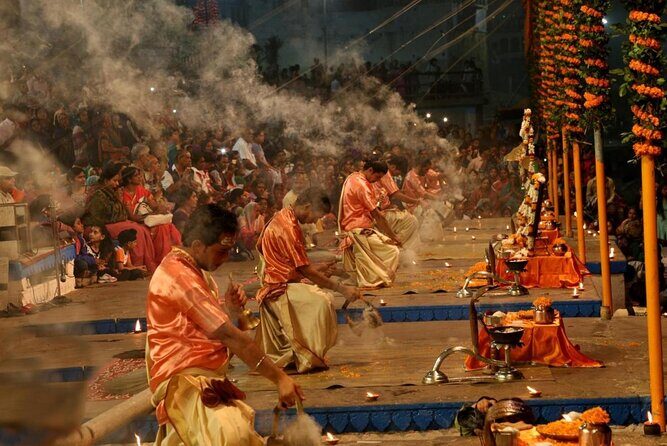
- Dashashwamedh Ghat is framed as the oldest and holiest heart of action where the Ganga aarti happens every evening
- Manikarnika Ghat and Moksha are central, with cremation tied to salvation in the guide’s explanation
- Cremation-focused ghats are part of the route, so go with the right mindset
- Energy transformation techniques are taught as a hands-on add-on during the walk
Entering Varanasi’s Riverfront Lesson: What This Walk Really Teaches
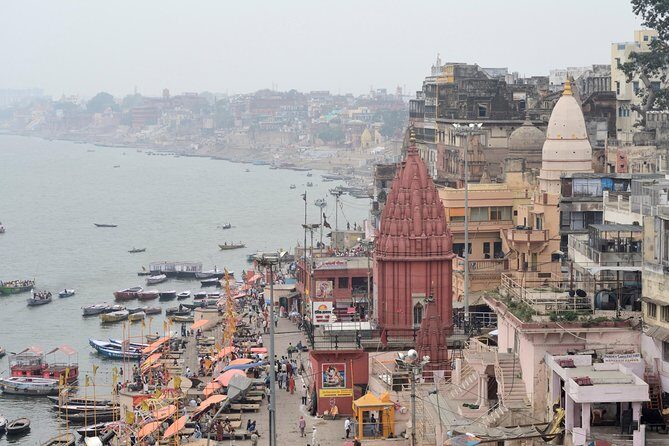
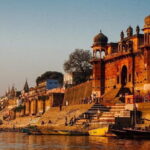
This tour is built around one big idea: Hindu beliefs about life, death, and rebirth are not just theories you read about. They’re practiced, spoken about, and performed along the Ganges ghats. You’ll walk that river edge while your guide explains funerary rights, rituals, and philosophy in plain language, with plenty of time to ask questions.
The best part for me is that the tour doesn’t treat the ghats like a museum backdrop. It treats them like living places where meaning is tied to where people stand and what they do. The guide’s job is to connect your feet-on-stone experience to what the sites represent. That’s why this walk can feel more personal than a standard sightseeing circuit.
You’ll also notice the tour’s structure mirrors the theme. It starts at a ghat tied to major evening ceremony, then moves to riverfront cremation reality, then loops through other old ghats where meditation and prayer happen right on the steps. That makes the subject matter easier to understand, because you’re learning while you’re looking.
One more note: the route is outdoors and weather-sensitive. Since the experience requires good weather, I’d treat this like a “plan around the forecast” outing rather than a “set it and forget it” activity.
You can also read our reviews of more walking tours in Varanasi


Meet at St. Thomas Church, Then Walk Like You Mean It
The meeting point is St. Thomas Church, Luxa Rd (Luxmanpura, Laxman pura, Ramapura Luxa area), in Varanasi. The tour ends back at the meeting point, so you’re not stuck figuring out how to get across town afterward.
This matters for two reasons. First, a 2-hour tour goes fast. Knowing you’ll return to the same place helps you plan your next meal or temple stop without a scramble. Second, there’s no hotel pickup or drop-off included, so you’ll want to start from the meeting area rather than hoping for a ride.
Also, the tour is near public transportation. That’s useful in Varanasi, where getting around can be a patchwork of walking, quick hops, and timing. For a short guided walk like this, simple is good.
Your group is small—up to 10 travelers—and that affects the whole vibe. You can hear the guide, you can ask questions, and you won’t feel like you’re being rushed from one viewpoint to the next.
Dashashwamedh Ghat: The Oldest Heart and the Ganga Aarti Link
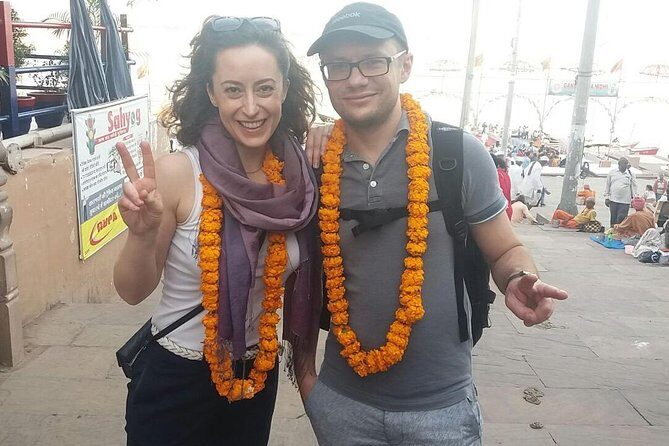
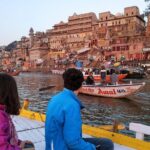
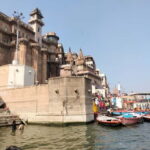
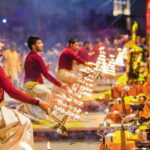
Your first stop is Dashashwamedh Ghat, described as the oldest and holiest ghat and the heart of the action where the famous Ganga aarti takes place every evening. Even if you’re not there at the exact time of the evening ceremony, this framing helps you understand why this ghat is treated as a focal point.
What you’ll do here is more than taking in river views. Your guide uses this place to set the theme: the Ganges is not just a backdrop; it’s tied to ritual life and to the cycle of belief that the tour is exploring. Since the guide is an English-speaking storyteller (with English and Hindi ability too), you should be able to ask why this ghat is considered central and how the rituals connect to Hindu ideas about life and death.
A practical consideration: Dashashwamedh is known for being the heart of action, which can mean more activity and more movement around you. If you don’t love crowds, it helps to keep your expectations realistic and focus on the explanation, not just the scenery.
Manikarnika Ghat and Moksha: Standing at the Place of Cremation Meaning
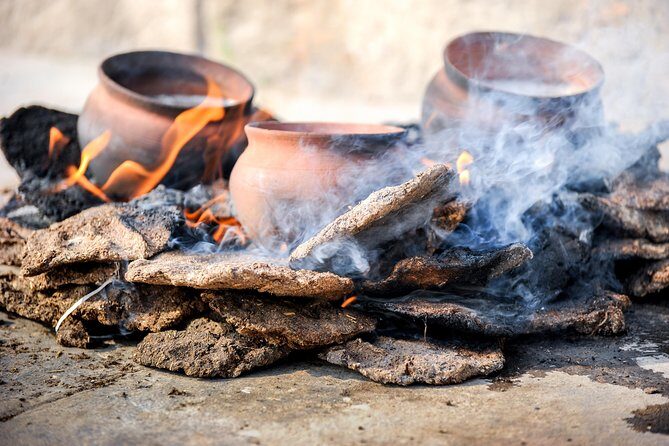
Next comes Manikarnika Ghat, described as the holiest among the sacred riverfronts. This is the ghat tied directly to cremation, with the explanation that when a dead human is cremated here, the soul finds salvation or Moksha.
This stop is the emotional core of the tour. You’re not going to treat it as casual sightseeing. Your guide’s role is to put funerary rights and ritual meaning into words so the experience doesn’t feel random or simply grim. If you’ve ever been curious about how people understand death through ritual, this is where you’ll get the clearest, most direct cultural context.
What I like about this approach is that it acknowledges the topic head-on. The tour doesn’t try to soften the subject. Instead, it provides the belief framework so you can interpret what you’re seeing.
One drawback for some people: the theme is heavy. Even if the guide’s tone is respectful and explanatory, the setting is still focused on cremation rituals. If you’re sensitive to death-related themes, mentally prepare before you arrive.
The Ghats of Kashi Walk: Meditation Steps and Energy Techniques
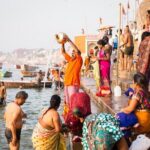
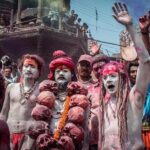
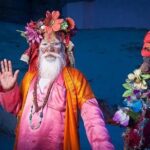
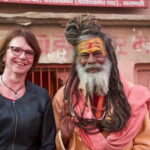
After Manikarnika, you continue through other old and spectacular ghats located along the Ganges. The itinerary highlights the Ghats of Kashi experience, including watching a colorful mix of people—such as Hindu gurus doing meditations and prayers on the stairs.
This is where the tour becomes more than “two big stops and done.” You start noticing patterns: where people pause, how prayers are positioned along the steps, and how the riverfront functions as a space for both ritual and everyday presence. Your guide helps you connect those observations to the beliefs being discussed.
Then comes a unique feature: you’ll learn energy transformation techniques intended to help you balance your energy system. You don’t need special equipment for this portion (it’s walking-tour style), and it’s one of the reasons this experience feels different from a standard ghats stroll.
Here’s a practical way to think about it: the tour gives you a body-level understanding alongside the mind-level explanations. You’ll be standing, listening, and then doing the guide-led technique. That combination often sticks longer than hearing theory alone.
If you’re expecting purely historical facts, you might feel a mismatch. But if you like cultural practice—how belief shows up in movement and routine—this middle section is a strong match.
You can also read our reviews of more cycling tours in Varanasi

Harishchandra Ghats: Cremation Ritual Focus at the River’s Edge
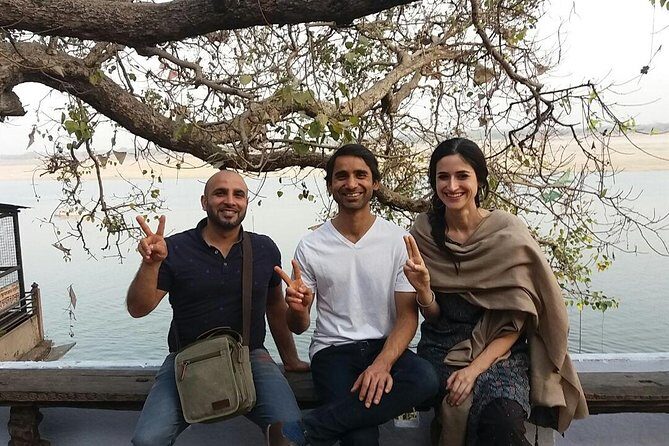
The route continues to Harishchandra Ghats, described as dedicated to the cremation ritual. This stop ties the tour’s theme together in a straightforward way: you’re seeing multiple riverfront cremation-related sites and hearing how Hindu funerary rights are understood in relation to the cycle of life and death.
I like that this stop isn’t treated as a shock moment. It’s part of a guided theme, not a jump-scare in your itinerary. The guide’s explanations and the earlier context (Dashashwamedh and Manikarnika) make Harishchandra easier to interpret rather than simply stare at.
Again, the consideration is emotional. If you’re on this tour because you want to understand belief and ritual, this will deliver. If you’re simply hoping for scenic river photos, this may feel like too much.
The Guide Makes or Breaks It: English Q&A and the Small-Group Advantage
The tour is led by a highly trained and friendly Storyteller/Guide who speaks English and Hindi, and your experience includes great conversations about the religious aspect, beliefs, and local importance.
That matters because Hindu ritual language can sound abstract until someone translates it into everyday meaning. In a small group, you can ask follow-ups without feeling awkward. And with max 10 travelers, you’re not getting squeezed into a single-file line where questions vanish into the crowd.
One guide name you might hear in this context is Manish, who’s noted for answering questions about Hinduism and the rituals in Varanasi and for showing key places along the Ganges route, including cremation-focused areas. That kind of guide energy is exactly what you want for a tour like this: calm, curious, and willing to answer.
Price and Value: Why $13.20 for 2 Hours Can Be a Smart Trade
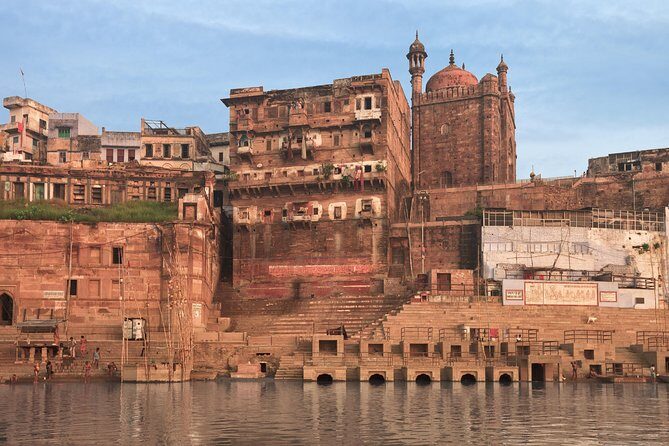
At $13.20 per person for about 2 hours, this tour is priced for value—especially because you’re getting:
- A guided walk with explanation of beliefs and rituals
- An English-speaking guide who can handle questions
- A route that covers multiple major ghats connected to the theme
- Small-group attention (max 10)
You should also understand what you’re not paying for. There’s no air-conditioned vehicle, no hotel pickup/drop, and no food or drinks included. That’s normal for a focused walking tour, and it keeps the price down.
So what do you gain for the cost? You gain context. In a place like Varanasi, simply wandering can leave you with lots of visuals and not many answers. This tour gives you the “why” that turns the sights into understanding.
For me, the best value sign is the balance: you pay a modest amount, but you don’t feel like you’re being herded. You’re paying for meaning, not for transportation.
What to Expect From the Walking Route (and How to Prepare)
This is a guided walking experience along the riverfront ghats of Varanasi. Expect stone steps, changing viewpoints, and close-up moments near ritual spaces. The itinerary includes multiple ghats, so you should plan on sustained walking for the full 2 hours.
The experience requires good weather. That’s not just a comfort note. Rain and slick steps can make the walk less pleasant and could affect how the tour runs, so check conditions before you commit.
Comfort-wise, plan to be outdoors. The tour is short, but the ghats are not a stroll through flat parkland. If you know you handle stairs better than others, you’ll like this tour more.
Also, confirmation is provided at booking time, and you’ll get a mobile ticket. If you hate last-minute phone chaos on the road, bring your battery charger habit with you.
Who Should Book This Tour (and Who Should Rethink It)
This tour fits best if you want:
- A guided explanation of Hindu beliefs around life, death, and rebirth
- A small-group Q&A setup
- A route centered on Ganges ghats, including cremation ritual sites
- An added element of energy transformation techniques
It may be less ideal if you’re uncomfortable with death-related ritual settings or if you’re hoping for a purely scenic, light-hearted walk.
If you’re in Varanasi for the first time and want to understand what you’re seeing rather than just checking off places, this is a strong choice. And if you’re the type of traveler who asks why people do what they do, your guide will give you plenty to work with.
Should You Book Cycle of Life, Death & Rebirth?
I’d book it if you want meaning, not just photos. The small group size and the guide’s English-speaking ability make a difference when the subject matter is spiritual and ritual-based. The route’s balance—from Dashashwamedh’s major evening ceremony status to Manikarnika and Harishchandra’s cremation focus—gives you a coherent, theme-driven path through Varanasi’s riverfront life.
Skip it if heavy topics will ruin your mood, or if you need a tour that’s mostly sightseeing with light explanations. This one is more like a guided walk through belief-in-action.
If the weather looks good, and you’re open to respectful cultural learning in a place tied to funerary rites, this is a well-priced way to get real context in just two hours.
FAQ
How long is the Cycle of Life, Death & Rebirth walking tour?
It’s about 2 hours.
Where does the tour start and end?
It starts at St. Thomas Church on Luxa Rd in Varanasi and ends back at the meeting point.
What’s the group size for this tour?
The maximum group size is 10 travelers.
Is the guide available in English?
Yes. The guide speaks English (and can also speak Hindi).
What’s included in the price?
You get the guide’s storytelling and explanation (English & Hindi), plus conversation about the religious aspects, beliefs, and local importance.
What isn’t included?
Hotel pickup and drop, an air-conditioned vehicle, and food and drinks are not included.
Does the tour run in bad weather?
The experience requires good weather. If it’s canceled due to poor weather, you’ll be offered a different date or a full refund.
What if I need to cancel?
Free cancellation is available. You can cancel up to 24 hours in advance for a full refund. If you cancel less than 24 hours before the start time, the amount paid is not refunded.