REVIEW · VARANASI
Spiritual Tour in Varanasi with a local- 2 Hours Tour
Book on GetYourGuide →Operated by Yo Tours · Bookable on GetYourGuide
Varanasi can feel like sensory overload—this tour helps you make sense of it. In just 2 hours, you’ll move through the Ganga ghats, step into the Vishwanath Temple atmosphere, and end at Sarnath Stupa with a guide who explains what you’re seeing in clear, human terms.
What I like most is how the tour pairs big landmarks with practical spiritual ideas, especially the mind-emotion-body focus taught through simple techniques. I also like the way local storytelling and English/Hindi guidance help you navigate without feeling lost in tight lanes.
One possible drawback: this is a short tour. If you want lots of quiet time, or you need very slow pacing through crowds, you may feel rushed when the route compresses three major stops into one session.
In This Review
- Key highlights you should know
- Two Hours, Three Sacred Stops: How This Varanasi Walk Flows
- Ganga Ghats and Rituals: What You’ll Actually Learn to Notice
- Vishwanath Temple: Turning Temple Chaos into Personal Clarity
- Sarnath Stupa: From River Rituals to a Broader Spiritual Frame
- The Inner-Techniques Part: Harmonizing Mind, Emotions, Body, Life Energies
- Hidden Lanes and Local Storytelling: Why the Guide Makes or Breaks It
- Price and Value at About $23: What You Get for the Time
- Who This Spiritual Varanasi Tour Fits Best
- What to Do Before You Go (So You Enjoy It More)
- Should You Book This 2-Hour Spiritual Tour in Varanasi?
- FAQ
- How long is the Varanasi spiritual tour?
- What is the price per person?
- Where does the tour take place?
- What are the main stops or highlights?
- What languages will the live guide speak?
- What’s included in the tour?
- What is not included?
- Is there free cancellation?
- Does the tour offer pay later?
- Is the tour tied to one religion?
Key highlights you should know
- Ganga Ghats and Rituals explained with real-world context, not vague mysticism
- Vishwanath Temple visit framed for reflection while you’re surrounded by activity
- Sarnath Stupa gives the trip a broader spiritual arc beyond the river
- Hidden lanes and lesser-seen spots so you’re not stuck only on the main paths
- A guide who can speak English and Hindi, plus local tips to save time and money
- Mind-emotion-body techniques that are described as universal, not tied to a single religion
Two Hours, Three Sacred Stops: How This Varanasi Walk Flows
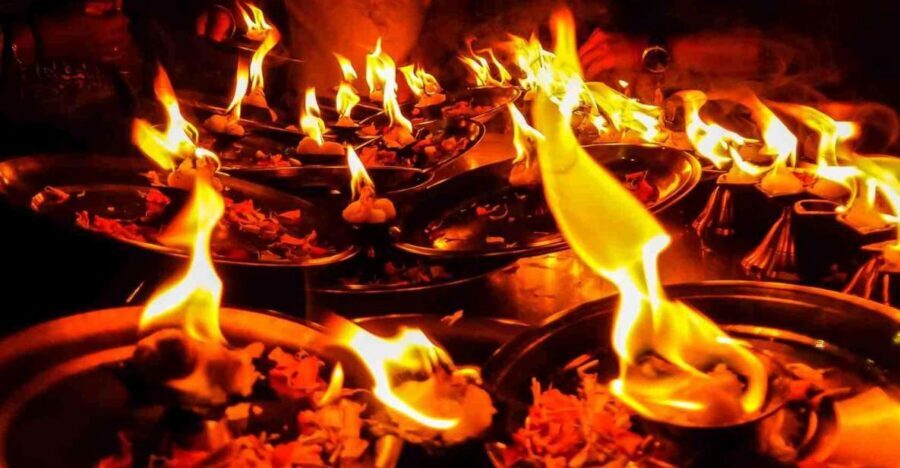
This experience is built around three major locations in Varanasi, but the goal isn’t just sightseeing. The structure is quick on purpose: you’ll get enough time at each place to notice details, then you’ll move on before the session turns into pure exhaustion.
Think of it like this: the Ganga sets the emotional tone, Vishwanath adds spiritual focus through temple culture, and Sarnath Stupa shifts you toward reflection and teaching. The tour also includes access to hidden lanes and places, which matters here because Varanasi’s normal routes can be either crowded or disorienting. A local guide helps you keep momentum without missing the small, meaningful moments.
You’ll also notice a big difference between this and a standard temple-and-photos tour: the guide’s explanations connect what you see to how you experience yourself internally—mind, emotions, body, and what the tour describes as life energies. That’s the through-line.
A few more Varanasi tours and experiences worth a look


Ganga Ghats and Rituals: What You’ll Actually Learn to Notice
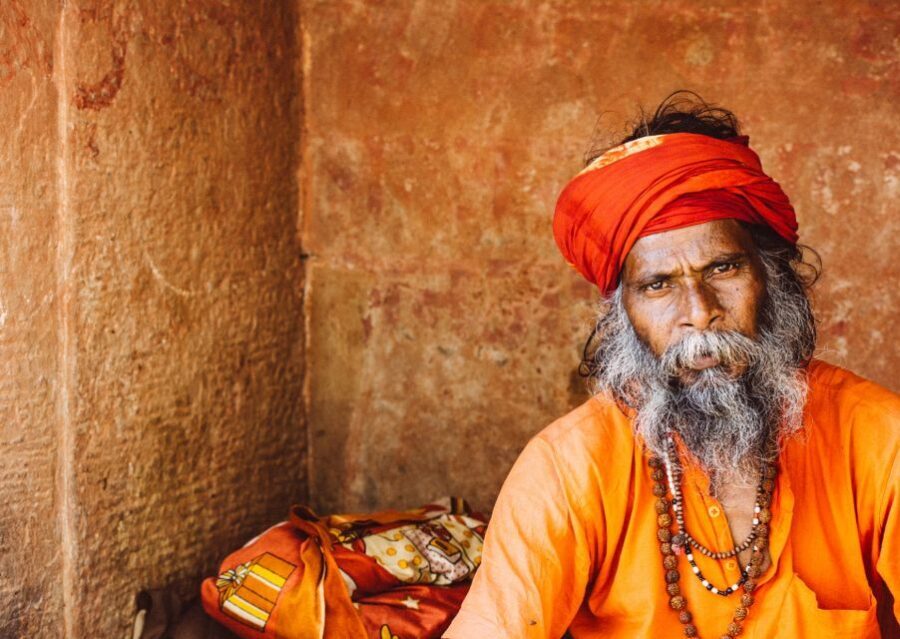
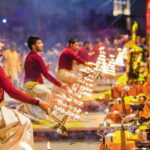
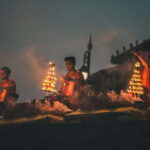
The Ganga ghats are the headline for a reason. Even if you’ve seen photos, in person the details land differently: the movement along the steps, the rhythm of people coming and going, and the way rituals create a kind of shared focus.
On this tour, you won’t just stand and stare. You’ll be guided to understand what’s happening around you and why it matters to the people performing and witnessing it. This is where the tour’s non-religion framing shows up: the spiritual angle is presented as something universal, aimed at awareness and inner clarity rather than pushing a specific belief system.
A strong point here is the chance to talk about life, mortality, and the local process of death. One guide-led conversation you may experience includes explanations about how people understand death and what it means in daily life. If you’re the type who thinks about meaning when you travel, this part can hit hard—in a thoughtful way.
Practical notes for you:
- You’ll be near water, crowds, and active movement, so wear shoes you can stand in comfortably.
- Keep your camera use reasonable. Rituals don’t pause for photos, and respectful attention often reads better than constant filming.
- If you’re sensitive to strong sights or smells, mentally prepare for close-up sensory intensity at the ghats.
The takeaway is simple: you come to the ghats as a visitor, but you leave with sharper mental focus about what you witnessed and how to interpret it calmly.
Vishwanath Temple: Turning Temple Chaos into Personal Clarity
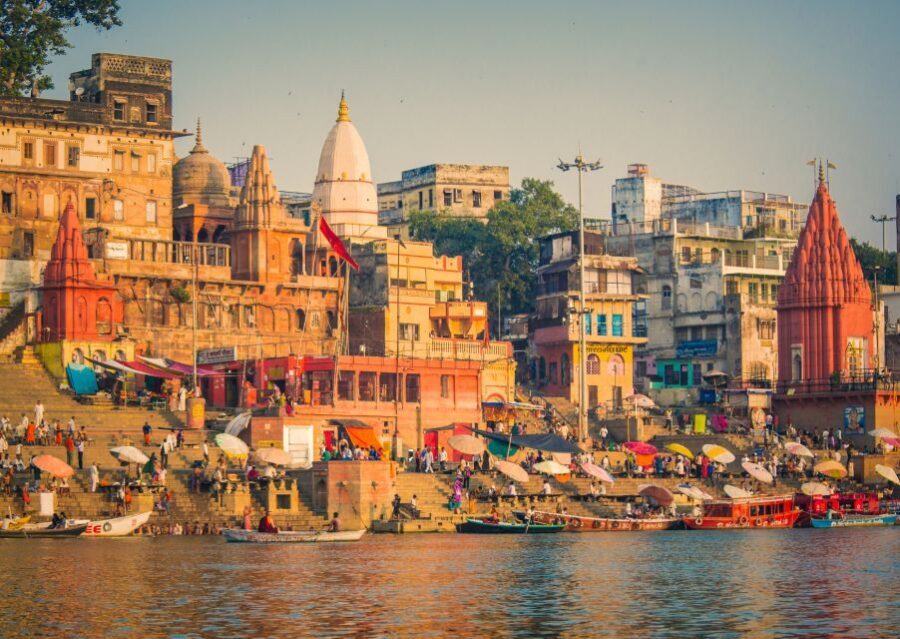
From the river to the temple, the energy changes fast. Vishwanath Temple is not a quiet museum. It’s a working sacred space, full of people, sound, and purposeful motion. That can be intimidating if you go in alone.
This tour helps you make it manageable. You’ll get context for what you’re seeing while staying aware of your own state of mind. The guide’s role is key here: the explanations are designed to be easy to follow, and the emphasis is on understanding the experience without getting overwhelmed.
You’ll also likely be guided through reflection points tied to the tour’s inner-technique theme. The goal isn’t to turn you into a scholar of Indian spirituality. It’s more practical: help you connect what you feel in your body and emotions to what’s happening in your mind—so your experience becomes calmer and more intentional.
Here’s what I think is valuable about that approach for you:
- Temple visits can become purely observational. This tour aims to make them meaningful.
- When you understand the basics of what’s going on, you’re less likely to feel lost.
- You can treat the visit as a mental reset, not just a checklist item.
One caution: if you’re expecting a silent meditation retreat, you may find the temple atmosphere too active. If you’re okay with sensory intensity and you want spiritual perspective while moving through a living space, you’ll likely enjoy this stop.
Sarnath Stupa: From River Rituals to a Broader Spiritual Frame
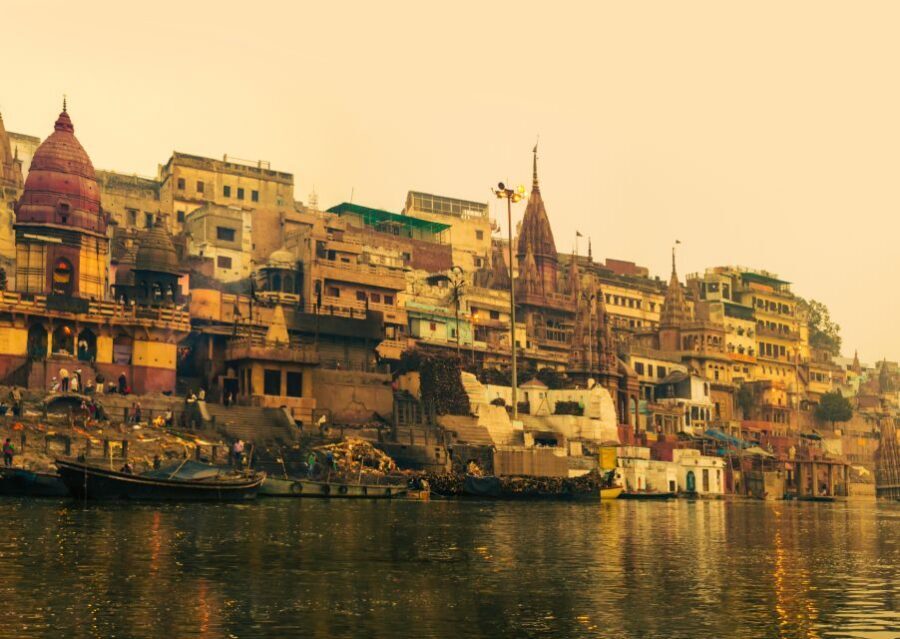
Sarnath Stupa is a different mood from the ghats. Where the river section pulls you into immediate human ceremony, Sarnath gives you a sense of spiritual history and teaching—a shift from intense present-day rituals to wider meaning.
In a short tour, this stop functions like a mental hinge. You move from what you observed on the ghats to a more reflective ending point that helps you process everything you just saw. If you’re the type who likes travel to change your thinking, Sarnath can help your final 30–40 minutes feel cohesive rather than rushed.
The tour’s description emphasizes inward exploration—learning to harmonize mind, emotions, body, and life energies. Sarnath naturally supports that feeling. Even if you don’t connect with the religious background, you can still connect with the human impulse behind the site: people gathering around a symbol to steady their inner life.
Because the tour is short, don’t expect long lectures. Instead, expect a guided orientation—enough to guide your attention, not enough to overload your brain.
The Inner-Techniques Part: Harmonizing Mind, Emotions, Body, Life Energies
The tour calls itself spiritual, but it doesn’t ask you to adopt a faith. That matters if you’re cautious about religious tourism. The focus is described as universal practice: aligning inner states and understanding different layers of the mind.
You’re taught or guided through ideas like:
- how to harmonize mind, emotions, body, and life energies
- techniques aimed at experiencing life from within, described as joyful and ecstatic in the tour’s wording
- clarity about the roles of Conscious Mind, Intellect, and Sub-conscious Mind
- an overview of ancient yogic culture in its true sense, as the guide presents it
For many travelers, the biggest value here is not the specific terminology. It’s the practical effect: you walk out noticing your own reactions more clearly. You may start to recognize when you’re anxious, curious, impatient, or overwhelmed—and you learn a way to shift that state.
Also, don’t assume you’ll leave with a perfect spiritual framework. In two hours, the goal is more like planting seeds: a few techniques and perspectives you can try later when you feel scattered.
If you enjoy reflection-based travel—where you come away with tools rather than just photos—you’ll probably appreciate this part a lot.


Hidden Lanes and Local Storytelling: Why the Guide Makes or Breaks It
This tour includes access to hidden lanes and places, which is often where the real Varanasi experience lives. Main routes can feel like a repeat of what everyone else is doing. Hidden lanes usually mean smaller moments: quieter corners, more local sightlines, and fewer generic photo stops.
The guide is also your translator, in more ways than one. You’ll get a highly trained storyteller who speaks English and Hindi, plus great local tips. Those tips can be surprisingly useful for you after the tour, like where to spend wisely, how to move around efficiently, and what to pay attention to when the city gets overwhelming.
On past departures, guides such as Manish or Vishal have been highlighted for clear explanations and friendly help. That’s exactly what you want in a tight 2-hour format: someone who can explain quickly, humanly, and without turning the walk into a lecture.
One more plus: the conversations. The tour is set up so you’re not just receiving information. You’re encouraged to talk and ask questions. That’s where meaning forms, especially when the guide covers topics like death and life perspectives, or the role of consciousness and inner awareness.
Price and Value at About $23: What You Get for the Time
At around $23 per person for a 2-hour local-guided experience, the value is strong if you care about two things: context and access. You’re paying for a guide who can connect three major locations—ghats, Vishwanath, and Sarnath—into one coherent experience, plus the ability to move through lesser-seen lanes.
If you’re just chasing landmarks, you could probably stitch together similar stops on your own. But what you’re buying here is time and translation: someone to help you interpret what you’re seeing and keep you from wandering in circles.
Also consider the pacing. Two hours is short, and that’s the point. You’ll see a lot, but you should come with realistic expectations: a quick, guided spiritual snapshot rather than a full-day deep study.
A small practical note: water bottle isn’t included. Bring your own so you don’t spend the tour distracted by basic needs.
Who This Spiritual Varanasi Tour Fits Best
This is a great fit if:
- you like spiritual travel that’s reflective and personal, not preachy
- you want a local guide who can explain in English and Hindi
- you want to see key places—Ganga ghats, Vishwanath Temple, Sarnath Stupa—without spending hours planning route logistics
- you’re curious about how people understand life, death, and consciousness in a practical, everyday way
It may not be ideal if:
- you need very slow pacing or lots of silent downtime
- you’re extremely uncomfortable with crowded sacred spaces
- you want a purely historical tour with dates and academic depth only
In other words, this works best when you’re open to both the outward scenes and the inward conversations.
What to Do Before You Go (So You Enjoy It More)
Since the tour is compact, your preparation can make a difference.
- Wear comfortable shoes. You’ll be walking in active areas and near the ghats.
- Bring a water bottle since it’s not included.
- Dress respectfully for temple spaces.
- Keep expectations flexible. This is partly about experience and attention, not just collecting sights.
- If you’re nervous about strong sensory environments, set your mindset early. You’re not failing if the ghats feel intense. The guide can help you interpret it.
The best way to enjoy a tour like this is to treat it like a guided conversation with a famous place as the backdrop.
Should You Book This 2-Hour Spiritual Tour in Varanasi?
If you want a short tour that actually changes how you interpret what you see, I’d say this one is worth booking. For about $23, you get a local guide who can speak English and Hindi, access to hidden lanes, and explanations that connect ritual and sacred spaces to inner awareness.
The biggest reason to book is the combination: major Varanasi landmarks plus a structured spiritual framework you can think about after you leave. If you’re curious about consciousness, emotions, and how people process life and death, this format makes that accessible without forcing belief on you.
If you want hours of quiet reflection or a very slow pace, look for a longer alternative. But for a tight window in Varanasi, this is a practical way to get both context and meaning.
FAQ
How long is the Varanasi spiritual tour?
The tour lasts 2 hours.
What is the price per person?
The price is $23 per person.
Where does the tour take place?
The tour is in Uttar Pradesh, India, in Varanasi.
What are the main stops or highlights?
The tour highlights include the Ganga ghats and rituals, Vishwanath Temple, and Sarnath Stupa.
What languages will the live guide speak?
The live guide speaks English and Hindi.
What’s included in the tour?
It includes a highly trained, friendly storyteller/guide (English and Hindi), local tips and recommendations, access to hidden lanes and places, and guided conversation.
What is not included?
Hotel pickup and drop are not included, and a water bottle is not included.
Is there free cancellation?
Yes. You can cancel up to 24 hours in advance for a full refund.
Does the tour offer pay later?
Yes. It offers a reserve now & pay later option.
Is the tour tied to one religion?
The tour is described as not being about any religion of the world, and it focuses on inward spiritual techniques and inner understanding.