REVIEW · VARANASI
Sunrise in Banaras with Ganga Aarti (2 Hours Guided Walking Tour)
Book on Viator →Operated by Yo Tours · Bookable on Viator
Sunrise in Varanasi hits differently. This 2-hour guided walk around the ghats brings you to the river as the light rises, then turns right into Ganga Aarti viewing and explanations that connect everyday ritual with deep meaning. You’ll move through classic spots near Assi Ghat and learn what all the praying is really about, step by step.
What I like most is the way the guide keeps it human and clear, and I’ve seen names like RJ, Manish, and Abhishek pop up for friendly, English-and-Hindi storytelling. I also love the mix of walking and a short riksha ride, so you get more sights without burning all your daylight. The main drawback: it’s an early start and you’re on your feet along the ghats, so wear grippy shoes and expect chilly or foggy mornings at the river.
In This Review
- Key highlights
- Sunrise in Banaras: why this timing matters
- Where the tour starts at Kashi Cafe (and how to use it)
- Walking the ghats: what you’ll actually experience on foot
- The riksha ride: why it’s worth keeping in the plan
- Manikarnika Ghat and the idea of Moksha
- Ganga Aarti darshan: how to watch without getting overwhelmed
- Fog, cold, and early mornings: your comfort checklist
- Price and value: what $13.59 buys you
- Who should book this sunrise Aarti walking tour
- Should you book this tour
- FAQ
- How long is the sunrise Ganga Aarti walking tour?
- Where is the meeting point for the tour?
- What’s included in the price?
- Is hotel pickup or drop included?
- What should I bring since food and drinks aren’t included?
- What happens if weather is poor?
Key highlights
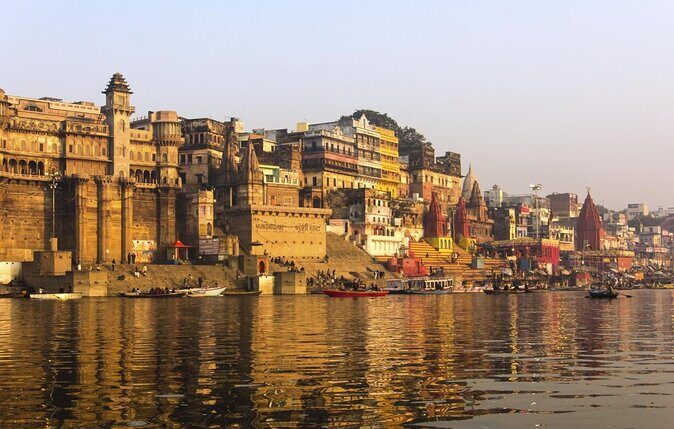
- Sunrise views near Assi Ghat: old buildings and riverfront scenes change fast as the sun clears the horizon
- Ganga Aarti darshan: you’re placed to witness the morning ritual at the river ghats
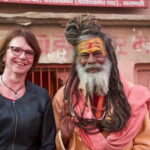
- Real ritual details: you see how Brahmins and sadhus move through morning worship routines
- Manikarnika Ghat stop: one of the most spiritually significant riverfronts, tied to the idea of Moksha
- English/Hindi guide storytelling: explanations that make religious practice feel understandable, not intimidating
- Private tour feel: only your group participates, which makes it easier to ask questions
Sunrise in Banaras: why this timing matters
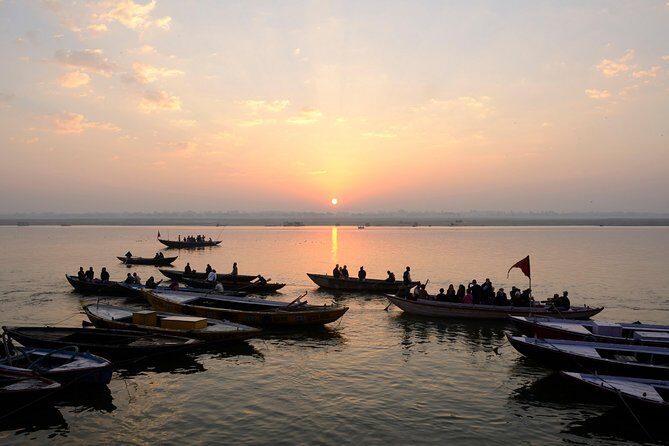
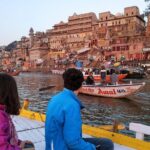
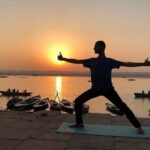
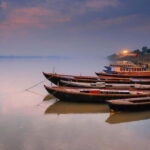
Varanasi at sunrise is not just pretty. It’s a different pace of life. When the sun starts to lift, the ghats stop feeling like a photo backdrop and start feeling like a living place with daily rhythm. That’s why this tour’s timing is the big deal: you’re not arriving after the action. You’re there as morning worship begins, so the riverfront makes sense as a spiritual workflow, not a tourist show.
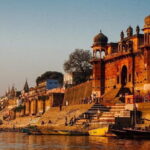
You also get better light for seeing details on the riverfront—color on the buildings, shifting reflections, and the feel of the sacred space waking up. Even if the morning is foggy (and fog can happen), the guide’s job becomes even more important: they help you read what you’re seeing and why it matters. That’s the difference between just watching and actually understanding.
And yes, the idea of spirituality here can sound big. But the guide tends to translate it into practical terms. You hear how rituals fit into daily life and why people treat the Ganga like more than scenery. It’s religion, belief, and local meaning woven into morning routine.
You can also read our reviews of more walking tours in Varanasi

Where the tour starts at Kashi Cafe (and how to use it)
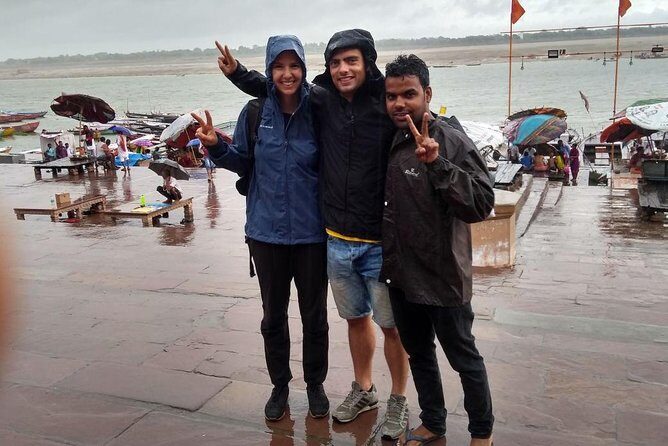
The meeting point is Kashi Cafe International near Assi Ghat (Assi Ghat Rd, opposite Assi). Ending is back at the same meeting point, so you’re not dealing with awkward transfers afterward.
This matters more than you might think. Starting and ending in the same area keeps the 2 hours focused. You don’t lose time negotiating streets before sunrise. It also makes it easier if you’re staying somewhere else and want to keep the morning plan simple.
A small but smart tip: since food and drinks are not included, you’ll want to plan your own warm-up. Some people like grabbing chai right at/near the meeting spot before walking down. The point is to arrive with enough energy to stand, walk, and watch without getting grumpy when the cold hits.
Also, the tour is near public transportation. If you’re independently navigating Varanasi, this makes the start less intimidating. You’re not stuck waiting around a far-off pickup zone in the dark.
Walking the ghats: what you’ll actually experience on foot
The core of the tour is a guided morning walk around the ghats. On paper, that sounds simple: see river steps, see temples, take photos. In practice, the value is in what the guide points out and how you’re guided through the flow of the morning.
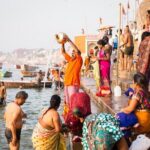
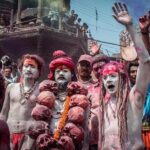
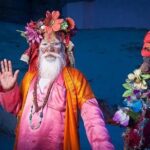
As you move along the ghats, you’ll notice that prayer here isn’t a single moment. It’s a sequence. One of the highlights is witnessing morning ritual movement—local Brahmins and sadhus heading toward the ghats to offer prayers. Watching that in real time changes how you interpret the Aarti later. You start to see the Aarti not as random spectacle, but as a focused part of a broader devotional rhythm.
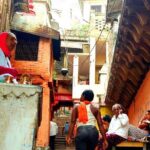
Another good thing about doing this as a guided walk is that you’re less likely to feel lost in the maze of riverfront lanes. The guide’s storytelling helps you connect place names and spiritual meaning to what you’re standing beside. And because the guide speaks English and Hindi, it’s easier to ask questions if something feels unclear.
Comfort note: the ghats can be uneven and slippery near the water. I’d plan for that. Skip shoes that feel good on sidewalks but fail on stone steps. You’ll thank yourself after the sun clears the fog.
The riksha ride: why it’s worth keeping in the plan
This tour mixes a walking route with a short riksha ride. That’s not just for fun. In a 2-hour experience, the ride helps you cover more ground without turning it into a marathon. It’s also useful because it gets you viewpoints quickly, when you want to see the city’s river scenes before crowds build and the morning light shifts.
I like this structure for one simple reason: it respects your energy. If you’re in Varanasi for a short visit, you need efficiency. But you also don’t want to feel like you’re just being driven past things. The walk keeps you in close contact with the ghats and the ritual details. The riksha keeps you from spending the entire window navigating between spots.
Think of it like a best-of route: enough movement to connect the important dots, but not so much travel that you miss the feeling of the river waking up.
Manikarnika Ghat and the idea of Moksha
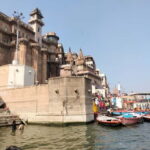
One of the most meaningful stops is Manikarnika Ghat, described as one of the holiest riverfronts along the Ganga. This is the place where the tour’s spiritual explanations get more intense and more specific.
You’ll hear the association tied to salvation/Moksha. The way the guide frames it is key. You’re not just told a concept and moved along. You’re shown a sacred riverfront and guided through how people understand life, death, and liberation in the context of the river.
This part of the morning isn’t for everyone’s comfort zone. Some visitors feel emotional because the topic is heavy. If you’re sensitive, give yourself permission to take it slowly and ask for clarification if you need it. A good guide will pace the explanations and help you understand what you’re seeing without forcing you into a reaction.
The upside is that this stop gives the tour real depth. Without it, you’d walk only the scenic layer. With it, you get a fuller picture of why the ghats matter to people who live with these beliefs every day.
You can also read our reviews of more guided tours in Varanasi


Ganga Aarti darshan: how to watch without getting overwhelmed
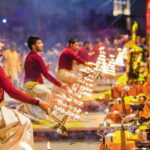
The centerpiece is Ganga Aarti darshan. This is where all the morning context pays off. When the Aarti starts, you’re primed to see it as prayer, not performance. The guide’s earlier storytelling about ritual importance helps you notice patterns—how worship is conducted, the tone of devotion, and the role of the sacred river in the ritual.
So what should you watch for? Pay attention to three things:
- The flow of the ceremony itself (how it unfolds as part of worship)
- The people participating and what they’re doing as they pray
- The way the crowd gathers to witness, with the guide translating what’s meaningful in the moment
Another reason this tour is strong is placement. You’re not simply told to find a spot near the water. You’re guided to view the ceremony as part of the experience.
One practical caution: in a morning ceremony setting, photos can become distracting. If you’re filming, keep it respectful. It’s okay to look first. Let the moment land, then decide if you want the memory on your camera.
And if the weather is foggy or unusual, don’t assume the experience will be ruined. The guide’s explanations become even more valuable when visibility is limited, because the meaning doesn’t disappear just because the light is muted.
Fog, cold, and early mornings: your comfort checklist
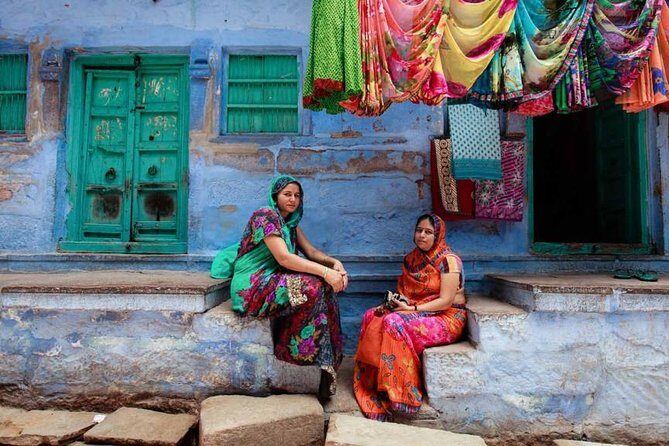
The reviews include at least one foggy morning, and fog can happen in the ghats area. That’s not a guarantee, but you should plan for it. Sunrise tours mean lower temperatures and damp air near the river.
Here’s what I’d do to keep the morning smooth:
- Dress in layers so you can adjust as the sun warms up
- Bring something warm for your hands (especially if you hold your camera)
- Wear grippy shoes for steps and uneven surfaces
- Plan to stay hydrated, but remember food and drinks aren’t included
Also, set a realistic expectation: you’re spending 2 hours moving and standing. This isn’t a slow stroll in a museum corridor. It’s an active experience focused on ritual observation.
If you’re the type who hates mornings, I get it. But sunrise in Varanasi is one of those rare times when the early start feels justified.
Price and value: what $13.59 buys you
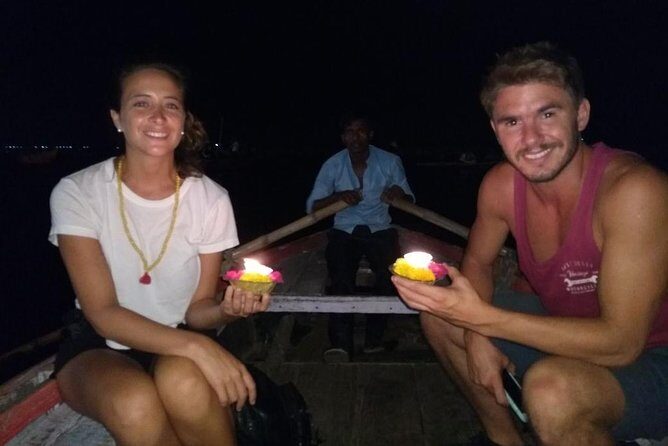
At $13.59 per person for an approximately 2-hour private tour, this is priced like a value-focused morning experience. The cost makes more sense when you look at what’s included: a friendly, English-and-Hindi storyteller guide, Ganga Aarti darshan, and guided conversations about religious beliefs and local importance.
What you don’t get is also clear:
- No hotel pickup or drop
- No food and drinks
- No air-conditioned vehicle
For me, the value comes from the combination of (1) sacred-river access for the Aarti and (2) guided interpretation. You’re paying less for transport logistics and more for a guide-led morning that helps you understand what you’re seeing. If you’ve ever wandered a sacred site without context, you know how quickly that can feel like watching without understanding.
One more practical angle: the tour is booked about 10 days in advance on average. That suggests people plan ahead for sunrise. If you want a specific date, don’t wait too late.
Who should book this sunrise Aarti walking tour
This tour is a good fit if you:
- Want a focused 2-hour immersion into Varanasi’s morning spiritual life
- Prefer a guided explanation over self-wandering
- Like walking but also appreciate a short riksha ride to save time
- Enjoy learning about rituals and the way locals understand the Ganga
It’s also a solid choice if you don’t want a complicated schedule. You meet near Assi Ghat, do the morning highlights, and end back where you started.
If you’re extremely uncomfortable with topics connected to death and cremation, the Manikarnika stop may be difficult. You can still choose the experience, but I’d be honest with yourself about your tolerance level and take breaks if needed.
Should you book this tour
Book it if you want the real morning version of Varanasi: sunrise light, ritual movement, and Ganga Aarti viewing with an English/Hindi guide who explains what you’re looking at. The price is strong for what you get, especially the guided interpretation paired with the Aarti.
Skip it if you want a relaxed, sit-and-stare experience with no walking and no early timing. This is for people who don’t mind steps, cold air, and standing close to a working sacred riverfront.
If you can handle an early alarm and a bit of riverfront walking, this is one of the most sensible ways to experience Varanasi beyond sightseeing checkboxes.
FAQ
How long is the sunrise Ganga Aarti walking tour?
It’s about 2 hours.
Where is the meeting point for the tour?
You meet at Kashi Cafe International on Assi Ghat Rd, opposite Assi and near Assi Ghat. The tour ends back at the same meeting point.
What’s included in the price?
The tour includes a trained English/Hindi guide, guided storytelling and conversations, and Ganga Aarti darshan.
Is hotel pickup or drop included?
No, hotel pickup and drop aren’t included.
What should I bring since food and drinks aren’t included?
Plan to handle your own breakfast and water. Since food and drinks aren’t included, you may want to eat or grab something warm before you start.
What happens if weather is poor?
The experience requires good weather. If it’s canceled due to poor weather, you’ll be offered a different date or a full refund.